Follow Me On Social Media!
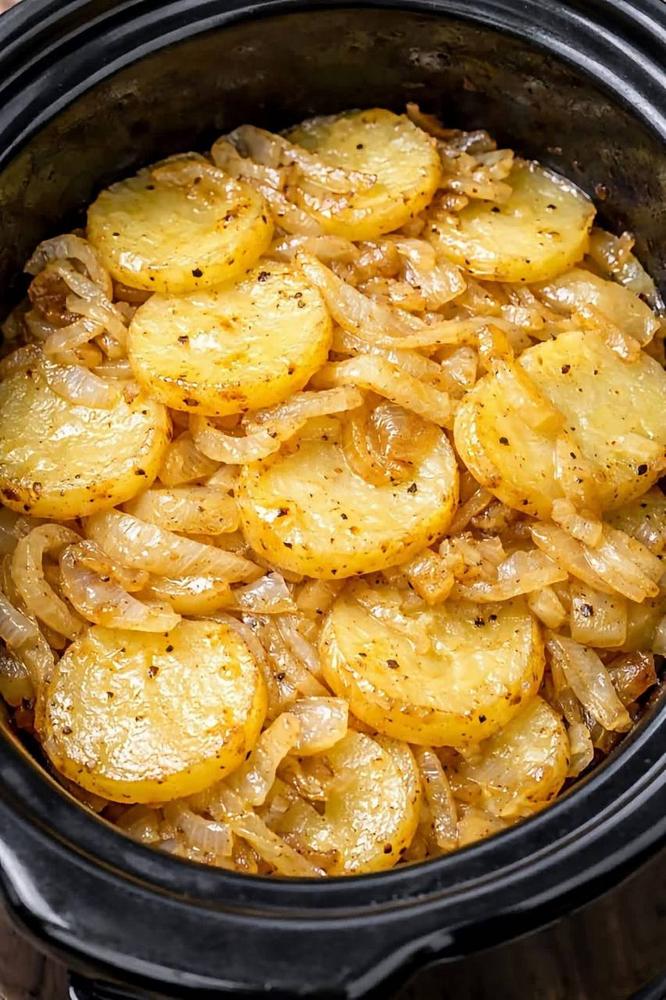
Smothered Potatoes and Onions

Introduction
There’s something undeniably magical about simple ingredients transformed into a dish that wraps you in a warm hug. Smothered Potatoes and Onions is precisely that kind of culinary enchantment. This humble yet profoundly satisfying creation takes everyday pantry staples – earthy potatoes and pungent onions – and through the magic of slow cooking, coaxes out their deepest, most comforting flavors. What does “smothered” truly mean in this context? It refers to the method of gently cooking ingredients, often covered, allowing them to release their natural moisture and mingle their essences, resulting in an incredibly tender, deeply flavored, and almost stew-like consistency. It’s a technique revered in comfort food traditions worldwide, and for good reason.
This dish isn’t just delicious; it’s a testament to the power of patience in the kitchen. As the potatoes soften and the onions slowly caramelize, a rich, savory aroma fills your home, promising a meal that’s both hearty and incredibly satisfying. Whether you’re looking for a versatile side dish to complement a robust main course, a light vegetarian meal, or simply a taste of home-cooked goodness, Smothered Potatoes and Onions delivers every time. Its ease of preparation belies its complex flavor profile, making it a go-to for busy weeknights and leisurely weekend brunches alike. And with options for slow cooker, stovetop, or oven preparation, you can choose the method that best fits your schedule and cooking style, ensuring a perfect outcome no matter what.
The beauty of Smothered Potatoes and Onions lies in its inherent simplicity and profound flavor development. It’s a dish that celebrates the natural sweetness of caramelized onions and the comforting starchiness of tender potatoes, all brought together with just a touch of fat and seasoning. This recipe highlights how minimal ingredients, when treated with care and time, can create something truly extraordinary. It’s a dish that evokes memories of grandmother’s cooking, a dish that nourishes not just the body, but the soul. Prepare to fall in love with the unpretentious elegance and comforting warmth of this smothered goodness.
Nutritional Information
Per serving (approximate values):
- Calories: 280
- Protein: 6g
- Carbohydrates: 45g
- Fat: 10g
- Fiber: 5g
- Sodium: 350mg
Ingredients
- 2 lbs Yukon Gold or red potatoes, scrubbed and thinly sliced (about 1/4-inch thick)
- 2 large yellow or sweet onions, thinly sliced (about 1/8-inch thick)
- 4 tablespoons unsalted butter, divided (or 3 tablespoons olive oil)
- 1 teaspoon salt, or to taste
- 1/2 teaspoon freshly ground black pepper, or to taste
- 1/2 cup vegetable or chicken broth (or water)
- 2 cloves garlic, minced (optional)
- 1 teaspoon dried thyme or rosemary (optional)
- 1/4 cup chopped fresh parsley or chives, for garnish (optional)
Instructions
- Prepare Potatoes and Onions: Wash the potatoes thoroughly. You can peel them if desired, but leaving the skin on adds nutrients and texture. Slice the potatoes into uniform 1/4-inch thick rounds. For the onions, peel them and slice them into uniform 1/8-inch thick crescent shapes. Uniformity is key for even cooking.
- Choose Your Cooking Method:
- Slow Cooker Method (Recommended for “Smothered” Texture):
- Melt 2 tablespoons of butter (or use 1 tablespoon olive oil) in a large skillet over medium heat. Add the sliced onions and cook, stirring occasionally, for 10-15 minutes until softened and beginning to turn translucent. Do not rush this step; slow cooking the onions now will deepen their flavor. If using garlic, add it during the last 2 minutes of cooking the onions.
- Lightly grease the bottom of your slow cooker insert with a little butter or cooking spray.
- Layer half of the sliced potatoes evenly on the bottom of the slow cooker. Season generously with half of the salt and pepper. If using dried herbs, sprinkle half over this layer.
- Spread all of the softened onions over the potato layer.
- Layer the remaining potatoes over the onions. Season with the remaining salt and pepper (and herbs, if using).
- Dot the top with the remaining 2 tablespoons of butter (or drizzle with 2 tablespoons olive oil).
- Pour the 1/2 cup of broth or water over the layers.
- Cover and cook on LOW for 4-6 hours, or on HIGH for 2.5-3.5 hours, until the potatoes are fork-tender. Cooking time may vary slightly depending on your slow cooker.
- Stir gently before serving to combine the flavors and ensure the onions are well distributed.
- Stovetop Method (Skillet):
- Melt 2 tablespoons of butter (or olive oil) in a large, heavy-bottomed skillet or Dutch oven over medium heat. Add the sliced onions and cook, stirring frequently, for 15-20 minutes until very soft and deeply golden brown, almost caramelized. This slow caramelization is crucial for flavor. If using garlic, add it during the last 2 minutes. Remove onions from the skillet and set aside.
- Add the remaining 2 tablespoons of butter (or olive oil) to the same skillet. Add the sliced potatoes in a single layer if possible (you may need to work in batches). Season with salt and pepper. Cook for 8-10 minutes, stirring occasionally, until the potatoes are lightly browned on the edges.
- Return the caramelized onions to the skillet with the potatoes. Add the broth or water and dried herbs (if using). Stir gently to combine.
- Reduce heat to low, cover the skillet tightly, and simmer for 20-30 minutes, or until the potatoes are fork-tender. Stir occasionally to prevent sticking. If the liquid evaporates too quickly, add a tablespoon or two more broth.
- Remove the lid for the last 5-10 minutes of cooking if you prefer a slightly drier consistency or wish to brown the potatoes further.
- Oven Method (Baking):
- Preheat your oven to 375°F (190°C).
- In a large mixing bowl, combine the sliced potatoes and onions. Add 4 tablespoons melted butter (or olive oil), salt, pepper, and dried herbs (if using). If using garlic, add it here. Toss well to ensure everything is evenly coated.
- Spread the potato and onion mixture evenly in a 9×13 inch baking dish or a large oven-safe casserole dish.
- Pour the 1/2 cup of broth or water over the mixture.
- Cover the baking dish tightly with aluminum foil.
- Bake for 45-60 minutes, or until the potatoes are fork-tender. Cooking time will depend on the thickness of your potato slices.
- Remove the foil during the last 15 minutes of baking to allow some browning and moisture to evaporate, if desired.
- Stir gently before serving.
- Final Touches: Taste the dish and adjust seasoning (salt and pepper) as needed. Garnish with fresh parsley or chives, if using, just before serving.
Cooking Tips and Variations
Achieving the perfect “smothered” texture and deep flavor in this dish relies on a few key techniques and considerations. First and foremost, don’t rush the onions. This is perhaps the most critical tip. The sweetness and depth of flavor in this dish come primarily from slowly caramelizing the onions. Whether you’re starting them in a skillet before adding to a slow cooker or cooking them directly in the pan, allocate sufficient time (15-20 minutes or more) for them to soften, become translucent, and develop a rich golden-brown hue. High heat will burn them, not caramelize them, so keep the heat at medium-low and stir frequently. A pinch of sugar added during the onion caramelization can also help accelerate the process and enhance their natural sweetness.
For the potatoes, uniform slicing is paramount. Aim for slices around 1/4-inch thick. If your slices are uneven, some will be mushy while others are still hard. A mandoline slicer can be a great tool for achieving consistent thickness, but a sharp knife and a steady hand work just as well. While peeling potatoes is optional, scrubbing them thoroughly to remove any dirt is a must. For the best texture, choose waxy or all-purpose potato varieties like Yukon Golds or red potatoes. These varieties hold their shape well during slow cooking and become tender without turning into a starchy mash, unlike russets which tend to break down more easily.
Layering and seasoning are also crucial for building flavor throughout the dish. When assembling, especially in a slow cooker or oven, season each layer of potatoes and onions. This ensures that every bite is perfectly seasoned, rather than just the top layer. Don’t be shy with salt and pepper, but remember you can always add more at the end, so start with the recommended amounts and adjust to your taste. A splash of vinegar (like apple cider vinegar or balsamic) or a dry white wine added with the broth can brighten the flavors and add a subtle tang, cutting through the richness. For an extra boost of umami, consider adding a teaspoon of Worcestershire sauce or a splash of soy sauce to the liquid.
There are numerous ways to customize this dish to your liking. For a heartier meal, consider adding protein. Crispy crumbled bacon or diced ham can be stirred in during the last 30 minutes of cooking. Cooked sausage, such as smoked sausage or Italian sausage, can also be sliced and added. For a vegetarian protein boost, consider stirring in a can of drained and rinsed cannellini beans or chickpeas towards the end of cooking. If you’re a fan of garlic, don’t hesitate to increase the amount; freshly minced garlic adds a wonderful aromatic depth. Fresh herbs like thyme, rosemary, or sage are excellent additions, either added with the potatoes and onions or sprinkled fresh at the end.
A popular variation is the cheesy smothered potatoes and onions. During the last 15-20 minutes of cooking, sprinkle a generous amount of shredded cheese (cheddar, Gruyère, Monterey Jack, or a blend) over the top. Cover again briefly to allow the cheese to melt into a gooey, savory blanket, or leave uncovered to get a crispy cheese crust. For those who enjoy a little heat, a pinch of cayenne pepper or red pepper flakes can be added with the other seasonings. Finally, consider serving suggestions: this dish is incredibly versatile. It’s fantastic alongside roasted chicken, grilled steak, pan-seared pork chops, or even baked fish. For a simple vegetarian meal, serve it with a fresh green salad and some crusty bread to soak up all the flavorful juices. It also makes a wonderful addition to a brunch spread.
Storage and Reheating
Smothered Potatoes and Onions is a fantastic dish for meal prepping or enjoying as leftovers, as the flavors often deepen even further after a day or two. To store leftovers, allow the dish to cool completely to room temperature. Once cooled, transfer it to an airtight container. It can be safely stored in the refrigerator for up to 3-4 days. For longer storage, you can freeze this dish. Place the cooled potatoes and onions in a freezer-safe container or heavy-duty freezer bags, removing as much air as possible to prevent freezer burn. It will keep well in the freezer for up to 2-3 months. Thaw frozen portions overnight in the refrigerator before reheating.
When it comes to reheating, you have a few excellent options to help maintain the dish’s delicious texture and flavor. The most recommended method for reheating is on the stovetop. Place the desired portion in a skillet over medium-low heat. Add a tablespoon or two of water or broth to help rehydrate and prevent sticking. Cover the skillet and heat gently, stirring occasionally, until warmed through. This method helps the potatoes and onions retain their tenderness and prevents them from drying out. If you prefer a slightly crispier texture, you can remove the lid for the last few minutes of reheating.
Alternatively, you can reheat Smothered Potatoes and Onions in the oven. Preheat your oven to 300-325°F (150-160°C). Transfer the leftovers to an oven-safe dish, adding a splash of water or broth and covering it tightly with aluminum foil. Heat for 15-25 minutes, or until thoroughly warmed. The foil helps to steam the potatoes and onions, ensuring they remain moist and tender. For a quick reheat, especially for individual servings, the microwave can be used. Place the potatoes and onions in a microwave-safe dish, add a tablespoon of water or broth, and cover loosely with a microwave-safe lid or plastic wrap (vented). Heat on medium power in 1-2 minute intervals, stirring between each, until heated through. Be careful not to overheat, as this can make the potatoes rubbery.
Frequently Asked Questions
What kind of potatoes are best for smothered potatoes and onions?
For this dish, waxy or all-purpose potatoes are ideal. Varieties like Yukon Gold, red potatoes, or new potatoes hold their shape well during slow cooking, becoming tender without turning mushy. Starchy potatoes like Russets tend to break down too much, which might not give you the desired texture for “smothered” slices.
Can I make this dish ahead of time for a party or potluck?
Absolutely! This dish is fantastic for making ahead. The flavors often deepen and meld even more overnight. Prepare it completely, let it cool, and then store it in an airtight container in the refrigerator. Reheat gently using the stovetop or oven method when ready to serve. It’s a perfect make-ahead option as it holds up well and serves a crowd.
How can I prevent the potatoes from becoming watery or mushy?
To prevent watery potatoes, ensure you don’t add too much liquid initially. The potatoes and onions will release a good amount of their own moisture during slow cooking. If using a slow cooker, keep it covered to trap steam. If the dish seems too wet at the end, you can uncover it and cook on high for a short period to allow some liquid to evaporate. To avoid mushiness, slice potatoes uniformly and choose the right potato variety (Yukon Gold or red potatoes) which are less likely to break down than starchy potatoes.
What are some good additions to make this a complete meal?
To turn Smothered Potatoes and Onions into a more complete meal, you can easily incorporate protein. Try adding cooked, crumbled bacon or diced ham during the last 30 minutes of cooking. Sliced smoked sausage or cooked Italian sausage also pairs wonderfully. For a vegetarian option, stir in a can of drained and rinsed cannellini beans or chickpeas, or top with a fried egg for a hearty breakfast-for-dinner option. You can also serve it alongside a simple green salad for a balanced meal.