Follow Me On Social Media!
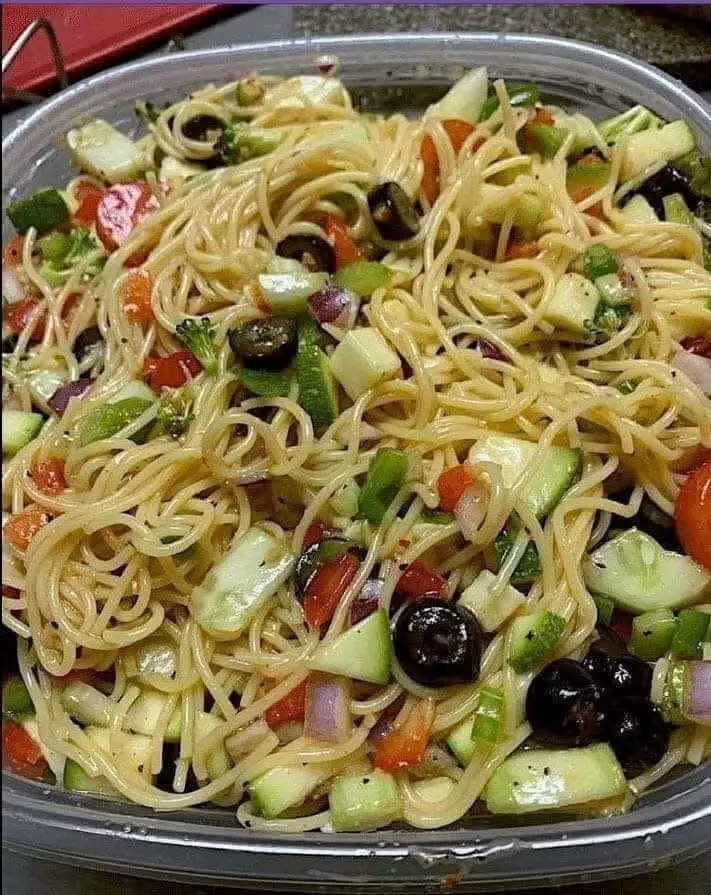
California Spaghetti Salad Recipe

Introduction
If you’re looking for a vibrant, colorful, and crowd‑pleasing dish for your next gathering, backyard barbecue, picnic or simply a refreshing weeknight side, this California spaghetti salad is exactly what you need. With crisp vegetables, tender spaghetti, zesty dressing and plenty of flavor, the recipe brings together the best of summer into one bowl. In this article you’ll learn all you need to know to make the ultimate California spaghetti salad: from ingredient choices, step‐by‐step instructions, tips and tricks, variations, storage and serving suggestions.
Why this California spaghetti salad works so well
This salad works beautifully because it combines a few key elements: a pasta base (in this case spaghetti) which gives substance; fresh vegetables which bring crunch, color and brightness; a flavorful dressing that ties it all together; and the fact that it can be made ahead, chilled, and served cold (which makes it perfect for warm weather and for potlucks). Many versions of this salad call for thin spaghetti broken into pieces, mixed with diced cucumbers, bell peppers, red onion, cherry tomatoes, black olives, and tossed in Italian‐style dressing with seasonings like sesame seeds, poppy seeds, paprika, celery seed and Parmesan cheese.
Because you rinse the cooked pasta in cold water, you stop the cooking process and keep the noodles from becoming mushy. The fresh vegetables offer a contrast in texture and flavor, and the dressing gives tang, herbs and a savory edge. The result: an easy yet impressive dish that works as a side or even a main for light meals.
Ingredients you’ll need
Below is a comprehensive list of the ingredients, along with notes and suggestions so you can adapt based on what you have and your preferences.
For the salad base:
- 1 pound thin spaghetti (or you can use regular spaghetti broken into shorter pieces; some versions suggest breaking into 1‑ or 2‑inch pieces).
- 1 large cucumber, diced or chopped.
- 1 red bell pepper (diced) and optionally a green bell pepper (diced) for color contrast.
- 1 red onion (medium or large), finely diced for flavor.
- 1 cup (or more) cherry or grape tomatoes, halved.
- 1–2 medium zucchini, chopped or diced (optional, but many versions include them).
- 1 (or 2) cans of sliced black olives, drained. The olives add briny flavor and contrast.
- ¼ cup (or to taste) grated Parmesan cheese (or optional if you want vegetarian) to sprinkle over the salad or mix in.
- Optional herbs like fresh parsley (chopped) to garnish and add freshness.
For the dressing:
- A bottle (16 oz) of Italian salad dressing (store‑bought) is used in many classic versions for simplicity.
- Or you can make your own: for instance olive oil + red wine vinegar, Parmesan cheese, sesame seeds, poppy seeds, dried oregano, garlic powder, celery seed, paprika, salt.
- Seasonings such as sesame seeds, poppy seeds, paprika, celery seed, garlic powder.
Equipment & Prep Notes
You’ll want the following equipment and pay attention to a few prep tips:
- Large pot to boil the spaghetti.
- Colander to drain and rinse the pasta.
- Large mixing bowl (big enough to toss pasta + vegetables + dressing).
- A whisk (if you choose to make your own dressing) or a jar with lid.
- Sharp knife and cutting board for chopping vegetables.
- Measuring cups/spoons for ingredients.
- Large serving bowl or several smaller ones depending on your serving plan.
- Refrigeration space: the pasta salad needs chilling time to allow the flavors to meld.
Here are a few prep notes that help ensure a good result:
- Cook the spaghetti until al dente (slightly firm to the bite) to avoid mushiness once chilled.
- After cooking, rinse the pasta under cold water to stop the cooking process and cool it down so it doesn’t continue to soften.
- Dice all the vegetables into uniform sizes so mixing is easier and each bite has a variety of ingredients.
- If using canned olives, be sure to drain them well to avoid extra liquid in the salad.
- If making your own dressing, whisk ahead of time and allow flavors to meld as you prep the other components.
Step‑by‑Step Instructions
Follow these steps to make the California spaghetti salad from start to finish. I’ll include estimated timings and tips to guide you.
- Fill a large pot with water, add a generous amount of salt (for flavor), and bring to a rolling boil.
- Add the spaghetti and cook according to package instructions until al dente (typically around 8‑10 minutes for thin spaghetti). While the pasta cooks, begin chopping your vegetables.
- Drain the cooked spaghetti in a colander and immediately rinse under cold running water (or immerse in an ice bath) to stop cooking and cool the noodles. Shake off excess water and set aside.
- In a large mixing bowl, combine the spaghetti with the chopped vegetables: cucumber, red onion, red and green bell peppers, cherry tomatoes, optional zucchini, and the drained black olives. Add the grated Parmesan cheese and chopped fresh parsley if using.
- If using a store‑bought Italian dressing: simply pour the bottle over the pasta‑vegetable mixture. If making your own dressing: In a small bowl or jar combine olive oil, red wine vinegar, grated Parmesan cheese, sesame seeds, poppy seeds, garlic powder, paprika, celery seed, dried oregano, salt and black pepper. Whisk or shake well. Then pour the dressing over the salad.
- Toss the salad gently but thoroughly so all the strands of spaghetti and vegetable pieces are evenly coated with dressing and cheese. Be careful not to break the pasta pieces too much while mixing.
- Cover the bowl (or transfer to a covered container) and chill the salad in the refrigerator for at least 1‑2 hours, preferably 3 hours or overnight if possible, so flavors meld and develop.
- Just before serving, give the salad a gentle toss again, taste and adjust seasoning (salt & pepper) if needed. Serve cold or at cool room temperature.
Tips & Tricks for Best Results
- Use fresh, crisp vegetables rather than ones that are tired or limp. The crunch factor is important for contrast.
- Don’t skip chilling — this salad improves after resting.
- Keep the pasta separate until slightly cooled so it doesn’t absorb too much dressing too quickly or become mushy.
- Use high quality spaghetti and good dressing — with fewer ingredients the quality of each counts.
- If you’ll serve the salad later in the day (e.g., at a potluck), consider slightly under‑cooking the spaghetti so it retains some texture after chilling.
- If you notice excess liquid after chilling (sometimes the tomatoes or cucumbers release water), drain slightly before serving or give the salad a quick stir and pour off a little liquid.
- For vegetarian/vegan versions: omit Parmesan or use a vegan substitute; choose a vegan Italian dressing. Many blogs note how this salad easily adapts.
- To reduce sogginess, you could toss the vegetables with a little salt and let them sit in a colander for 10 minutes, then pat dry before adding to the pasta.
- Add fresh herbs at the end (like parsley or basil) just before serving for aroma and color.
- If transporting to a picnic, store dressing separately and toss before serving to keep pasta firm.
Variations & Customizations
One of the great things about this California spaghetti salad is how flexible it is. Here are some variation ideas to tailor it to your taste or dietary needs:
- Change the pasta: While thin spaghetti is traditional, you can use fusilli, penne, rotini, farfalle or any pasta you like.
- Add proteins: Grilled chicken strips, shrimp, cubed mozzarella cheese, or even canned tuna can make it a more substantial main dish.
- Change the vegetables: Add zucchini, carrots, broccoli florets, or different colored bell peppers for variety.
- Spice it up: Add red pepper flakes, a splash of hot sauce, or diced jalapeños for heat.
- Cheese switches: Use crumbled feta or goat cheese instead of Parmesan for a tangy twist.
- Dressings: Instead of the classic Italian dressing, use a citrus vinaigrette (lemon or orange), or make a creamy ranch version for a different spin.
- Vegan modification: Omit cheese, use vegan cheese or nutritional yeast, and ensure the dressing is plant‑based.
- Add nuts or seeds: Toasted almonds, sunflower seeds or pumpkin seeds add crunch and nutrition.
- Add fruit: Some versions include mandarin oranges or diced avocado for a fresh twist.
Serving Suggestions
This salad is versatile: serve it as a side dish alongside grilled meats, burgers, hot dogs, or veggie skewers. Or serve it as a main for lunch or light dinner—especially when you add a protein. Here are some serving ideas:
- Serve chilled straight from the fridge on a hot day.
- Garnish with fresh basil leaves or extra shredded Parmesan right before serving.
- Portion into individual cups or jars for potlucks or picnics.
- Pair it with crusty bread, fresh fruit salad and iced tea for a balanced summer meal.
- If served at a buffet, provide a large bowl with tongs and keep a second chilled bowl ready in case the first drains liquid.
Storage & Make‑Ahead
One of the advantages of this salad is that it can be made ahead and stored. Here’s how to handle storage:
- After tossing and chilling, cover the salad and refrigerate. It will keep well for 3‑4 days if stored properly.
- Make it the night before a gathering – it often tastes better the next day after the flavors meld.
- Before serving, if the salad has released some liquid, drain off excess or gently blot. Then toss again.
- Any leftovers should be covered and stored in the fridge. Because of the dressing and pasta, the texture may soften further with time, so plan to consume within 1‑2 days for best texture.
- Avoid freezing — the vegetables and pasta will degrade in texture once thawed.
Nutritional and Health Considerations
This salad offers a blend of carbohydrates from the pasta, fiber and vitamins from vegetables, and savory elements from olives and cheese. A few considerations:
- Use whole grain spaghetti if you want to boost fiber.
- Monitor the amount of dressing if you are watching calories or fat, as Italian dressings can be oil‑based and relatively high in fat.
- Rinse and drain canned olives well to remove excess sodium, or choose low‐sodium varieties.
- Increase the vegetable ratio to pasta for a lighter version.
- Use reduced‑fat cheese or omit cheese for a lighter dish.
- Add lean protein (grilled chicken, turkey, tofu) if using this salad as a main dish to increase satiety.
Common Pitfalls & How to Avoid Them
- Pasta too soft or mushy: Avoid overcooking. Rinse immediately with cold water to stop cooking.
- Vegetables too watery: Tomatoes and cucumbers can release water. Use firmer vegetables or drain extra liquid before mixing.
- Unbalanced dressing: Too little and the salad is dry; too much and it becomes soggy. Start with less, toss, then add more if needed.
- Salad becomes watery overnight: Use less watery vegetables, or dry them before mixing. Store chilled and drain liquid before serving.
- Flavor too flat: Let the salad chill for a few hours so flavors meld. Add extra salt, pepper or herbs as needed just before serving.
- Pasta sticking together: Toss cooked spaghetti with a tiny bit of oil right after rinsing or toss with some dressing early to prevent sticking.
- Too heavy: Use more vegetables and less pasta for a lighter feel.
Detailed Example Recipe – Full Version (serves about 8‑12)
Ingredients:
For the salad:
• 1 lb (about 450 g) thin spaghetti, broken into approximately 1‑2 inch pieces
• 1 large cucumber, diced
• 1 red bell pepper, diced
• 1 green bell pepper, diced
• 1 large red onion, finely diced
• 1 pint (about 2 cups) cherry or grape tomatoes, halved
• 2 medium zucchini, diced (optional but adds color and crunch)
• 2 cans (2.25 oz each) sliced black olives, drained
• ¼ cup grated Parmesan cheese
• ¼ cup finely chopped fresh parsley (optional)
For the dressing:
• 1 (16 oz) bottle Italian salad dressing (store‐bought)
• 1 tablespoon sesame seeds
• 2 teaspoons poppy seeds
• 1 teaspoon paprika
• ½ teaspoon celery seed
• ¼ teaspoon garlic powder
Instructions:
- Bring a large pot of salted water to boil. Add spaghetti pieces and cook until al dente (about 8‑10 minutes, or according to package).
- Drain spaghetti and immediately rinse under cold water to stop the cooking. Drain again thoroughly.
- In a very large bowl, combine the cooled spaghetti, diced cucumber, red and green bell peppers, diced red onion, halved cherry tomatoes, diced zucchini and drained black olives. Sprinkle the grated Parmesan and chopped parsley over the mixture and gently toss to combine.
- In a separate small bowl (or jar), combine the Italian salad dressing, sesame seeds, poppy seeds, paprika, celery seed and garlic powder. Whisk or shake well until evenly blended.
- Pour the dressing over the pasta‑vegetable mixture and toss gently until everything is coated and evenly distributed.
- Cover the bowl and refrigerate at least 2‑3 hours, preferably overnight. The salad tastes best after the flavors have merged.
- Before serving, give the salad a gentle toss again, taste and adjust seasoning (salt & pepper) if needed. Serve in a chilled bowl or on ice if outdoors.
Estimated nutrition per serving (assuming 12 servings): about 250‑300 calories, depending on dressing and cheese amounts.