
Follow Me On Social Media!
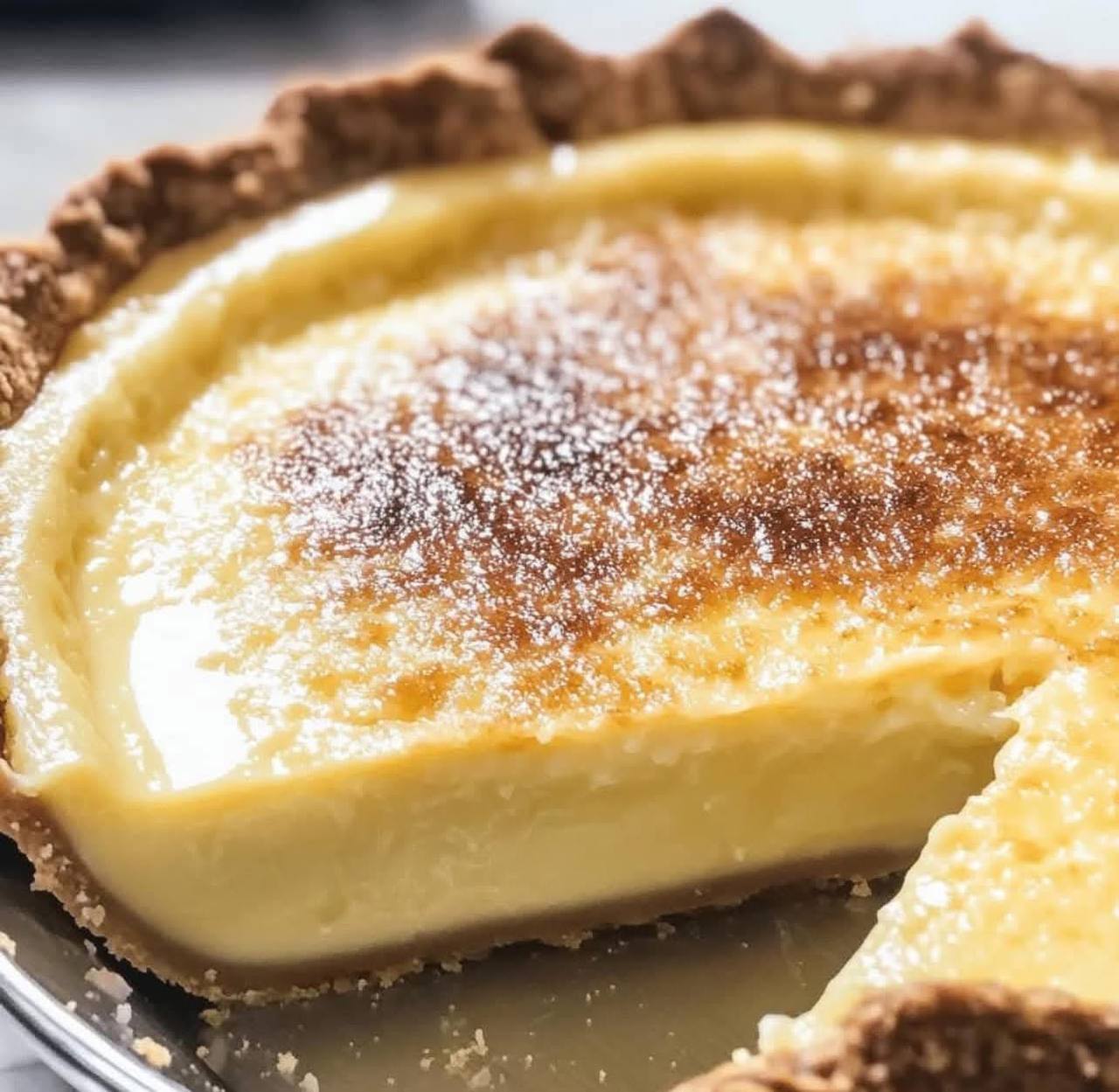
How to Make Classic Egg Custard Pie

Introduction
There are some desserts that transcend trends, remaining steadfast favorites through generations, and the classic egg custard pie is undoubtedly one of them. This humble yet magnificent creation evokes a sense of nostalgia, comfort, and pure, unadulterated deliciousness. Imagine a golden-brown top, hinting at a perfectly baked interior, giving way to a smooth, creamy filling that melts in your mouth with every bite. It’s the kind of dessert that graces holiday tables, brings smiles to family gatherings, and offers a quiet moment of comforting indulgence on a simple weeknight.
What exactly is an egg custard pie? At its heart, it’s a deceptively simple concoction: a rich, sweetened egg-based custard baked in a flaky pie crust. But don’t let its simplicity fool you; achieving that perfect balance of creamy texture, delicate sweetness, and warm spice (typically nutmeg and vanilla) is an art form worth mastering. Unlike fruit pies or chocolate pies, an egg custard pie shines through its elegant restraint, allowing the quality of its core ingredients to truly sing. This isn’t just a dessert; it’s a culinary hug, a taste of tradition, and a testament to the beauty of well-executed fundamentals.
In this comprehensive guide, we’re going to walk you through every step of creating a classic egg custard pie that looks and tastes as incredible as the one pictured. From understanding the vital role each ingredient plays to mastering the art of a flaky crust and achieving that coveted silky-smooth custard, we’ll cover it all. Whether you’re a seasoned baker or just starting your journey, prepare to unlock the secrets to a perfect egg custard pie – a dessert that promises to become a cherished part of your culinary repertoire.
Nutritional Information
Per serving (approximate values):
- Calories: 350
- Protein: 10g
- Carbohydrates: 38g
- Fat: 18g
- Fiber: 1g
- Sodium: 250mg
Ingredients
For the Pie Crust:
- 1 ¼ cups (150g) all-purpose flour, plus more for dusting
- ½ teaspoon salt
- ½ cup (113g) unsalted butter, very cold and cut into ½-inch cubes
- ¼ cup (60ml) ice water, plus more if needed
For the Custard Filling:
- 4 large eggs
- 1 large egg yolk
- ¾ cup (150g) granulated sugar
- ½ teaspoon salt
- 2 cups (480ml) whole milk
- ½ cup (120ml) heavy cream
- 1 ½ teaspoons pure vanilla extract
- ½ teaspoon freshly grated nutmeg, plus more for dusting
Instructions
- Prepare the Pie Crust: In a large bowl, whisk together the flour and salt. Add the cold butter cubes and, using a pastry blender or your fingertips, cut the butter into the flour until the mixture resembles coarse crumbs with some pea-sized pieces of butter remaining.
- Gradually add the ice water, 1 tablespoon at a time, mixing until the dough just comes together. Be careful not to overmix. Form the dough into a disc, wrap tightly in plastic wrap, and refrigerate for at least 30 minutes, or up to 2 days.
- Blind Bake the Crust: Preheat your oven to 400°F (200°C). On a lightly floured surface, roll out the chilled dough into a 12-inch circle. Carefully transfer the dough to a 9-inch pie plate. Trim the edges, leaving about a ½-inch overhang. Fold the overhang under and crimp the edges decoratively.
- Line the pie crust with parchment paper or foil, then fill with pie weights, dried beans, or rice. Bake for 15 minutes. Remove the weights and parchment/foil, then prick the bottom of the crust all over with a fork. Continue baking for another 5-10 minutes, or until the crust is lightly golden brown and set. This prevents a soggy bottom. Remove from oven and reduce oven temperature to 350°F (175°C).
- Prepare the Custard Filling: While the crust is blind-baking, in a medium bowl, whisk together the eggs, egg yolk, granulated sugar, and salt until well combined and slightly frothy.
- In a separate saucepan, gently heat the whole milk and heavy cream over medium-low heat until just simmering around the edges, but do not boil. Remove from heat.
- Temper the Eggs: Slowly pour about half of the warm milk mixture into the egg mixture, whisking constantly to temper the eggs and prevent them from scrambling. Once combined, pour the tempered egg mixture back into the saucepan with the remaining warm milk, whisking continuously.
- Stir in the vanilla extract and ½ teaspoon of freshly grated nutmeg.
- Strain the Custard: For an incredibly silky-smooth custard, strain the entire custard mixture through a fine-mesh sieve into a clean bowl or large measuring cup with a spout. This removes any tiny bits of cooked egg or chalazae, ensuring a perfectly smooth texture.
- Assemble and Bake: Carefully pour the strained custard filling into the warm, blind-baked pie crust.
- Place the pie on a baking sheet. For best results and to prevent cracks, bake the pie in a water bath (bain-marie). To do this, place the baking sheet with the pie into a larger roasting pan. Carefully pour hot water into the roasting pan until it reaches about halfway up the sides of the pie plate.
- Bake for 45-60 minutes, or until the edges of the custard are set, but the center still has a slight wobble when gently shaken. The internal temperature should register 175°F (80°C) when checked with an instant-read thermometer.
- Cool the Pie: Carefully remove the roasting pan from the oven. Allow the pie to cool in the water bath for about 15-20 minutes. Then, carefully remove the pie from the water bath and transfer it to a wire rack. Let it cool completely at room temperature for at least 2-3 hours before refrigerating. This gradual cooling helps prevent cracking.
- Chill and Serve: Once completely cooled, refrigerate the pie for at least 4 hours, or preferably overnight, to allow it to fully set. Dust with additional freshly grated nutmeg or powdered sugar before serving, if desired.
Cooking Tips and Variations
Achieving that picture-perfect, classic egg custard pie is all about attention to detail. For the crust, always use very cold butter and ice water; this creates steam during baking, leading to those coveted flaky layers. Don’t overwork the dough, as this develops gluten and can result in a tough crust. Blind baking is non-negotiable for a crisp bottom; it prevents the custard from making the crust soggy. When it comes to the custard, tempering the eggs is crucial to avoid scrambled bits. Slowly adding warm milk to the eggs while whisking gently raises their temperature without cooking them. Straining the custard mixture is a small step that makes a huge difference in achieving a super silky texture, removing any impurities or tiny egg solids. Lastly, baking in a water bath is your secret weapon against cracks and ensures even, gentle cooking, resulting in a uniformly creamy custard.
While the classic version is undeniably delicious, don’t hesitate to experiment with flavor variations. For a citrusy twist, add 1-2 teaspoons of finely grated lemon or orange zest to the custard mixture. A splash of bourbon (1-2 tablespoons) can add a sophisticated depth of flavor, especially when paired with the vanilla. For a warm spice profile beyond nutmeg, consider adding a pinch of cinnamon or cardamom. If you’re feeling adventurous, you could even try a maple custard pie by substituting some of the granulated sugar with pure maple syrup, adjusting sweetness to taste. For the crust, while a homemade all-butter crust is superior, a good quality store-bought pie crust can be a time-saver. You could also explore a graham cracker crust for a different texture and flavor profile, though it wouldn’t be “classic” egg custard pie.
Storage and Reheating
Once your egg custard pie has fully cooled and set in the refrigerator, it should be covered loosely with plastic wrap or foil. It will keep beautifully in the refrigerator for up to 3-4 days. For optimal texture and flavor, it’s generally best enjoyed within the first 2-3 days. Due to its delicate custard filling, freezing is not recommended as it can alter the texture, making it watery and grainy upon thawing.
Egg custard pie is traditionally served chilled or at cool room temperature. Reheating a whole pie is generally not advised, as it can cause the custard to overcook, crack, or become rubbery. If you prefer a slightly warmer slice, you can gently warm individual slices in the microwave for 15-30 seconds, just until slightly warm to the touch, but be careful not to overheat. Alternatively, you can let a refrigerated slice sit at room temperature for 15-20 minutes before serving to take the chill off. The smooth, creamy texture is best appreciated when the pie is not hot.
Frequently Asked Questions
Why did my custard pie crack?
Cracks in an egg custard pie are usually caused by overbaking or too drastic a change in temperature during cooling. Overbaking causes the proteins in the eggs to seize up and contract, leading to cracks. Cooling too quickly, such as moving it directly from a hot oven to a cold countertop or refrigerator, can also shock the custard and cause it to crack. Using a water bath (bain-marie) during baking and allowing the pie to cool slowly at room temperature before refrigerating are the best ways to prevent cracks.
How do I know when my egg custard pie is done?
The key to a perfectly set custard is knowing when to pull it from the oven. The edges of the custard should appear set and firm, but the center (about a 2-3 inch circle) should still have a slight, gentle wobble when the pie is lightly shaken. The custard will continue to set as it cools. An instant-read thermometer inserted into the center should read around 175°F (80°C).
Can I make egg custard pie ahead of time?
Yes, egg custard pie is an excellent dessert to make ahead! In fact, it tastes even better the next day after the flavors have had a chance to meld and the custard has fully set. You can bake the pie up to 2 days in advance. Once completely cooled, cover it loosely and store it in the refrigerator until ready to serve.
Why is my pie crust soggy?
A soggy pie crust is a common issue, often due to the moisture from the custard seeping into an underbaked crust. The best way to prevent this is by blind baking (or par-baking) your pie crust before adding the filling. This pre-cooks the crust, creating a barrier against moisture. Ensuring your oven is at the correct temperature and not overloading the pie with too much filling can also help.