
Follow Me On Social Media!
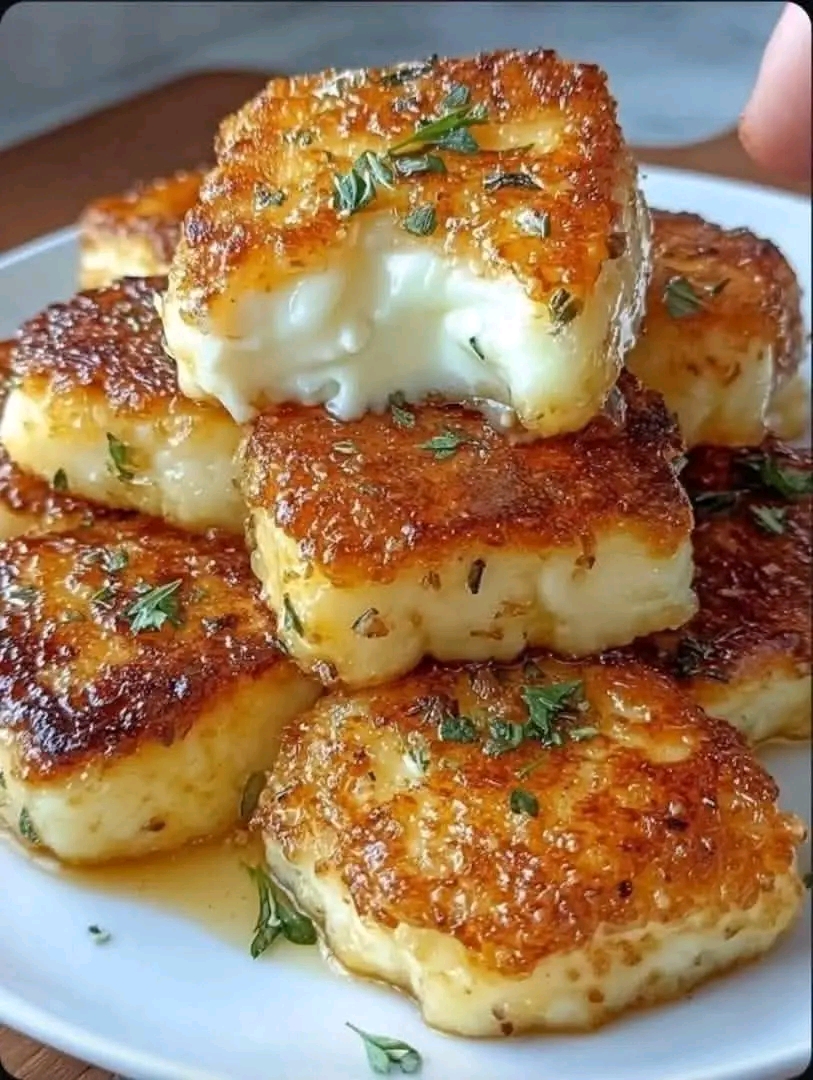
The Ultimate Guide to Pan-Fried Halloumi

Halloumi, a semi-hard, brined cheese originating from Cyprus, has gained enormous popularity for its unique texture and salty flavor. When pan-fried, it develops a golden crust while maintaining its chewy, squeaky interior. This guide will cover everything you need to know about the delicious delight of pan-fried halloumi, including preparation, cooking techniques, serving suggestions, and recipe ideas.
1. Choosing the Right Halloumi
- Quality: Look for high-quality halloumi that is made from sheep’s milk, goat’s milk, or a blend. Quality matters as it affects both taste and texture.
- Freshness: Choose halloumi that is fresh and well-packaged. Avoid packs with excessive water or that appear curdled.
2. Preparing the Halloumi
- Slicing: Cut the halloumi into thick slices, approximately ½ inch (1.2 cm) thick. Thicker slices hold up better while frying and have a nice texture.
- Soaking (optional): For those who prefer a milder taste, soak the slices in water for 15-30 minutes to reduce saltiness. Pat them dry before cooking.
3. Cooking Techniques
- Ingredients Needed:
- Halloumi cheese
- Olive oil or butter (for frying)
- Optional seasoning (paprika, pepper, or herbs)
- Pan-Frying Steps:
- Heat the Pan: Preheat a non-stick skillet or frying pan over medium heat. Add a tablespoon of olive oil or butter.
- Add the Halloumi: Once the oil is hot (but not smoking), carefully place the halloumi slices in the pan. Make sure they are not overcrowded.
- Cook: Fry for about 2-3 minutes on one side until golden brown. Use a spatula to flip and cook the other side for an additional 2-3 minutes.
- Remove and Drain: Once both sides are golden and crispy, transfer the halloumi to a plate lined with paper towels to absorb excess oil.
4. Serving Suggestions
- As a Standalone Snack: Serve warm as a simple snack with lemon wedges on the side.
- Salads: Add pan-fried halloumi to salads for added protein and flavor. Works well in a Mediterranean salad with cucumbers, tomatoes, and olives.
- Sandwiches and Wraps: Use halloumi in sandwiches, wraps, or burgers as a delicious filling.
- Sides: Serve it alongside grilled vegetables, dips, or sauces like tzatziki or chili sauce.
- Platter: Create a mezze platter with halloumi, olives, and roasted vegetables.
5. Flavor Pairings
- Herbs: Fresh herbs like mint, basil, or parsley complement the saltiness of halloumi.
- Fruits: Fruits such as figs, pomegranates, or watermelon make delightful accompaniments.
- Dressing: Drizzle with balsamic vinegar or a lemon-olive oil dressing for added zing.
6. Creative Recipes
- Halloumi Skewers: Skewer chunks of halloumi with cherry tomatoes and bell peppers, then grill them for a beautiful presentation.
- Spicy Halloumi Tacos: Fill taco shells with fried halloumi, shredded cabbage, avocado, and a spicy mayo.
- Halloumi and Vegetable Stir-fry: Toss fried halloumi with bell peppers, zucchini, and a soy sauce glaze for a quick meal.
- Breakfast Dish: Serve fried halloumi with eggs, avocado, toast, and sriracha for a satisfying breakfast.
7. Storage Tips
- Leftovers: Store leftover fried halloumi in an airtight container in the refrigerator for up to 3 days. Reheat in a pan over medium heat to crisp it up again.
- Uncooked Halloumi: Unopened halloumi can stay in the fridge until the expiration date. Once opened, store it submerged in brine or fresh water in the fridge.
Conclusion
Pan-fried halloumi is a versatile cheese that can be enjoyed in various dishes, from salads to sandwiches. Its unique texture and flavor make it a delightful addition to both simple meals and elaborate feasts. With this guide, you’re all set to enjoy all the goodness that fried halloumi has to offer! Happy cooking!