
Follow Me On Social Media!
Restore Your Hearing: A Comprehensive Guide to Ear Drops

Introduction
Hearing loss can significantly impact your daily life, from simple conversations to enjoying your favorite music. Many people seek remedies to restore or improve their hearing ability. One such solution is the use of ear drops. In this article, we’ll explore how to use ear drops effectively for hearing restoration, the common types available, and additional tips to support your ear health.
Understanding Hearing Loss
Common Causes of Hearing Loss
Hearing loss can be caused by various factors, including age, exposure to loud noises, infections, and even genetics. Understanding the underlying cause of your hearing loss is essential for effective treatment.
Types of Hearing Loss
- Conductive Hearing Loss: This type occurs when sound is not conducted efficiently through the outer ear canal to the eardrum and the tiny bones of the middle ear. Causes include earwax buildup, fluid in the middle ear, and ear infections.
- Sensorineural Hearing Loss: This type results from damage to the inner ear or the auditory nerve. It can be caused by aging, exposure to loud sounds, or certain diseases.
The Role of Ear Drops in Restoring Hearing
What Are Ear Drops?
Ear drops are liquid medications specifically formulated for treating ear conditions. They can help manage symptoms related to hearing loss due to various issues, including wax buildup or infections.
Types of Ear Drops
- Cerumenolytic Drops: These drops are designed to soften and break down earwax, making it easier to remove. They often contain ingredients like hydrogen peroxide or carbamide peroxide.
- Antibiotic Drops: If an ear infection is present, antibiotic ear drops can help treat the infection and reduce inflammation.
- Anti-Inflammatory Drops: These drops help alleviate pain and reduce swelling in cases of inflammatory ear conditions.
How to Use Ear Drops Effectively
Step-by-Step Guide
- Consult a Healthcare Professional: Before starting any ear drop treatment, consult a healthcare provider to determine the underlying cause of your hearing issues.
- Read Instructions: Always read the label and instructions on the ear drop bottle carefully to ensure proper use.
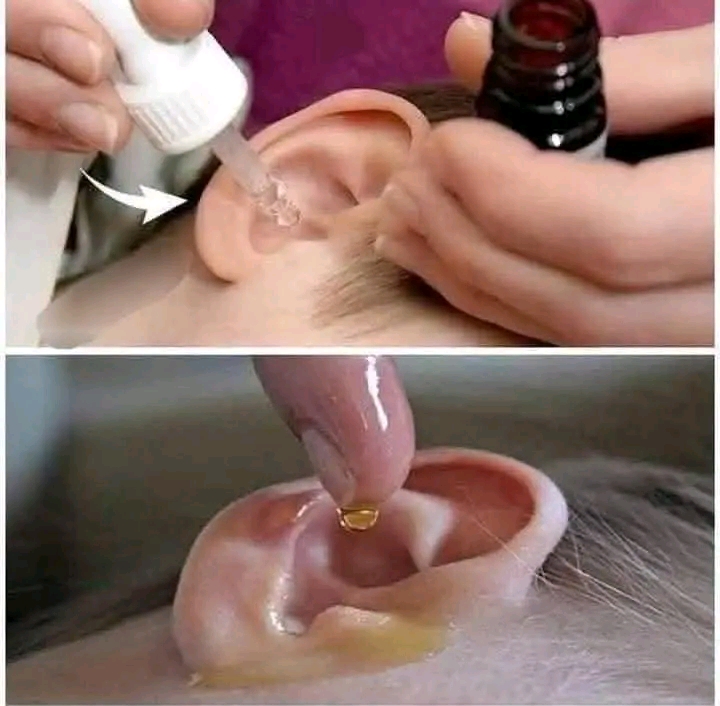
- Positioning: Lie on your side or tilt your head so the affected ear is facing up.
- Administer Drops: Using the dropper, place the recommended number of drops into the ear canal. Avoid inserting the dropper too deeply into the ear.
- Stay in Position: Keep your head tilted for a few minutes to allow the drops to penetrate effectively.
- Wipe Away Excess: If any liquid runs out of your ear, gently wipe it away with a clean cloth.
Tips for Safety
- Never use ear drops if you suspect a perforated eardrum or have experienced severe pain or discharge from the ear.
- Avoid using cotton swabs in your ears, as they can push wax deeper and cause damage.
- Store ear drops in a cool, dry place, away from direct sunlight.
Supporting Your Ear Health
Prevention Tips
- Limit Loud Noise Exposure: Use ear protection in noisy environments and keep the volume at safe levels when using headphones.
- Regular Check-ups: Schedule regular hearing check-ups, especially if you’re at risk for hearing loss.
- Maintain Hygiene: Keep your ears clean by gently washing the outer ear with water, but avoid inserting anything into the ear canal.
Natural Remedies
In addition to ear drops, some people explore natural remedies to support ear health. These may include:
- Warm Compresses: Applying a warm compress can help alleviate pain from ear infections.
- Essential Oils: Some individuals use diluted essential oils like tea tree or garlic oil for their potential antibacterial properties.
Conclusion
While ear drops can be an effective part of managing hearing loss or ear issues, it’s essential to use them safely and appropriately. Always consult a healthcare professional to understand your specific hearing needs and ensure you’re using the right treatment. In addition to medical interventions, adopting preventive measures and maintaining ear health can contribute to a better quality of life and help preserve your hearing ability for years to come. Don’t let hearing loss hold you back; take proactive steps to restore your hearing today!