Follow Me On Social Media!
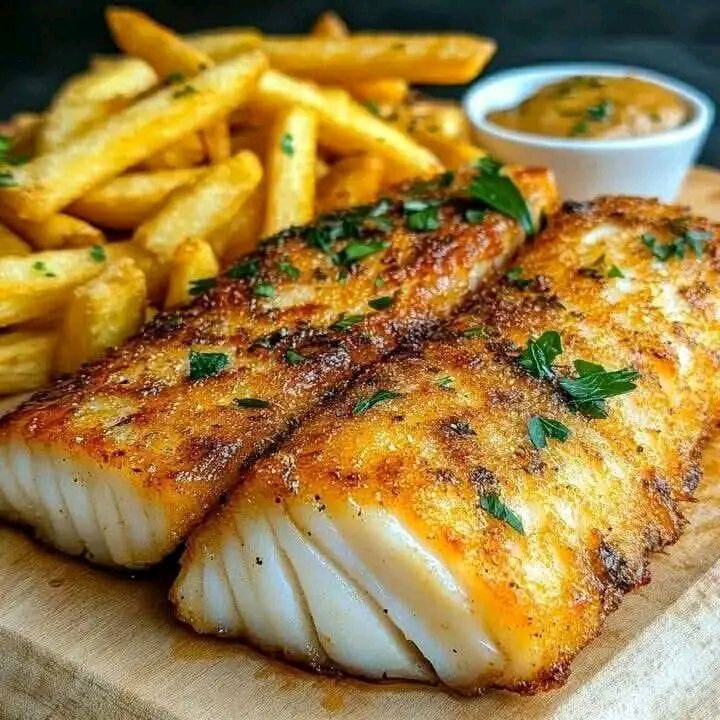
Grilled Fish with Crispy Fries

Introduction
Imagine the perfect harmony of flavors and textures: tender, flaky grilled fish, kissed with a smoky char and vibrant seasonings, alongside a generous pile of golden, impossibly crispy fries. This isn’t just a meal; it’s an experience, a culinary embrace that satisfies the soul and delights the palate. Our Grilled Fish with Crispy Fries recipe brings this dream to your dinner table, offering a dish that’s both comforting and elegant, a true testament to how simple, quality ingredients can create something extraordinary.
This classic pairing is a perennial favorite for good reason. It’s incredibly versatile, making it ideal for a quick weeknight dinner when you crave something satisfying yet straightforward, or a casual gathering with friends where good food and good company are the main ingredients. Forget the takeout; with our detailed guide, you’ll achieve restaurant-quality results in your own kitchen, impressing everyone with your culinary prowess and the sheer deliciousness of this homemade creation.
Get ready to master the art of perfectly grilled fish – whether you’re using an outdoor grill, a grill pan, or even pan-searing – and craft fries that boast that coveted crunch on the outside and fluffy interior. We’ll walk you through every step, from selecting the freshest fish and potatoes to seasoning techniques and crucial cooking tips, ensuring that every bite is a celebration of flavor and texture. Plus, we’ll offer an optional, but highly recommended, dipping sauce to elevate your meal to new heights. Let’s get cooking!
Nutritional Information
Per serving (approximate values):
- Calories: 650
- Protein: 45g
- Carbohydrates: 55g
- Fat: 28g
- Fiber: 6g
- Sodium: 850mg
Ingredients
For the Grilled Fish:
- 4 (6-ounce) white fish fillets (such as cod, haddock, tilapia, or pollock), about 1-inch thick
- 2 tablespoons olive oil, plus more for grill grates
- 1 teaspoon smoked paprika
- 1/2 teaspoon garlic powder
- 1/2 teaspoon onion powder
- 1/4 teaspoon cayenne pepper (optional, for a kick)
- 1 teaspoon dried oregano
- 1/2 teaspoon salt
- 1/4 teaspoon black pepper
- 2 tablespoons fresh parsley, finely chopped, for garnish
- Lemon wedges, for serving
For the Crispy Fries:
- 3 large russet potatoes (about 2.5 lbs)
- 6-8 cups vegetable oil, canola oil, or peanut oil, for deep frying (or 2 tablespoons olive oil for oven/air frying)
- 1 teaspoon salt, plus more to taste
For the Creamy Herb Dipping Sauce (Optional, but highly recommended):
- 1/2 cup mayonnaise
- 2 tablespoons plain Greek yogurt or sour cream
- 1 tablespoon fresh lemon juice
- 1 tablespoon fresh dill, finely chopped
- 1 tablespoon fresh chives, finely chopped
- 1/2 teaspoon garlic powder
- 1/4 teaspoon salt
- Pinch of black pepper
Instructions
Part 1: Preparing the Fish
- Pat Dry: Gently pat the fish fillets very dry with paper towels. This is crucial for achieving a good sear and preventing sticking.
- Season the Fish: In a small bowl, combine the smoked paprika, garlic powder, onion powder, cayenne pepper (if using), dried oregano, salt, and black pepper.
- Coat the Fish: Drizzle the fish fillets with 2 tablespoons of olive oil, ensuring they are lightly coated. Then, sprinkle the seasoning mixture evenly over both sides of each fillet, gently pressing it in to adhere.
- Rest: Allow the seasoned fish to rest at room temperature for 10-15 minutes while you prepare the fries and preheat your grill.
Part 2: Making the Crispy Fries
- Prepare Potatoes: Wash and peel the russet potatoes. Cut each potato lengthwise into 1/4 to 1/2-inch thick slices, then cut those slices into 1/4 to 1/2-inch thick sticks. Aim for uniform size for even cooking.
- Soak Potatoes: Place the cut potato sticks into a large bowl and cover them with cold water. Let them soak for at least 30 minutes, or up to 2 hours, to remove excess starch. This step is key for crispiness.
- Dry Potatoes Thoroughly: Drain the potatoes completely. Spread them out in a single layer on a clean kitchen towel or several layers of paper towels. Pat them absolutely dry. Any residual moisture will cause oil to splatter and prevent crisping.
- Choose Your Cooking Method:
- For Deep Frying (Recommended for Ultimate Crispiness):
- Heat Oil: In a large, heavy-bottomed pot or Dutch oven, pour 6-8 cups of vegetable oil (or enough to submerge the fries) and heat over medium-high heat to 300°F (150°C). Use a candy/deep-fry thermometer to monitor the temperature.
- First Fry: Carefully add about a third of the dried potato sticks to the hot oil. Do not overcrowd the pot, as this will lower the oil temperature and result in soggy fries. Fry for 5-7 minutes, until the fries are soft and slightly cooked through but not yet browned. They should be limp.
- Drain: Remove the fries with a slotted spoon or spider and transfer them to a wire rack set over a baking sheet to drain excess oil. Repeat with the remaining batches of potatoes. Let the fries cool for at least 10-15 minutes (or up to a few hours at room temperature).
- Second Fry (for extra crispiness): Increase the oil temperature to 375°F (190°C). Return the cooled, partially fried potatoes to the hot oil in batches. Fry for 3-5 minutes, or until golden brown and gloriously crispy.
- Season Immediately: Remove the crispy fries from the oil, transfer to the wire rack, and immediately sprinkle generously with salt.
- For Air Frying:
- Preheat Air Fryer: Preheat your air fryer to 375°F (190°C).
- Toss with Oil: In a large bowl, toss the thoroughly dried potato sticks with 1-2 tablespoons of olive oil and a pinch of salt.
- Air Fry: Arrange the fries in a single layer in the air fryer basket, working in batches if necessary to avoid overcrowding. Air fry for 15-20 minutes, shaking the basket every 5 minutes, until golden brown and crispy. Cooking time may vary by air fryer model.
- Season: Season immediately with more salt after cooking.
- For Oven Baking:
- Preheat Oven: Preheat your oven to 425°F (220°C). Line a large baking sheet with parchment paper for easier cleanup.
- Toss with Oil: In a large bowl, toss the thoroughly dried potato sticks with 2 tablespoons of olive oil and a pinch of salt.
- Bake: Spread the fries in a single layer on the prepared baking sheet. Bake for 30-40 minutes, flipping halfway through, until golden brown and crispy.
- Season: Season immediately with more salt after cooking.
- For Deep Frying (Recommended for Ultimate Crispiness):
Part 3: Grilling the Fish
- Preheat Grill: Preheat your outdoor grill to medium-high heat (about 400-450°F / 200-230°C). If using a grill pan, heat it over medium-high heat until very hot.
- Oil Grates: Clean the grill grates with a wire brush. Lightly oil the grates by dipping a folded paper towel in a little olive oil and carefully rubbing it over the hot grates using tongs. This helps prevent sticking.
- Grill Fish: Carefully place the seasoned fish fillets on the hot, oiled grates. Grill for 3-5 minutes per side, depending on the thickness of the fillet, until the fish is opaque throughout and flakes easily with a fork. You should see nice grill marks. Avoid overcooking, as fish can dry out quickly.
- Check Doneness: The internal temperature should reach 145°F (63°C).
- Remove from Grill: Carefully remove the grilled fish from the grates and transfer to a serving platter.
Part 4: Preparing the Dipping Sauce (If Using)
- Combine Ingredients: In a small bowl, whisk together the mayonnaise, Greek yogurt (or sour cream), fresh lemon juice, chopped dill, chopped chives, garlic powder, salt, and black pepper until smooth and well combined.
- Taste and Adjust: Taste the sauce and adjust seasonings as needed.
Part 5: Assembly and Serving
- Plate the Dish: Arrange the grilled fish fillets on individual plates.
- Add Fries: Pile a generous serving of crispy fries next to the fish.
- Garnish: Sprinkle the chopped fresh parsley over the grilled fish. Serve with lemon wedges for squeezing over the fish and the creamy herb dipping sauce on the side.
- Enjoy: Serve immediately and savor every delicious bite!
Cooking Tips and Variations
Choosing the Right Fish:
For grilling, choose firm, white, flaky fish fillets that are at least 1-inch thick. Cod, haddock, tilapia, pollock, snapper, or even salmon (though not white fish) work wonderfully. Always check for freshness: the fish should have a mild, oceanic smell, clear eyes (if whole), and firm flesh that springs back when gently pressed. Avoid any fish with a strong, “fishy” odor.
Achieving Crispy Fries:
- Soaking is Key: Don’t skip soaking the potatoes. It removes surface starches, which are the enemy of crispiness.
- Thorough Drying: This cannot be emphasized enough. Wet potatoes will steam rather than fry, leading to soggy results and dangerous oil splatters.
- Oil Temperature: For deep-frying, maintaining the correct oil temperature is vital. Too low, and fries absorb too much oil and become greasy; too high, and they burn on the outside before cooking through. A thermometer is your best friend.
- Don’t Overcrowd: Whether deep-frying, air-frying, or oven-baking, cook fries in batches. Overcrowding lowers the temperature and prevents even cooking and crisping.
- Double Fry: For the absolute crispiest deep-fried fries, the two-stage frying method (lower temperature first, then higher temperature) is a game-changer.
- Season Immediately: Salt adheres best to fries while they are hot and still have a bit of oil on them.
Grilling Fish to Perfection:
- Hot Grill, Oiled Grates: A hot grill (or grill pan) with well-oiled grates is essential to prevent the fish from sticking.
- Don’t Flip Too Soon: Let the fish cook undisturbed for a few minutes until it naturally releases from the grates. If it sticks, it’s likely not ready to flip.
- Don’t Overcook: Fish cooks quickly. Overcooked fish becomes dry and tough. Look for opaque flesh that flakes easily with a fork.
Flavor Boosters & Variations:
- Fish Marinades: Instead of a dry rub, marinate your fish for 20-30 minutes in a mixture of olive oil, lemon juice, garlic, and fresh herbs like dill or parsley.
- Spice Blends: Experiment with different spice blends for the fish. Cajun seasoning, lemon-pepper, or even a simple herb blend with thyme and rosemary can be delicious.
- Alternative Dipping Sauces:
- Classic Tartar Sauce: Mayonnaise, chopped pickles/gherkins, capers, lemon juice, and fresh dill.
- Spicy Aioli: Mayonnaise, sriracha or hot sauce, garlic, and lime juice.
- Malt Vinegar: A traditional accompaniment to fish and chips, especially for those who love a tangy kick to their fries.
- Healthier Alternatives:
- Baked or Air-Fried Fish: Season fish as directed, then bake at 400°F (200°C) for 12-15 minutes or air fry at 375°F (190°C) for 10-12 minutes, until cooked through.
- Sweet Potato Fries: A delicious and slightly healthier alternative to russet potato fries. Follow the same methods for air frying or oven baking.
- Serving Suggestions:
- Fresh Salad: A crisp green salad with a light vinaigrette provides a refreshing contrast.
- Coleslaw: Creamy coleslaw is a classic pairing.
- Steamed Vegetables: Asparagus or green beans offer a simple, healthy side.
Storage and Reheating
While this dish is best enjoyed fresh, you can store leftovers and reheat them.
Storage:
Store leftover grilled fish and fries separately in airtight containers in the refrigerator. The fish will last for 2-3 days, and the fries for 1-2 days. Note that the fries will lose much of their crispness once refrigerated.
Reheating:
- For Fish: Gently reheat grilled fish in a preheated oven at 275°F (135°C) for 10-15 minutes, or until just warmed through, to prevent it from drying out. You can also microwave it briefly, but this may alter the texture.
- For Fries: To revive crispy fries, avoid the microwave!
- Oven: Spread fries in a single layer on a baking sheet and reheat in a preheated oven at 400°F (200°C) for 8-12 minutes, or until crispy again.
- Air Fryer: Reheat in an air fryer at 375°F (190°C) for 5-8 minutes, shaking the basket occasionally, until hot and crispy.
- Skillet: Heat a dry skillet over medium-high heat and add the fries in a single layer. Cook, stirring occasionally, until hot and crisp.
Frequently Asked Questions
What type of fish is best for grilling?
Firm, white fish fillets that are at least 1-inch thick are ideal for grilling as they hold their shape well and don’t fall apart easily. Excellent choices include cod, haddock, tilapia, pollock, snapper, or halibut. Look for fresh fillets with a mild smell and firm flesh.
How do I prevent the fish from sticking to the grill?
Several factors contribute to preventing sticking: ensure your grill grates are clean, preheat the grill to the proper temperature (medium-high), and most importantly, lightly oil the hot grates before placing the fish. Additionally, patting the fish dry and not flipping it too soon (let it cook until it naturally releases) will help prevent sticking.
Can I make the fries ahead of time?
You can prepare the potatoes by cutting and soaking them in cold water up to several hours in advance. Store them in the refrigerator in the water. Remember to drain and thoroughly dry them just before frying. If deep-frying, you can also perform the first fry (at 300°F) in advance, cool the fries, and then do the second high-temperature fry just before serving for ultimate crispiness.
Is there a way to make this dish healthier?
Absolutely! You can significantly reduce the fat content by baking or air-frying both the fish and the fries instead of deep-frying. For the fish, simply season and bake or air fry as directed in the “Healthier Alternatives” section. For the fries, toss them with just a tablespoon or two of oil and then bake or air fry until crispy. You can also opt for sweet potato fries for added nutrients.