Follow Me On Social Media!
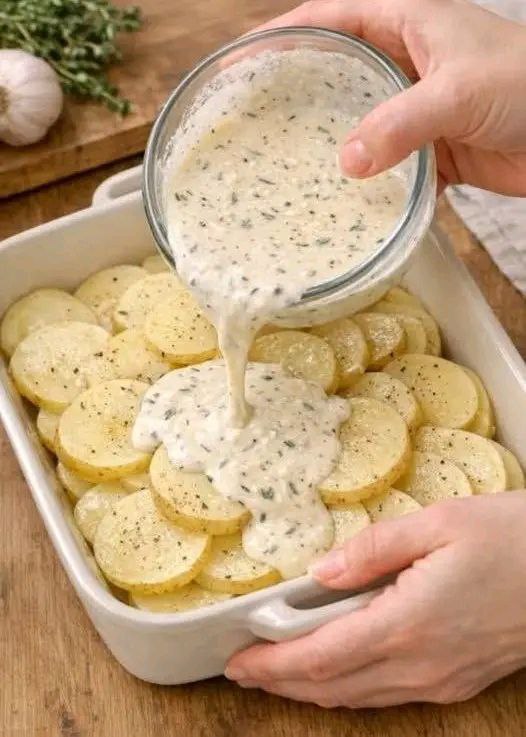
Creamy Herb Scalloped Potatoes

Introduction
There are some dishes that just speak to the soul, and creamy herb scalloped potatoes are undoubtedly one of them. Imagine layers of thinly sliced, tender potatoes bathed in a rich, velvety cream sauce, infused with aromatic garlic and fresh herbs, then baked until golden, bubbly, and utterly irresistible. This isn’t just a side dish; it’s a culinary hug, a comforting classic that elevates any meal it graces. Whether it’s the centerpiece of your holiday feast, a cherished family dinner tradition, or a special occasion showstopper, these scalloped potatoes promise a symphony of flavors and textures that will leave everyone asking for more.
What makes our Creamy Herb Scalloped Potatoes truly special is the harmonious blend of simple, high-quality ingredients transformed into something extraordinary. The natural starchiness of the potatoes works in perfect concert with the dairy to create an unbelievably smooth and luxurious sauce, while the fresh herbs like thyme and the pungent warmth of garlic cut through the richness, adding a bright, earthy dimension. It’s a dish that looks impressive but is surprisingly straightforward to prepare, making it accessible for home cooks of all skill levels. Get ready to impress your taste buds and your guests with this timeless comfort food masterpiece.
Prepare yourself for a culinary journey that delivers on every front: flavor, texture, and pure comfort. Our recipe guides you through each step, ensuring a perfect outcome every time. From selecting the ideal potatoes to crafting the silken sauce and achieving that coveted golden-brown crust, we’ll help you unlock the secrets to the ultimate creamy herb scalloped potatoes. This dish is more than just food; it’s an experience, a memory in the making, and a testament to the simple joy of good cooking.
Nutritional Information
Per serving (approximate values):
- Calories: 380
- Protein: 10g
- Carbohydrates: 45g
- Fat: 18g
- Fiber: 5g
- Sodium: 450mg
Ingredients
- 3 pounds Yukon Gold or Russet potatoes, peeled and thinly sliced (about 1/8-inch thick)
- 2 tablespoons unsalted butter
- 3 cloves garlic, minced
- 1 teaspoon fresh thyme leaves, chopped (or 1/2 teaspoon dried thyme)
- 1/2 teaspoon fresh rosemary, chopped (optional, or 1/4 teaspoon dried rosemary)
- 1/4 cup all-purpose flour
- 2 cups whole milk, warmed
- 1 cup heavy cream, warmed
- 1 teaspoon salt, plus more for seasoning potato layers
- 1/2 teaspoon black pepper, freshly ground, plus more for seasoning potato layers
- 1/4 teaspoon ground nutmeg (optional, but highly recommended)
- 1 cup shredded Gruyère cheese (or sharp cheddar, white cheddar, or a blend), divided
- Fresh parsley or chives, chopped, for garnish (optional)
Instructions
- Prepare the Potatoes: Preheat your oven to 375°F (190°C). Lightly grease a 9×13-inch baking dish with butter or cooking spray. Peel the potatoes and slice them very thinly and uniformly, about 1/8-inch thick. A mandoline slicer is highly recommended for consistent results, which ensures even cooking. If slicing by hand, take your time to make them as uniform as possible. Place the sliced potatoes in a large bowl and set aside.
- Make the Creamy Herb Sauce: In a medium saucepan, melt the 2 tablespoons of unsalted butter over medium heat. Add the minced garlic, chopped fresh thyme, and optional rosemary. Sauté for 1-2 minutes until fragrant, being careful not to burn the garlic.
- Thicken the Sauce: Sprinkle the all-purpose flour over the garlic and herbs in the saucepan. Whisk continuously for 1 minute to create a roux. This will help thicken the sauce.
- Add Liquids and Seasonings: Gradually whisk in the warmed whole milk and heavy cream, a little at a time, to prevent lumps. Continue whisking constantly until the sauce begins to thicken and coats the back of a spoon, about 5-7 minutes. Bring to a gentle simmer, but do not boil vigorously.
- Season the Sauce: Remove the saucepan from the heat. Stir in 1 teaspoon of salt, 1/2 teaspoon of freshly ground black pepper, and the optional 1/4 teaspoon of ground nutmeg. Taste and adjust seasoning as needed. The sauce should be well-seasoned, as the potatoes will absorb some of the flavor.
- Layer the Potatoes: Arrange a single layer of about one-third of the thinly sliced potatoes in the bottom of the prepared baking dish, slightly overlapping them. Season lightly with a pinch of salt and pepper.
- Add Sauce and Cheese: Pour about one-third of the creamy herb sauce evenly over the potato layer. Sprinkle with about one-third of the shredded Gruyère cheese.
- Repeat Layers: Repeat the layering process two more times: another layer of potatoes, seasoned with salt and pepper, followed by another third of the sauce and cheese. Finish with the remaining layer of potatoes, the rest of the sauce, and the remaining cheese on top. Ensure the top layer of potatoes is mostly covered by the sauce to prevent drying out.
- Bake the Scalloped Potatoes: Cover the baking dish tightly with aluminum foil. Bake in the preheated oven for 45 minutes to 1 hour, or until the potatoes are tender when pierced with a fork.
- Brown the Top: Remove the foil and continue baking for another 20-30 minutes, or until the top is golden brown and bubbly, and the sauce is thickened. If the top is browning too quickly, you can loosely cover it again.
- Rest and Serve: Once baked, remove the dish from the oven and let it rest for 10-15 minutes before serving. This allows the sauce to set and makes for easier serving. Garnish with fresh parsley or chives, if desired.
Cooking Tips and Variations
For truly exceptional Creamy Herb Scalloped Potatoes, attention to a few key details can make all the difference. Firstly, potato selection and uniform slicing are paramount. Waxy to all-purpose potatoes like Yukon Gold or Red Bliss work best as they hold their shape well and provide a creamy texture without becoming mushy. Russets can also be used, but they tend to be starchier, so a quick rinse after slicing can help prevent excess stickiness. The most crucial tip is to slice them uniformly, about 1/8-inch thick. This ensures every slice cooks at the same rate, resulting in a consistently tender dish. A mandoline slicer is a game-changer here, offering precision and speed that is hard to achieve with a knife alone. If you don’t have one, take your time and aim for consistency.
To prevent sticking and ensure easy cleanup, always grease your baking dish thoroughly. Butter is excellent as it also imparts a subtle flavor. For the sauce, achieving ultimate creaminess means avoiding lumps. When adding the warmed milk and cream to the roux, pour it in slowly while continuously whisking. This gradual addition helps emulsify the sauce smoothly. Warming the milk and cream beforehand also helps prevent the sauce from seizing and speeds up the thickening process. Don’t skip the nutmeg; even a tiny pinch enhances the dairy flavors without making the dish taste overtly like nutmeg.
Flavor variations offer endless possibilities to customize this dish. For different cheeses, consider a sharp white cheddar for a tangier profile, or a blend of Parmesan and mozzarella for a more Italian-inspired twist. Smoked Gouda would add a wonderfully deep, smoky note. Experiment with other herbs; fresh sage pairs beautifully with potatoes, or a touch of dill could offer a lighter, brighter flavor. For a richer, more decadent taste, you could add a layer of crispy cooked bacon or ham between the potato layers. A pinch of cayenne pepper or a dash of hot sauce in the cream sauce can introduce a subtle warmth and kick, balancing the richness. You can also add thinly sliced onions or leeks to the potato layers for an extra layer of aromatic flavor. For a slightly lighter version, you can substitute some of the heavy cream with half-and-half, though it might reduce the overall richness.
When it comes to make-ahead and storage, these scalloped potatoes are quite forgiving. You can assemble the entire dish up to 24 hours in advance. Cover it tightly with plastic wrap and refrigerate. When ready to bake, let it sit at room temperature for about 30 minutes before baking, and you might need to add an extra 15-20 minutes to the total baking time since it’s starting from cold. Leftovers should be stored in an airtight container in the refrigerator for up to 3-4 days. They reheat beautifully in the oven at 300°F (150°C) until warmed through, or in a microwave, though the texture might be slightly softer. A splash of milk or cream can be added before reheating if the sauce has thickened too much.
Remember, the goal is tender potatoes, a luscious, well-seasoned sauce, and a golden, bubbly top. Don’t be afraid to taste the sauce before adding it to the potatoes and adjust seasonings as needed. The potatoes themselves will absorb a lot of the salt and flavor. Finally, allowing the dish to rest for 10-15 minutes after baking is crucial. This helps the sauce set up, preventing a runny mess and allowing for cleaner, more defined servings. It’s a small step that makes a big difference in presentation and texture.
Storage and Reheating
Proper storage and reheating are key to enjoying your Creamy Herb Scalloped Potatoes long after they’ve first come out of the oven. To store leftovers, allow the dish to cool completely to room temperature. Once cooled, transfer any remaining scalloped potatoes to an airtight container. This will help prevent them from drying out and absorbing other refrigerator odors. Store the container in the refrigerator for up to 3-4 days. For longer storage, you can freeze individual portions by wrapping them tightly in plastic wrap and then placing them in a freezer-safe bag or container. Frozen scalloped potatoes can last for up to 2-3 months, though the texture of the potatoes may become slightly softer upon thawing.
When it comes to reheating, the oven is generally the best method for maintaining the dish’s integrity and texture. Preheat your oven to 300°F (150°C). Place the leftovers in an oven-safe dish, cover it loosely with aluminum foil to prevent the top from browning further or drying out, and bake for 20-30 minutes, or until thoroughly heated through. If the sauce seems a bit dry, you can add a tablespoon or two of milk or cream before reheating. For a quicker option, individual portions can be reheated in the microwave. Place a serving on a microwave-safe plate, cover it with a microwave-safe lid or damp paper towel, and heat on medium power for 2-3 minutes, stirring halfway through, until hot. Be aware that microwave reheating may alter the texture slightly, making the potatoes a bit softer and the sauce less creamy than when freshly baked.
Frequently Asked Questions
Can I prepare the potatoes ahead of time?
Yes, you can prepare the potatoes ahead of time, but with a slight modification. If you slice them more than an hour or two in advance, place the sliced potatoes in a bowl of cold water to prevent them from oxidizing and turning brown. Drain them very well and pat them dry with paper towels before layering them in the baking dish. You can also assemble the entire dish (potatoes, sauce, and cheese) up to 24 hours in advance, cover it tightly, and refrigerate. Allow it to come to room temperature for about 30 minutes before baking, and expect the baking time to be slightly longer.
Why are my scalloped potatoes watery?
Several factors can lead to watery scalloped potatoes. The most common reasons include not allowing the sauce to thicken enough before adding it to the potatoes, using too much milk or cream in relation to the flour, or not baking the dish long enough. Also, some potatoes release more water than others; ensuring your potatoes are patted dry after slicing can help. Resting the dish for 10-15 minutes after baking is crucial as it allows the sauce to set and reabsorb any excess liquid, preventing a watery consistency when serving.
What kind of potatoes are best for scalloped potatoes?
For creamy herb scalloped potatoes, waxy to all-purpose potatoes like Yukon Gold or Red Bliss are highly recommended. They have a medium starch content, which helps thicken the sauce while still holding their shape beautifully during baking, resulting in a tender, creamy texture. Russet potatoes can also be used, but they are starchier and can sometimes lead to a slightly mushier texture if not handled carefully. Avoid very waxy potatoes like new potatoes, as they tend to be too firm and don’t absorb the sauce as well.
Can I add other vegetables to this dish?
Absolutely! This recipe is quite versatile. Thinly sliced onions or leeks are excellent additions, providing an extra layer of savory flavor. You can sauté them with the garlic before adding the flour to the sauce. Other vegetables like thinly sliced carrots, parsnips, or even spinach could be incorporated, though they might release additional moisture, so adjust baking time or sauce consistency as needed. Just be sure to slice them thinly so they cook evenly with the potatoes.