Follow Me On Social Media!
delicious cake

Introduction
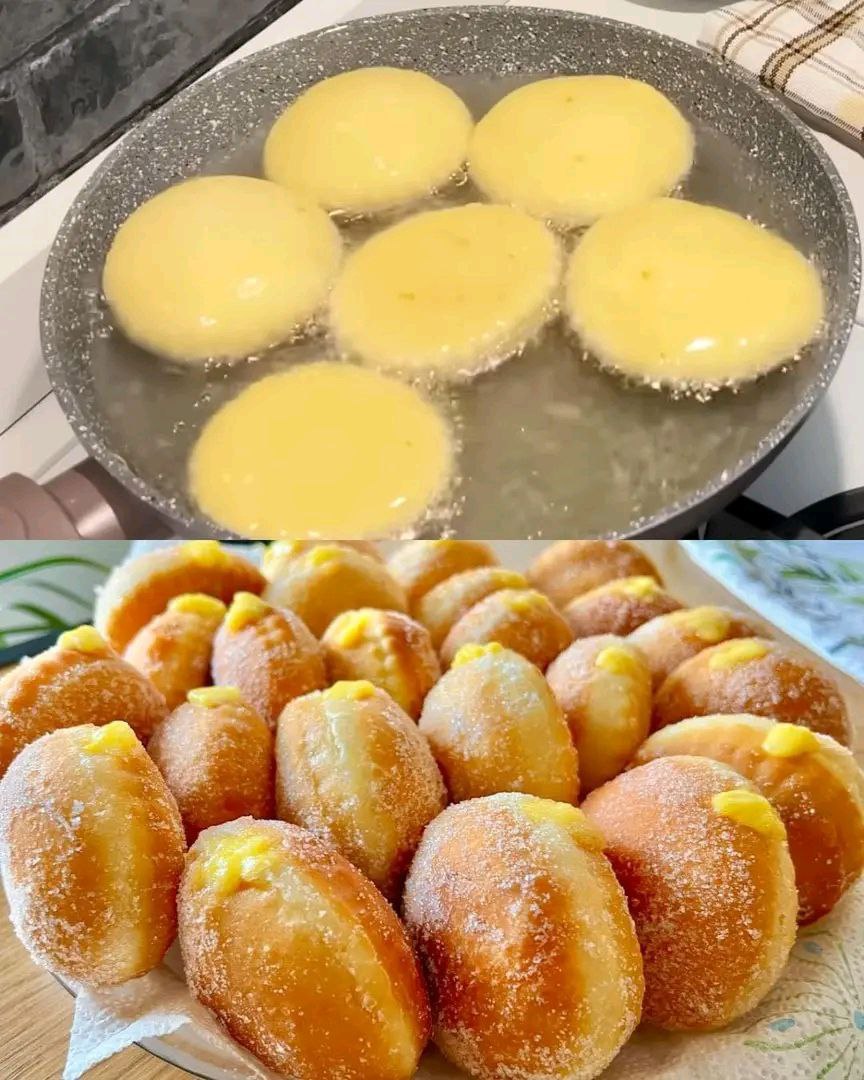
Forget everything you thought you knew about “delicious cake” because today, we’re diving headfirst into a classic treat that, while not technically a cake, delivers every bit of that sweet, comforting deliciousness: the cream-filled doughnut! Imagine sinking your teeth into a cloud-like, golden-fried dough, perfectly crisp on the outside and impossibly soft within, dusted generously with sparkling sugar. Then, the magic happens – your mouth encounters a luscious, velvety cream filling, rich and sweet, that oozes out with every bite. It’s a sensory explosion, a symphony of textures and flavors that transports you straight back to childhood bakeries and happy memories.
These aren’t just any doughnuts; these are the kind that make you close your eyes in pure bliss. While they might seem like a daunting task reserved for professional bakers, I’m here to tell you that crafting these beauties at home is far more achievable than you might think. Our recipe guides you through every step, transforming simple ingredients into an extraordinary indulgence. From the moment the yeast awakens to the golden sizzle in the hot oil, to the final, triumphant piping of the creamy filling, you’ll be amazed at the masterpiece you create.
What makes cream-filled doughnuts so universally adored? It’s that perfect balance. The slight chewiness of the fried dough, the satisfying crunch of the sugar coating, and the smooth, cool sweetness of the custard-like filling. This recipe celebrates that classic combination, offering a treat that’s perfect for a special breakfast, an afternoon pick-me-up, or a delightful dessert. And once you master the basic technique, the possibilities for customization are endless – different fillings, glazes, or even a sprinkle of spice. Get ready to embark on a delicious journey that will have everyone asking for more!
Nutritional Information
Per serving (approximate values):
- Calories: 380-450
- Protein: 7g
- Carbohydrates: 50g
- Fat: 25g
- Fiber: 1g
- Sodium: 220mg
Ingredients
For the Doughnuts:
- 2 ¼ teaspoons (1 packet) active dry yeast
- ½ cup warm milk (105-115°F / 40-46°C)
- ¼ cup granulated sugar, plus 1 tablespoon
- 1 teaspoon salt
- 2 large eggs, at room temperature
- ¼ cup unsalted butter, melted and cooled
- 3 ½ to 4 cups all-purpose flour, plus more for dusting
- 6-8 cups neutral oil for frying (vegetable, canola, or peanut oil)
For the Cream Filling:
- 1 ½ cups whole milk
- ½ cup granulated sugar
- ¼ cup cornstarch
- 3 large egg yolks
- 2 tablespoons unsalted butter, softened
- 1 teaspoon vanilla extract
For the Coating:
- 1 ½ cups granulated sugar
Instructions
A. Preparing the Dough:
- In a large bowl or the bowl of a stand mixer fitted with the dough hook, combine the warm milk and 1 tablespoon of granulated sugar. Sprinkle the active dry yeast over the top and let it sit for 5-10 minutes, or until foamy. This indicates the yeast is active.
- Add the remaining ¼ cup granulated sugar, salt, eggs, and melted butter to the yeast mixture. Mix until well combined.
- Gradually add 3 ½ cups of the all-purpose flour, mixing on low speed (or by hand with a wooden spoon) until a shaggy dough forms. Increase the speed to medium-low and knead for 5-7 minutes, or until the dough is smooth, elastic, and pulls away from the sides of the bowl. If the dough is too sticky, add the remaining flour a tablespoon at a time until it reaches the desired consistency.
- Lightly grease a clean bowl with a little oil. Place the dough in the bowl, turning it once to coat. Cover the bowl tightly with plastic wrap or a clean kitchen towel.
- Let the dough rise in a warm place for 1 to 1 ½ hours, or until it has doubled in size.
- Once risen, gently punch down the dough to release the air. Turn the dough out onto a lightly floured surface.
- Roll the dough out to about ½-inch thickness. Using a 3-inch round cutter (or a drinking glass), cut out doughnut rounds. Gather any scraps, gently re-roll, and cut out more doughnuts until all dough is used.
- Place the cut doughnuts on baking sheets lined with parchment paper, leaving some space between each. Loosely cover the baking sheets with plastic wrap or a light kitchen towel.
- Let the doughnuts rise for a second time in a warm place for 30-45 minutes, or until they look puffy and have almost doubled in size.
B. Making the Cream Filling:
- In a medium saucepan, heat the whole milk over medium heat until it just begins to simmer around the edges. Do not boil.
- While the milk is heating, in a separate medium bowl, whisk together the ½ cup granulated sugar and cornstarch until no lumps remain.
- Add the egg yolks to the sugar and cornstarch mixture and whisk vigorously until pale yellow and creamy.
- Once the milk is simmering, gradually pour about half of the hot milk into the egg yolk mixture, whisking constantly to temper the eggs. This prevents the eggs from scrambling.
- Pour the tempered egg mixture back into the saucepan with the remaining hot milk.
- Return the saucepan to medium heat and cook, whisking constantly, until the mixture thickens significantly and comes to a gentle boil. Continue to boil for 1 minute, whisking, to ensure the cornstarch is cooked through.
- Remove the saucepan from the heat. Stir in the softened unsalted butter and vanilla extract until fully incorporated and smooth.
- Transfer the cream filling to a clean bowl. Press a piece of plastic wrap directly onto the surface of the cream to prevent a skin from forming.
- Refrigerate the cream filling for at least 2-3 hours, or until completely chilled and set. This step is crucial for a stable, pipeable filling.
C. Frying the Doughnuts:
- In a large, heavy-bottomed pot or Dutch oven, pour in enough neutral oil to reach a depth of about 3 inches. Attach a deep-fry thermometer to the side of the pot.
- Heat the oil over medium heat until it reaches 350°F (175°C). Maintaining a consistent oil temperature is key to perfectly cooked doughnuts.
- Carefully lift 2-3 risen doughnuts at a time (do not overcrowd the pot) and gently lower them into the hot oil.
- Fry for 1-2 minutes per side, or until golden brown.
- Using a slotted spoon or spider, carefully remove the fried doughnuts from the oil and transfer them to a wire rack set over a baking sheet lined with paper towels to drain excess oil.
- Repeat with the remaining doughnuts, ensuring the oil temperature returns to 350°F (175°C) between batches.
D. Coating and Filling:
- While the doughnuts are still warm (but cool enough to handle), place the 1 ½ cups of granulated sugar for coating in a shallow dish or bowl.
- Roll each warm doughnut in the sugar, ensuring it’s evenly coated on all sides.
- Once the doughnuts and the cream filling are completely cooled, it’s time to fill them.
- Fit a piping bag with a long, thin piping tip (a Bismark tip is ideal, but a small round tip will work). Spoon the chilled cream filling into the piping bag.
- Using a small paring knife or skewer, make a small hole in the side of each doughnut.
- Insert the piping tip into the hole and gently squeeze the piping bag, filling the doughnut until it feels plump and slightly heavy. You’ll often see a little filling peek out when it’s full.
- Repeat with all remaining doughnuts.
Cooking Tips and Variations
Dough Rising Tips: A warm, draft-free environment is crucial for yeast activation and dough rising. If your kitchen is cool, you can place the covered bowl in a slightly warm (but not hot) oven that has been turned off, or in a microwave with a cup of hot water. Don’t rush the rising process; patience will result in a lighter, fluffier doughnut.
Oil Temperature Control: This is arguably the most critical factor for perfect doughnuts. Too cool, and the doughnuts will absorb too much oil and be greasy. Too hot, and they’ll brown too quickly on the outside while remaining raw in the middle. Always use a deep-fry thermometer and adjust the heat as needed to maintain 350°F (175°C). Fry in small batches to prevent the oil temperature from dropping too drastically.
Don’t Overcrowd the Pan: Frying too many doughnuts at once will lower the oil temperature and lead to uneven cooking. Give your doughnuts plenty of space to swim and brown evenly.
Ensuring the Cream Filling is Smooth and Lump-Free: Whisking the cornstarch and sugar together thoroughly before adding the egg yolks helps prevent lumps. When tempering the eggs, pour the hot milk slowly while whisking vigorously. Once the mixture is back on the stove, continue whisking constantly, especially as it thickens, to ensure a smooth, creamy consistency. If you do end up with a few small lumps, you can pass the cooled filling through a fine-mesh sieve.
Best Practices for Filling the Doughnuts: Make sure both the doughnuts and the cream filling are completely cooled before filling. Warm doughnuts will absorb the cream, making them soggy, and warm cream will be too runny. A Bismark tip is specifically designed for filling pastries and makes the job much easier and cleaner. If you don’t have one, a regular small round piping tip will work, but you might need to make a slightly larger initial hole with a knife.
Variations:
- Other Filling Ideas: Get creative! Try making a raspberry jam filling (simply heat good quality jam until slightly runny), a rich chocolate ganache, a tangy lemon curd, or even a spiced pumpkin cream for a seasonal twist.
- Different Coatings: Instead of granulated sugar, try rolling warm doughnuts in cinnamon sugar for a warm spice flavor. For a more elegant look, dust cooled doughnuts with powdered sugar. For a glaze, whisk together powdered sugar, a splash of milk, and a little vanilla extract, then dip the warm doughnuts.
- Doughnut Holes: When cutting out your doughnuts, you’ll have holes! Fry these alongside your doughnuts for a delightful bite-sized treat.
- Enriched Dough: For an even richer dough, increase the butter slightly (up to ½ cup) or add an extra egg yolk.
Best Served Fresh: While these doughnuts are incredibly delicious, like most fried pastries, they are best enjoyed the day they are made. The dough is at its softest and the coating is at its best when fresh.
Storage and Reheating
Cream-filled doughnuts are truly at their peak when enjoyed fresh, ideally within a few hours of being made. The dough is tender, the sugar coating is sparkling, and the cream filling is perfectly cool and luscious. However, if you do have leftovers, they can be stored.
Storage: Store cream-filled doughnuts in an airtight container in the refrigerator. The cream filling contains dairy and eggs, so it requires refrigeration. They will keep for 1-2 days. Be aware that the texture of the doughnut will change slightly; the dough tends to firm up in the cold, and the sugar coating may dissolve a bit due to moisture.
Reheating: Reheating cream-filled doughnuts is generally not recommended, as the delicate cream filling can become runny or separate when heated, and the doughnut itself can become greasy or tough. They are best enjoyed chilled or at room temperature after refrigeration. If you prefer a slightly softer doughnut after refrigeration, you can let them sit at room temperature for 15-20 minutes before serving. Avoid microwaving, as this will result in a rubbery texture and a compromised filling.
Frequently Asked Questions
What kind of oil is best for frying doughnuts?
A neutral-flavored oil with a high smoke point is best for frying doughnuts. Vegetable oil, canola oil, and peanut oil are all excellent choices. These oils won’t impart any unwanted flavors to your doughnuts and can withstand the high heat required for deep frying without smoking excessively.
Can I make the dough ahead of time?
Yes, you can prepare the dough in advance! After the first rise, you can punch down the dough, form it into a ball, and place it in a lightly oiled bowl covered tightly with plastic wrap. Refrigerate overnight (up to 24 hours). The next day, take the dough out of the fridge about 1 hour before you plan to roll and cut it, allowing it to come closer to room temperature before proceeding with shaping and the second rise.
My doughnuts are greasy, what went wrong?
Greasy doughnuts are almost always a sign that the oil temperature was too low. When the oil isn’t hot enough, the dough absorbs the oil instead of cooking quickly on the surface. Ensure your oil maintains a consistent temperature of 350°F (175°C) using a deep-fry thermometer, and don’t overcrowd the pot, as this will also cause the temperature to drop.
Can I use a different type of flour?
While all-purpose flour is standard for this recipe and yields excellent results, you can experiment with bread flour for a chewier doughnut due to its higher protein content. Avoid using cake flour or self-rising flour, as their properties are not suitable for this type of yeast-leavened dough.