
Follow Me On Social Media!
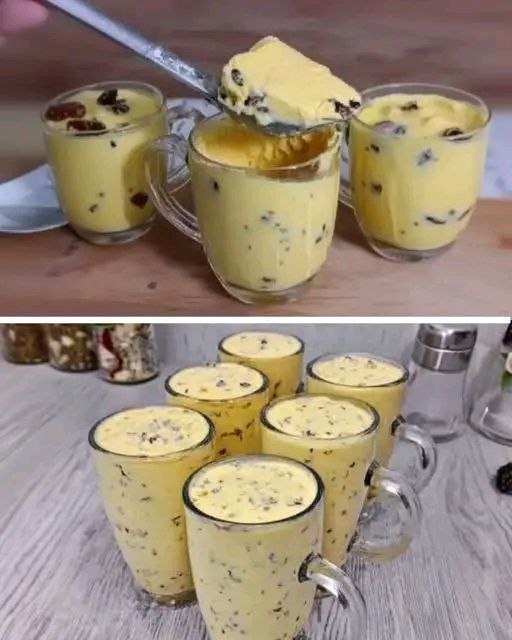
Delightful Mango Mousse A Creamy Dessert Treat

Introduction
Prepare to be whisked away to a tropical paradise with every spoonful of this delightful mango mousse! A true celebration of summer flavors, this creamy dessert is surprisingly easy to make, yet delivers an elegant and refreshing treat that’s perfect for any occasion. Imagine the sun-kissed sweetness of ripe mangoes, transformed into a velvety smooth, airy cloud that melts in your mouth. This isn’t just a dessert; it’s an experience, offering a burst of vibrant flavor and a luxurious texture that will leave you craving more.
What makes mango mousse so irresistible? It’s the perfect harmony of simplicity and sophistication. The natural sweetness and vibrant color of fresh mangoes are elevated by a light, airy cream, creating a dessert that feels both indulgent and surprisingly light. Unlike heavier, more complex desserts, this mousse requires no baking, making it an ideal choice for warm weather or when you’re short on time but still want to impress. Its delicate texture and bright, fruity profile make it a refreshing end to any meal, providing a delightful contrast to richer dishes.
Beyond its incredible taste, mango mousse shines in its presentation. Served in individual glasses, its beautiful golden hue and luscious texture are showcased, making it an instant showstopper. Whether you’re hosting a dinner party, planning a casual get-together, or simply treating yourself to something special, this mango mousse recipe promises to deliver a memorable culinary moment. It’s a testament to how a few simple, high-quality ingredients can come together to create something truly extraordinary.
Nutritional Information
Per serving (approximate values):
- Calories: 280-320
- Protein: 3-5g
- Carbohydrates: 35-40g
- Fat: 15-20g
- Fiber: 2-3g
- Sodium: 30-50mg
Ingredients
- 2 large, ripe mangoes (about 2 cups of pureed mango)
- 1 ½ cups heavy cream, chilled
- ¼ cup granulated sugar (adjust to taste, depending on mango sweetness)
- 1 teaspoon vanilla extract
- ½ teaspoon lime juice (optional, for brightness)
- Pinch of salt
- Fresh mint leaves, for garnish (optional)
- Fresh mango slices or diced mango, for garnish (optional)
- Toasted coconut flakes, for garnish (optional)
Instructions
- Prepare the Mango Puree: Begin by peeling the mangoes. Carefully cut the flesh from the pit. Place the mango chunks into a food processor or blender. Process until completely smooth and free of any stringy bits. You should have approximately 2 cups of mango puree. If your mangoes are particularly fibrous, you may want to push the puree through a fine-mesh sieve for an extra silky texture. Set aside.
- Whip the Heavy Cream: In a large, chilled mixing bowl, combine the cold heavy cream, granulated sugar, and vanilla extract. Using an electric mixer (handheld or stand mixer with a whisk attachment), beat on medium-high speed until soft peaks form. Be careful not to over-whip, as it can turn granular. The cream should be light, airy, and hold its shape when the whisk is lifted.
- Combine Mango Puree and Whipped Cream: Gently fold about one-third of the whipped cream into the mango puree. This will lighten the puree and make it easier to incorporate the remaining cream without deflating it. Once lightly combined, add the remaining whipped cream to the mango mixture.
- Fold Gently: Using a spatula, gently fold the whipped cream into the mango puree. Use an upward motion from the bottom of the bowl, turning the bowl as you go, to incorporate the ingredients while preserving as much air as possible in the mixture. Do not overmix; stop folding as soon as the mixture is uniformly combined and has a light, airy consistency. Add the optional lime juice and a tiny pinch of salt at this stage, if using, and fold once more to combine.
- Portion and Chill: Spoon or pipe the mango mousse into individual serving glasses, ramekins, or a large serving bowl. For an elegant presentation, use a piping bag with a star tip. Fill the glasses evenly.
- Chill to Set: Cover the glasses loosely with plastic wrap and refrigerate for at least 4 hours, or preferably overnight, until the mousse is firmly set and thoroughly chilled. Chilling is crucial for the mousse to develop its proper texture and for the flavors to meld beautifully.
- Garnish and Serve: Before serving, garnish each mango mousse with fresh mint leaves, a few extra diced mango pieces, or a sprinkle of toasted coconut flakes for added texture and visual appeal. Serve immediately and enjoy!
Cooking Tips and Variations
To achieve the best possible mango mousse, start with perfectly ripe mangoes. They should yield slightly to gentle pressure and have a sweet, fragrant aroma. Avoid overly firm or mushy mangoes. The type of mango can also make a difference; Alphonso, Ataulfo (honey mango), or Kent varieties are often praised for their rich flavor and smooth texture, which are ideal for pureeing. If your mangoes aren’t very sweet, you can slightly increase the amount of sugar in the recipe. Conversely, if they are exceptionally sweet, you might reduce the sugar or omit it entirely.
When whipping the heavy cream, make sure both the cream and your mixing bowl (and whisk attachment) are well chilled. A cold environment helps the cream whip up faster and achieve greater volume, resulting in a lighter mousse. You can even place your mixing bowl and whisk in the freezer for 10-15 minutes before whipping. Be vigilant when whipping; heavy cream can go from perfectly whipped to over-whipped (and grainy) very quickly. Stop as soon as soft peaks form, where the cream holds its shape but the tip of the peak softly curls over.
The folding technique is paramount for a light and airy mousse. After incorporating a third of the whipped cream into the mango puree to lighten it, gently fold in the remaining cream. Use a spatula to scoop from the bottom of the bowl, lifting it over the top of the mixture, and turning the bowl as you go. This motion incorporates the ingredients without deflating the air you’ve worked so hard to whip into the cream. Over-mixing will result in a denser, less airy mousse.
For flavor variations, consider adding a hint of spice. A tiny pinch of ground cardamom or ginger can beautifully complement the mango, adding a warm, exotic note. A splash of lime or lemon juice (as suggested in the recipe) brightens the flavor and cuts through the sweetness, preventing the mousse from being cloying. You could also experiment with a very small amount of orange blossom water for an aromatic touch. For a more decadent version, swirl a thin layer of white chocolate ganache at the bottom of the serving glasses before adding the mousse, or drizzle some melted white chocolate on top before serving.
To make this recipe vegan, substitute the heavy cream with full-fat canned coconut cream. Ensure the coconut cream is well-chilled in the refrigerator overnight, then scoop out only the thick, solid cream from the top of the can, leaving the watery liquid behind. Whip this solid coconut cream with the sugar and vanilla just as you would dairy cream. The mousse will have a delightful coconut flavor that pairs wonderfully with mango.
Storage and Reheating
Mango mousse is best enjoyed chilled, and it requires proper refrigeration to set and maintain its delicate texture. Once prepared and portioned into individual glasses or a large serving bowl, cover it loosely with plastic wrap to prevent it from absorbing refrigerator odors and to keep its surface from drying out. Store the mango mousse in the refrigerator for up to 2-3 days. While it might remain edible for a bit longer, its texture and freshness are optimal within this timeframe. The longer it sits, the more it may lose some of its airy quality.
Due to its delicate, airy structure, mango mousse cannot be reheated. Reheating would cause the whipped cream to melt and separate, completely destroying the mousse’s characteristic light and fluffy texture. This is a dessert that is exclusively served cold. If you’ve portioned it into individual servings, simply remove them from the refrigerator about 10-15 minutes before serving to allow the flavors to slightly soften and become more prominent, but ensure it remains thoroughly chilled.
If you have any leftovers, they should be immediately returned to the refrigerator. Do not leave the mousse at room temperature for extended periods, especially in warm climates, as the dairy content can spoil quickly. For the best experience, plan to consume the mousse within a couple of days of preparation. It’s a fantastic make-ahead dessert, perfect for entertaining, as it needs ample chilling time and can be prepared well in advance, freeing up your time on the day of your event.
Frequently Asked Questions
What kind of mangoes are best for mango mousse?
For mango mousse, it’s best to use ripe, sweet, and non-fibrous mango varieties. Alphonso, Ataulfo (also known as honey mango), Kent, or Haden mangoes are excellent choices. These varieties are known for their rich flavor, vibrant color, and smooth flesh, which purees beautifully without leaving stringy bits. Ensure the mangoes are ripe but not overripe; they should have a sweet aroma and yield slightly to gentle pressure.
Can I make mango mousse ahead of time?
Absolutely! Mango mousse is an ideal make-ahead dessert. In fact, it requires a significant chilling period (at least 4 hours, preferably overnight) to properly set and for the flavors to fully develop. You can prepare the mousse and portion it into serving glasses a day or two in advance. Just remember to cover it loosely with plastic wrap and store it in the refrigerator until ready to serve. This makes it a perfect dessert for dinner parties or special occasions, as it frees up your time on the day of the event.
Why did my mango mousse turn out dense instead of airy?
If your mango mousse turned out dense, it’s most likely due to over-mixing or not properly folding the ingredients. The key to an airy mousse is to incorporate air into the heavy cream by whipping it to soft peaks, and then to preserve that air by gently folding it into the mango puree. If you over-mix the cream (beyond soft peaks) or aggressively stir the cream and puree together, you’ll deflate the air, resulting in a heavier, denser texture. Always use a gentle folding technique, lifting from the bottom and turning, until just combined.