
Follow Me On Social Media!
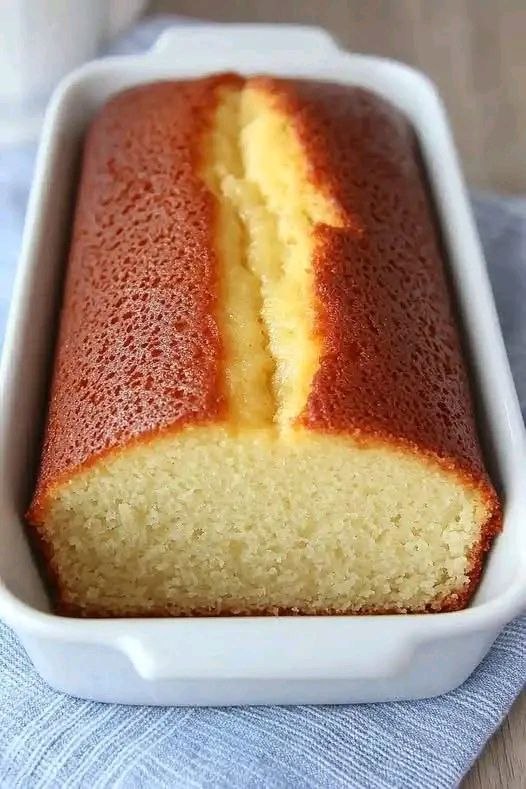
Classic Vanilla Yogurt Pound Cake

Introduction
There are some culinary creations that stand the test of time, and the Classic Vanilla Yogurt Pound Cake is undoubtedly one of them. This isn’t just any cake; it’s a comforting, tender, and incredibly moist loaf that evokes a sense of nostalgia with every bite. Its popularity stems from its universal appeal – a simple yet sophisticated flavor profile that pleases almost everyone. Whether enjoyed as an elegant dessert, a delightful breakfast pastry, or a comforting afternoon snack, this pound cake consistently delivers a perfect balance of sweetness and rich vanilla aroma.
What truly sets this vanilla pound cake apart, and what makes it so special, is the inclusion of yogurt. While traditional pound cakes rely heavily on butter for their richness and texture, adding yogurt introduces a secret ingredient that elevates the cake to new heights. The yogurt not only contributes an unparalleled moistness, preventing the cake from drying out, but also imparts a subtle tang that beautifully complements the sweet vanilla. This slight acidity reacts with the leavening agents, resulting in an incredibly tender crumb and a beautifully even texture. It’s a classic for a reason, offering a comforting familiarity with an added layer of depth and indulgence.
This recipe is designed to be approachable for bakers of all skill levels, yet it yields results that taste like they came from a high-end bakery. The beauty of this Classic Vanilla Yogurt Pound Cake lies in its simplicity and the quality of its core ingredients. It’s a testament to how a few simple, well-chosen components, when combined with care, can create something truly extraordinary. Get ready to fill your kitchen with the irresistible aroma of baking vanilla and discover your new favorite go-to cake.
Nutritional Information
Per serving (approximate values):
- Calories: 380
- Protein: 5g
- Carbohydrates: 50g
- Fat: 19g
- Fiber: 1g
- Sodium: 220mg
Ingredients
- 1 ½ cups (3 sticks or 340g) unsalted butter, softened to room temperature
- 2 cups (400g) granulated sugar
- 4 large eggs, at room temperature
- 1 teaspoon pure vanilla extract
- 3 cups (360g) all-purpose flour, sifted
- 1 teaspoon baking powder
- ½ teaspoon baking soda
- ½ teaspoon salt
- 1 cup (240g) plain whole milk yogurt, at room temperature
Instructions
- Preheat your oven to 325°F (160°C). Grease and flour a 9×5-inch loaf pan thoroughly. Ensure every crevice is coated to prevent sticking.
- In a large mixing bowl, using an electric mixer, cream together the softened butter and granulated sugar on medium-high speed until the mixture is light, fluffy, and pale in color. This process should take about 5-7 minutes. Scrape down the sides of the bowl occasionally to ensure even mixing.
- Add the eggs one at a time, beating well after each addition. Make sure each egg is fully incorporated before adding the next. This helps to create an emulsified batter, resulting in a smoother texture.
- Stir in the vanilla extract until just combined. Be careful not to overmix at this stage.
- In a separate medium bowl, whisk together the sifted all-purpose flour, baking powder, baking soda, and salt. This step ensures that the dry ingredients are evenly distributed, which is crucial for uniform leavening.
- With the mixer on low speed, gradually add about one-third of the dry ingredient mixture to the butter-sugar-egg mixture. Mix until just combined.
- Next, add half of the plain whole milk yogurt to the batter and mix on low speed until just incorporated.
- Continue by adding another one-third of the dry ingredients, mixing until just combined.
- Then, add the remaining half of the yogurt, mixing until just combined.
- Finally, add the last one-third of the dry ingredients, mixing on low speed until just combined and no streaks of flour remain. Be very careful not to overmix the batter at this stage, as overmixing can lead to a tough cake. The batter should be thick and smooth.
- Pour the prepared batter evenly into the greased and floured loaf pan. Use a spatula to smooth the top of the batter.
- Bake for 60-75 minutes, or until a wooden skewer or toothpick inserted into the center of the cake comes out clean. The top of the cake should be golden brown and may have a characteristic crack down the middle.
- Once baked, remove the loaf pan from the oven and let the cake cool in the pan on a wire rack for about 15-20 minutes. This allows the cake to set and firm up before being removed.
- After the initial cooling period, carefully invert the cake onto the wire rack and remove the pan. Let the pound cake cool completely before slicing and serving. This is important for the cake’s structure and texture.
Cooking Tips and Variations
To achieve the best possible Classic Vanilla Yogurt Pound Cake, attention to a few key details can make all the difference. First and foremost, ensure all your ingredients, especially the butter, eggs, and yogurt, are at room temperature. This allows them to emulsify properly, creating a smoother, more uniform batter and a finer crumb in the finished cake. When creaming the butter and sugar, take your time; this step incorporates air, which is crucial for a light and fluffy texture, so don’t rush it. Another critical tip is to avoid overmixing the batter once the dry ingredients are added. Overmixing develops the gluten in the flour, which can lead to a tough, dense cake. Mix only until just combined.
Proper pan preparation is also vital. Thoroughly grease and flour your loaf pan to prevent sticking, even if using a non-stick pan. You can also line the bottom with parchment paper for extra insurance. For a perfectly even bake, consider placing a thin strip of aluminum foil over the top of the cake during the last 15-20 minutes of baking if it starts to brown too quickly. This helps prevent the top from over-browning while the inside finishes cooking. Always check for doneness with a wooden skewer or toothpick inserted into the center; if it comes out clean, your cake is ready.
This versatile recipe also lends itself beautifully to several delightful variations. For a citrusy twist, add 1-2 tablespoons of fresh lemon or orange zest to the batter along with the vanilla extract; the zest will brighten the flavor profile and complement the yogurt’s tang. If you’re a chocolate lover, gently fold in about ½ cup of mini chocolate chips or chopped chocolate at the very end of mixing the batter. For a richer, more decadent pound cake, you can substitute half of the plain yogurt with sour cream. You can also experiment with different extracts; almond extract can be a lovely addition, or a touch of rum extract for a more grown-up flavor. To elevate the presentation and add another layer of flavor, consider drizzling the cooled cake with a simple vanilla glaze made from powdered sugar, milk, and a touch of vanilla, or a bright lemon glaze made with powdered sugar and lemon juice. A dusting of powdered sugar is also a classic and elegant finish.
Storage and Reheating
Proper storage is key to maintaining the freshness and deliciousness of your Classic Vanilla Yogurt Pound Cake. Once the cake has cooled completely to room temperature, wrap it tightly in plastic wrap. If you plan to store it for more than a day or two, an additional layer of aluminum foil can provide extra protection against drying out. Stored at room temperature, in an airtight container or tightly wrapped, the pound cake will remain fresh and moist for up to 3-4 days. Avoid refrigerating the cake unless absolutely necessary, as the cold air can dry it out and make it dense.
For longer storage, this pound cake freezes beautifully. Once completely cooled, wrap individual slices or the entire loaf tightly in plastic wrap, then an additional layer of aluminum foil. Place the wrapped cake in a freezer-safe bag or airtight container. It can be stored in the freezer for up to 2-3 months. To thaw, simply transfer the frozen cake to the refrigerator overnight, or unwrap and let it come to room temperature on the counter for a few hours. Freezing and thawing often enhance the cake’s moistness.
Reheating is generally not recommended for pound cake, as it can alter the delicate texture and dry it out. This cake is best enjoyed at room temperature. If you prefer a slightly warm slice, you can gently heat individual slices in a microwave for 10-15 seconds, or in a preheated oven at 250°F (120°C) for 5-7 minutes. Be careful not to overheat, as this can quickly lead to a dry cake. A quick toast in a toaster oven can also be lovely, especially if you plan to serve it with a dollop of whipped cream or fresh berries.
Frequently Asked Questions
Why did my pound cake crack on top?
A crack forming down the center of a pound cake is actually a desirable and characteristic feature, not a flaw! It happens because the outside edges of the cake set and bake faster than the moist center. As the center continues to rise, it pushes through the set crust, creating that classic split. It’s a sign of a perfectly baked pound cake, so embrace the crack!
Can I use low-fat or Greek yogurt instead of whole milk yogurt?
While whole milk yogurt is recommended for the best texture and richness, you can use low-fat plain yogurt. However, avoid fat-free yogurt as it may result in a slightly less moist cake. If using Greek yogurt, which is much thicker, you might need to thin it slightly with a tablespoon or two of milk to achieve a similar consistency to regular yogurt, preventing the batter from becoming too stiff.
My pound cake is dry, what went wrong?
There are a few common reasons for a dry pound cake. The most frequent culprit is overbaking; make sure to check for doneness with a toothpick and remove the cake as soon as it comes out clean. Overmixing the batter after adding the flour can also lead to a tough, dry cake by developing too much gluten. Lastly, inaccurate measurements, especially too much flour, can result in a dry crumb. Ensure you’re measuring your flour correctly, ideally by weight or by spooning it into the measuring cup and leveling it off.