Follow Me On Social Media!
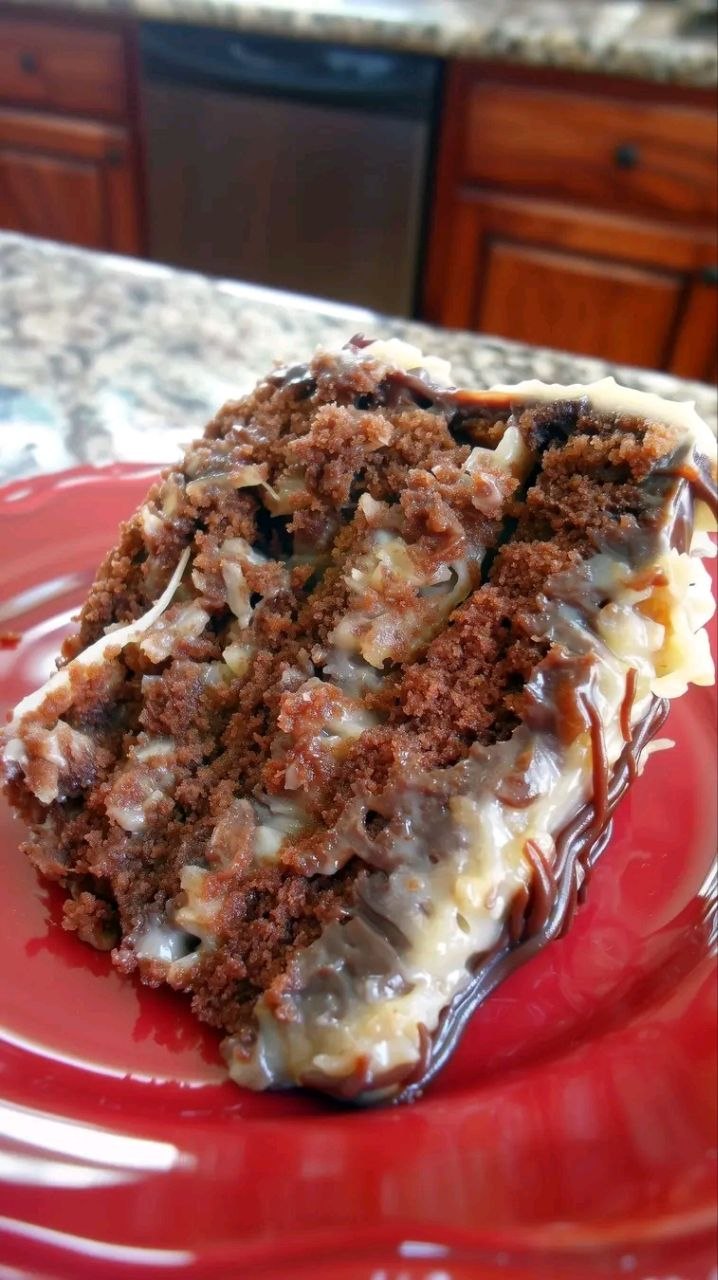
German Chocolate Layer Cake Decadent Classic and Crowd Pleasing

Introduction
There are some desserts that transcend mere sweetness, becoming legendary for their rich flavors, comforting textures, and undeniable ability to bring people together. German Chocolate Layer Cake is undeniably one of them. This isn’t just a cake; it’s an experience – a symphony of moist chocolate cake layers cradling a rich, custardy coconut-pecan frosting that has captivated taste buds for generations. It’s the kind of dessert that graces holiday tables, celebrates milestones, and makes an ordinary day feel extraordinary. Its decadent nature and crowd-pleasing appeal are truly unparalleled, making it a beloved classic that stands the test of time.
What makes German Chocolate Cake so special? It all starts with the distinct chocolate flavor, traditionally derived from German’s Sweet Chocolate, which lends a milder, sweeter note than other baking chocolates. This perfectly complements the star of the show: the iconic coconut-pecan frosting. This isn’t your average buttercream; it’s a luscious, cooked custard-based creation, brimming with toasted pecans and shredded coconut, offering a delightful chewiness and nutty crunch in every bite. The contrast between the tender, dark chocolate cake and the creamy, sweet, and textured frosting creates a harmonious balance that is nothing short of addictive. Every forkful is a journey through different textures and depths of flavor, leaving a lasting impression that makes it a perennial favorite.
While its name might suggest otherwise, German Chocolate Cake is not German in origin. It was named after Samuel German, an American baker who developed a dark baking chocolate bar for Baker’s Chocolate Company in 1852. The recipe as we know it today gained widespread popularity in the mid-20th century, becoming a household staple and a symbol of American dessert culture. Despite its rich history and somewhat elaborate appearance, making a truly magnificent German Chocolate Cake at home is entirely achievable. This recipe will guide you through each step to create a show-stopping dessert that will undoubtedly earn you rave reviews and become a cherished addition to your recipe collection. Prepare to indulge in a slice of pure decadence!
Nutritional Information
Per serving (approximate values):
- Calories: 650 kcal
- Protein: 8g
- Carbohydrates: 85g
- Fat: 35g
- Fiber: 4g
- Sodium: 450mg
Ingredients
For the Cake:
- 4 ounces (113g) German’s Sweet Chocolate, chopped
- 1/2 cup (113g) boiling water
- 2 1/2 cups (300g) all-purpose flour
- 1 teaspoon baking soda
- 1/2 teaspoon salt
- 1 cup (226g) unsalted butter, softened
- 2 cups (400g) granulated sugar
- 4 large eggs, separated
- 1 teaspoon vanilla extract
- 1 cup (240ml) buttermilk
For the Coconut-Pecan Frosting:
- 1 cup (226g) unsalted butter
- 1 cup (200g) granulated sugar
- 12 ounces (340ml) evaporated milk
- 4 large egg yolks, lightly beaten
- 1 teaspoon vanilla extract
- 1 1/3 cups (100g) shredded sweetened coconut
- 1 1/3 cups (160g) chopped pecans, toasted
For the Chocolate Drizzle (Optional):
- 1/2 cup (85g) semi-sweet chocolate chips
- 1 tablespoon unsalted butter
Instructions
- Prepare the Chocolate: Preheat your oven to 350°F (175°C). Grease and flour three 8 or 9-inch round cake pans, lining the bottoms with parchment paper. In a small bowl, combine the chopped German’s Sweet Chocolate and boiling water. Stir until the chocolate is completely melted and smooth. Set aside to cool slightly.
- Combine Dry Ingredients: In a medium bowl, whisk together the flour, baking soda, and salt. Set aside.
- Cream Butter and Sugar: In a large mixing bowl, cream together the softened butter and granulated sugar with an electric mixer on medium speed until light and fluffy, about 3-5 minutes.
- Add Egg Yolks and Vanilla: Beat in the 4 egg yolks one at a time, mixing well after each addition. Stir in the vanilla extract and the cooled melted chocolate mixture until just combined.
- Alternate Wet and Dry Ingredients: Gradually add the dry ingredients to the wet ingredients in three additions, alternating with the buttermilk in two additions, beginning and ending with the dry ingredients. Mix on low speed until just combined, being careful not to overmix.
- Whip Egg Whites: In a separate clean bowl, beat the 4 egg whites with an electric mixer on high speed until stiff peaks form. Gently fold the whipped egg whites into the cake batter until no streaks remain. This step lightens the cake texture.
- Bake the Cake Layers: Divide the batter evenly among the prepared cake pans. Bake for 30-35 minutes, or until a wooden skewer inserted into the center of a cake comes out clean.
- Cool the Cake: Let the cake layers cool in the pans for 10-15 minutes before inverting them onto a wire rack to cool completely. Carefully peel off the parchment paper. Ensure the cakes are completely cool before frosting.
- Prepare the Coconut-Pecan Frosting: While the cakes are cooling, prepare the frosting. In a medium saucepan, combine the butter, granulated sugar, and evaporated milk. Cook over medium heat, stirring constantly, until the butter is melted and the sugar is dissolved, and the mixture comes to a gentle boil.
- Temper Egg Yolks: In a small bowl, lightly beat the 4 egg yolks. Slowly whisk about half a cup of the hot milk mixture into the beaten egg yolks to temper them, preventing them from scrambling.
- Cook the Frosting: Pour the tempered egg yolk mixture back into the saucepan with the remaining milk mixture. Continue to cook over medium-low heat, stirring constantly, for 5-7 minutes, until the mixture thickens to a custard-like consistency (it should coat the back of a spoon). Do not boil.
- Finish the Frosting: Remove from heat and stir in the vanilla extract, shredded coconut, and toasted pecans. Mix well. Let the frosting cool completely at room temperature, stirring occasionally, until it reaches a spreadable consistency. It will thicken considerably as it cools.
- Assemble the Cake: Once the cake layers are completely cool and the frosting has thickened, place one cake layer on a serving plate or cake stand. Spread about one-third of the coconut-pecan frosting evenly over the top.
- Layer and Frost: Carefully place the second cake layer on top, spreading another third of the frosting. Repeat with the third cake layer and the remaining frosting. The frosting is typically spread over the top and between the layers, leaving the sides of the cake unfrosted or lightly “naked” to showcase the layers, though you can frost the sides if desired.
- Prepare Chocolate Drizzle (Optional): If making the chocolate drizzle, melt the semi-sweet chocolate chips and butter together in a small microwave-safe bowl in 30-second intervals, stirring until smooth, or in a double boiler.
- Drizzle and Serve: Drizzle the melted chocolate over the top of the frosted cake using a spoon or a piping bag with a small hole. Allow the drizzle to set slightly before serving, or serve immediately.
Cooking Tips and Variations
Tips for Best Results:
- Room Temperature Ingredients: Ensure butter, eggs, and buttermilk are at room temperature. This helps them emulsify better, creating a smoother batter and a more uniform cake texture.
- Don’t Overmix: Overmixing the cake batter can develop the gluten too much, resulting in a tough, dry cake. Mix until just combined.
- Toasting Pecans: Don’t skip toasting the pecans! This step significantly enhances their nutty flavor and aroma, making a huge difference in the frosting. Spread them on a baking sheet and toast in a 350°F (175°C) oven for 5-7 minutes, watching carefully to prevent burning.
- Cooling the Frosting: The coconut-pecan frosting needs to cool completely to achieve the correct thick, spreadable consistency. If it’s too warm, it will be runny and slide off the cake. If you’re in a hurry, you can place it in the refrigerator, stirring every 10-15 minutes, but be careful not to let it get too stiff.
- Leveling Cake Layers: For a perfectly even cake, use a serrated knife to gently level the tops of the cooled cake layers if they have domed. This creates a stable surface for stacking and a more professional appearance.
- Parchment Paper Lining: Always line the bottom of your cake pans with parchment paper. This ensures the cakes release cleanly and prevents sticking.
Recipe Variations:
- Nut Alternatives: While pecans are traditional, you can experiment with other nuts in the frosting. Toasted walnuts or almonds can offer a different but equally delicious flavor profile.
- Spiked Frosting: For an adult twist, add a tablespoon or two of a complementary liqueur to the frosting once it’s cooled, such as rum, bourbon, or Kahlúa.
- Chocolate Chips in Cake: Stir 1/2 cup of mini chocolate chips into the cake batter for an extra burst of chocolate in each bite.
- Cream Cheese Frosting Sides: If you prefer a fully frosted cake but find the coconut-pecan frosting too rich for the sides, you can make a simple cream cheese frosting (cream cheese, butter, powdered sugar, vanilla) to frost the sides.
- Darker Chocolate Cake: For a deeper chocolate flavor in the cake layers, you can substitute a portion of the German’s Sweet Chocolate with unsweetened or bittersweet chocolate, adjusting the sugar slightly if needed.
- Coconut Flakes on Sides: Press additional shredded toasted coconut flakes onto the sides of the cake for extra texture and visual appeal.
Storage and Reheating
Storage:
- Room Temperature: German Chocolate Cake can be stored at cool room temperature (below 70°F/21°C) for up to 2 days, loosely covered. However, due to the custard-based frosting, refrigeration is generally recommended for longer storage or in warmer environments.
- Refrigeration: For optimal freshness and safety, store German Chocolate Cake in an airtight container or tightly wrapped with plastic wrap in the refrigerator for up to 5-7 days. The airtight seal will prevent the cake from drying out and absorbing odors from other foods.
- Freezing: German Chocolate Cake freezes beautifully. You can freeze individual slices or the entire cake.
- To Freeze Slices: Place individual slices on a baking sheet and freeze until firm. Once frozen, wrap each slice tightly in plastic wrap, then in aluminum foil. Store in a freezer-safe bag or container for up to 2-3 months.
- To Freeze Whole Cake: If freezing a whole cake, freeze it unwrapped until the frosting is firm. Then, wrap the entire cake tightly in several layers of plastic wrap, followed by a layer of aluminum foil. Freeze for up to 2-3 months.
Reheating (or Thawing):
- From Refrigerator: To enjoy the best texture and flavor, remove refrigerated German Chocolate Cake from the refrigerator at least 30-60 minutes before serving. This allows the cake and frosting to come to room temperature, softening the butter in the frosting and making the cake more tender and moist.
- From Freezer (Slices): Unwrap individual frozen slices and let them thaw at room temperature for 1-2 hours, or in the refrigerator overnight.
- From Freezer (Whole Cake): Transfer the wrapped frozen cake to the refrigerator and let it thaw overnight (8-12 hours) or for up to 24 hours for a larger cake. Once thawed, unwrap and let it sit at room temperature for 30-60 minutes before serving.
- Microwave (Not Recommended): While technically possible, microwaving German Chocolate Cake is generally not recommended as it can alter the texture of both the cake and the frosting, potentially making the cake gummy and the frosting oily. Room temperature thawing is always the best method.
Frequently Asked Questions
Why is it called German Chocolate Cake if it’s not from Germany?
The cake is named after Samuel German, an American baker who developed a mild, sweet dark baking chocolate bar for the Baker’s Chocolate Company in 1852. The “German’s Sweet Chocolate” was a specific product, and a recipe using it became widely popular in the mid-20th century. The name refers to the brand of chocolate, not the country of origin.
Can I use regular chocolate instead of German’s Sweet Chocolate?
While you can substitute with other types of chocolate, using German’s Sweet Chocolate is traditional and contributes to the cake’s unique, milder chocolate flavor. If substituting, you might use a combination of bittersweet or semi-sweet chocolate with a bit more sugar to achieve a similar sweetness level, but the flavor profile will be slightly different.
My frosting didn’t thicken. What went wrong?
The most common reason for runny frosting is not cooking it long enough or not allowing it to cool completely. The custard mixture needs to cook over medium-low heat, stirring constantly, until it visibly thickens and coats the back of a spoon. It also thickens considerably as it cools. If it’s still too thin after cooling, you can try refrigerating it for a short period, stirring occasionally, but be careful not to let it get too stiff.
How can I prevent my cake layers from sticking to the pans?
To prevent sticking, always thoroughly grease your cake pans with butter or cooking spray. Then, dust them with flour, tapping out any excess. For extra insurance, cut out parchment paper circles to line the bottom of each pan. This combination virtually guarantees clean release of your cake layers.