
Follow Me On Social Media!
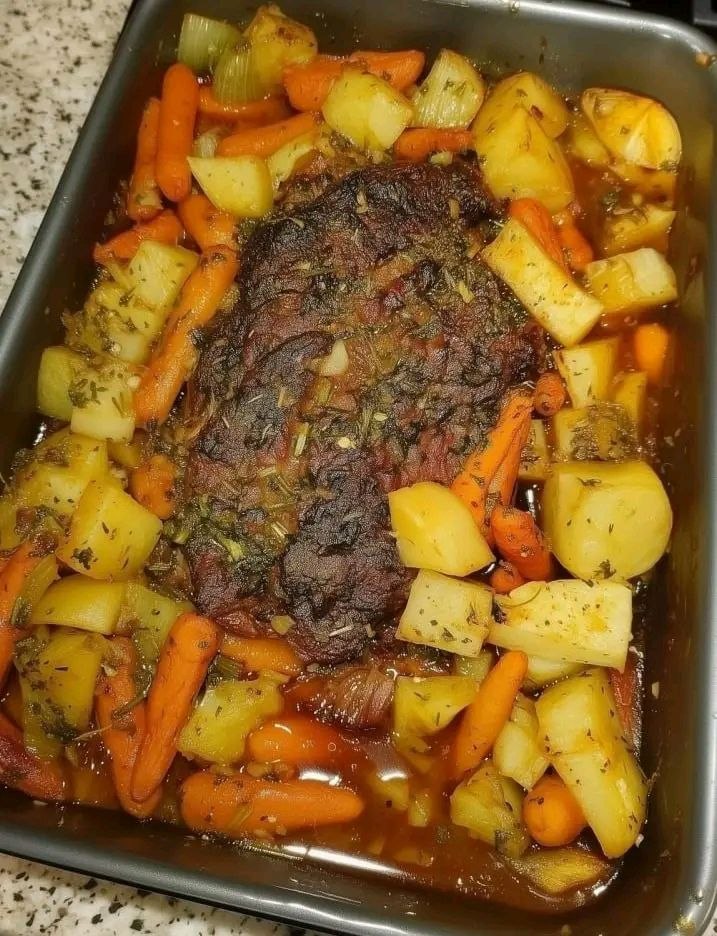
Beef Roast Pot

Introduction
There are few dishes that evoke the same sense of warmth, nostalgia, and pure comfort as a classic Beef Roast Pot. This isn’t just a meal; it’s an experience, a culinary hug that brings families together and transforms even the chilliest day into something cozy and inviting. Imagine tender, fall-apart beef, succulent root vegetables, and a rich, savory gravy, all cooked together in one pot, infusing your home with an irresistible aroma. That’s the magic of the Beef Roast Pot.
What makes this dish truly special is its simplicity combined with its profound flavor. It’s a testament to slow cooking, allowing humble ingredients to meld and develop a depth that quick meals simply can’t achieve. While it might seem like a dish reserved for special occasions, the truth is that a Beef Roast Pot is incredibly forgiving and surprisingly easy to prepare, making it a perfect candidate for a hearty weeknight dinner or a relaxed Sunday feast. This recipe guides you through creating a perfectly braised beef roast, surrounded by perfectly cooked vegetables, resulting in a complete meal that’s as satisfying to cook as it is to eat.
The beauty of this one-pot wonder lies in its ability to deliver maximum flavor with minimal fuss. Everything cooks together, allowing the beef juices to infuse the vegetables and the broth to become a rich, flavorful foundation for your gravy. From the initial browning of the beef to the final, gentle simmer, each step contributes to a dish that is both robust and refined. Get ready to master a timeless classic that will undoubtedly become a staple in your culinary repertoire.
Nutritional Information
Per serving (approximate values):
- Calories: 580
- Protein: 45g
- Carbohydrates: 35g
- Fat: 30g
- Fiber: 7g
- Sodium: 850mg
Ingredients
- 3-4 pounds boneless beef chuck roast, trimmed of excess fat
- 2 tablespoons olive oil
- 1 large yellow onion, roughly chopped
- 4 carrots, peeled and cut into 2-inch chunks
- 4 celery stalks, cut into 2-inch chunks
- 4 cloves garlic, minced
- 1 teaspoon dried thyme
- 1 teaspoon dried rosemary
- 1 teaspoon smoked paprika
- 1 teaspoon salt (or to taste)
- 1/2 teaspoon black pepper (or to taste)
- 3 cups beef broth, low sodium
- 1 cup dry red wine (like Cabernet Sauvignon or Merlot, optional)
- 2 tablespoons tomato paste
- 1 bay leaf
- 2 pounds Yukon Gold potatoes, scrubbed and quartered
- 1 tablespoon cornstarch (optional, for thickening gravy)
- 2 tablespoons cold water (optional, for thickening gravy)
- Fresh parsley, chopped, for garnish
- Lemon slices, for garnish (optional)
Instructions
- Preheat your oven to 325°F (160°C).
- Pat the beef chuck roast completely dry with paper towels. Season generously all over with salt and black pepper.
- Heat the olive oil in a large Dutch oven or oven-safe pot over medium-high heat. Once hot, carefully place the seasoned beef roast into the pot. Sear on all sides until deeply browned, about 3-5 minutes per side. This step is crucial for developing rich flavor. Remove the seared beef from the pot and set aside.
- Reduce the heat to medium. Add the chopped onion, carrots, and celery to the pot. Sauté, stirring occasionally, until the vegetables begin to soften and the onion becomes translucent, about 5-7 minutes.
- Add the minced garlic, dried thyme, dried rosemary, and smoked paprika to the pot. Cook for another minute until fragrant, stirring constantly to prevent the garlic from burning.
- Stir in the tomato paste and cook for 1-2 minutes, stirring to coat the vegetables.
- If using, pour in the red wine. Bring to a simmer, scraping the bottom of the pot with a wooden spoon to deglaze and release any browned bits. Let the wine simmer for 2-3 minutes to reduce slightly.
- Pour in the beef broth and add the bay leaf. Return the seared beef roast to the pot, ensuring it’s mostly submerged in the liquid.
- Bring the liquid to a gentle simmer on the stovetop.
- Cover the Dutch oven tightly with its lid and transfer it to the preheated oven.
- Braise for 2 hours.
- After 2 hours, carefully remove the pot from the oven. Add the quartered potatoes around the beef in the pot. Stir gently to ensure they are somewhat submerged in the liquid.
- Return the covered pot to the oven and continue to braise for another 1 to 1.5 hours, or until the beef is fork-tender and the potatoes are easily pierced with a fork.
- Once cooked, carefully remove the pot from the oven. Transfer the beef roast to a cutting board, tent loosely with foil, and let it rest for at least 15-20 minutes. This allows the juices to redistribute, resulting in a more tender roast.
- While the beef rests, you can prepare the gravy. If you desire a thicker gravy, remove the bay leaf from the pot. In a small bowl, whisk together the cornstarch and cold water to create a slurry. Bring the liquid in the pot to a simmer over medium heat on the stovetop. Gradually whisk in the cornstarch slurry, stirring until the gravy thickens to your desired consistency. Taste and adjust seasoning if necessary.
- Slice or shred the rested beef against the grain.
- Serve the sliced or shredded beef with the tender vegetables and plenty of the rich gravy. Garnish with fresh chopped parsley and a lemon slice, if desired.
Cooking Tips and Variations
For the best Beef Roast Pot, meticulous attention to a few details can elevate your dish from good to extraordinary. Firstly, never skip the searing step. Browning the beef on all sides creates a flavorful crust through the Maillard reaction, which forms the foundation of the dish’s deep, savory taste. Use a heavy-bottomed pot like a Dutch oven, which retains heat exceptionally well and ensures even cooking. When selecting your beef, a good quality chuck roast with some marbling is ideal; the fat renders down during the long cooking process, adding moisture and flavor. Don’t be afraid to season generously before searing, as a large cut of meat needs a good amount of salt and pepper to penetrate its thickness.
Regarding the liquid level, aim for the beef to be about two-thirds submerged. Too much liquid will boil the meat, while too little could dry it out. If you’re not using red wine, simply replace it with an equal amount of beef broth. For extra depth of flavor, consider adding a splash of Worcestershire sauce or balsamic vinegar to the broth mixture. When adding vegetables, ensure they are cut into similarly sized pieces to promote even cooking. Harder vegetables like carrots and potatoes should be added later in the cooking process to prevent them from becoming mushy, as specified in the recipe. Always allow your beef to rest after cooking. This crucial step allows the muscle fibers to relax and reabsorb the juices, making the meat incredibly tender and moist.
Variations for this dish are plentiful. To introduce different flavors, consider adding root vegetables like parsnips or turnips alongside the carrots and potatoes. Mushrooms, especially cremini or shiitake, can be added with the other vegetables for an umami boost. For a touch of acidity and brightness, a squeeze of fresh lemon juice or a tablespoon of red wine vinegar stirred in at the end can cut through the richness. Experiment with herbs beyond thyme and rosemary; bay leaves are a must, but marjoram or a sprig of fresh sage can also be wonderful additions. For a spicier kick, a pinch of red pepper flakes can be added with the other seasonings. If you prefer a thicker, richer gravy without cornstarch, you can remove the beef and vegetables, then reduce the pan liquids over medium-high heat until it reaches your desired consistency, or blend a portion of the cooked vegetables into the sauce for natural thickening. You can also add a tablespoon of flour to the sautéed vegetables before adding the liquids to create a roux for a thicker base. For a slightly different flavor profile, swap out some of the beef broth for a dark beer or stout, which adds a malty richness.
Storage and Reheating
A Beef Roast Pot is one of those fantastic dishes that often tastes even better the next day, making it perfect for meal prepping or enjoying leftovers. To store, allow the roast and vegetables to cool completely at room temperature, ideally within two hours of cooking. Once cooled, transfer the beef, vegetables, and gravy into airtight containers. You can store them together or separately, depending on your preference. Leftovers can be safely stored in the refrigerator for 3-4 days.
For longer storage, the Beef Roast Pot freezes beautifully. Once completely cooled, transfer portions into freezer-safe containers or heavy-duty freezer bags, ensuring as much air is removed as possible to prevent freezer burn. It can be frozen for up to 2-3 months. Thaw frozen portions overnight in the refrigerator before reheating.
To reheat, the best method is usually gentle warming to preserve the texture and flavor. For refrigerated leftovers, transfer the desired portion to a pot or Dutch oven on the stovetop over medium-low heat. Add a splash of beef broth or water if the gravy seems too thick or dry, then cover and heat gently, stirring occasionally, until heated through. This usually takes about 10-15 minutes. Alternatively, you can reheat individual servings in the microwave. Place the beef, vegetables, and gravy in a microwave-safe dish, cover loosely, and heat on medium power in 1-2 minute intervals, stirring in between, until piping hot. Be careful not to overheat the beef, as this can dry it out. If reheating from frozen, it’s best to thaw first, then follow the stovetop or microwave instructions. The goal is to bring the dish back to temperature without overcooking the tender beef and vegetables.
Frequently Asked Questions
Can I use a different cut of beef for this recipe?
While chuck roast is highly recommended for its marbling and tenderness when slow-cooked, you can also use other tough, collagen-rich cuts like beef brisket or round roast. These cuts benefit from long, slow braising and will become tender and flavorful. Avoid leaner cuts like sirloin or tenderloin, as they tend to dry out with this cooking method.
Why is my beef not tender after cooking for so long?
The most common reason for tough beef in a pot roast is insufficient cooking time or an oven temperature that is too high. Braising relies on low, slow heat to break down the tough connective tissues in the beef. If your beef is still tough, it simply needs more time in the oven. Continue cooking, checking every 30 minutes, until it’s fork-tender. Also, ensure your pot is tightly covered to prevent moisture loss, which can also lead to dryness.
Can I make this recipe in a slow cooker instead of the oven?
Yes, absolutely! A slow cooker is an excellent alternative for a Beef Roast Pot. Follow steps 1-7 on the stovetop (searing the beef and sautéing the aromatics). Then, transfer the seared beef and sautéed vegetables to your slow cooker. Add the broth, wine, tomato paste, and bay leaf. Cook on low for 6-8 hours or on high for 3-4 hours, adding the potatoes during the last 1.5-2 hours of cooking. The rest of the instructions for resting and gravy remain the same.
How can I make the gravy thicker without cornstarch?
If you prefer to avoid cornstarch, there are a few alternatives. You can remove the beef and vegetables, then simmer the remaining liquid over medium-high heat until it reduces and thickens naturally. This will intensify the flavor as well. Another option is to remove a portion of the cooked vegetables (especially the potatoes or carrots) from the pot, mash them, and then stir them back into the liquid. This will naturally thicken the gravy and add extra body and flavor. Alternatively, you can make a roux by melting 2 tablespoons of butter, stirring in 2 tablespoons of flour, cooking for 1-2 minutes, and then whisking in the pan liquid until thickened.