
Follow Me On Social Media!
4-Ingredient Slow Cooker Campanelle

Introduction
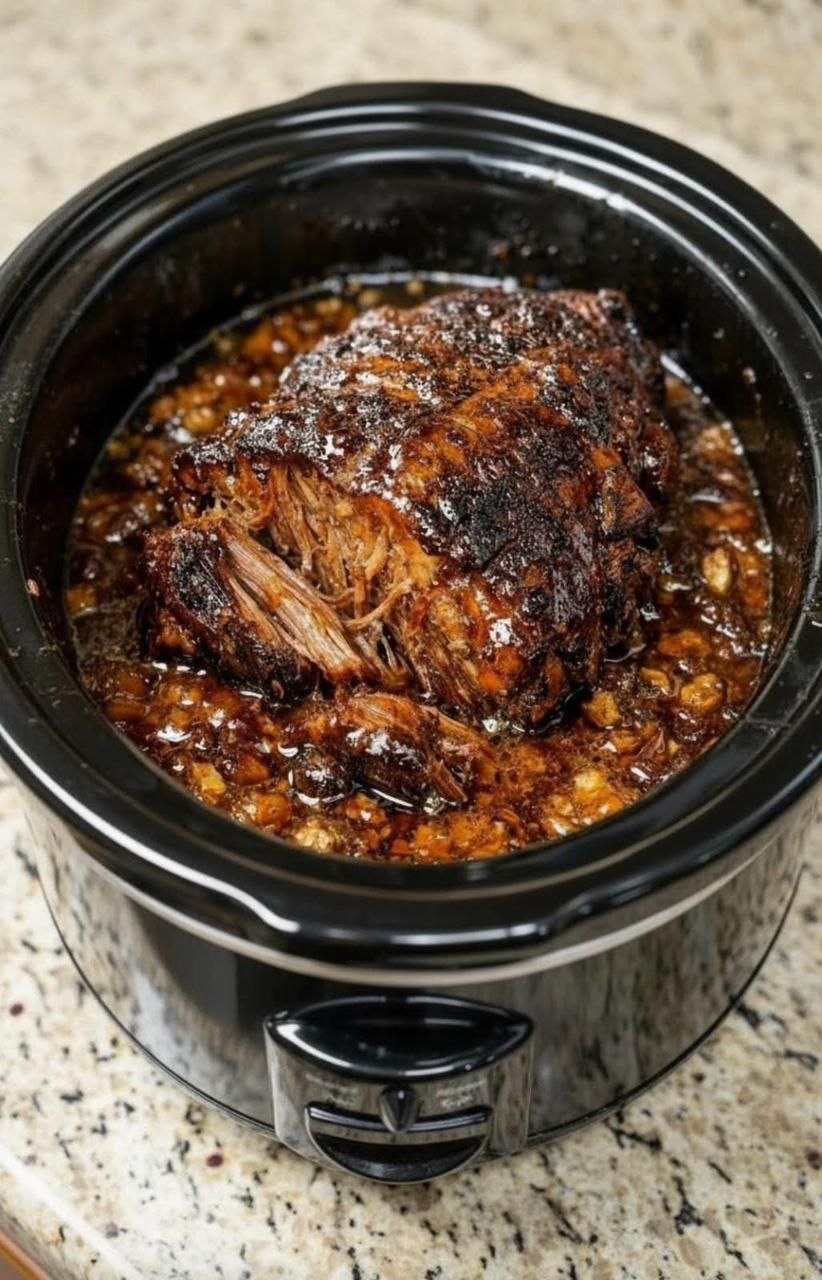
Forget complicated weeknight dinners! Imagine coming home to the tantalizing aroma of tender, savory beef that practically falls apart with a fork, all thanks to your trusty slow cooker. This isn’t just any beef dish; it’s a culinary miracle crafted with just four simple ingredients, making it an absolute game-changer for busy individuals and families alike. We’re talking about a dish that delivers maximum flavor with minimal effort, transforming a humble chuck roast into a succulent masterpiece perfect for any occasion.
The beauty of this 4-ingredient slow cooker beef lies in its sheer simplicity and incredible versatility. It’s the ultimate comfort food, deeply satisfying and packed with rich, savory notes that will have everyone asking for seconds. Whether you’re a seasoned home cook or just starting your culinary journey, this recipe proves that extraordinary meals don’t require an endless list of ingredients or hours of meticulous prep. Just a few pantry staples, your slow cooker, and a little patience are all it takes to create a dish that tastes like it’s been simmering all day – because it has!
This dish is more than just easy; it’s a canvas for countless meal possibilities. Serve it piled high on toasted buns for an unforgettable pulled beef sandwich, spoon it over creamy mashed potatoes for a hearty family dinner, or even shred it into tacos for a fun and flavorful twist. No matter how you choose to enjoy it, this slow cooker beef promises a tender, juicy, and incredibly flavorful experience every single time. Get ready to embrace the magic of slow cooking and discover your new favorite go-to recipe!
Nutritional Information
Per serving (approximate values):
- Calories: 420
- Protein: 35g
- Carbohydrates: 25g
- Fat: 20g
- Fiber: 2g
- Sodium: 850mg
Ingredients
- 3-4 pounds boneless beef chuck roast, trimmed of excess fat
- 1 large yellow onion, roughly chopped
- 18 ounces (about 2 1/4 cups) your favorite BBQ sauce
- 1 cup beef broth (low sodium preferred)
- 2 tablespoons olive oil (for searing, optional but recommended)
- Salt and freshly ground black pepper, to taste
Instructions
- Pat the beef chuck roast dry with paper towels. Season generously all over with salt and freshly ground black pepper. This step is crucial for building flavor.
- Heat the olive oil in a large, heavy-bottomed skillet or Dutch oven over medium-high heat until shimmering. If you have a slow cooker with a searing function, you can use that.
- Carefully place the seasoned beef roast into the hot skillet and sear for 3-5 minutes per side, until a deep golden-brown crust has formed. Searing locks in juices and adds a layer of rich, caramelized flavor that you don’t want to miss.
- Once seared, transfer the beef roast to your slow cooker.
- Add the roughly chopped yellow onion around and on top of the beef in the slow cooker.
- Pour the entire bottle of BBQ sauce over the beef and onions, ensuring the roast is well coated.
- Pour the beef broth into the slow cooker. This liquid will help keep the beef moist and create a delicious sauce.
- Cover the slow cooker with its lid.
- Cook on the LOW setting for 8-10 hours, or on the HIGH setting for 4-5 hours. The cooking time may vary slightly depending on your slow cooker and the size of your roast. The beef is ready when it is incredibly tender and can be easily shredded with two forks.
- Once cooked, carefully remove the beef roast from the slow cooker and place it on a large cutting board or in a shallow dish.
- Using two forks, shred the beef into desired pieces. It should fall apart effortlessly.
- Return the shredded beef to the slow cooker and stir it into the delicious sauce with the onions. This allows the beef to absorb even more flavor.
- Taste the sauce and adjust seasonings if necessary. You might want to add a pinch more salt or pepper, or even a splash of apple cider vinegar for a bit of tang.
- Serve hot and enjoy your incredibly tender and flavorful 4-ingredient slow cooker beef!
Cooking Tips and Variations
For the absolute best results with your slow cooker beef, don’t skip the searing step. Searing the beef before adding it to the slow cooker creates a beautiful crust and develops deep, complex flavors through the Maillard reaction. This extra 10-15 minutes of effort makes a significant difference in the final taste and texture of your dish. Ensure your pan is hot enough to get a good sear without burning. Also, always pat your beef dry before seasoning and searing; moisture on the surface prevents browning.
To ensure your beef is incredibly tender, resist the urge to peek during the cooking process. Each time you lift the lid of the slow cooker, you release accumulated heat and moisture, which can extend the cooking time and potentially dry out the meat. Allow the slow cooker to do its job uninterrupted for the recommended duration. The beef is truly done when it shreds effortlessly with a fork, indicating that the connective tissues have broken down completely.
While the four ingredients create a fantastic dish on their own, don’t hesitate to experiment with variations to suit your taste. For an extra layer of flavor, consider adding a tablespoon of smoked paprika, a teaspoon of garlic powder, or a dash of onion powder along with your salt and pepper before searing. If you like a little heat, a pinch of red pepper flakes can be a welcome addition. For a touch of acidity to balance the richness of the BBQ sauce, a splash of apple cider vinegar or a squeeze of fresh lime juice stirred in at the end can brighten the flavors significantly. You can also toss in some hearty vegetables like chopped carrots or bell peppers during the last 2-3 hours of cooking for an even more wholesome meal.
The choice of BBQ sauce can dramatically alter the flavor profile. Experiment with different brands and styles – a smoky chipotle sauce will give it a southwestern kick, a sweet and tangy Kansas City-style sauce will create a classic flavor, while a Carolina-style mustard-based sauce offers a unique tang. Feel free to mix and match or use your homemade BBQ sauce if you have one. This recipe is incredibly forgiving and adapts well to your preferences.
Finally, for an even richer sauce, especially if you find it too thin, you can thicken it after shredding the beef. Remove about a cup of the liquid from the slow cooker, whisk in 1 tablespoon of cornstarch until smooth, and then stir it back into the slow cooker. Cook on high for another 15-20 minutes, or until the sauce has thickened to your desired consistency. This creates a more robust sauce perfect for coating the shredded beef and serving over starches.
Storage and Reheating
This 4-ingredient slow cooker beef is excellent for meal prepping and makes fantastic leftovers. To store, allow the shredded beef and its sauce to cool completely to room temperature. Transfer it to an airtight container. It can be safely stored in the refrigerator for up to 3-4 days. For longer storage, this dish freezes beautifully. Place the cooled beef and sauce in freezer-safe bags or containers, ensuring there’s minimal air to prevent freezer burn. It can be stored in the freezer for up to 2-3 months.
When reheating from the refrigerator, the best method is to gently warm it on the stovetop over medium-low heat, stirring occasionally, until heated through. If the sauce has thickened too much, you can add a splash of beef broth or water to loosen it. Alternatively, you can reheat individual portions in the microwave. Place the beef in a microwave-safe dish, cover it loosely, and heat in 1-2 minute intervals, stirring in between, until hot. Be careful not to overheat, as this can dry out the beef.
To reheat from frozen, it’s best to thaw the beef overnight in the refrigerator first. Once thawed, follow the stovetop or microwave instructions as you would for refrigerated leftovers. If you need to reheat directly from frozen, you can do so in a pot on the stovetop over very low heat, stirring frequently and breaking up the frozen mass, or in the slow cooker on the “warm” setting for an hour or two, adding a little extra liquid if needed, until it’s fully heated through. Ensure the beef reaches an internal temperature of 165°F (74°C) for safe consumption.
Frequently Asked Questions
Can I use a different cut of beef?
While chuck roast is highly recommended for its marbling and ability to become incredibly tender when slow-cooked, you can experiment with other cuts suitable for braising. Brisket, bottom round, or even pork shoulder can work, but cooking times and tenderness may vary slightly. Always look for cuts with some fat and connective tissue, as these break down during slow cooking to create juicy, flavorful results.
Do I have to sear the beef?
Searing the beef is an optional step, but it is highly recommended. Searing creates a rich, caramelized crust on the outside of the meat, which adds a significant depth of flavor to the final dish. If you’re really short on time, you can skip this step, but you will miss out on some of the developed flavors. The beef will still be tender and delicious, just with a slightly less complex taste profile.
What can I serve this slow cooker beef with?
This versatile shredded beef pairs wonderfully with a variety of sides. It’s fantastic served on toasted hamburger buns or slider rolls for classic pulled beef sandwiches. Other popular options include serving it over creamy mashed potatoes, fluffy white rice, egg noodles, or polenta. For a lighter meal, you can serve it with a side salad or steamed vegetables. It also makes excellent tacos, quesadillas, or even a topping for baked potatoes.
Can I make this recipe in an Instant Pot or pressure cooker?
Yes, this recipe can be adapted for an Instant Pot or pressure cooker for a much faster cooking time. To do so, you would sear the beef directly in the Instant Pot using the sauté function. Then, add the onions, BBQ sauce, and beef broth. Cook on high pressure for 60-75 minutes for a 3-4 pound roast, followed by a natural pressure release for at least 15 minutes before manually releasing any remaining pressure. Shred and serve as directed.