Follow Me On Social Media!
Butterscotch Shortbread Cookies

Introduction
There’s something undeniably comforting about shortbread cookies. Their rich, buttery flavor and delicate, crumbly texture evoke a sense of warmth and nostalgia, making them a beloved classic in kitchens worldwide. But what if you could take that quintessential shortbread experience and elevate it to new heights of deliciousness? Enter the butterscotch shortbread cookie – a delightful twist that introduces the irresistible notes of caramelized brown sugar and butter to this timeless treat. These cookies aren’t just a dessert; they’re a little bite of pure joy, perfect for any occasion that calls for a touch of sweetness and sophistication.
Our butterscotch shortbread cookies combine the best of both worlds: the melt-in-your-mouth tenderness of traditional shortbread with the alluring, distinct flavor of butterscotch. The addition of butterscotch chips throughout the dough creates pockets of chewy, sweet goodness that perfectly complement the cookie’s crumbly base. This recipe is designed to be straightforward, ensuring even novice bakers can achieve spectacular results. The simple preparation belies the complex and satisfying flavor profile, making these cookies a standout addition to your baking repertoire.
What makes this particular recipe truly special is its balance of simplicity and profound flavor. We’ll guide you through creating a dough that’s easy to handle, brimming with butterscotch, and destined to bake into golden, perfectly textured cookies. The chilling process, while requiring a little patience, is key to achieving those beautifully uniform slices and that signature shortbread snap. Whether you’re looking for an everyday treat to enjoy with your afternoon tea, a thoughtful homemade gift, or a festive addition to your holiday spread, these butterscotch shortbread cookies are guaranteed to impress and satisfy.
Nutritional Information
Per serving (approximate values):
- Calories: 185
- Protein: 2g
- Carbohydrates: 22g
- Fat: 10g
- Fiber: 1g
- Sodium: 60mg
Ingredients
- 1 cup (2 sticks) unsalted butter, softened
- 1/2 cup granulated sugar
- 1/4 teaspoon salt
- 2 cups all-purpose flour, plus more for dusting
- 1 cup butterscotch chips
- 1 teaspoon vanilla extract (optional, but recommended)
Instructions
- In a large mixing bowl, using an electric mixer or stand mixer with the paddle attachment, cream together the softened unsalted butter, granulated sugar, and salt on medium speed until light and fluffy, about 2-3 minutes. If using, beat in the vanilla extract until just combined.
- Gradually add the all-purpose flour to the butter mixture, mixing on low speed until just combined. Be careful not to overmix the dough; mix only until no dry streaks of flour remain. The dough will be thick and crumbly at first, then come together.
- Fold in the butterscotch chips by hand until they are evenly distributed throughout the dough.
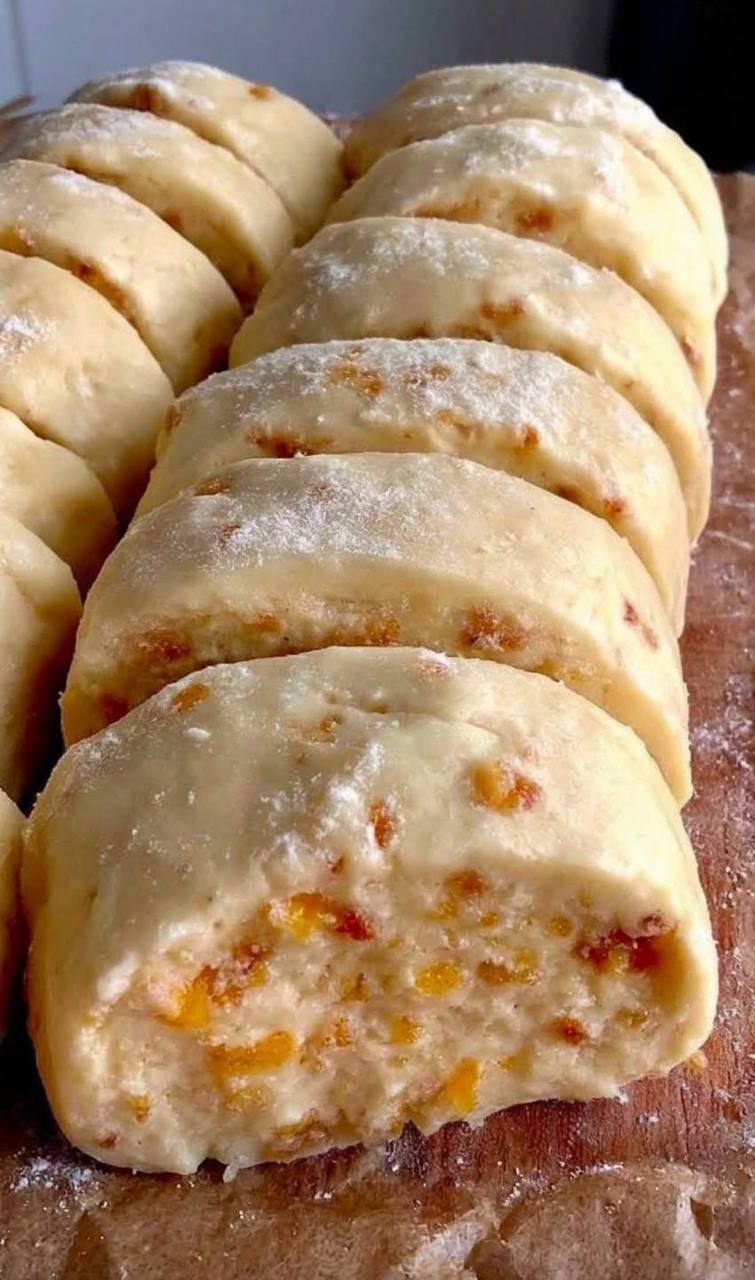
- Turn the dough out onto a lightly floured surface. Gently gather the dough and form it into a compact log, approximately 1 1/2 to 2 inches in diameter and about 8-10 inches long. You can also form two smaller logs if preferred. Wrap the dough log tightly in plastic wrap, ensuring it is sealed well to prevent drying.
- Refrigerate the dough log for at least 2 hours, or preferably overnight. Chilling is crucial for the dough to firm up, making it easier to slice and helping the cookies maintain their shape during baking.
- Preheat your oven to 350°F (175°C). Line two baking sheets with parchment paper or silicone baking mats.
- Remove the chilled dough log from the refrigerator and unwrap it. Using a sharp knife, slice the dough into uniform rounds, about 1/4 inch thick. For best results, try to make the slices as even as possible for consistent baking.
- Place the sliced cookies on the prepared baking sheets, leaving about 1 inch of space between each cookie. The cookies will not spread much, but a little space is good for air circulation.
- Bake for 12-15 minutes, or until the edges are lightly golden and the centers appear set. Shortbread cookies should remain relatively pale in color. The exact baking time may vary depending on your oven and the thickness of your cookies.
- Once baked, remove the baking sheets from the oven and let the cookies cool on the sheets for 5 minutes before carefully transferring them to a wire rack to cool completely. Cooling on the wire rack ensures crispness.
- Once completely cooled, the butterscotch shortbread cookies are ready to be served.
Cooking Tips and Variations
For the absolute best butterscotch shortbread cookies, the quality of your ingredients truly matters. Always use a good quality unsalted butter; it’s the star of shortbread, contributing significantly to its flavor and texture. Ensure your butter is properly softened, not melted, for optimal creaming. If it’s too cold, it won’t cream properly with the sugar, leading to a denser cookie. If it’s too warm or melted, the dough will be greasy and difficult to work with. A good indicator of softened butter is that it should yield slightly when pressed with a finger, but still hold its shape.
Do not overmix the dough once the flour is added. Overmixing develops the gluten in the flour, which will result in tough, chewy cookies instead of the desired tender, crumbly shortbread. Mix only until the flour streaks disappear. The dough will be thick, almost like play-doh, and might seem a little dry at first, but it will come together as you gently press it into a log.
Chilling the dough is perhaps the most critical step for perfect shortbread. It allows the butter to firm up, which prevents the cookies from spreading excessively in the oven and helps them retain their shape. It also makes the dough much easier to slice cleanly. If you’re short on time, you can place the dough log in the freezer for about 30-45 minutes until firm, but a longer chill in the refrigerator yields superior results. If your dough log becomes too firm from chilling overnight, let it sit at room temperature for 5-10 minutes before slicing to prevent cracking.
For uniform slices, which are essential for even baking, use a sharp, thin-bladed knife. You can also try using unflavored dental floss to slice the log, which creates incredibly clean cuts. Pressing down firmly and steadily will help prevent the dough from crumbling. If the dough crumbles a bit during slicing, simply press the pieces back together gently.
Shortbread is meant to be pale, so don’t be tempted to overbake for too much color. The cookies are done when the edges are just barely golden and the centers look set. Overbaking will make them dry and hard, losing their signature melt-in-your-mouth texture.
To vary this recipe, consider adding a pinch of flaky sea salt to the top of each cookie before baking; the salt will beautifully enhance the butterscotch flavor. You could also incorporate a teaspoon of ground cinnamon or a half teaspoon of ground ginger into the flour mixture for a spiced twist. For an extra layer of decadence, drizzle cooled cookies with melted white chocolate or a homemade butterscotch glaze. Experiment with different types of chips too – white chocolate chips or even chopped pecans could be delightful additions, though they would change the core “butterscotch” theme.
Storage and Reheating
Proper storage is key to maintaining the crispness and flavor of your butterscotch shortbread cookies. Once completely cooled, store the cookies in an airtight container at room temperature. They will retain their freshness and delicious texture for up to 1 week. To prevent them from becoming soft, ensure the container is truly airtight and avoid storing them with other items that might introduce moisture, such as softer cookies or brownies. You can also place a piece of parchment paper between layers of cookies to prevent them from sticking together.
For longer storage, butterscotch shortbread cookies freeze exceptionally well. Arrange the completely cooled cookies in a single layer on a baking sheet and freeze for about 30 minutes, or until solid. This flash-freezing step prevents them from sticking together. Once solid, transfer the cookies to a freezer-safe airtight container or a heavy-duty freezer bag. Label with the date. Frozen shortbread cookies can be stored for up to 3 months. When you’re ready to enjoy them, simply remove the desired number of cookies from the freezer and let them thaw at room temperature for about 15-30 minutes. There’s no need to reheat them; they taste wonderful at room temperature.
If your cookies have softened slightly due to humidity or improper storage, you can briefly “re-crisp” them in a preheated oven. Place the cookies on a baking sheet and bake at 250°F (120°C) for about 5-7 minutes. Keep a close eye on them to prevent burning. Let them cool completely on a wire rack, and they should regain some of their original crispness. This method works best for slightly stale cookies, not those that have become very soft.
These cookies are delightful on their own, but they also pair wonderfully with a hot cup of tea or coffee, making them an ideal afternoon treat. They make fantastic homemade gifts, beautifully packaged in a tin or cellophane bag tied with a ribbon. Consider serving them alongside a scoop of vanilla bean ice cream for a simple yet elegant dessert, or crumble them over a fruit compote for added texture and flavor. Their rich butterscotch notes also complement a glass of milk or a festive holiday beverage.
Frequently Asked Questions
Why did my shortbread cookies spread too much?
Shortbread cookies typically don’t spread a lot, but excessive spreading can occur if your butter was too soft or melted when you mixed the dough, or if the dough wasn’t sufficiently chilled before baking. Always ensure your butter is softened but not melted, and chill the dough log for at least 2 hours (or overnight) to firm it up. Baking on a hot baking sheet can also contribute to spreading, so make sure your baking sheets are cool before placing the dough on them.
Can I make the dough ahead of time?
Absolutely! Shortbread dough is excellent for making ahead. You can prepare the dough log, wrap it tightly in plastic wrap, and store it in the refrigerator for up to 3-4 days. Alternatively, you can freeze the dough log for up to 3 months. If freezing, allow it to thaw in the refrigerator overnight before slicing and baking. This makes these cookies perfect for holiday baking or when you need a quick treat on demand.
My cookies are tough, not crumbly. What went wrong?
A tough texture in shortbread usually indicates that the dough was overmixed once the flour was added. Overworking the dough develops the gluten in the flour, which leads to a chewier, tougher cookie rather than the desired tender, melt-in-your-mouth crumbly texture. Mix the flour in on low speed only until just combined and no dry streaks remain. Gentle handling is key for shortbread.