Follow Me On Social Media!
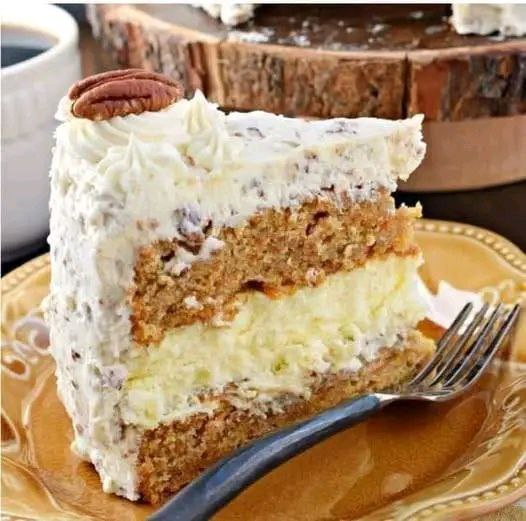
Carrot Cake Cheesecake Cake

Prepare to embark on a culinary journey that marries two of the dessert world’s most beloved creations: the comforting, spiced embrace of carrot cake and the silky, tangy allure of classic cheesecake. This isn’t just a cake; it’s a magnificent Carrot Cake Cheesecake Cake, a true showstopper designed to impress and delight. Imagine layers of moist, tender carrot cake, rich with warm spices and crunchy pecans, perfectly sandwiching a creamy, dreamy cheesecake layer. All of this decadence is then enrobed in a luscious, tangy cream cheese frosting, creating a symphony of flavors and textures in every single bite. It’s the ultimate indulgence, a dessert that promises to be the star of any special occasion, from holiday gatherings to milestone celebrations.
This recipe, while a project, is an incredibly rewarding one. Each component is meticulously crafted to contribute to the overall harmony of the dish. The carrot cake layers are infused with grated carrots, cinnamon, nutmeg, and crunchy pecans, ensuring a moist crumb and delightful spice. The cheesecake layer is pure perfection – smooth, rich, and just the right amount of tangy to cut through the sweetness. And the cream cheese frosting? It’s thick, creamy, and utterly irresistible, studded with even more chopped pecans for an added textural surprise. The visual appeal alone, with its beautifully defined layers, is enough to make mouths water. This isn’t merely a dessert; it’s an experience, a labor of love that culminates in a truly unforgettable treat.
You’ll find that the effort put into creating this Carrot Cake Cheesecake Cake is more than worth it. It offers the best of both worlds, satisfying cravings for both a classic spiced cake and a luxurious cheesecake, all in one stunning package. Perfect for those who can never decide between two favorites, this cake eliminates the need to choose. Its impressive presentation makes it ideal for holidays, birthdays, or any event where you want to serve something truly spectacular. Get ready to bake a masterpiece that will have everyone asking for the recipe!
Nutritional Information
Per serving (approximate values):
- Calories: 720 kcal
- Protein: 8g
- Carbohydrates: 95g
- Fat: 38g
- Fiber: 3g
- Sodium: 450mg
Ingredients
For the Carrot Cake Layers:
- 2 ½ cups all-purpose flour
- 2 cups granulated sugar
- 1 ½ teaspoons baking soda
- 1 teaspoon salt
- 1 ½ teaspoons ground cinnamon
- ½ teaspoon ground nutmeg
- ¼ teaspoon ground cloves
- 1 cup vegetable oil
- 4 large eggs
- 1 teaspoon vanilla extract
- 3 cups finely grated carrots (about 4-5 medium carrots)
- 1 cup chopped pecans, plus more for garnish
For the Cheesecake Layer:
- 24 ounces (3 blocks) cream cheese, softened
- 1 cup granulated sugar
- 1 tablespoon all-purpose flour
- 1 teaspoon vanilla extract
- 3 large eggs
For the Cream Cheese Frosting:
- 16 ounces (2 blocks) cream cheese, softened
- 1 cup (2 sticks) unsalted butter, softened
- 6-8 cups powdered sugar, sifted
- 2 teaspoons vanilla extract
- ½ cup chopped pecans, for mixing into frosting
Instructions
- Prepare the Carrot Cake Layers: Preheat your oven to 350°F (175°C). Grease and flour two 9-inch round cake pans, or line with parchment paper. In a large bowl, whisk together the flour, granulated sugar, baking soda, salt, cinnamon, nutmeg, and cloves.
- In a separate medium bowl, whisk together the vegetable oil, eggs, and vanilla extract. Pour the wet ingredients into the dry ingredients and mix until just combined. Fold in the grated carrots and 1 cup of chopped pecans.
- Divide the batter evenly between the prepared cake pans. Bake for 25-30 minutes, or until a wooden skewer inserted into the center comes out clean. Let the cakes cool in the pans for 10-15 minutes, then invert onto a wire rack to cool completely.
- Prepare the Cheesecake Layer: Reduce oven temperature to 325°F (160°C). Lightly grease a 9-inch springform pan. Wrap the bottom and sides of the springform pan tightly with heavy-duty aluminum foil to prevent water from seeping in during the water bath.
- In a large bowl, beat the softened cream cheese with an electric mixer until smooth. Gradually add the granulated sugar and flour, beating until well combined. Beat in the vanilla extract.
- Add the eggs one at a time, beating on low speed until just incorporated after each addition. Do not overmix.
- Pour the cheesecake batter into the prepared springform pan. Place the springform pan into a larger roasting pan. Fill the roasting pan with hot water to come halfway up the sides of the springform pan.
- Bake for 50-60 minutes, or until the edges are set but the center still jiggles slightly. Turn off the oven, crack the door open, and let the cheesecake cool in the water bath for 1 hour.
- Remove the cheesecake from the water bath, unwrap the foil, and let it cool completely on a wire rack. Once cool, cover and refrigerate for at least 4 hours, or preferably overnight, until thoroughly chilled and firm.
- Prepare the Cream Cheese Frosting: In a large bowl, beat the softened cream cheese and softened butter with an electric mixer until light and fluffy, about 2-3 minutes.
- Gradually add the sifted powdered sugar, 1 cup at a time, beating on low speed until combined, then increase speed to medium and beat until smooth. Beat in the vanilla extract.
- Fold in the ½ cup chopped pecans.
- Assemble the Carrot Cake Cheesecake Cake: Once the carrot cake layers are completely cool and the cheesecake is thoroughly chilled, you can begin assembly.
- Carefully level the tops of the carrot cake layers with a serrated knife if they are domed.
- Place one carrot cake layer on your serving plate or cake stand. Spread a generous layer of cream cheese frosting evenly over the top.
- Carefully remove the cheesecake from the springform pan. Place the chilled cheesecake layer directly on top of the frosting-covered carrot cake layer.
- Spread another layer of cream cheese frosting over the top of the cheesecake layer.
- Carefully place the second carrot cake layer on top of the frosting.
- Use the remaining cream cheese frosting to frost the top and sides of the entire cake. Use an offset spatula to create swirls or smooth the frosting as desired.
- Garnish the top of the cake with additional chopped pecans or whole pecans, if desired.
- Refrigerate the assembled cake for at least 30 minutes before slicing to allow the frosting to set.
- Slice with a sharp, warm knife for clean cuts.
Cooking Tips and Variations
For the moistest carrot cake, ensure your carrots are finely grated. You can use the small holes of a box grater or a food processor with a grating attachment. Don’t pack the grated carrots too tightly when measuring. Room temperature ingredients are crucial for both the cheesecake and the frosting. For the cheesecake, this ensures a smooth, lump-free batter and helps prevent cracking. For the frosting, it guarantees a creamy, easily spreadable consistency. When mixing the cheesecake batter, avoid overmixing once the eggs are added; this can incorporate too much air, leading to cracks during baking. The water bath is essential for even baking and a creamy texture without cracks. Ensure your springform pan is well-sealed with foil to prevent water from seeping in.
For the carrot cake, you can substitute walnuts for pecans, or use a mix of both. For an extra boost of flavor, toast the nuts before adding them to the cake batter and frosting. Simply spread them on a baking sheet and bake at 350°F (175°C) for 5-7 minutes, or until fragrant. Let them cool completely before chopping and adding. If you prefer a less sweet frosting, you can reduce the amount of powdered sugar slightly, but add it gradually and taste as you go. For a lighter carrot cake, you can substitute half of the vegetable oil with unsweetened applesauce. This will slightly alter the texture but can be a good option for those looking to reduce fat. Consider adding a touch of orange zest to the carrot cake batter for a bright, citrusy note that complements the spices beautifully. You could also add a tablespoon of orange juice to the cream cheese frosting for a subtle tang.
When frosting the cake, a “crumb coat” can make a big difference for a professional finish. Apply a thin layer of frosting all over the cake, then refrigerate for 15-20 minutes to set. This traps any loose crumbs. Then, apply your final, thicker layer of frosting. This cake is quite tall, so a long, thin serrated knife is best for slicing. For clean cuts, warm the knife under hot water, wipe it dry, and then slice. Repeat for each slice. This will prevent the cheesecake from sticking and tearing. If you don’t have two 9-inch cake pans, you can bake the carrot cake layers in batches, but ensure each layer cools completely before frosting. Alternatively, you can use three 8-inch cake pans for slightly thinner carrot cake layers, adjusting baking time as needed.
Storage and Reheating
Due to the cream cheese in both the cheesecake layer and the frosting, this cake must be stored in the refrigerator. To store, place the cake in an airtight cake carrier or cover it loosely with plastic wrap. It will keep well in the refrigerator for up to 5-7 days. For the best flavor and texture, allow the cake to sit at room temperature for about 30-60 minutes before serving. This allows the frosting and cheesecake to soften slightly, enhancing their creamy consistency. Do not leave the cake out at room temperature for more than 2 hours to maintain food safety.
This Carrot Cake Cheesecake Cake also freezes beautifully. To freeze, first place the cake (uncovered) in the freezer for 1-2 hours, or until the frosting is firm. This “flash freezing” prevents the frosting from sticking to the wrapping. Once firm, wrap the entire cake tightly in several layers of plastic wrap, then an additional layer of aluminum foil. You can also freeze individual slices by wrapping them securely. The cake can be stored in the freezer for up to 2-3 months. To thaw, transfer the frozen cake (still wrapped) to the refrigerator and let it thaw overnight. Once thawed, let it come to room temperature for 30-60 minutes before serving. Do not attempt to reheat this cake in the microwave or oven, as it will ruin the texture of the cheesecake and frosting.
Frequently Asked Questions
What kind of carrots should I use for carrot cake?
For the best flavor and moisture, use fresh, firm carrots. Standard orange carrots are perfect. Avoid “baby carrots” as they tend to be drier and less flavorful. Finely grate the carrots using the small holes of a box grater or a food processor for a tender cake texture. Larger shreds can make the cake too chunky.
Can I make the cheesecake layer ahead of time?
Absolutely! The cheesecake layer is best made at least one day in advance, as it requires significant chilling time to set properly. You can make it up to 2-3 days before assembling the cake. Just ensure it’s tightly covered in the refrigerator once cooled to prevent it from absorbing any odors.
My cheesecake cracked, what went wrong?
Cheesecake cracks are often caused by overmixing the batter (which incorporates too much air), baking at too high a temperature, or cooling too quickly. Using a water bath is crucial for even baking and helps prevent cracks. Also, allowing the cheesecake to cool gradually in the oven with the door ajar before removing it helps prevent sudden temperature changes that can cause cracking. Even if it cracks, it will still taste delicious, and the cream cheese frosting will hide any imperfections!
How can I make sure my cake layers are level?
To ensure even layers, use a kitchen scale to divide your carrot cake batter equally between the two pans. After baking and cooling, if the tops of your cake layers are slightly domed, use a long, serrated knife (like a bread knife) to carefully level them. Place the cake layer on a flat surface and saw gently across the top to remove the dome, creating a flat surface for stacking. Alternatively, you can buy cake leveling tools.