Follow Me On Social Media!

Chia Seeds: Nutritional Value, Benefits, and Safe Ways to Consume

Introduction
In the bustling world of health and wellness, certain foods rise to superstardom, and among them, the humble chia seed shines brightly. These tiny, unassuming seeds, derived from the Salvia hispanica plant, boast a rich history dating back to ancient Aztec and Mayan civilizations, where they were revered as a vital energy source and a staple of their diet. Often translated as “strength” in the Mayan language, chia seeds were once a crucial component for warriors and messengers, fueling their endurance and vitality. Today, these miniature powerhouses are experiencing a well-deserved resurgence, captivating health enthusiasts and home cooks alike with their remarkable nutritional profile and incredible versatility.
What makes chia seeds so special? Beyond their historical significance, it’s their unique ability to transform from a hard, tiny seed into a gelatinous marvel when soaked in liquid, creating a pudding-like texture that is both satisfying and delightfully easy to digest. This characteristic, coupled with their neutral flavor, makes them an incredibly adaptable ingredient, effortlessly blending into a myriad of dishes without overpowering other flavors. Their growing popularity isn’t just a trend; it’s a testament to their potent health benefits and the ease with which they can be incorporated into almost any meal, from breakfast bowls to decadent desserts.
This article delves deep into the world of chia seeds, exploring their impressive nutritional value that has earned them the title of a modern-day superfood. We’ll uncover the science-backed health benefits that make them a must-have in your pantry, from supporting heart health to aiding digestion and even helping to manage blood sugar levels. Most importantly, we’ll guide you through safe and delicious ways to consume these tiny titans, ensuring you can harness their full potential to boost your overall well-being. Get ready to unlock the secrets of chia seeds and discover how these ancient gems can revolutionize your diet and health.
Nutritional Information
Per serving (approximate values for 2 tablespoons or 1 ounce of dry chia seeds):
- Calories: 138 kcal
- Protein: 4.7g
- Carbohydrates: 11.9g
- Fat: 8.7g
- Fiber: 9.8g
- Sodium: 5mg
Ingredients
- 1/4 cup chia seeds
- 1 cup liquid (such as almond milk, coconut milk, soy milk, or regular dairy milk)
- 1-2 tablespoons sweetener (maple syrup, honey, agave nectar, or stevia to taste)
- 1/2 teaspoon vanilla extract (optional)
- Pinch of salt (optional, to enhance flavors)
- Optional toppings: fresh berries, sliced banana, chopped nuts, shredded coconut, granola, cocoa powder, cinnamon
Instructions
- In a medium-sized jar or bowl, combine the chia seeds, your chosen liquid, sweetener, vanilla extract (if using), and a pinch of salt (if desired).
- Stir the mixture thoroughly with a spoon or whisk for about 1-2 minutes, ensuring there are no clumps of chia seeds stuck together at the bottom or sides of the container. It’s crucial to mix well at this stage to prevent the seeds from clumping and to ensure even hydration.
- Once thoroughly mixed, cover the jar or bowl. You can use a lid, plastic wrap, or a small plate.
- Place the covered mixture in the refrigerator for at least 2 hours. For the best consistency and flavor, it is highly recommended to refrigerate it overnight. During this time, the chia seeds will absorb the liquid and swell, creating a thick, gel-like pudding.
- After refrigeration, remove the chia pudding. Give it another good stir. If the pudding is too thick for your preference, you can add a tablespoon or two more of your chosen liquid and stir again until you reach the desired consistency. If it’s too thin, you may need to add a tiny bit more chia seeds and let it sit for another 30 minutes, though this is less common with the recommended ratio.
- Taste the pudding and adjust the sweetness if necessary. You can add more sweetener and stir it in thoroughly.
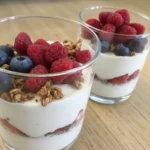
- Serve the chia pudding chilled. Garnish with your favorite toppings just before serving. Fresh berries like strawberries, blueberries, or raspberries, sliced banana, a sprinkle of chopped nuts or shredded coconut, or a dusting of cocoa powder or cinnamon are all excellent choices.
- Enjoy your nutritious and delicious chia pudding as a healthy breakfast, a satisfying snack, or even a light dessert.
Cooking Tips and Variations
Achieving the perfect chia pudding consistency often comes down to the liquid-to-chia seed ratio. A good starting point is 1 part chia seeds to 4 parts liquid. If you prefer a thicker, more spoonable pudding, you can slightly decrease the liquid or increase the chia seeds. For a thinner, more drinkable consistency, add a little more liquid. Remember that different types of milk (e.g., thicker coconut milk versus thinner almond milk) can also subtly affect the final texture, so feel free to experiment to find your ideal balance.
For an extra creamy texture, you can blend about half of your chia pudding mixture in a high-speed blender after it has set, then stir it back into the remaining pudding. This breaks down some of the gelled seeds, resulting in a smoother, almost mousse-like consistency. Another tip for optimal texture is to give the pudding a good stir about 15-20 minutes after the initial mix, before it fully sets. This helps redistribute any seeds that might have settled at the bottom and ensures a more uniform gel.
The beauty of chia pudding lies in its endless customization possibilities. For a chocolate lover’s dream, whisk in 1-2 tablespoons of unsweetened cocoa powder along with the other ingredients. A touch of instant coffee can also enhance the chocolate flavor. If you’re a fan of tropical tastes, try using coconut milk as your liquid base and topping with mango chunks and shredded coconut. For a vibrant and fruity pudding, blend fresh or frozen berries into your liquid before mixing with chia seeds, or layer your chia pudding with fruit compotes or jams.
Spices can elevate your chia pudding to new heights. A dash of cinnamon, nutmeg, or cardamom can add warmth and complexity, especially when paired with ingredients like apple or pear. You can also make a savory chia pudding by omitting the sweetener and adding ingredients like vegetable broth as the liquid, along with herbs, spices, and finely diced vegetables. This makes for an unconventional but healthy lunch option. For those seeking an extra protein boost, feel free to mix in a scoop of your favorite protein powder along with the liquid ingredients, ensuring it’s well-dissolved before adding the chia seeds.
Finally, consider making a large batch of plain chia pudding at the beginning of the week. This allows you to portion it out daily and customize each serving with different toppings and flavorings, preventing taste fatigue and keeping your breakfast or snack routine exciting. Store the plain base in individual jars for quick grab-and-go meals.
Storage and Reheating
Chia pudding is an excellent make-ahead meal or snack, perfect for meal prepping. Once prepared, it should be stored in an airtight container in the refrigerator. When stored properly, plain chia pudding (without fresh fruit toppings that might spoil quickly) will keep well for up to 3-5 days. If you’ve added fresh fruit, especially softer fruits like berries or bananas, it’s best to consume the pudding within 2-3 days, as the fruit can become mushy or alter the texture and freshness of the pudding over time. For optimal freshness, it’s always recommended to add fresh toppings just before serving.
Due to its nature, chia pudding is typically enjoyed cold, straight from the refrigerator. Reheating is generally not recommended as it can alter the unique gel-like texture that makes chia pudding so appealing. Heating chia seeds can cause them to lose some of their beneficial properties, and the pudding may become less appealing in consistency. If you prefer a warm breakfast, you might consider adding chia seeds to hot oatmeal or a warm smoothie rather than reheating prepared chia pudding.
If you find your chia pudding has become too thick after a few days in the refrigerator, simply stir in a tablespoon or two of your preferred liquid (milk, water, or juice) until it reaches your desired consistency. It’s a very forgiving dish in that regard! Always give it a good stir before serving, as some liquid separation can occur over time, which is completely normal.
Frequently Asked Questions
What are the main health benefits of consuming chia seeds?
Chia seeds are a nutritional powerhouse packed with benefits. They are an excellent source of dietary fiber, which aids digestion, promotes regularity, and helps maintain a healthy gut microbiome. Their high content of Omega-3 fatty acids (specifically ALA) is crucial for heart health, helping to lower bad cholesterol (LDL) and triglycerides, and reducing inflammation. Chia seeds also contribute to blood sugar regulation by slowing down sugar absorption due to their soluble fiber content. Furthermore, the combination of fiber and protein promotes satiety, helping to curb hunger and support weight management efforts. They also provide essential minerals like calcium, magnesium, and phosphorus, which are vital for bone health, and are rich in antioxidants that combat free radicals.
Can I eat chia seeds dry, or do they always need to be soaked?
While you can technically eat chia seeds dry, it is generally not recommended, especially in significant quantities. Dry chia seeds are extremely absorbent and can soak up a large amount of liquid from your digestive tract, potentially leading to discomfort, bloating, or even a choking hazard if they expand in the esophagus. It is always safest and most beneficial to consume chia seeds after they have been soaked in liquid (like in chia pudding, smoothies, or water) or incorporated into moist foods like oatmeal or baked goods. Soaking allows them to form their characteristic gel, making them easier to digest and ensuring you reap their full nutritional benefits without risk.
How much chia seeds should I consume daily?
There isn’t a strict official daily recommended intake for chia seeds, but most health professionals suggest starting with a small amount and gradually increasing it. A common recommendation is 1 to 2 tablespoons (approximately 15-30 grams) per day. This amount is typically sufficient to provide significant nutritional benefits without causing digestive upset. It’s crucial to ensure adequate hydration when consuming chia seeds, especially if you’re increasing your intake, due to their high fiber content. If you’re new to chia seeds, start with just one tablespoon a day and observe how your body reacts before increasing the amount.
Are there any side effects or precautions when eating chia seeds?
While generally safe and beneficial, some individuals may experience side effects, particularly if they consume large amounts quickly without adequate hydration. These can include digestive issues like bloating, gas, or constipation due to the high fiber content. It’s important to increase intake gradually and drink plenty of water. Individuals with dysphagia (swallowing difficulties) should be cautious, as the gel-forming property could pose a choking risk if not properly hydrated. People on certain medications, such as blood thinners (due to the omega-3 content) or blood pressure medications, should consult their doctor before significantly increasing chia seed intake, as they may have mild blood-thinning or blood pressure-lowering effects. Allergies, though rare, are also possible.