Follow Me On Social Media!
Chia Seeds Nutritional Value Benefits and Safe Ways to Consume

Chia Seeds Nutritional Value Benefits and Safe Ways to Consume
Introduction
In the vast world of superfoods, few tiny titans pack as much nutritional punch as the humble chia seed. Once a staple of ancient Aztec and Mayan diets, these minuscule powerhouses have surged in popularity in modern kitchens, not just for their versatility but for their incredible health benefits. From their satisfying crunch to their unique ability to transform into a gel-like consistency, chia seeds are much more than just a passing trend; they are a fundamental ingredient for anyone seeking to boost their wellness journey.
Often overlooked due to their small stature, chia seeds are a testament to the idea that great things come in small packages. Their growing popularity is well-deserved, stemming from centuries of historical use as a vital energy source. Today, they are celebrated globally by health enthusiasts, chefs, and home cooks alike for their remarkable nutritional profile and ease of integration into countless dishes. They’ve earned their spot as a go-to for everything from energizing breakfasts to healthy desserts.
This article will delve deep into the impressive nutritional profile of chia seeds, uncovering the diverse health benefits they offer, and providing practical, safe ways to incorporate them into your daily diet. Whether you’re a seasoned superfood connoisseur or just beginning your journey into healthy eating, prepare to discover why these tiny seeds deserve a prominent place in your pantry.
The Nutritional Goldmine of Chia Seeds
Chia seeds are truly a nutritional marvel, offering a dense array of macronutrients and micronutrients that contribute significantly to overall health. Despite their small size, they are packed with essential components that support various bodily functions.
Macronutrients
- Fiber: Chia seeds are an excellent source of both soluble and insoluble fiber. Soluble fiber forms a gel in water, which helps slow digestion, promotes satiety, and stabilizes blood sugar levels. Insoluble fiber adds bulk to stool, aiding in regular bowel movements and preventing constipation. This combination is crucial for digestive health and helps you feel fuller for longer.
- Protein: As a plant-based source, chia seeds provide a complete protein profile, meaning they contain all nine essential amino acids that the body cannot produce on its own. This makes them an invaluable addition for vegetarians, vegans, and anyone looking to increase their protein intake, supporting muscle repair, growth, and overall bodily functions.
- Healthy Fats: Chia seeds are renowned for their high content of Omega-3 fatty acids, particularly alpha-linolenic acid (ALA). ALA is a crucial essential fatty acid vital for heart health, brain function, and reducing inflammation. These healthy fats contribute to a balanced diet and play a significant role in preventing chronic diseases.
Micronutrients
- Minerals: These tiny seeds are rich in several vital minerals. They are an excellent source of calcium, which is essential for bone health and muscle function; magnesium, important for nerve function and blood sugar control; phosphorus, critical for bone and teeth formation; and manganese, a trace mineral involved in bone development and metabolism.
- Antioxidants: Chia seeds are loaded with antioxidants, which are compounds that fight free radicals in the body. Free radicals can cause oxidative stress, leading to cell damage and contributing to chronic diseases and aging. The antioxidants in chia seeds help protect cells, reduce inflammation, and support overall cellular health.
It’s important to note their calorie density. While incredibly nutritious, a small serving (about two tablespoons) contains a fair amount of calories, making portion control important, especially for those managing weight.
Unpacking the Health Benefits
The impressive nutritional profile of chia seeds translates into a wide array of health benefits that impact nearly every system in the body.
Cardiovascular Health
- Lowering Bad Cholesterol (LDL): The high fiber content, particularly soluble fiber, helps bind to cholesterol in the digestive tract, preventing its absorption and aiding in its excretion. The Omega-3 fatty acids also play a role in improving cholesterol profiles.
- Cleaning Arteries (Improving Blood Vessel Function): Omega-3s, specifically ALA, are known to reduce inflammation and improve the elasticity of blood vessels, contributing to healthier arteries and better overall cardiovascular function.
- Blood Pressure Regulation: The combination of Omega-3s, fiber, and minerals like magnesium can contribute to maintaining healthy blood pressure levels, reducing the risk of hypertension.
Blood Sugar Management
- Regulating Blood Sugar: The soluble fiber in chia seeds forms a gel that slows down the digestion and absorption of carbohydrates. This leads to a more gradual rise in blood sugar levels after meals, preventing spikes and crashes.
- Potential for Diabetes Management and Prevention: This blood sugar-stabilizing effect makes chia seeds a valuable food for individuals with diabetes or those at risk of developing type 2 diabetes.
Weight Management & Satiety
- Cutting Hunger: When chia seeds absorb liquid, they expand significantly in the stomach, creating a feeling of fullness that helps reduce overall calorie intake.
- Promoting Fullness and Reducing Overall Calorie Intake: The combination of fiber and protein contributes to increased satiety, making it easier to stick to dietary goals and manage weight effectively.
Digestive Health
- Promoting Regularity and Preventing Constipation: The abundant insoluble fiber adds bulk to stool, facilitating smooth bowel movements. Soluble fiber also helps maintain moisture in the digestive tract.
- Supporting a Healthy Gut Microbiome: The fiber acts as a prebiotic, feeding beneficial gut bacteria. A healthy gut microbiome is crucial for digestion, immunity, and even mood regulation.
Bone Health
- Rich in Calcium, Phosphorus, and Magnesium: Chia seeds contain several key minerals essential for strong bones and teeth. For individuals who avoid dairy, they offer a significant plant-based source of calcium.
Anti-inflammatory Properties
The Omega-3 fatty acids and antioxidants present in chia seeds contribute to their powerful anti-inflammatory effects. Chronic inflammation is linked to numerous health issues, and incorporating anti-inflammatory foods like chia seeds can help mitigate these risks.
Safe and Delicious Ways to Consume Chia Seeds
While chia seeds are incredibly beneficial, understanding the best ways to prepare and consume them is crucial for maximizing their benefits and ensuring safety.
The Importance of Soaking
Soaking chia seeds is perhaps the most important step for safe and effective consumption.
- Hydration and Gel Formation: When soaked in liquid, chia seeds absorb up to 10-12 times their weight, forming a gelatinous coating. This gel-like consistency is what makes them so versatile for puddings and thickeners.
- Enhancing Nutrient Absorption: Soaking helps break down the outer layer of the seed, making the nutrients more bioavailable and easier for your body to digest and absorb.
- Preventing Potential Choking Hazards: Consuming dry chia seeds, especially in larger quantities, can be a choking hazard as they absorb moisture rapidly and expand. Soaking them beforehand eliminates this risk, particularly for individuals with dysphagia or difficulty swallowing. Always ensure they are fully hydrated before consumption.
Practical Consumption Methods
The versatility of chia seeds means they can be easily incorporated into countless meals.
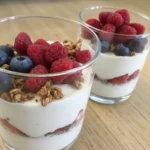
- Chia Pudding (Overnight Oats Style): This is arguably the most popular method. Simply combine chia seeds with a liquid (milk, plant-based milk, water), a sweetener, and flavorings, then refrigerate overnight until thick and creamy.
- Smoothies and Shakes: Add a tablespoon or two to your favorite smoothie recipe for an instant boost of fiber, protein, and Omega-3s. They will subtly thicken the smoothie.
- Toppings (Yogurt, Oatmeal, Salads): Sprinkle dry or pre-soaked chia seeds over yogurt, oatmeal, fruit salads, or even savory salads for added texture and nutrients. If using dry, ensure you drink plenty of water with your meal.
- Baking (Egg Substitute, Added Fiber in Muffins, Bread): For a vegan egg substitute, mix 1 tablespoon of ground chia seeds with 3 tablespoons of water and let it sit for 5-10 minutes until it forms a gel. This “chia egg” can replace one egg in many recipes. You can also add whole chia seeds to muffins, breads, and energy bars for extra fiber and healthy fats.
- Chia Fresca (Drinks): A refreshing beverage made by combining chia seeds with water, lime or lemon juice, and a sweetener. It’s hydrating and provides an energy boost.
Recommended Daily Intake and Considerations
- Starting Small and Gradually Increasing: If you’re new to chia seeds, begin with a small amount, such as 1 teaspoon per day, and gradually increase to 1-2 tablespoons (around 15-30 grams) per day. This allows your digestive system to adjust to the increased fiber intake.
- Hydration is Key When Consuming Chia Seeds: Always drink plenty of water throughout the day, especially when consuming chia seeds, regardless of whether they are pre-soaked. This helps the fiber move smoothly through your digestive system.
- Potential Side Effects (Bloating, Gas) and How to Mitigate Them: Rapidly increasing fiber intake can sometimes lead to digestive discomfort like bloating, gas, or constipation. To mitigate this, increase your intake slowly and ensure adequate hydration.
- Who Should Be Cautious: Individuals on blood thinners should consult their doctor due to the Omega-3s’ blood-thinning properties. People with dysphagia (difficulty swallowing) should only consume fully hydrated, gel-like chia seeds. Those with inflammatory bowel conditions should also introduce them cautiously.
Simple Chia Seed Pudding Recipe
This basic recipe is a fantastic starting point for enjoying chia seeds and can be customized endlessly.
Ingredients
- 2 tablespoons chia seeds
- 1 cup milk (dairy or plant-based like almond, oat, or coconut milk)
- 1-2 teaspoons sweetener (maple syrup, honey, agave, or a sugar substitute)
- 1/4 teaspoon vanilla extract (optional)
- Pinch of salt (optional, enhances flavor)
Step-by-step instructions
- In a jar or container with a lid, combine the chia seeds, milk, sweetener, vanilla extract (if using), and salt (if using).
- Stir well to ensure there are no clumps of chia seeds stuck together. You want them evenly distributed in the liquid.
- Cover the container and refrigerate for at least 2-4 hours, or preferably overnight, until the mixture has thickened to a pudding-like consistency.
- Before serving, give it another good stir. If it’s too thick, you can add a splash more milk to reach your desired consistency.
- Serve chilled and enjoy plain, or with your favorite toppings.
Customization Ideas
- Fruits: Top with fresh berries, sliced banana, mango, kiwi, or a dollop of fruit compote.
- Sweeteners: Adjust the amount of sweetener to your taste, or experiment with different options like stevia or monk fruit.
- Flavorings: Add a sprinkle of cinnamon or cocoa powder for different flavor profiles. A spoonful of nut butter can also add richness and extra protein.
- Texture: Layer with granola, chopped nuts, or shredded coconut for added crunch.
Conclusion: Embrace the Power of Chia
From their ancient origins to their modern-day superfood status, chia seeds have proven their worth as an essential component of a healthy diet. Their unparalleled nutritional profile, boasting fiber, protein, Omega-3s, and a wealth of essential minerals, translates into a remarkable array of health benefits.
By incorporating these tiny powerhouses into your meals, you can actively support cardiovascular health, regulate blood sugar, aid in weight management, promote digestive regularity, strengthen bones, and reduce inflammation throughout your body. Their versatility means they can effortlessly elevate everything from your morning smoothie to your evening dessert, making healthy eating both simple and delicious.
So, take the leap and embrace the power of chia. Start with a small amount, ensure proper hydration, and explore the myriad of ways these incredible seeds can enhance your well-being. Your body will thank you for welcoming this humble yet mighty ingredient into your daily routine.