Follow Me On Social Media!
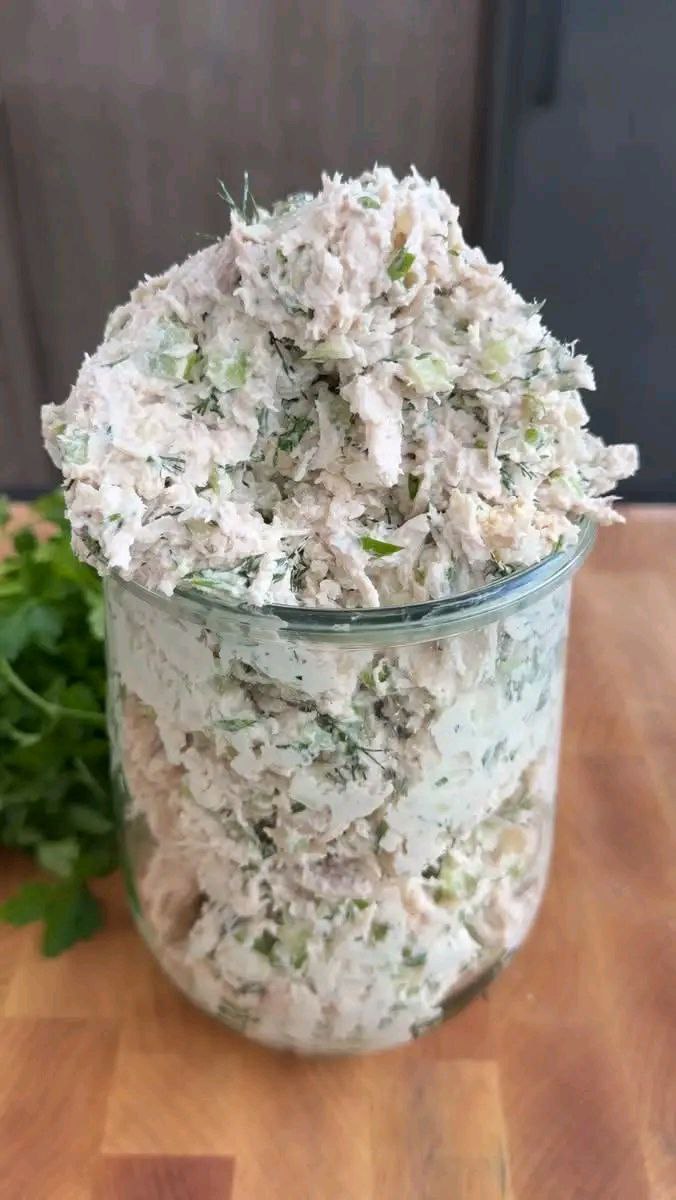
Creamy Chicken Salad

Introduction
There are some dishes that just scream comfort, versatility, and pure deliciousness. Chicken salad is undeniably one of them. A true culinary chameleon, it effortlessly transitions from a quick weekday lunch to a sophisticated brunch offering, always delivering a satisfying and flavorful experience. Its widespread popularity stems from its simplicity, adaptability, and the sheer joy of a perfectly balanced bite. Whether tucked into a sandwich, scooped onto crackers, or nestled in a crisp lettuce cup, chicken salad has earned its place as a beloved staple in kitchens worldwide.
While many chicken salad recipes exist, this particular rendition focuses on achieving an unparalleled level of creaminess, coupled with a bright and herbaceous flavor profile that will leave you wanting more. We’ve meticulously crafted this recipe to ensure every spoonful is rich, tender, and bursting with freshness. We’ll dive into the secrets behind its luscious texture and the thoughtful combination of ingredients that elevate it beyond the ordinary. Prepare to discover your new go-to chicken salad recipe, one that’s not just easy to make, but incredibly rewarding to eat.
Beyond its incredible taste, this creamy chicken salad is also remarkably versatile. It’s the perfect make-ahead meal, ideal for meal prepping throughout the week. Use it for classic sandwiches, elegant open-faced toasts, or as a protein-packed addition to a garden salad. It’s also a fantastic way to utilize leftover cooked chicken, transforming it into something new and exciting. Get ready to impress your taste buds and simplify your meal planning with this irresistibly creamy chicken salad.
Nutritional Information
Per serving (approximate values):
- Calories: 380
- Protein: 30g
- Carbohydrates: 5g
- Fat: 27g
- Fiber: 1g
- Sodium: 450mg
Ingredients
- 3 cups cooked chicken, shredded or finely diced (about 1.5 lbs raw chicken breast)
- 1 cup mayonnaise, full-fat for best creaminess
- 2 stalks celery, finely diced (about 1/2 cup)
- 1/4 cup fresh dill, finely chopped
- 2 green onions, thinly sliced (white and light green parts)
- 2 tablespoons fresh parsley, finely chopped
- 1 tablespoon Dijon mustard
- 1 tablespoon fresh lemon juice
- 1/2 teaspoon salt, or to taste
- 1/4 teaspoon black pepper, freshly ground, or to taste
Instructions
- Prepare the Chicken: If starting with raw chicken, poach or bake your chicken breasts until fully cooked. To poach, place chicken breasts in a pot, cover with water or broth, bring to a gentle simmer, then reduce heat and cook for 10-15 minutes or until internal temperature reaches 165°F (74°C). Allow chicken to cool completely before shredding or dicing. For shredded chicken, use two forks or a stand mixer with a paddle attachment. For diced chicken, cut into 1/2-inch pieces.
- Chop Vegetables and Herbs: Finely dice the celery. Finely chop the fresh dill and parsley. Thinly slice the green onions, using both the white and light green parts for flavor and color.
- Combine Wet Ingredients: In a large mixing bowl, combine the mayonnaise, Dijon mustard, and fresh lemon juice. Whisk until smooth and well combined. The Dijon mustard and lemon juice are crucial here; the mustard adds a subtle tang and emulsifying properties, while the lemon juice brightens the overall flavor profile, cutting through the richness of the mayonnaise.
- Add Seasoning: Stir in the salt and freshly ground black pepper into the mayonnaise mixture. Taste and adjust seasoning as needed. Remember, it’s easier to add more than to take away.
- Incorporate Chicken and Vegetables: Add the cooled, shredded or diced chicken, finely diced celery, chopped fresh dill, sliced green onions, and chopped fresh parsley to the bowl with the mayonnaise mixture.
- Gently Mix: Using a spatula or large spoon, gently fold all the ingredients together until the chicken and vegetables are evenly coated with the creamy dressing. Be careful not to overmix, as this can break down the chicken too much and lead to a less desirable texture. The goal is just to combine everything thoroughly.
- Chill for Best Flavor: Cover the bowl with plastic wrap and refrigerate for at least 30 minutes, or ideally 1-2 hours. Chilling allows the flavors to meld and deepen, resulting in a much more cohesive and delicious chicken salad. This step is essential for the best possible taste and texture.
- Serve and Enjoy: Once chilled, give the chicken salad a final stir. Taste again and adjust salt and pepper if necessary. Serve immediately as desired.
Cooking Tips and Variations
Achieving the perfect creamy chicken salad is all about technique and using quality ingredients. Here are some tips to elevate your recipe and some variations to keep things interesting:
- Chicken Preparation is Key: For the most tender chicken, poaching is often preferred. Simmering chicken breasts gently in water or broth keeps them moist and easy to shred. If you’re short on time, a good quality rotisserie chicken is an excellent shortcut. Simply remove the skin and bones, then shred or dice the meat. Avoid using dry, overcooked chicken, as it will result in a less pleasant texture.
- Don’t Skimp on the Mayo: While there are healthier alternatives, full-fat mayonnaise provides the quintessential creamy texture and rich flavor. If you prefer a lighter option, you can substitute half of the mayonnaise with plain Greek yogurt. This will add a tangier note and reduce the fat content, but it won’t be quite as rich.
- The Power of Fresh Herbs: Fresh dill, parsley, and green onions are non-negotiable for this recipe. They provide a vibrant, fresh flavor that dried herbs simply cannot replicate. Feel free to experiment with other fresh herbs like chives, tarragon, or even a touch of fresh mint for a unique twist.
- Add Crunch and Texture: The celery provides a lovely crisp texture, but don’t stop there. Consider adding toasted pecans, walnuts, or almonds for a nutty crunch. Diced apples (like Honeycrisp or Granny Smith) or grapes can add a touch of sweetness and a different kind of crispness.
- Boost the Flavor Profile: A teaspoon of curry powder can transform this into a delicious curry chicken salad. A pinch of smoked paprika adds a subtle smoky depth. For an extra zing, add some lemon zest along with the lemon juice. A dash of hot sauce or red pepper flakes can introduce a pleasant kick.
- Seasoning is Crucial: Always taste and adjust your seasoning. The amount of salt and pepper needed can vary based on the chicken and mayonnaise. It’s best to start with the recommended amount and add more gradually until it tastes just right.
- Avoid Overmixing: Once you add the chicken and vegetables to the dressing, mix gently. Overmixing can cause the chicken to become mushy and release too much moisture, leading to a watery chicken salad.
- Let it Chill: This step is vital! Chilling allows all the flavors to meld together and the dressing to thicken slightly, resulting in a more cohesive and delicious end product. Don’t skip it if you want the best possible flavor.
Storage and Reheating
Chicken salad is a fantastic make-ahead dish, but proper storage is key to maintaining its freshness and safety. Since it contains mayonnaise and chicken, which are perishable, careful handling is essential.
Store your creamy chicken salad in an airtight container in the refrigerator. This will keep it fresh and prevent it from absorbing odors from other foods in your fridge. Properly stored, homemade chicken salad typically lasts for 3 to 4 days in the refrigerator. Always use your best judgment; if it smells off or looks discolored, it’s best to discard it.
Chicken salad is generally not recommended for freezing. The mayonnaise-based dressing can separate and become watery or oily upon thawing, and the celery can lose its crispness, resulting in a less appealing texture. If you anticipate having leftovers, it’s better to make a smaller batch or plan to consume it within the recommended refrigeration period.
As for reheating, chicken salad is traditionally served cold or at room temperature. Reheating it, especially in a microwave, can alter the texture of the chicken, make the dressing separate, and cause the vegetables to become soft. It’s best to enjoy it directly from the refrigerator. If you prefer it slightly less cold, simply take it out of the fridge about 15-20 minutes before serving, but do not leave it at room temperature for more than 2 hours.
Frequently Asked Questions
Can I use Greek yogurt instead of mayonnaise?
Yes, you can substitute some or all of the mayonnaise with plain Greek yogurt for a lighter, tangier version. If you use all Greek yogurt, the texture will be less rich and the flavor more tart, but it’s a popular and healthier alternative. A common compromise is to use half mayonnaise and half Greek yogurt to get the best of both worlds.
How can I make this chicken salad spicier?
To add a kick to your creamy chicken salad, you have several options. You can mix in a pinch of red pepper flakes, a dash of your favorite hot sauce, or finely diced jalapeños (remove seeds for less heat). A touch of cayenne pepper or a small amount of finely minced chipotle in adobo sauce can also add a smoky heat element.
What’s the best way to cook chicken for chicken salad?
Poaching chicken breasts is often considered the best method for chicken salad as it yields very tender and moist chicken that’s easy to shred or dice. Simply simmer chicken breasts in water or broth until cooked through. Baking or grilling chicken breasts also works well, just be careful not to overcook them, as dry chicken will result in a dry chicken salad. Using a store-bought rotisserie chicken is a fantastic time-saving option.
Can I add fruit to this chicken salad?
Absolutely! Adding fruit is a popular variation that introduces a delightful sweetness and texture. Common additions include diced red or green grapes, chopped apples (Granny Smith or Honeycrisp work well for their crispness), or even dried cranberries or cherries. If adding fresh fruit, stir it in just before serving to maintain its freshness and prevent it from becoming too soft.