Follow Me On Social Media!
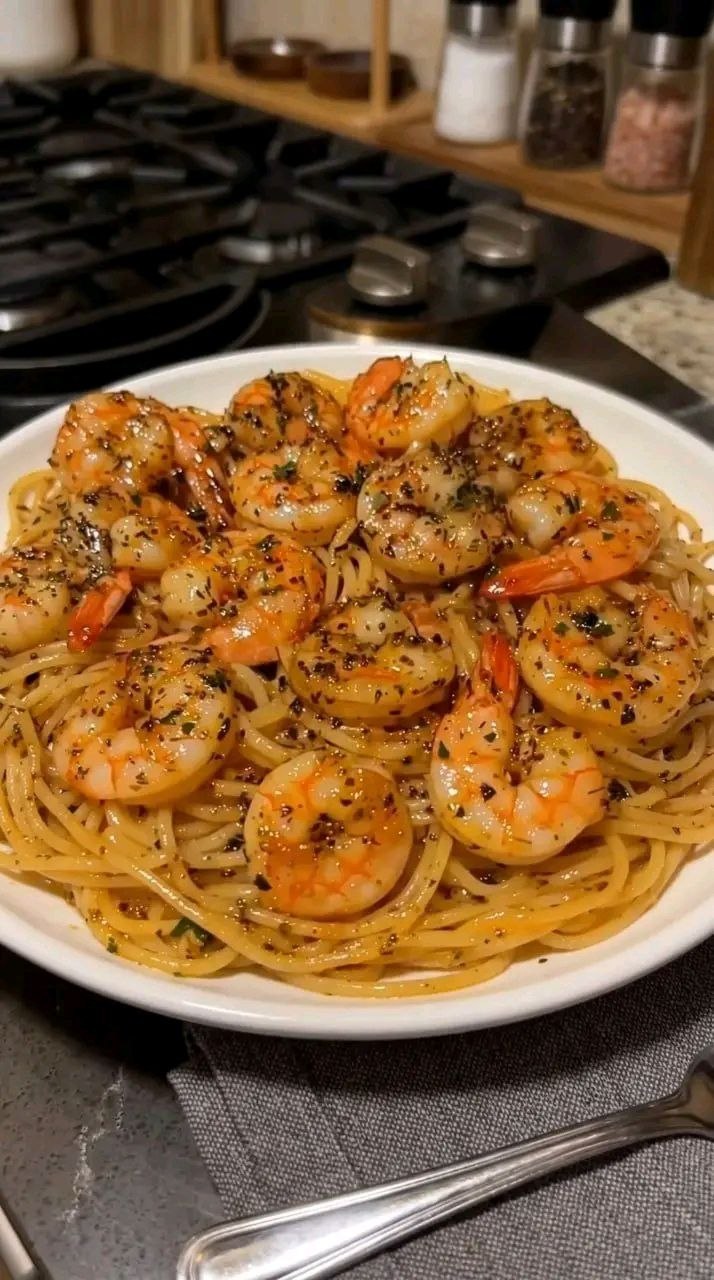
Creamy Garlic Shrimp

Introduction
Prepare to be swept away by the luxurious simplicity of Creamy Garlic Shrimp, a dish that effortlessly combines elegance with everyday ease. This culinary marvel transforms humble shrimp and pasta into a rich, flavorful, and incredibly satisfying meal that’s perfect for a busy weeknight yet impressive enough for a special occasion. Imagine succulent shrimp, perfectly cooked until pink and tender, bathed in a velvety sauce infused with aromatic garlic and a hint of fresh herbs – it’s a symphony of flavors and textures that will tantalize your taste buds and leave you craving more.
The allure of Creamy Garlic Shrimp lies in its irresistible combination of decadent creaminess and the pungent, savory punch of garlic. This isn’t just a meal; it’s an experience. The sauce, often clinging beautifully to al dente pasta, creates a harmonious blend that’s both comforting and exciting. It’s a dish that speaks to the soul, offering a warmth and richness that few other recipes can match, all while being surprisingly quick to prepare, making it a true lifesaver for those evenings when time is of the essence but flavor cannot be compromised.
What makes this dish truly special is its ability to deliver maximum flavor with minimal fuss. From prep to plate, you’re looking at a meal that comes together in under 30 minutes, proving that gourmet-level taste doesn’t require hours in the kitchen. Whether you’re a seasoned chef or a kitchen novice, Creamy Garlic Shrimp is an approachable recipe that promises delicious results every time. Its universal appeal stems from its comforting familiarity, elevated by the bright, zesty notes of garlic and the silken embrace of the creamy sauce, making it a beloved staple in homes around the world.
Nutritional Information
Per serving (approximate values):
- Calories: 620
- Protein: 45g
- Carbohydrates: 55g
- Fat: 25g
- Fiber: 3g
- Sodium: 850mg
Ingredients
- 1 pound large shrimp, peeled and deveined, tails on or off
- 8 ounces spaghetti, fettuccine, or linguine
- 2 tablespoons olive oil
- 2 tablespoons unsalted butter
- 6-8 cloves garlic, minced (about 2 tablespoons)
- 1/2 cup dry white wine or chicken broth
- 1 1/2 cups heavy cream
- 1/2 cup grated Parmesan cheese, plus more for serving
- 1/4 cup fresh parsley, chopped, plus more for garnish
- 1/2 teaspoon red pepper flakes (optional, for a little heat)
- Salt and freshly ground black pepper to taste
- Lemon wedges, for serving (optional)
Instructions
- Bring a large pot of salted water to a rolling boil. Add the spaghetti and cook according to package directions until al dente. Before draining, reserve 1 cup of the pasta cooking water. Drain the pasta and set aside.
- While the pasta is cooking, pat the peeled and deveined shrimp dry with paper towels. Season the shrimp lightly with salt and black pepper.
- In a large skillet or Dutch oven, heat the olive oil and butter over medium heat. Once the butter is melted and shimmering, add the minced garlic and red pepper flakes (if using). Sauté for 1 minute until fragrant, being careful not to burn the garlic.
- Add the seasoned shrimp to the skillet in a single layer. Cook for 1-2 minutes per side, until the shrimp turn pink and opaque. Do not overcook. Remove the cooked shrimp from the skillet and set aside on a plate.
- Pour the white wine or chicken broth into the skillet, scraping up any browned bits from the bottom with a wooden spoon. Bring to a gentle simmer and let it reduce by about half, for 2-3 minutes.
- Reduce the heat to low. Stir in the heavy cream and bring it to a gentle simmer. Cook for 3-5 minutes, stirring occasionally, until the sauce slightly thickens.
- Remove the skillet from the heat. Stir in the grated Parmesan cheese and the chopped fresh parsley. Mix until the cheese is fully melted and incorporated into the sauce. Taste and adjust seasoning with salt and pepper if needed.
- Add the cooked spaghetti to the sauce in the skillet. Toss to coat the pasta evenly with the creamy garlic sauce. If the sauce is too thick, add a splash or two of the reserved pasta water until it reaches your desired consistency.
- Gently fold the cooked shrimp back into the pasta and sauce mixture. Toss briefly to combine and heat the shrimp through.
- Serve immediately, garnished with extra fresh parsley and additional grated Parmesan cheese, if desired. A squeeze of fresh lemon juice over each serving can brighten the flavors beautifully.
Cooking Tips and Variations
To achieve the best Creamy Garlic Shrimp every time, remember that the quality of your ingredients truly shines through. Always opt for fresh shrimp if possible; if using frozen, ensure they are fully thawed and thoroughly patted dry to prevent a watery sauce. Overcooking shrimp is the most common mistake, leading to a rubbery texture. Keep a close eye on them; they cook very quickly, turning pink and opaque in just a few minutes. As soon as they reach this point, remove them from the heat. Don’t be afraid to adjust the amount of garlic to your preference; for a more intense garlic flavor, you can add a couple more cloves. For a milder taste, reduce by one or two. The reserved pasta water is your secret weapon for a perfectly emulsified sauce; its starches help bind the sauce to the pasta, creating a silkier texture. Add it gradually until you reach your desired consistency.
For an extra creamy sauce, you can whisk in a tablespoon of cream cheese along with the heavy cream. This adds a subtle tang and an even richer mouthfeel. If you’re looking to add a touch of freshness, consider stirring in a handful of baby spinach or arugula right before serving; the residual heat will wilt them perfectly. For those who love a bit of a kick, increasing the red pepper flakes or adding a pinch of cayenne pepper will elevate the spice level. Experiment with different herbs beyond parsley; fresh basil, chives, or even a sprinkle of oregano can introduce new dimensions of flavor. To make this dish a heartier meal, you could add sautéed mushrooms or cherry tomatoes along with the garlic. For a gluten-free option, simply substitute the spaghetti with your favorite gluten-free pasta, ensuring you still reserve some of that starchy cooking water.
Storage and Reheating
Creamy Garlic Shrimp is best enjoyed immediately after preparation, as the pasta can absorb a lot of the sauce and the shrimp can become tougher upon reheating. However, if you have leftovers, they can be stored in an airtight container in the refrigerator for up to 2-3 days. It’s generally not recommended to freeze this dish, as the cream-based sauce can separate and the shrimp’s texture can deteriorate during the freezing and thawing process.
When reheating, it’s crucial to do so gently to preserve the texture of the shrimp and prevent the sauce from breaking. The best method is to reheat on the stovetop over low to medium-low heat. Add a splash of milk, chicken broth, or even a little extra heavy cream to the pan before adding the leftovers. Stir frequently until heated through, adding more liquid if the sauce appears too thick or dry. Avoid high heat, which can cause the sauce to split and the shrimp to toughen further. You can also reheat smaller portions in the microwave, using short intervals (30-60 seconds) and stirring in between to ensure even heating. Again, a small amount of liquid can help restore the sauce’s consistency. Be mindful not to overheat, as this will lead to dry, rubbery shrimp.
Frequently Asked Questions
Can I use pre-cooked shrimp for this recipe?
While you technically can, it’s not recommended for the best flavor and texture. Pre-cooked shrimp tend to be tougher and can easily become rubbery when reheated or cooked further. Using raw shrimp allows you to control the cooking process, ensuring they are perfectly tender and juicy when served. If you must use pre-cooked shrimp, add them in the last minute of cooking, just to heat them through, to minimize the risk of overcooking.
What can I substitute for white wine?
If you prefer not to use alcohol or don’t have white wine on hand, an equal amount of chicken broth or vegetable broth makes an excellent substitute. The broth will still provide a savory depth and help deglaze the pan, contributing to the rich flavor of the sauce without altering the overall profile too significantly.
How can I make the sauce thicker or thinner?
To thicken the sauce, you can let it simmer for a few extra minutes, allowing more liquid to evaporate. Alternatively, you can mix 1 teaspoon of cornstarch with 1 tablespoon of cold water to create a slurry, then whisk it into the simmering sauce. Cook for another minute until thickened. To thin the sauce, simply add more of the reserved pasta cooking water, or a splash of milk or broth, until it reaches your desired consistency.