
Follow Me On Social Media!
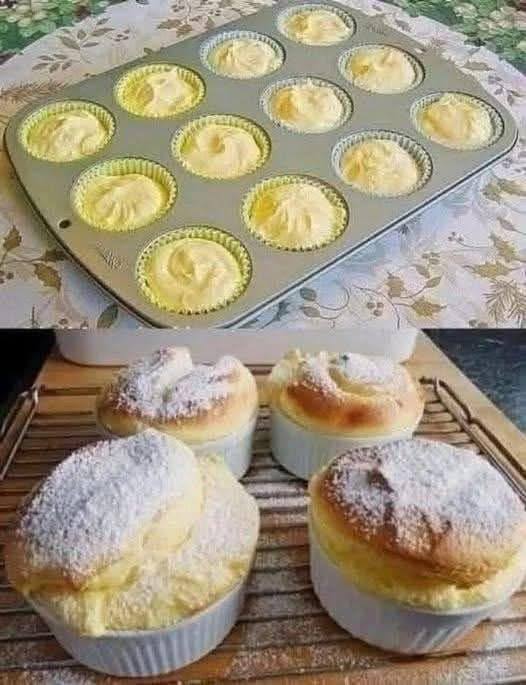
Delicious Soufflé Cups

Introduction
Imagine a dessert so light, so ethereal, it feels like biting into a cloud. That, my friends, is the magic of a soufflé. For generations, the soufflé has captivated diners with its impressive rise, delicate texture, and fleeting beauty. It’s a dish often associated with fine dining and culinary prowess, sometimes intimidating home cooks with its reputation for being temperamental. But what if we told you there’s a way to capture all that allure in a charming, individual-sized package, making it not only more approachable but also incredibly fun to make and serve? Welcome to the wonderful world of Delicious Soufflé Cups!
These individual soufflé cups take all the grandeur of a traditional soufflé and scale it down into perfectly portioned delights. They’re less daunting to tackle than a large soufflé, offering a fantastic opportunity for even novice bakers to experience the joy of a perfectly risen, airy treat. Each cup boasts a wonderfully crisp exterior, giving way to an unbelievably soft, melt-in-your-mouth interior. Dusted with a delicate veil of powdered sugar, their presentation is as enchanting as their flavor. Whether you’re hosting a brunch, a special dinner, or simply craving an elegant dessert for yourself, these soufflé cups are guaranteed to impress.
In this article, we’ll demystify the art of the soufflé, guiding you through every step to create these irresistible individual portions. We’ll cover the essential techniques, share invaluable tips for success, and even explore delicious flavor variations to spark your culinary creativity. Get ready to learn how to master the perfect rise, achieve that coveted airy texture, and present a dessert that looks as good as it tastes. Prepare to fall in love with the effortless elegance of Delicious Soufflé Cups!
Nutritional Information
Per serving (approximate values):
- Calories: 220-280
- Protein: 7-9g
- Carbohydrates: 25-30g
- Fat: 10-15g
- Fiber: 0-1g
- Sodium: 100-150mg
Ingredients
- 2 tablespoons unsalted butter, plus extra for greasing ramekins
- 2 tablespoons all-purpose flour
- 1 cup whole milk, warmed
- 1/4 cup granulated sugar, plus 2 tablespoons for ramekins and stabilizing egg whites
- 1 teaspoon vanilla extract
- 1/4 teaspoon salt
- 4 large egg yolks
- 6 large egg whites, at room temperature
- 1/4 teaspoon cream of tartar (optional, but recommended for stability)
- Powdered sugar, for dusting
Instructions
- Preheat your oven to 375°F (190°C). Position an oven rack in the middle.
- Prepare your ramekins or soufflé cups: Generously butter six 4-ounce ramekins or individual soufflé dishes. Sprinkle about 1 tablespoon of granulated sugar into one ramekin, swirling it around to coat the bottom and sides evenly. Invert the ramekin and tap out any excess sugar. Repeat with the remaining ramekins, using the other tablespoon of sugar. Place the prepared ramekins into a muffin tin or on a baking sheet for easier handling.
- Make the base (béchamel): In a medium saucepan, melt 2 tablespoons of unsalted butter over medium heat. Add the all-purpose flour and whisk constantly for 1-2 minutes to create a smooth roux. Do not let it brown.
- Gradually whisk in the warmed whole milk, a little at a time, ensuring no lumps form. Continue whisking until the mixture thickens and comes to a gentle simmer. Remove from heat.
- Whisk in 1/4 cup of granulated sugar, vanilla extract, and salt until fully combined and the sugar has dissolved.
- Temper the egg yolks: In a small bowl, lightly whisk the 4 egg yolks. Slowly drizzle about half of the warm milk mixture into the egg yolks, whisking constantly to prevent scrambling. This process is called tempering and gently raises the temperature of the yolks.
- Pour the tempered egg yolk mixture back into the saucepan with the remaining milk mixture. Return the saucepan to low heat and cook, stirring constantly, for 1-2 minutes, until the mixture thickens slightly, resembling a custard. Do not boil. Remove from heat and transfer the base to a large clean bowl. Set aside to cool slightly.
- Prepare the egg whites: In a very clean, dry large mixing bowl (preferably metal or glass), add the 6 room-temperature egg whites. If using, add the cream of tartar.
- Using an electric mixer (handheld or stand mixer with whisk attachment), beat the egg whites on medium speed until soft peaks form.
- Gradually add the remaining 2 tablespoons of granulated sugar, one tablespoon at a time, while continuing to beat the egg whites on medium-high speed. Continue beating until stiff, glossy peaks form. The egg whites should hold their shape when the whisk is lifted. Be careful not to over-beat, as they can become dry and crumbly.
- Combine the base and egg whites: Take about one-third of the beaten egg whites and gently fold them into the slightly cooled base mixture. This lightens the base and makes it easier to incorporate the remaining whites without deflating them.
- Add the remaining two-thirds of the beaten egg whites to the base. Using a spatula, gently fold the egg whites into the base using an upward, circular motion. Be careful not to overmix, as you want to preserve as much air as possible. Stop folding as soon as no streaks of white remain. The batter should be light and airy.
- Fill the ramekins: Spoon the soufflé batter into the prepared ramekins, filling them about three-quarters of the way full. Gently smooth the top with the back of a spoon or an offset spatula. You can also run your thumb around the inside rim of each ramekin to create a slight indentation; this helps the soufflé rise more evenly and create a “collar.”
- Bake the soufflé cups: Carefully place the muffin tin or baking sheet with the ramekins into the preheated oven. Bake for 15-20 minutes, or until the soufflés are beautifully golden brown, puffed high above the rim of the ramekins, and set. Avoid opening the oven door during the first 12-15 minutes of baking, as this can cause them to deflate.
- Serve immediately: Once baked, carefully remove the soufflé cups from the oven. Dust generously with powdered sugar using a sifter. Serve them warm and without delay, as soufflés begin to deflate shortly after being removed from the oven.
Cooking Tips and Variations
Achieving soufflé perfection, even in individual cups, relies on a few key techniques and observations. First and foremost, the quality of your ingredients matters. Use fresh, large eggs, as they tend to yield the best volume for your egg whites. Speaking of egg whites, ensure they are at room temperature before beating; this allows them to whip up to their maximum volume. Your mixing bowl and whisk must be impeccably clean and free of any grease or egg yolk, which can prevent the whites from stiffening properly. When beating the egg whites, aim for stiff, glossy peaks but avoid over-beating, which can make them dry and difficult to fold. The folding process itself is crucial: be gentle and use a spatula to incorporate the egg whites into the base with an upward, circular motion, trying to preserve as much air as possible. Overmixing is the enemy of a light soufflé. When filling your ramekins, don’t overfill them; about three-quarters full is ideal, and smoothing the top gently encourages an even rise. Lastly, resist the urge to peek! Opening the oven door too early, especially during the first two-thirds of baking, can cause a sudden temperature drop and lead to deflation. Trust your oven and the timing. Remember, soufflés are ephemeral beauties, so serve them immediately after dusting with powdered sugar to enjoy their full, glorious height and delicate texture.
The beauty of soufflé cups also lies in their versatility. While this recipe provides a delightful sweet vanilla base, the possibilities for flavor variations are endless. For a classic chocolate soufflé, melt 2-3 ounces of good quality dark chocolate (60-70% cocoa solids) and stir it into the warm base mixture before adding the egg yolks. For a zesty lemon soufflé, add 1-2 tablespoons of fresh lemon juice and 1 tablespoon of lemon zest to the base. You could also experiment with other extracts like almond or orange for different aromatic profiles. A touch of liqueur, such as Grand Marnier or a coffee liqueur, can also be folded into the base for an adult twist. For those who prefer a savory option, omit the sugar and vanilla, and instead, incorporate grated Gruyère, Parmesan, or cheddar cheese into the base, along with a pinch of nutmeg and black pepper. You can also add finely chopped herbs like chives or thyme. The same technique of preparing the base and folding in egg whites applies, offering a sophisticated appetizer or light meal. These variations allow you to tailor your soufflé cups to any occasion or craving, proving that this elegant dish is far more adaptable than its reputation suggests.
Storage and Reheating
Soufflés are famously best enjoyed immediately after baking. Their light, airy structure is at its peak right out of the oven, and they will begin to deflate within minutes. Therefore, storing and reheating a fully baked soufflé cup is generally not recommended if you want to experience its signature texture. The delicate air pockets that give it its rise will collapse, and it will lose its fluffy consistency upon cooling.
However, if you find yourself with leftover soufflé cups (which is unlikely given how delicious they are!), you can store them in an airtight container in the refrigerator for up to 1-2 days. Be aware that they will be significantly deflated and denser than when freshly baked. Reheating them in a microwave will likely result in a rubbery texture. You could try to gently warm them in a preheated oven at 300°F (150°C) for 5-10 minutes, but they will not regain their original height or lightness. The best approach is truly to bake and serve them fresh.
A better strategy for preparing ahead is to make the soufflé base in advance. The cooled base (before the egg whites are folded in) can be covered and refrigerated for up to 1-2 days. When you’re ready to bake, gently warm the base mixture over low heat, stirring constantly, until it’s just warm to the touch. Then, beat your egg whites fresh and proceed with folding and baking as directed. This allows you to have a significant portion of the prep work done, so you can still enjoy freshly baked, perfectly risen soufflé cups with minimal last-minute effort.
Frequently Asked Questions
Why did my soufflé cups deflate?
Soufflés are notoriously delicate! The most common reasons for deflation include opening the oven door too early during baking, a sudden temperature change, underbaking (not allowing the structure to set properly), or overmixing the egg whites when folding, which can deflate the air. Serving them immediately is also key, as they naturally begin to deflate shortly after leaving the oven.
Can I make savory soufflé cups with this recipe?
Absolutely! This recipe can be easily adapted for savory soufflé cups. Simply omit the granulated sugar and vanilla extract from the base. Instead, you can add grated cheese (like Gruyère, Parmesan, or cheddar), a pinch of nutmeg, black pepper, and finely chopped herbs (such as chives or thyme) to the warm base mixture. Follow the same steps for folding in the egg whites and baking.
What if I don’t have ramekins?
While ramekins are ideal for their individual portions and straight sides that encourage a good rise, you can use other oven-safe individual baking dishes. Custard cups, small ceramic bowls, or even a well-greased muffin tin (filling each cup about three-quarters full) can work in a pinch. Just ensure they are oven-safe and prepared with butter and sugar as described.
Can I prepare the soufflé batter in advance?
It’s best to prepare the soufflé base (the custard mixture) in advance and store it covered in the refrigerator for up to 1-2 days. However, the egg whites should be beaten and folded into the base just before baking. The air incorporated into the egg whites is what gives the soufflé its rise, and this air will dissipate if the full batter sits for too long, leading to a flat soufflé. Prepare the components separately for the best results.