Follow Me On Social Media!
Georgia O’Keeffe’s Pecan Butterballs

Introduction
Step into the sun-drenched world of Georgia O’Keeffe, not through her iconic canvases of blooming desert flowers or stark bone compositions, but through a simpler, sweeter lens: her kitchen. While O’Keeffe is celebrated for her profound visual artistry, she also cultivated a life of elegant simplicity, where even the most basic elements held beauty and intention. It’s in this spirit that we explore a recipe perfectly aligned with her practical yet refined aesthetic: Pecan Butterballs. These aren’t just cookies; they’re a whisper of history, a taste of New Mexico’s culinary soul, and a testament to the enduring charm of unpretentious pleasures.
Pecan Butterballs, known by many names—Mexican Wedding Cookies, Russian Tea Cakes, or Snowball Cookies—are beloved across cultures for their irresistible melt-in-your-mouth texture and rich, nutty flavor. Their origins are as varied as their monikers, often linked to European shortbread traditions that traveled to the New World, evolving with local ingredients. In New Mexico, where O’Keeffe made her home, pecans are a prolific and cherished crop, making these buttery, pecan-laden confections a natural fit for the region’s culinary landscape. Imagine O’Keeffe, perhaps after a long day painting in the Ghost Ranch desert, enjoying one of these delicate, powdered sugar-dusted treats with a cup of tea – a moment of quiet indulgence that echoes the serene beauty of her art.
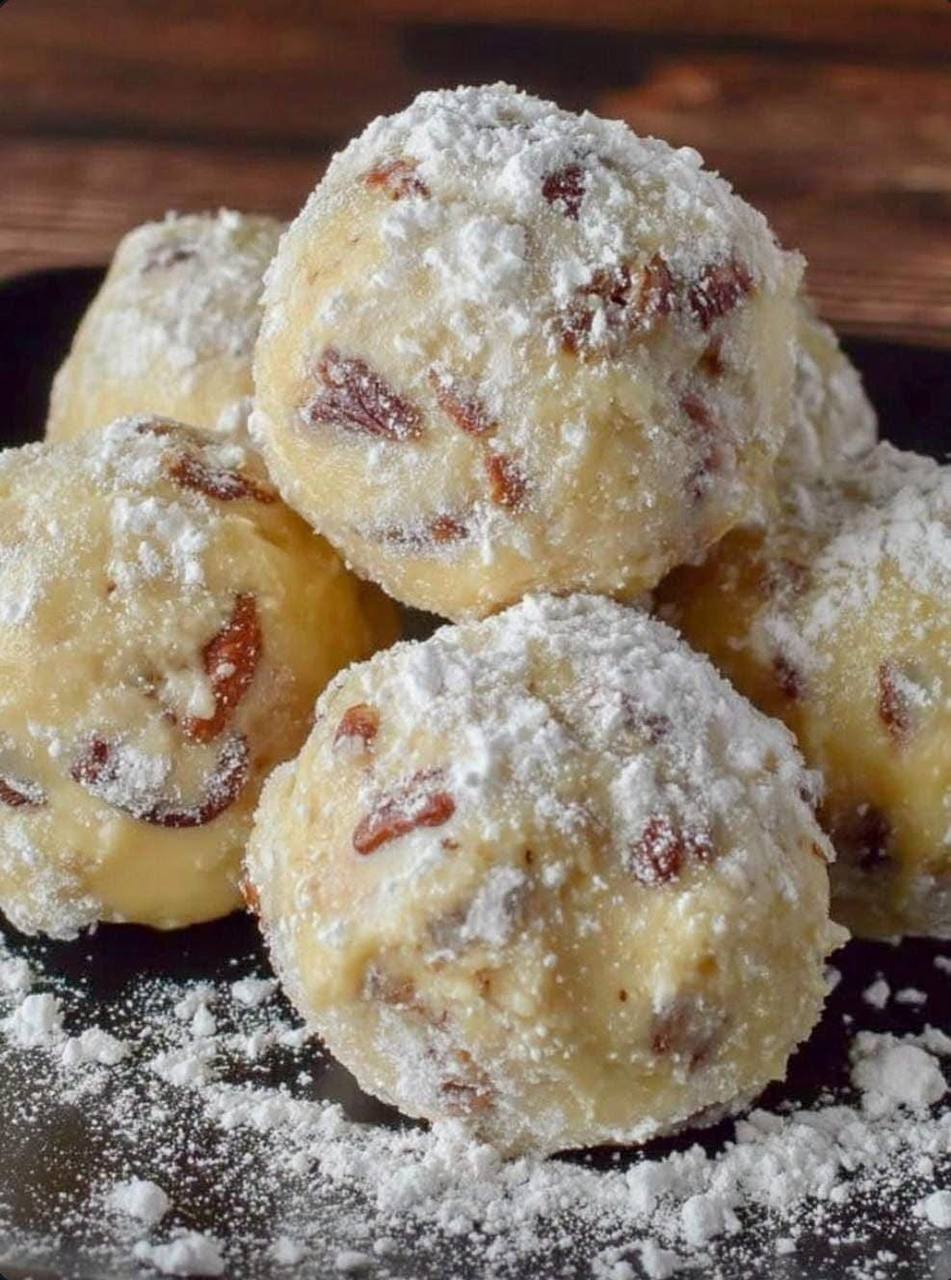
What makes these Pecan Butterballs so special? It’s their deceptive simplicity. Made with just a handful of pantry staples, they transform into ethereal bites that crumble delicately on the tongue, releasing a burst of toasted pecan and sweet butter. Their festive, snow-dusted appearance makes them a holiday favorite, but their ease of preparation and comforting flavor mean they’re perfect for any occasion – from an afternoon pick-me-up to an elegant dessert platter. This recipe invites you to connect with a culinary classic and, perhaps, with the spirit of an artist who found profound beauty in the everyday.
Nutritional Information
Per serving (approximate values):
- Calories: 120
- Protein: 1.5g
- Carbohydrates: 12g
- Fat: 8g
- Fiber: 0.5g
- Sodium: 40mg
Ingredients
- 1 cup (2 sticks) unsalted butter, softened
- 1/2 cup granulated sugar
- 1 teaspoon vanilla extract
- 2 cups all-purpose flour
- 1/4 teaspoon salt
- 1 cup pecans, finely chopped
- 1 1/2 cups powdered sugar, for coating
Instructions
- Preheat your oven to 350°F (175°C). Line two baking sheets with parchment paper or silicone baking mats.
- In a large mixing bowl, using an electric mixer, cream together the softened butter and granulated sugar until light and fluffy. This should take about 2-3 minutes.
- Beat in the vanilla extract until well combined.
- In a separate medium bowl, whisk together the all-purpose flour and salt.
- Gradually add the dry ingredients to the wet ingredients, mixing on low speed until just combined. Be careful not to overmix; stop as soon as no streaks of flour remain.
- Fold in the finely chopped pecans until they are evenly distributed throughout the dough.
- Roll the dough into small, 1-inch balls. A small cookie scoop or a tablespoon can help ensure uniform sizing. Place the balls about 1 inch apart on the prepared baking sheets.
- Bake for 12-15 minutes, or until the edges are lightly golden and the bottoms are just set. The cookies should still be pale on top.
- While the cookies are still warm (but cool enough to handle), place about 1 cup of powdered sugar in a shallow bowl. Gently roll each warm cookie in the powdered sugar, ensuring it’s completely coated.
- Transfer the sugar-coated cookies to a wire rack to cool completely.
- Once the cookies are completely cool, place the remaining 1/2 cup of powdered sugar in a clean shallow bowl. Roll each cookie in the powdered sugar a second time. This step creates that beautiful, thick, “snowball” coating that won’t absorb into the cookie.
- Serve immediately or store for later enjoyment.
Cooking Tips and Variations
For truly exceptional Pecan Butterballs, start with quality ingredients. Using good unsalted butter makes a noticeable difference in the flavor and texture. Always ensure your butter is properly softened to room temperature before creaming; this allows it to incorporate air effectively, leading to a lighter, fluffier cookie. Don’t rush the creaming process; it’s crucial for the final texture. When adding the flour, mix until just combined. Overmixing develops the gluten in the flour, which can result in tough cookies, and we’re aiming for that delicate, crumbly melt-in-your-mouth experience.
Toasting your pecans before adding them to the dough is a game-changer. Simply spread the chopped pecans on a baking sheet and toast in a 350°F (175°C) oven for 5-7 minutes, or until fragrant. Let them cool completely before incorporating them into the dough. This simple step intensifies their nutty flavor and adds depth to the cookies. Another key tip for the signature “snowball” appearance is the double roll in powdered sugar. The first roll, while the cookies are still warm, allows the sugar to slightly melt and adhere to the surface, creating a foundational layer. The second roll, once the cookies are completely cool, adds that fresh, opaque white coating that gives them their festive look and prevents the sugar from disappearing into the cookie over time.
Feeling adventurous with variations? While pecans are classic, these cookies are delicious with other finely chopped nuts. Try walnuts for a slightly more robust flavor, or almonds for a delicate, slightly sweet note. For an extra layer of flavor, consider adding a pinch of cinnamon or nutmeg to the flour mixture, especially if making them for the holidays. A hint of citrus zest, like lemon or orange, can brighten the flavor profile beautifully; simply add about 1 teaspoon of zest along with the vanilla extract. For those with dietary restrictions, these cookies can often be adapted. While the texture might vary slightly, you can experiment with gluten-free all-purpose flour blends. Look for blends that contain xanthan gum for better structure, and be prepared for a slightly more delicate dough.
Storage and Reheating
Pecan Butterballs are excellent keepers, making them perfect for gifting or preparing ahead of time. Once completely cooled and double-dusted with powdered sugar, store them in an airtight container at room temperature. They will maintain their freshness and delicate texture for up to one week. To prevent the powdered sugar from clumping or absorbing moisture, you can place a piece of parchment paper between layers of cookies if stacking them in the container. Avoid refrigerating these cookies, as the cold can cause them to dry out and the powdered sugar to become sticky.
For longer storage, these cookies freeze beautifully. After they are fully cooled and coated, arrange them in a single layer on a baking sheet and freeze until solid (about 1-2 hours). Once frozen, transfer the cookies to a freezer-safe airtight container or heavy-duty freezer bag. They can be stored in the freezer for up to 2-3 months. When you’re ready to enjoy them, simply remove them from the freezer and let them thaw at room temperature for an hour or two. There’s no need to reheat them; they are best enjoyed at room temperature, allowing their buttery, crumbly texture to shine. If the powdered sugar coating looks a little dull after thawing, you can give them another light dusting before serving for a refreshed appearance.
Frequently Asked Questions
What is the difference between Pecan Butterballs, Mexican Wedding Cookies, and Russian Tea Cakes?
Essentially, they are all the same cookie! The names vary by region and cultural association, but the core recipe—a buttery, nutty, melt-in-your-mouth shortbread-like cookie heavily dusted with powdered sugar—remains consistent. “Pecan Butterballs” emphasizes the key nut and the rich butter content, while “Mexican Wedding Cookies” and “Russian Tea Cakes” refer to their traditional presence at celebrations and tea rituals in those cultures, respectively. No matter the name, they’re universally loved for their delicate texture and sweet, nutty flavor.
Can I make the dough ahead of time?
Absolutely! This is a fantastic make-ahead recipe. You can prepare the cookie dough, wrap it tightly in plastic wrap, and refrigerate it for up to 3-5 days. Chilling the dough can actually make it easier to handle and roll into balls. When you’re ready to bake, simply remove the dough from the refrigerator, let it sit at room temperature for about 15-20 minutes to soften slightly (it shouldn’t be too hard), and then proceed with rolling and baking as usual. You can also form the balls and then freeze them on a baking sheet before transferring to a freezer bag for up to a month. Bake from frozen, adding a few extra minutes to the baking time.
Why did my powdered sugar coating disappear or become translucent?
This is a common issue, and it’s usually due to moisture or not rolling the cookies twice. The first roll in powdered sugar, while the cookies are still warm, allows the sugar to melt slightly and form a base layer that adheres to the cookie. However, as the cookies cool, the moisture from the cookie can absorb this sugar, making it less visible. The crucial second roll, applied once the cookies are completely cool, ensures a thick, opaque, and stable white coating that won’t disappear or become translucent. Also, make sure your storage container is airtight to prevent ambient moisture from affecting the sugar coating.
My cookies spread too much while baking. What went wrong?
There are a few reasons why your cookies might spread more than desired. The most common culprit is butter that is too soft or even slightly melted. Ensure your butter is at a cool room temperature—soft enough to indent with a finger, but not greasy or shiny. Another factor can be too little flour or too much sugar in proportion to the butter. Accurately measuring your ingredients, especially flour (by weight if possible, or by spooning into the measuring cup and leveling), is important. Finally, an oven that isn’t at the correct temperature can also contribute to spreading; using an oven thermometer can help ensure accuracy. Chilling the dough for 30 minutes before baking can also help firm up the butter and prevent excessive spreading.