Follow Me On Social Media!
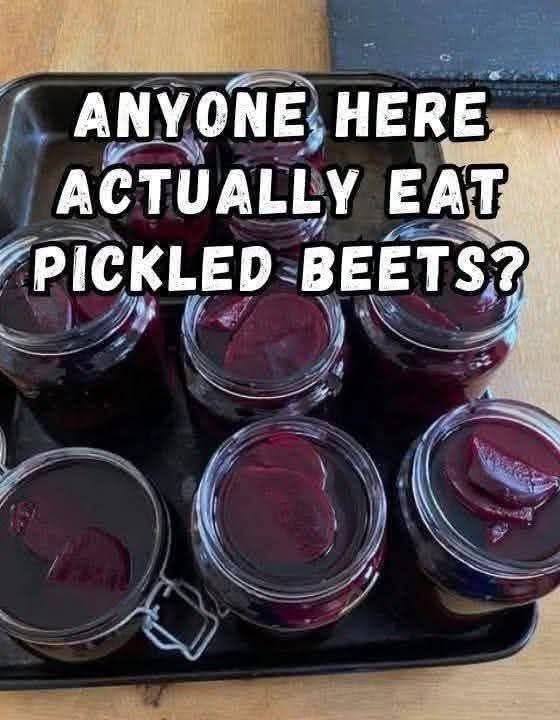
Pickled Beets

Introduction
Step into the vibrant world of pickled beets, a culinary classic that transforms the humble root vegetable into a sweet, tangy, and earthy delight. For centuries, pickling has been a cherished method of preservation, and few foods showcase its magic quite like the beet. From ancient Roman tables to modern-day charcuterie boards, pickled beets have graced kitchens across cultures, celebrated for their striking crimson hue and undeniably unique flavor profile. Whether you remember them from your grandmother’s pantry or are discovering them for the first time, these ruby jewels offer a refreshing burst of flavor that brightens any meal. Making your own pickled beets isn’t just about preserving food; it’s about controlling the quality of your ingredients, customizing flavors to your exact preference, and experiencing the satisfying alchemy of turning simple produce into something extraordinary.
While some might view them as a polarizing pantry staple, often associated with potlucks and holiday spreads, we encourage you to cast aside any preconceived notions and embrace the delicious versatility of homemade pickled beets. When prepared fresh, with a balanced brine of vinegar, sugar, salt, and aromatic spices, they are nothing short of spectacular. Their vibrant color isn’t just a feast for the eyes; it’s a testament to their natural goodness, ready to infuse salads, sandwiches, and side dishes with a pop of both color and flavor. Get ready to dive into a recipe that promises not only a delicious outcome but also a rewarding journey into the art of home preservation, resulting in jars of tangy-sweet goodness that will quickly become a pantry favorite.
This article will guide you through the process of creating perfect pickled beets, from selecting the freshest produce to crafting the ideal brine and safely preserving your bounty. We’ll explore their nutritional benefits, countless uses in the kitchen, and provide troubleshooting tips to ensure your pickling adventure is a resounding success. Prepare to be enchanted by the harmonious balance of sweetness, acidity, and the deep, earthy notes that only pickled beets can deliver. You might just find that this once-polarizing food becomes your new culinary obsession.
Nutritional Information
Per serving (approximate values):
- Calories: 120
- Protein: 3g
- Carbohydrates: 28g
- Fat: 0.5g
- Fiber: 4g
- Sodium: 350mg
Ingredients
- 3 lbs fresh medium-sized beets, preferably uniform in size
- 2 cups white vinegar (5% acidity)
- 1 cup water
- 1 cup granulated sugar
- 1 tablespoon canning salt (non-iodized)
- 1 teaspoon whole black peppercorns
- 6-8 whole cloves
- 2 bay leaves
- Optional: 1 small red onion, thinly sliced
Instructions
- Prepare the Beets: Wash the beets thoroughly, scrubbing off any dirt. Trim off the leafy tops, leaving about an inch of stem and the root intact to prevent “bleeding” during cooking.
- Cook the Beets: Place the whole, unpeeled beets in a large pot and cover with water. Bring to a boil, then reduce heat and simmer until tender. This can take anywhere from 30 minutes to an hour, depending on the size of the beets. You should be able to easily pierce them with a fork.
- Cool and Peel the Beets: Once tender, drain the hot water and immediately plunge the beets into a bowl of ice water. Let them cool for about 10-15 minutes. The sudden temperature change helps loosen the skins. Once cool enough to handle, the skins should slip off easily with your fingers or a small paring knife. Trim off the remaining stem and root ends.
- Slice the Beets: Slice the peeled beets into 1/4-inch thick rounds, or cut them into wedges or cubes, depending on your preference. If using the optional red onion, slice it thinly.
- Prepare the Brine: In a medium saucepan, combine the white vinegar, water, granulated sugar, canning salt, whole black peppercorns, whole cloves, and bay leaves. Bring the mixture to a boil over medium-high heat, stirring until the sugar and salt are completely dissolved. Reduce heat and simmer for 5 minutes to allow the flavors to meld.
- Sterilize Jars: While the brine is simmering, sterilize your canning jars and lids. Wash jars and lids in hot, soapy water, rinse well. Place jars in a large pot, cover with water, and bring to a boil for at least 10 minutes. Keep jars in hot water until ready to fill. Place lids in a separate small saucepan with hot (not boiling) water until ready to use.
- Pack the Jars: Carefully pack the sliced beets (and optional onion slices) into the hot, sterilized jars, leaving about 1/2 inch of headspace from the rim.
- Fill with Brine: Ladle the hot brine over the beets in each jar, ensuring the beets are fully submerged and maintaining the 1/2 inch headspace. Use a non-metallic utensil (like a chopstick) to remove any air bubbles by gently running it along the inside of the jar.
- Seal the Jars (for Refrigeration): If you plan to store the pickled beets in the refrigerator for shorter-term use (up to 2-3 weeks), simply wipe the rims clean, place the lids on, and screw on the bands until finger-tight. Let cool to room temperature, then refrigerate.
- Process for Shelf-Stable Canning (Optional, for Longer Storage): If you desire shelf-stable pickled beets, proceed with water bath canning. Place the filled and sealed jars into a boiling water canner, ensuring they are covered by at least 1 inch of water. Bring the water to a rolling boil and process for 30 minutes (adjusting for altitude if necessary).
- Cool and Store: After processing, carefully remove the jars from the canner and place them on a clean towel or wire rack to cool undisturbed for 12-24 hours. You should hear a “ping” sound as the lids seal. Check for seals by pressing the center of the lid; if it doesn’t flex, it’s sealed. Store properly sealed jars in a cool, dark place for up to 1 year. Unsealed jars must be refrigerated and consumed within 2-3 weeks.
- Age for Flavor: For best flavor, allow the pickled beets to sit for at least 1-2 weeks before opening. This allows the flavors to fully develop and penetrate the beets.
Cooking Tips and Variations
For truly exceptional pickled beets, start with the freshest produce you can find. Look for firm, blemish-free beets with vibrant green tops (if present), as this indicates freshness. Smaller beets tend to be more tender and less fibrous than very large ones. When cooking the beets, roasting them instead of boiling can deepen their earthy flavor. Simply toss them with a little olive oil, wrap in foil, and roast at 400°F (200°C) until tender. This method yields a more concentrated beet flavor that translates beautifully into the pickle.
Don’t be afraid to customize your brine! While this recipe provides a classic flavor profile, you can easily experiment with different spices. For a warmer, spicier pickle, add a pinch of red pepper flakes, a cinnamon stick, or a few star anise pods to the brine. A teaspoon of mustard seeds or dill seeds can also add an interesting layer of flavor. For a slightly different tang, try substituting half of the white vinegar with apple cider vinegar. If you enjoy a touch of sweetness, a few slices of fresh ginger or orange peel can also be simmered in the brine. Adjust the sugar and salt to your taste; some prefer a sweeter pickle, while others lean towards more acidity. Always taste your brine after simmering and before pouring over the beets, adjusting as needed, but remember that the flavors will mellow and meld over time.
To avoid mushy beets, ensure they are cooked until just tender, not overcooked. Overcooked beets will lose their firm texture when pickled. Also, pack your jars firmly but not so tightly that the beets are crushed. This allows the brine to circulate evenly. If you’re not a fan of peeling beets, you can actually pickle them with the skins on for an even more rustic look and added fiber, though the texture will be slightly different. Just ensure they are thoroughly scrubbed. For a quick refrigerator pickle that doesn’t require canning, you can skip the water bath processing and simply store the cooled, sealed jars in the fridge.
Storage and Reheating
Proper storage is key to enjoying your homemade pickled beets. If you opted for the refrigerator method (without water bath canning), your pickled beets should be stored in an airtight container or the sealed jars in the refrigerator. They will maintain their quality and flavor for approximately 2-3 weeks. Always ensure the beets remain submerged in the brine; if they are exposed to air, they can spoil more quickly. For shelf-stable pickled beets that have been properly processed using the water bath canning method, store them in a cool, dark place, such as a pantry or cellar. Unopened, properly sealed jars can last for up to 1 year. Once a jar is opened, regardless of the preservation method, it must be refrigerated and consumed within 2-3 weeks.
Pickled beets are typically served chilled or at room temperature, so reheating is generally not necessary or recommended. Heating them can soften their texture and diminish their crispness, which is part of their appeal. If you prefer them slightly warm, you could gently warm them in a saucepan over low heat for a few minutes, but be careful not to boil them. They are best enjoyed straight from the jar, added to salads, or as a side dish. If you find yourself with an abundance of pickled beets, consider incorporating them into other dishes rather than reheating them directly. For instance, they can be blended into a vibrant dip, chopped into a relish, or used as a topping for savory dishes where their cool, tangy profile provides a refreshing contrast.
Frequently Asked Questions
Why did my pickled beets turn out mushy?
Mushy pickled beets are usually the result of overcooking them initially. Beets should be cooked until just tender enough to pierce with a fork, but still firm. Overcooking them before pickling, or over-processing during water bath canning, can lead to a soft, undesirable texture. Ensure you cook them only until tender-crisp and follow canning times precisely.
Can I use different types of vinegar for pickling?
Yes, you can experiment with different types of vinegar, but be mindful of the acidity. For safe canning, it’s crucial to use vinegar with at least 5% acidity. White vinegar is most common for its neutral flavor, but apple cider vinegar can add a fruity tang. Distilled white vinegar is generally preferred for its consistent acidity and clear color. Avoid using vinegars with lower acidity, like rice vinegar or balsamic, for canning unless a tested recipe specifically calls for them, as they may not provide enough acidity for safe preservation.
How long do I need to wait before eating my pickled beets?
While you can technically eat them after they’ve cooled, for the best flavor, it’s recommended to let your pickled beets “age” for at least 1 to 2 weeks before opening. This allows the beets to fully absorb the flavors of the brine and spices, resulting in a more complex and satisfying taste. The longer they sit, the more the flavors meld and deepen.
What are some common uses for pickled beets?
Pickled beets are incredibly versatile! They make a fantastic side dish to rich meats like pork or beef, and are a classic addition to salads, offering a pop of color and tangy flavor. Try them chopped into potato salad, layered in sandwiches or wraps, or as a vibrant topping for avocado toast. They’re also excellent on charcuterie boards, alongside cheeses and crackers, or as part of a relish tray. The brine itself can even be used in salad dressings or marinades for an extra kick.