Follow Me On Social Media!
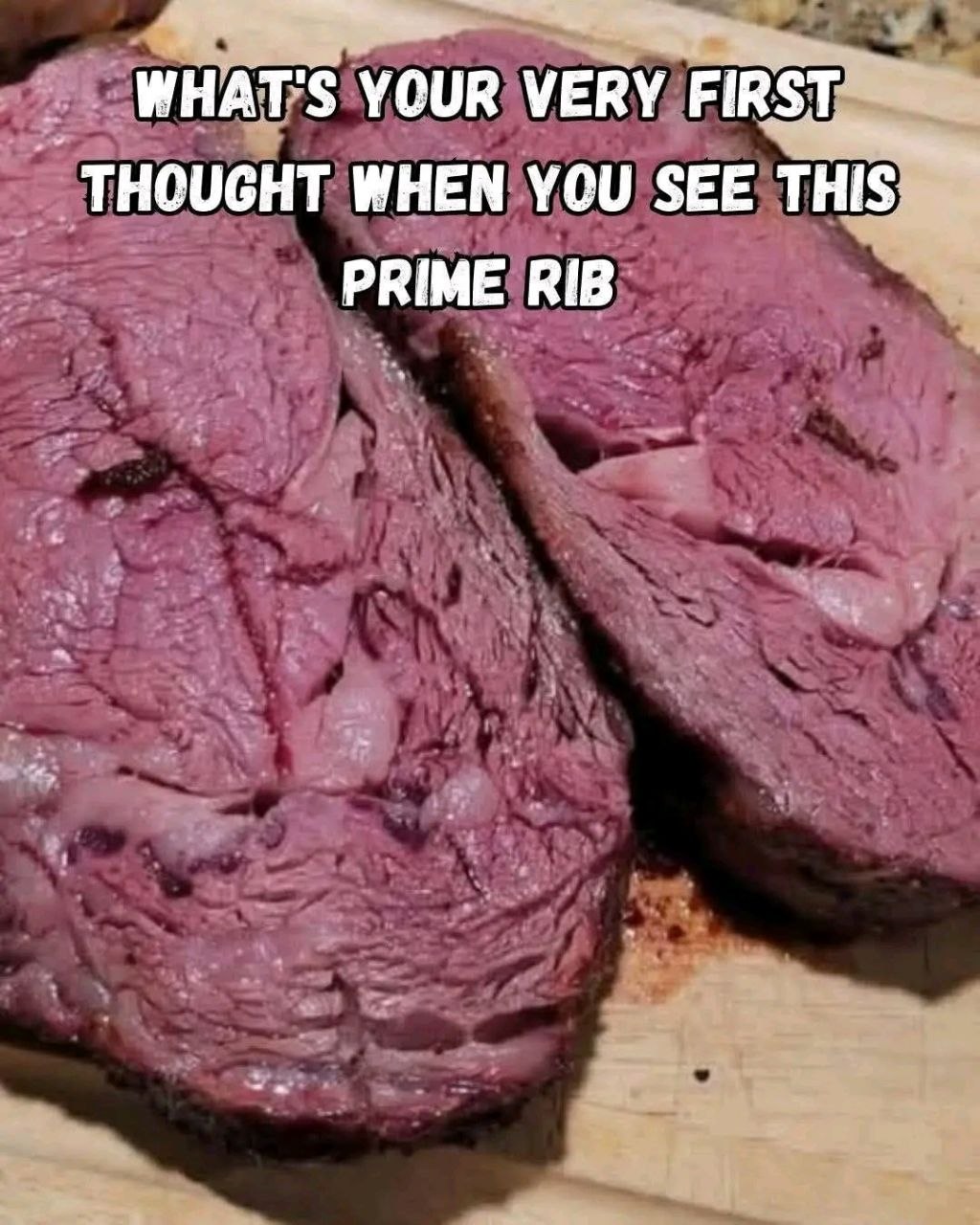
Prime Rib Perfection What’s Your First Thought?

Introduction
Prime Rib Perfection: What’s Your First Thought? For many, the image of a perfectly cooked prime rib immediately conjures thoughts of celebration, succulence, and an undeniable culinary triumph. Perhaps your mind races to the vibrant, ruby-red center, the glistening juices, or that irresistible, deeply caramelized crust. This isn’t just any roast; it’s the king of roasts, a centerpiece that demands attention and, when done right, delivers an unforgettable dining experience. It’s the kind of dish that sparks conversation and leaves a lasting impression, embodying both rustic comfort and sophisticated indulgence.
The quest for prime rib perfection is a journey many home cooks embark on, often with a mix of excitement and trepidation. Achieving that ideal medium-rare doneness, where every slice is tender, juicy, and bursting with rich beefy flavor, can seem like a daunting task. However, with the right knowledge, techniques, and a little patience, anyone can master this magnificent cut of beef. This article is your comprehensive guide to transforming a raw slab of prime rib into a show-stopping masterpiece, ensuring every bite lives up to the promise of its grand appearance.
Our goal is to demystify the process, breaking down each step from selecting the best cut to carving it like a pro. We’ll explore the science behind its incredible taste and texture, delve into the most effective cooking methods, and equip you with the troubleshooting tips needed to avoid common pitfalls. Prepare to unlock the secrets to a prime rib that is not just perfectly cooked, but truly legendary, making your next special occasion truly extraordinary.
Nutritional Information
Per serving (approximate values, based on a 6oz cooked portion of lean prime rib without heavy sauces):
- Calories: 450
- Protein: 42g
- Carbohydrates: 0g
- Fat: 32g
- Fiber: 0g
- Sodium: 250mg
Ingredients
- 1 (4-6 pound) bone-in prime rib roast (2-3 ribs)
- 2 tablespoons coarse sea salt or kosher salt
- 1 tablespoon freshly ground black pepper
- 1 tablespoon garlic powder
- 1 tablespoon dried rosemary, crushed
- 1 teaspoon dried thyme
- 2 tablespoons olive oil or unsalted butter, softened
- Optional: 1 cup beef broth or red wine for au jus
Instructions
- Prepare the Roast (24-48 hours ahead for dry brining): Remove the prime rib from its packaging. Pat it thoroughly dry with paper towels. This step is crucial for achieving a good crust.
- Season Generously (Dry Brine): In a small bowl, combine the coarse sea salt, black pepper, garlic powder, dried rosemary, and dried thyme. Rub this mixture evenly all over the prime rib, ensuring good coverage on all sides. For an enhanced flavor and juiciness, place the seasoned roast on a wire rack set over a baking sheet and refrigerate uncovered for 24 to 48 hours. This “dry brining” process draws out moisture, then reabsorbs it with the salt and seasonings, leading to a more tender and flavorful roast. If short on time, season at least 4 hours before cooking.
- Bring to Room Temperature: About 3-4 hours before you plan to cook, remove the prime rib from the refrigerator. Allow it to sit at room temperature on the wire rack. This helps the roast cook more evenly.
- Preheat Oven (Low & Slow / Reverse Sear Method): Preheat your oven to 250°F (120°C).
- Prepare for Roasting: Place the room-temperature prime rib, fat-side up, on the wire rack in the baking sheet. If desired, you can rub the roast with a thin layer of olive oil or softened butter before placing it in the oven, though the rendered fat will provide plenty of moisture.
- Slow Roast: Insert an oven-safe meat thermometer into the thickest part of the roast, avoiding the bone. Place the baking sheet with the roast into the preheated 250°F (120°C) oven. Roast slowly until the internal temperature reaches your desired doneness, typically:
- Rare: 115-120°F (46-49°C)
- Medium-Rare (Recommended): 120-125°F (49-52°C)
- Medium: 130-135°F (54-57°C)
This slow roasting process can take anywhere from 2.5 to 4 hours, depending on the size of your roast and your oven. The key is to monitor the internal temperature, not the clock.
- Rest (Initial): Once the roast reaches the target internal temperature, remove it from the oven. Carefully transfer it to a cutting board. Tent it loosely with aluminum foil and let it rest for at least 30 minutes. This resting period is crucial for juices to redistribute throughout the meat.
- Preheat Oven for Searing: While the roast is resting, increase your oven temperature to 450-500°F (230-260°C).
- High-Heat Sear: After the initial rest, remove the foil. Place the prime rib back into the now super-hot oven for 10-15 minutes. This high-heat blast will create that beautiful, crispy, dark crust. Watch it closely to prevent burning.
- Final Rest: Once the crust is to your liking, remove the prime rib from the oven for the final and most critical rest. Transfer it to a clean cutting board, tent loosely with foil, and let it rest for another 20-30 minutes. The internal temperature will continue to rise by 5-10 degrees (carryover cooking) during this time, reaching its final perfect doneness.
- Carve and Serve: After the final rest, carve the prime rib against the grain into desired thickness. If bone-in, first slice along the bones to remove the roast in one piece, then carve the meat. Serve immediately with pan juices (au jus) and your favorite accompaniments.
Cooking Tips and Variations
For the ultimate prime rib perfection, attention to detail truly makes the difference. One of the most important tips is to always start with a high-quality cut of meat. Look for “USDA Prime” or “Choice” grade beef with good marbling, as this fat content is essential for flavor and tenderness. When seasoning, don’t be shy with the salt and pepper; prime rib is a large, dense cut that can handle robust seasoning. A dry brine, as mentioned in the instructions, is a game-changer for both flavor and moisture retention, so plan ahead if you can.
A reliable meat thermometer is your best friend when cooking prime rib. Forget the “poke test” or timing charts; internal temperature is the only true indicator of doneness. Invest in a good quality, instant-read thermometer, and an oven-safe probe thermometer for continuous monitoring during the slow roast. Always insert the thermometer into the thickest part of the meat, avoiding bone, which can give a false reading.
For variations, consider a garlic-herb paste for an even more intense flavor. Instead of just dry spices, mash fresh garlic with softened butter, fresh rosemary, thyme, and a hint of Dijon mustard, then rub this paste all over the roast before seasoning. For a bolder crust, some chefs recommend searing briefly in a hot pan on the stovetop before the low-and-slow roast, then again at the end, though a high-temp oven sear works beautifully. For au jus, deglaze the roasting pan with beef broth or red wine after removing the roast, scraping up all the flavorful bits, then simmer and reduce slightly for a rich sauce.
If you prefer a boneless prime rib, cooking times might be slightly shorter, but the principles remain the same. Bone-in often provides a bit more flavor and acts as a natural rack, but boneless is easier to carve. You can also tie a boneless roast with butcher twine to help it maintain its shape and cook more evenly. Remember, the resting period is non-negotiable; skipping it will result in dry meat as all the precious juices will run out onto your cutting board.
Storage and Reheating
Proper storage and reheating are key to enjoying your prime rib leftovers without sacrificing flavor or texture. Once the prime rib has cooled to room temperature (within 2 hours of cooking), carve any remaining meat off the bone if it’s a bone-in roast. Store the carved slices in an airtight container in the refrigerator for up to 3-4 days. For optimal freshness, you can also wrap individual slices or smaller portions tightly in plastic wrap and then place them in an airtight container.
To reheat prime rib without drying it out, avoid high heat. The best method is gentle reheating in the oven. Preheat your oven to a low temperature, around 250-300°F (120-150°C). Place the prime rib slices in an oven-safe dish, adding a splash of beef broth or water to the bottom of the dish to create some steam and prevent the meat from drying out. Cover the dish tightly with aluminum foil. Reheat for 15-25 minutes, or until just warmed through. Be careful not to overheat, as this will cook the meat further and make it tough. You can also reheat individual slices gently in a skillet over low heat with a little beef broth, turning once, until just warm.
For longer storage, prime rib can be frozen. Wrap individual slices or small portions tightly in plastic wrap, then in aluminum foil, and place them in a freezer-safe bag or container. It can be stored in the freezer for up to 2-3 months. Thaw frozen prime rib overnight in the refrigerator before reheating using the oven method described above. Freezing may slightly alter the texture, but it will still be delicious.
Frequently Asked Questions
What is the difference between prime rib and ribeye?
Prime rib and ribeye both come from the same primal cut of beef, the rib section. Prime rib (also known as a standing rib roast) is typically sold as a larger roast, often bone-in, and is cooked whole. A ribeye steak is essentially a prime rib that has been cut into individual steaks before cooking. The cooking method is the primary difference: prime rib is roasted, while ribeye is grilled or pan-seared. Both are known for their rich marbling and tender texture.
How do I make a good au jus for prime rib?
Making a delicious au jus is simple and enhances the prime rib experience. After removing the prime rib from the roasting pan, pour off most of the rendered fat, leaving behind about 2-3 tablespoons and all the flavorful browned bits (fond) stuck to the bottom. Place the pan over medium heat on the stovetop. Add 1-2 cups of beef broth (or a combination of beef broth and red wine). Scrape the bottom of the pan with a wooden spoon to loosen all the fond. Bring to a simmer and let it reduce for 5-10 minutes, or until slightly thickened and flavorful. Taste and adjust seasoning with salt and pepper if needed. Strain the au jus through a fine-mesh sieve for a smoother consistency before serving.
My prime rib cooked unevenly; what went wrong?
Uneven cooking in prime rib is usually due to a few factors. The most common culprit is not allowing the roast to come to room temperature before cooking; a cold center will cook slower than the outer edges. Another factor can be an inconsistent oven temperature; ensure your oven is calibrated correctly. Finally, not using the reverse sear (low and slow) method can lead to a more pronounced gray band on the exterior and a less even medium-rare throughout. Always use a reliable meat thermometer and ensure it’s inserted into the thickest part of the meat away from the bone.