
Follow Me On Social Media!
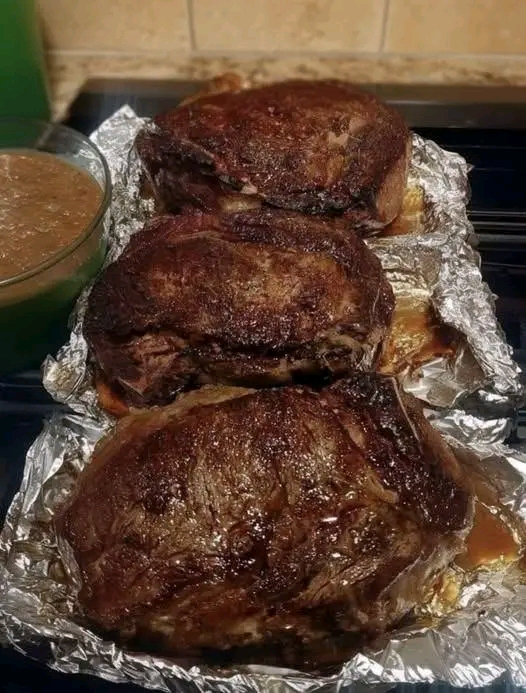
Ribeye Steak

Cut Characteristics:
- Marbling: Ribeye steaks have a significant amount of marbling, which melts during cooking, keeping the meat moist and enhancing its flavor.
- Texture: The cut is usually very tender due to the lack of connective tissue.
- Thickness: Ribeyes can vary in thickness, typically ranging from 1 to 2 inches.
Cooking Methods:
Ribeye steaks can be prepared using various cooking methods, including:
- Grilling: A popular method that enhances the flavor through char and smoke.
- Pan-searing: Cooking in a hot skillet with a bit of oil to achieve a beautiful crust.
- Roasting: Often used for thicker cuts, where the steak is cooked in the oven to ensure even cooking.
- Sous Vide: A method that allows for precise temperature control, resulting in perfectly cooked steak.
Seasoning and Serving:
- Seasoning: Simple seasoning with salt and pepper often suffices to enhance the natural flavors. Some people marinate or rub the steak with additional spices or sauces.
- Resting: It’s important to let the steak rest for a few minutes after cooking to allow the juices to redistribute.
- Serving: Ribeye is often served as a standalone dish or accompanied by sides like mashed potatoes, grilled vegetables, or a fresh salad.
Tips for Cooking:
- Use a meat thermometer: Aim for an internal temperature of about 130°F (54°C) for medium-rare.
- High heat: Use high heat for grilling or pan-searing to develop a good crust.
- Let it breathe: Allow the steak to come to room temperature before cooking for more even cooking.
Ribeye steak is often considered one of the best cuts for steak lovers due to its combination of flavor and tenderness. Whether grilled, pan-seared, or roasted, it’s a delicious choice for any occasion.