Follow Me On Social Media!
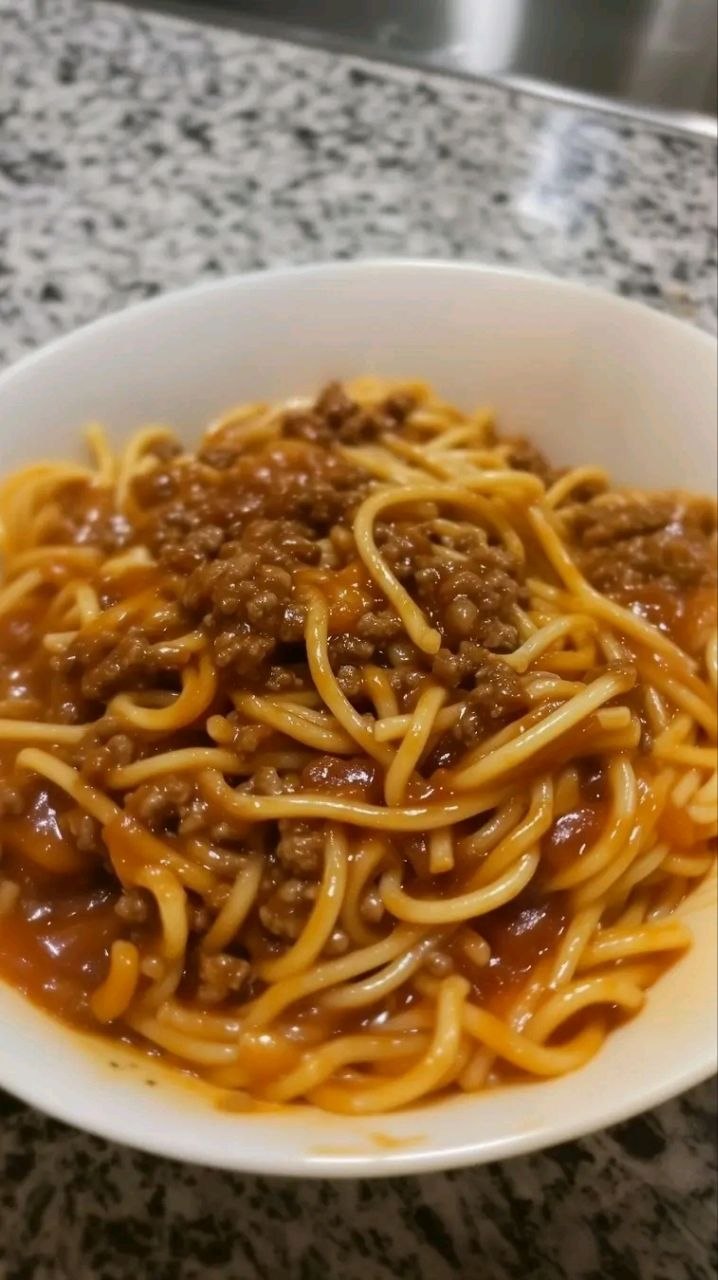
Slow Cooker Spaghetti Bolognese

Slow Cooker Spaghetti Bolognese
There’s something undeniably comforting about a rich, simmering pot of spaghetti bolognese, a dish that has captured hearts and palates across the globe. This classic Italian-American staple, with its hearty meat sauce and tender pasta, evokes feelings of warmth, family, and home-cooked goodness. While traditionally a labor of love on the stovetop, demanding careful attention and hours of simmering, we’re about to revolutionize your weeknight dinner routine with a method that’s as hands-off as it is delicious: Slow Cooker Spaghetti Bolognese.
Imagine coming home to the intoxicating aroma of a deeply flavored, slow-cooked meat sauce, ready to be tossed with al dente spaghetti. That’s the magic of this recipe. By harnessing the power of your slow cooker, we transform a beloved classic into an incredibly convenient meal without sacrificing any of its signature richness or depth. The long, gentle cooking process allows all the ingredients to meld together beautifully, creating a sauce that’s incredibly tender, intensely savory, and wonderfully complex.
This isn’t just about ease; it’s about flavor development. The low and slow heat of the crock-pot breaks down the meat and vegetables, extracting every ounce of their delicious essence and infusing the entire sauce with an unparalleled depth. It’s the perfect solution for busy weeknights, meal prepping, or simply when you crave a truly satisfying, fuss-free meal that tastes like it’s been simmering all day. Get ready to discover your new favorite way to make spaghetti bolognese.
Nutritional Information
Per serving (approximate values):
- Calories: 650
- Protein: 45g
- Carbohydrates: 70g
- Fat: 20g
- Fiber: 8g
- Sodium: 950mg
Ingredients
- 1 tablespoon olive oil
- 1.5 pounds lean ground beef (85-90% lean recommended)
- 1 large yellow onion, finely chopped
- 3 cloves garlic, minced
- 1 large carrot, finely diced
- 2 celery stalks, finely diced
- 1 (28 ounce) can crushed tomatoes
- 1 (15 ounce) can tomato sauce
- 1/2 cup beef broth or red wine
- 2 tablespoons tomato paste
- 1 teaspoon dried oregano
- 1/2 teaspoon dried basil
- 1/4 teaspoon red pepper flakes (optional, for a little heat)
- 1 bay leaf
- Salt and freshly ground black pepper to taste
- 1 pound spaghetti
- Freshly grated Parmesan cheese, for serving
- Fresh parsley, chopped, for garnish (optional)
Instructions
- Heat the olive oil in a large skillet or Dutch oven over medium-high heat. Add the ground beef and cook, breaking it up with a spoon, until it is thoroughly browned and no pink remains. Drain any excess grease from the skillet. Transfer the browned ground beef to your slow cooker.
- Add the chopped onion, minced garlic, diced carrot, and diced celery to the same skillet (no need to clean it). Sauté over medium heat for 5-7 minutes, or until the vegetables are softened and the onion is translucent. This step helps to build a deeper flavor foundation for your sauce. Transfer the sautéed vegetables to the slow cooker with the beef.
- Into the slow cooker, add the crushed tomatoes, tomato sauce, beef broth (or red wine), and tomato paste. Stir everything together until well combined.
- Season the sauce with dried oregano, dried basil, red pepper flakes (if using), salt, and freshly ground black pepper. Add the bay leaf. Give everything a final good stir to ensure all ingredients are evenly distributed.
- Cover the slow cooker and cook on low for 6-8 hours, or on high for 3-4 hours. The longer cooking time on low will generally result in a more tender meat and a richer, more developed flavor.
- About 20-30 minutes before you plan to serve, cook the spaghetti according to package directions in a large pot of salted boiling water until al dente. Drain the spaghetti thoroughly.
- Carefully remove the bay leaf from the slow cooker sauce and discard it. Stir the bolognese sauce one last time.
- Serve the slow cooker spaghetti bolognese hot, spooning the rich meat sauce generously over portions of cooked spaghetti. Garnish with plenty of freshly grated Parmesan cheese and a sprinkle of fresh chopped parsley, if desired.
Cooking Tips and Variations
Achieving the perfect slow cooker spaghetti bolognese is all about a few key techniques and knowing how to adapt the recipe to your taste. First and foremost, don’t skip browning the meat and sautéing the vegetables. While it adds an extra step before the slow cooker, this initial browning creates a crucial layer of flavor through the Maillard reaction, developing deep savory notes that you simply can’t achieve by adding raw ingredients directly to the crock-pot. Ensure your skillet is hot enough to get a good sear on the beef, and don’t overcrowd the pan, as this can steam the meat instead of browning it. After browning, always drain off any excess fat; this prevents the sauce from becoming greasy.
For an even richer and more complex flavor profile, consider adding a parmesan rind to the slow cooker along with the other ingredients. The rind will slowly melt and infuse the sauce with a wonderful umami depth. Just remember to remove it before serving. Another secret ingredient for depth is a splash of Worcestershire sauce or a teaspoon of balsamic vinegar; these acidic additions can brighten the flavors and add a subtle tang. If you prefer a smoother sauce, you can use an immersion blender to lightly blend a portion of the sauce at the end of cooking, or mash some of the larger vegetable pieces against the side of the slow cooker with a spoon.
When it comes to variations, the possibilities are endless. For different protein options, try using ground pork, ground turkey, or a combination of ground beef and pork for a richer flavor. If you’re looking to add more vegetables, finely chopped mushrooms, bell peppers, or even a handful of spinach can be stirred in during the last hour of cooking. For a creamier sauce, stir in a splash of heavy cream or milk during the last 30 minutes of cooking. If you enjoy a bit of heat, increase the red pepper flakes or add a pinch of cayenne pepper. For a vegetarian option, you can substitute the meat with a mixture of finely chopped mushrooms, lentils, or a plant-based ground “meat” alternative, adjusting the cooking time as needed.
The consistency of your sauce is also important. If your bolognese seems too thin after the slow cooking time, you can remove the lid for the last hour or two of cooking to allow some of the liquid to evaporate. Alternatively, you can transfer the sauce to a saucepan on the stovetop and simmer it uncovered over medium-low heat until it reaches your desired thickness. If it’s too thick, simply stir in a bit more beef broth or water until it’s perfect. Always taste and adjust seasonings (salt, pepper, and herbs) before serving; slow cooking can sometimes mellow out flavors, so a final adjustment can make a big difference.
Finally, while spaghetti is the traditional choice, this versatile bolognese sauce pairs wonderfully with other pasta shapes like tagliatelle, pappardelle, penne, or rigatoni. You can even use it layered in lasagna or as a topping for polenta. Don’t forget a sprinkle of fresh herbs like basil or parsley just before serving to add a bright, fresh finish that complements the deep, savory flavors of the sauce.
Storage and Reheating
One of the best aspects of Slow Cooker Spaghetti Bolognese is how well it stores and reheats, making it an ideal candidate for meal prep. Once the sauce has cooled completely, transfer it to airtight containers. It can be stored in the refrigerator for up to 3-4 days. For longer storage, bolognese sauce freezes exceptionally well. Portion the cooled sauce into freezer-safe containers or heavy-duty freezer bags (laying them flat to freeze saves space). It can be stored in the freezer for up to 3 months. Thaw frozen sauce overnight in the refrigerator before reheating.
When reheating, you have a few options. For individual servings, the microwave is your quickest bet. Transfer the sauce to a microwave-safe dish, cover it, and heat on high for 2-3 minutes, stirring halfway through, until heated through. For larger quantities or a more gentle reheat, transfer the sauce to a saucepan and heat over medium-low heat on the stovetop, stirring occasionally, until it’s simmering and thoroughly warmed. If the sauce appears too thick after reheating, you can add a splash of water or beef broth to reach your desired consistency. Avoid reheating the spaghetti with the sauce, as the pasta can become mushy; it’s always best to cook fresh spaghetti when serving reheated sauce.
Frequently Asked Questions
Can I make this recipe without browning the meat first?
While you technically can add raw ground beef directly to the slow cooker, it is highly recommended to brown the meat first. Browning the ground beef and sautéing the vegetables creates a deeper, richer flavor profile through the Maillard reaction, which is essential for a truly delicious bolognese. Skipping this step will result in a less flavorful and potentially greasier sauce.
What if my bolognese sauce is too watery?
If your bolognese sauce is too watery after the slow cooking time, you have a few options. You can remove the lid from the slow cooker for the last 1-2 hours of cooking to allow some of the liquid to evaporate. Alternatively, you can transfer the sauce to a large saucepan on the stovetop and simmer it uncovered over medium-low heat, stirring occasionally, until it thickens to your desired consistency. A small amount of cornstarch or flour mixed with water (a slurry) can also be stirred in during the last 30 minutes of cooking on the stovetop, but this may alter the texture slightly.
Can I use different types of ground meat?
Absolutely! While ground beef is traditional for bolognese, you can easily substitute it with ground pork, ground turkey, or a combination of ground meats (e.g., half beef, half pork) for a different flavor. If using leaner meats like ground turkey, you might need to add a bit more olive oil when browning to prevent sticking and ensure good flavor development.
How can I make this bolognese gluten-free?
Making this bolognese gluten-free is very simple. The sauce itself is naturally gluten-free. The only component you need to change is the pasta; simply use your favorite brand of gluten-free spaghetti or other gluten-free pasta shape. Ensure any beef broth you use is also certified gluten-free, as some brands may contain hidden gluten ingredients.