Follow Me On Social Media!
The Enduring Joy of Old‑Fashioned Peach Cobbler

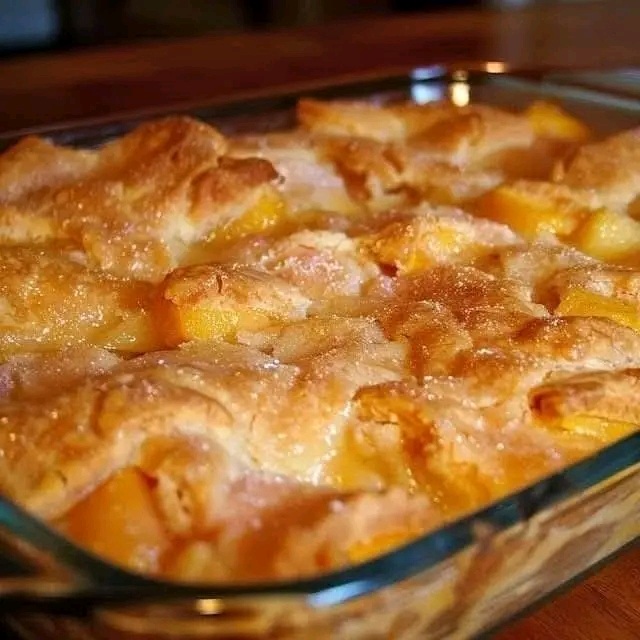
But the magic of peach cobbler isn’t only about how it tastes. It’s about memories — the kitchens of our childhoods, the kitchens of our families, the days when peaches were in season and time slowed down just enough to let baking unfold. It’s about the anticipation of pulling a warm dish from the oven, of hearing the fruit beneath bubble, of the topping turning golden around the edges, of lifting the first spoonful and watching a curl of steam rise and the edge bits crisp up. Serve it with a scoop of vanilla ice cream or a dollop of whipped cream, and you’ve got a moment that invites conversation, comfort, and connection.
Another reason is accessibility. You don’t need a professional pastry crust or intricate techniques. You need peaches, sugar, a little lemon or citrus, flour, butter, milk or buttermilk (depending on topping style), and a baking dish. That combination is manageable for home cooks of all levels. The topping can be a biscuit‑style dough, a cake‑style batter, or a classic pastry crust. That flexibility appeals.
Then there’s adaptability: the dish works for weeknight dinners, for potlucks, for holidays, for casual family meals, for dessert‑only events. You can scale it up or down. You can experiment with spice, crust, fruit blends. Yet no matter how you adapt it, its heart remains the same: peaches baked under something golden and buttery and warm.
Emotionally and culturally, this dessert taps into memory and sensory experience. The smell of baking peaches, the sight of bubbling juices, the taste of warm fruit and crisp edge. When you share it with guests, you invite more than dessert — you invite reflection, comfort, tradition. On a surface level it’s food. On a deeper level it’s story.
Ingredients: choosing wisely for best results
Let’s dive into the ingredients with intent, because the difference between “okay cobbler” and “truly memorable cobbler” is often in the details.
Peaches: Choose ripe but firm peaches. They should give slightly under pressure and smell sweet. If the peaches are underripe, they will lack flavor and may remain firm and unpleasant; if too ripe, they may become mushy in baking and lose their shape. Freestone peaches are ideal because they pit easily. You may choose to peel them if you prefer a smooth texture; to peel, you can blanch them briefly in boiling water and plunge into ice water to loosen skins.
Once peeled/pitted/sliced, toss them with a little sugar (granulated or a mix), some fresh lemon juice to brighten and prevent browning, maybe a bit of cornstarch to thicken juices so the filling isn’t too runny as it bakes. A pinch of salt and cinnamon (and optionally nutmeg) enhances depth of flavor.
Sugar and Sweeteners: The amount of sugar depends on how ripe and sweet your peaches are. If they are very sweet, you can reduce added sugar — but you still need enough to encourage caramelization and to support the topping’s texture contrast. For some nuance you might use part brown sugar (for a deeper caramel note) or turbinado sugar on top for some crunch.
Acid / Brightness: Fresh lemon juice is a classic addition. It cuts through the sweetness and lifts the flavor of the peaches. Some recipes also include orange zest or juice for variation.
Thickener: Cornstarch is commonly used. It helps set the juices so that the filling isn’t runny and the topping doesn’t become soggy. Some cooks may use flour or tapioca starch.
Spices & Flavor: Ground cinnamon is “almost always.” Nutmeg, allspice, ginger are optional touches. Vanilla extract or almond extract can go in the topping or the fruit. A light sprinkle of sea salt (or salt in the topping) can enhance overall taste.
Topping / Crust options: There are several styles:
– Biscuit‑style topping: Flour (all‑purpose or self‑rising), baking powder (if using AP flour), salt, sugar, cold butter (cut in) until crumbly, milk or buttermilk to bring to dough. Drop spoonfuls of dough over fruit.
– Cake‑style batter: Whisk flour, sugar, baking powder, salt, milk, egg, vanilla. Melt butter in the dish first, pour batter over melted butter, then fruit on top (or some variation).
– Traditional pastry crust: Bottom crust (flour + fat + water) + fruit + top crust or lattice. More work, but can be “rustic pie + cobbler hybrid.”
Butter / Fat: Butter brings flavor and richness. If you use melted butter under batter, that gives a buttery crust underneath and crisp edges. If cold butter is cut into dough, that gives a more biscuit‑like crumb.
Milk / Buttermilk / Egg: Used in toppings or batter. Buttermilk adds tang and tenderness; egg enriches batter and aids structure if using cake‑style topping.
Optional additions: You can experiment by mixing in other stone fruits (nectarines, apricots), or adding berries for contrast. You could add a splash of bourbon or rum for adult depth. For dietary adaptation you might try gluten‑free flour blends, reduced sugar, or alternative sweeteners — but retaining the core experience (warm peaches + topping) is key.
Technique: building the dish step by step
Even with the best ingredients, technique makes a difference. Let’s walk through a reliable process and highlight places to focus.
- Preheat your oven. Many recipes call for around 350°F (about 175°C) though some go up to 375°F depending on the depth of dish and topping style.
- Prepare your baking dish: Grease it lightly, or in the case of melted butter method, melt butter into the dish to coat the bottom.
- Prepare the peaches: Slice them uniformly so they bake evenly. In a bowl toss peaches with sugar, lemon juice, cornstarch, cinnamon, salt. Let them sit (macerate) a short time — this helps release juices and improves texture.
- Prepare the topping or batter: Depending on style, either make the dough for drop‑dough biscuit topping, or whisk batter if using pour‑over style, or roll pastry if going full crust.
- Assembly:
– If using melted butter + batter: Melt butter in dish, whisk batter and pour over butter, then gently place peaches on top (do not stir).
– If using drop‑dough: Spread peaches in dish, drop spoonfuls of dough evenly over the surface.
– If using crust: Roll bottom crust into dish, add fruit mixture, top with dough or lattice. - Bake: Place on middle rack so topping browns and fruit underneath bubbles. Bake until topping is golden brown, edges crisp, filling bubbles. Depending on depth and dish size, this may take 35‑50 minutes.
- Rest a bit (optional): Let the cobbler rest 5‑10 minutes after baking so juices settle and topping firms slightly; this helps when serving.
- Serve warm: The ideal moment is fresh from oven, with ice cream or whipped cream. The contrast of warm fruit + cold topping (ice cream) is part of the pleasure.
- Storage & Reheating: Cover leftovers and refrigerate for 3‑4 days. Reheat gently in oven or microwave until just warm. If topping softens, you can briefly re‑crisp under broiler or on stovetop skillet. You can freeze cooled portions; thaw in fridge and reheat. Note: texture may shift.
- Clean‑up tip: If juices bubble over, you might set the dish on a sheet pan to catch drips. Also use a dish deep enough to allow bubbling.
Serving and presentation: making it feel special
Though old‑fashioned implies “no fuss,” you can treat your cobbler with subtle touches to make it feel special without losing authenticity.
Serving suggestions: Serve straight in the baking dish or scoop into individual bowls. Top with vanilla ice cream, whipped cream, crème fraîche, or even a drizzle of caramel sauce or honey. A sprinkle of chopped pecans or a dusting of cinnamon can add visual appeal.
Presentation: Use a rustic baking dish or cast‑iron skillet for a homely feel. Garnish with fresh mint or a peach slice if you like. Use vintage dessert bowls or heavy‑clear glass so you see the juicy layers.
Accompaniments: A glass of sweet iced tea, a cup of strong coffee, or a mild dessert wine can pair beautifully. On warm evenings, serve on the patio for that “summer comfort” vibe.
Timing & Occasion: Make it after dinner when you want to linger. Or bake for brunch with friends. For holidays or gatherings—it can serve a crowd. Because it’s forgiving (unlike ultra‑delicate pastries) it’s ideal for entertaining.
Personal touches: Let your topping be slightly irregular—dropping dough by spoonfuls gives rustic charm. Let some fruit peek out. Don’t worry about perfect symmetry. That is part of “old‑fashioned” and part of the joy.
Variations & adaptations: keeping it fresh
While the classic version delivers, baking this dessert opens doors to creative variations that honor tradition while adding your voice.
Fruit blends: Combine peaches with nectarines, apricots, or plums. Add berries (blueberries or raspberries) for contrast. Reduce sugar accordingly since extra fruits might add liquid or sweetness.
Skillet version: Use a cast‑iron skillet. The heavier skillet retains heat well and crisp edges form beautifully.
Spiced or boozy: Enhance flavor with a splash of bourbon or rum in the fruit mixture. Use warm spices like nutmeg, cardamom, ginger along with cinnamon. Perhaps add a bit of brown sugar.
Gluten‑free or reduced sugar: Use a gluten‑free flour blend for the topping/dough. Substitute part of sugar with honey or maple syrup (keeping in mind liquid adjustments). Use almond milk or coconut milk if you prefer dairy‑free.
Mini or individual cobblers: Use ramekins or small mason jars for individual portions. Adjust bake time (often less). Great for dinner parties or special occasions.
Seasonal adaptation: When fresh peaches aren’t available, use frozen (thawed and drained) or canned (drained). You may need to adjust thickener and sugar level since texture/flavor differs.
Crust + topping hybrid: Use a bottom crust and then a biscuit topping. This gives pie‑like base plus cobbler character.
Topping style variations:
– Drop‑dough biscuit (classic)
– Pour‑over batter (almost cake‑like)
– Crust/lattice (pie‑feel)
– Streusel or crumb topping (modern twist)
Every style changes texture and eating experience. Choose what you enjoy and what your gathering calls for.
Why this dish resonates emotionally and culturally
Recipes are more than instructions. They’re carriers of tradition, identity and connection. Old‑fashioned peach cobbler is steeped in these layers. For many families, it evokes summer visits, outings to pick peaches, grandmothers’ kitchens, backyard gatherings, Sunday church socials, cookouts. When someone says “peach cobbler” we imagine warmth, ease, togetherness.
In the American South, where peaches are grown and summer stretches long, cobbler became a symbol of hospitality and home. Cooks used what the land offered, celebrating seasonality without pretense. Sharing a dish like this is an act of generosity: you bake it, you bring it to the table, you share slices, you pass stories.
Beyond the South, the concept has universal appeal. Peaches grow in many regions. The structure—fruit + topping + oven—is simple and adaptable. Whether in a small kitchen or a large one, the scent, the bubble, the golden topping—all trigger comfort. It reminds us of simpler times: childhood, holidays, summers without hurry. In an age of ever‑faster life, finding that slow baking moment is precious.
Common mistakes and how to avoid them
Even a simple dish can go wrong if details are overlooked. Here are pitfalls and how to sidestep them.
Under‑ripe or over‑ripe fruit: As noted earlier, selecting the right texture matters. If peaches are too firm and bland, the dish lacks flavor; if too soft, you risk mushy texture. Solution: choose peaches that yield gently and smell fruity.
Watery filling: If peaches release too much liquid or you skip thickener, the result can be soupy beneath the topping. Solution: Use a thickener (cornstarch or similar), slice uniformly, and use a dish with some depth so juices don’t overflow.
Topping raw or doughy in center: If topping is too thick or oven temp too low, you may end up with raw dough under the golden surface. Solution: Ensure topping thickness is appropriate, bake until center moves slightly but topping is golden, rotate dish if needed, check oven accuracy.
Burnt edges or topping: If oven is too hot or topping is too exposed, edges may overbake. Solution: Consider placement in oven, use foil if edges brown too quickly, use a slightly lower temp or move dish to lower rack.
Topping too dry or too wet: If dough is over‑handled or too much liquid, texture can suffer. Solution: Follow dough/batter ratio guidance, use cold butter for biscuits, don’t over‑mix dough.
Fruit lacking flavor: If peaches are bland (out of season) or flavor flat, the whole dish suffers. Solution: When peaches are out of peak, consider boosting with more sugar, spices, or using high‑quality frozen fruit; but note flavor may differ.
Serving too cold or too soon: The topping may harden or juices may not settle. Solution: Let rest a few minutes before serving; re‑warm if cool; serve warm with ice cream.
Full classic recipe (for reference)
Here’s a reliable, old‑fashioned style recipe you can follow or adapt.
Ingredients:
• 6 large fresh peaches, peeled, pitted and sliced (about 5‑6 cups)
• 1 Tbsp cornstarch
• ⅓ cup granulated sugar (for fruit)
• Juice of 1 small lemon
• 1 tsp ground cinnamon
• A pinch of salt
• ½ cup unsalted butter, melted (for base)
• 1 ⅓ cup self‑rising flour (or substitute: 1 ⅓ cup all‑purpose flour + 1½ tsp baking powder + ½ tsp salt)
• 1 cup granulated sugar (for batter)
• 1 cup milk
• 1 large egg
• 1 tsp pure vanilla extract
• ½ tsp pure almond extract (optional)
Instructions:
Preheat oven to 350°F (175°C). Grease a 13 × 9‑inch baking dish. In a mixing bowl, combine sliced peaches, cornstarch, ⅓ cup sugar, lemon juice and cinnamon. Toss gently and let sit while you prepare the batter. Pour the melted butter into the prepared baking dish. In another bowl, whisk together self‑rising flour (or substitute), 1 cup sugar, milk, egg, vanilla and almond extract until combined. Pour this batter carefully over the melted butter — then gently arrange the peaches over the batter, without stirring. Bake for about 40 minutes, until the top is puffed and golden and the center still jiggles slightly. Serve warm, with vanilla ice cream or whipped cream.
Make‑ahead, storage and re‑serve tips
Make‑ahead: You can peel and slice the peaches ahead and toss them with sugar, lemon juice and thickener, then refrigerate until ready to bake. You could also assemble the fruit layer the night before and add the topping just before baking.
Storage: Leftovers can be covered and refrigerated for up to 3‑4 days. To reheat, loosen lid and rewarm in oven or microwave until just warm. If topping has lost crispness, you can broil for a minute or place in a hot skillet briefly.
Freezing: Once cooled, you can portion and wrap the cobbler tightly and freeze. Thaw overnight in fridge, then reheat gently. Note: topping texture may soften, fruit may release more liquid.
Re‑serving: For leftovers, you can refresh by adding a sprinkling of sugar or butter before reheating, or serve with fresh ice cream or whipped cream to revive the experience.
Leftover fruit: If you find you have leftover filling (fruit mixture), you can scoop into ramekins, top with a simple crumble and bake for mini cobblers later.
Final reflections
There’s something quietly profound about a dessert that doesn’t try too hard. It doesn’t need flash or complexity. The old‑fashioned peach cobbler reminds us that good ingredients treated with care can yield something deeply satisfying. It reminds us that gathering matters — sitting around the table, passing spoons, sharing warmth. It reminds us of seasons, of harvest, of kitchen work that nourishes not just body but heart.