Follow Me On Social Media!
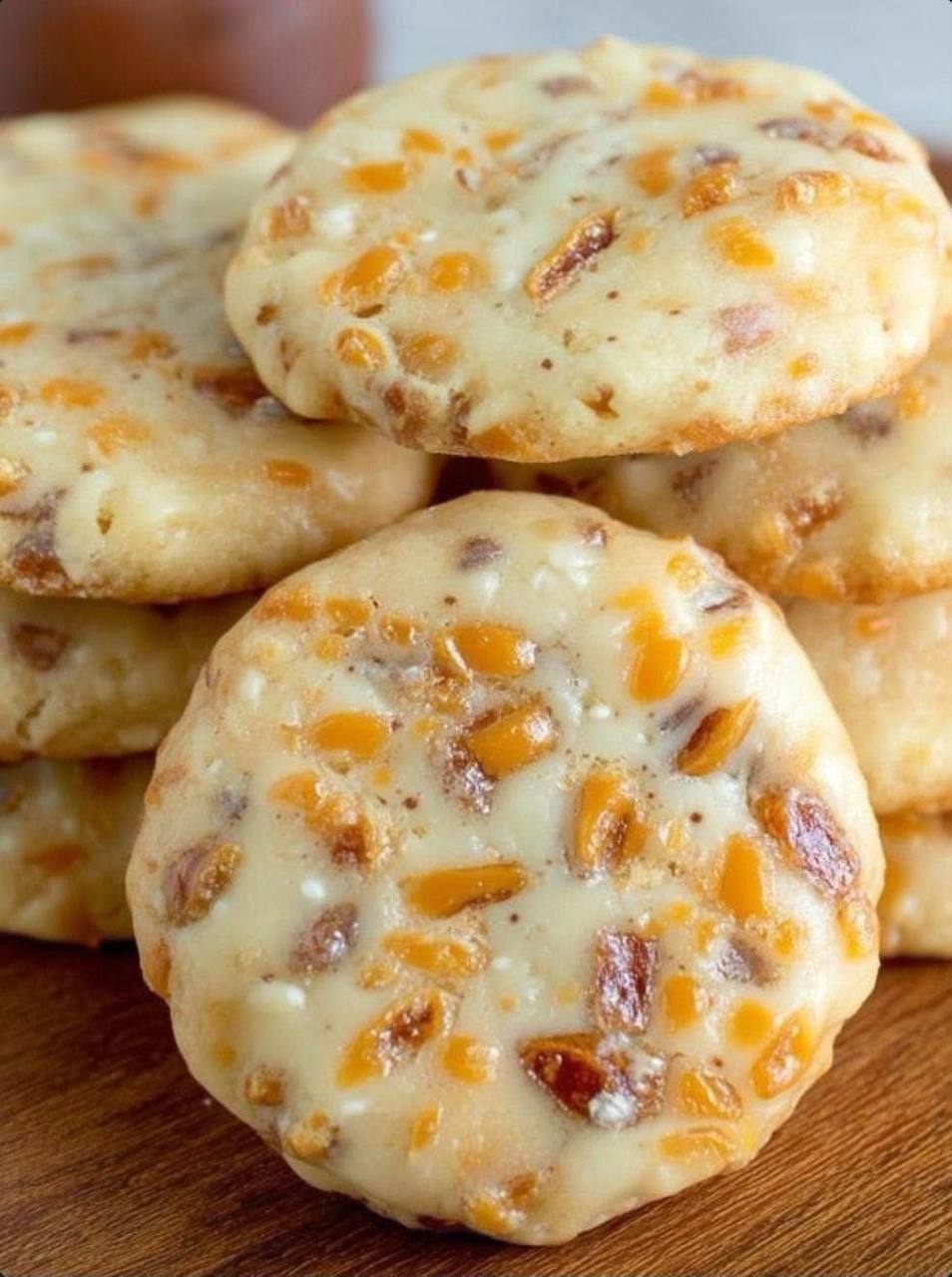
Butterscotch Shortbread Cookies

Introduction
There’s something undeniably comforting and nostalgic about a perfectly baked cookie. And when you combine the rich, crumbly elegance of classic shortbread with the sweet, caramel kiss of butterscotch, you create a treat that’s simply irresistible. Our Butterscotch Shortbread Cookies are more than just a dessert; they’re a warm hug in edible form, a delightful bite that transports you back to simpler times, filled with cozy kitchens and happy memories.
What makes these cookies truly special is their exquisite balance. You get the signature melt-in-your-mouth tenderness of traditional shortbread, a texture that practically dissolves on your tongue, perfectly complemented by the chewy, sweet bursts of butterscotch. Each cookie is a symphony of contrasting textures and harmonious flavors, making them a standout in any cookie jar. Plus, they’re surprisingly easy to make, proving that extraordinary flavor doesn’t always require extraordinary effort. Whether you’re baking for a special occasion, looking for the perfect gift, or simply craving a sweet escape, these butterscotch shortbread cookies are your answer.
Their versatility is another charm. They’re ideal for holiday cookie exchanges, a delightful accompaniment to your afternoon coffee or tea, or a simple, satisfying snack to brighten any day. The beauty of this recipe lies in its straightforward approach, allowing even novice bakers to achieve professional-tasting results. Get ready to fill your home with the intoxicating aroma of butter and butterscotch, because once you try these, they’re sure to become a beloved staple in your baking repertoire.
Nutritional Information
Per serving (approximate values, based on 24 cookies):
- Calories: 180
- Protein: 2g
- Carbohydrates: 22g
- Fat: 10g
- Fiber: 0.5g
- Sodium: 60mg
Ingredients
- 1 cup (2 sticks) unsalted butter, softened
- 1/2 cup granulated sugar
- 1/4 teaspoon salt
- 1 teaspoon pure vanilla extract
- 2 cups all-purpose flour
- 1 cup butterscotch chips
Instructions
- In a large mixing bowl, using an electric mixer, cream together the softened unsalted butter, granulated sugar, and salt until light and fluffy. This process usually takes about 2-3 minutes on medium speed. Ensure the mixture is well combined and has a pale, airy consistency.
- Beat in the pure vanilla extract until just incorporated. Do not overmix at this stage; simply ensure the vanilla is evenly distributed throughout the butter mixture.
- Gradually add the all-purpose flour to the butter mixture, about half a cup at a time, mixing on low speed until just combined. Be careful not to overmix the dough. Overmixing will develop the gluten in the flour, resulting in tough cookies instead of the desired tender, crumbly shortbread texture. Stop mixing as soon as no dry streaks of flour remain.
- Fold in the butterscotch chips using a spatula or wooden spoon. Distribute them evenly throughout the dough. If the dough seems too soft to handle, you can chill it in the refrigerator for 15-20 minutes at this point, though it’s often firm enough to work with immediately.
- Preheat your oven to 325°F (160°C). Line two baking sheets with parchment paper or silicone baking mats. This prevents sticking and ensures even baking.
- Scoop the dough using a small cookie scoop (about 1.5 tablespoons) or roll it into 1-inch balls. Place the dough balls about 2 inches apart on the prepared baking sheets.
- Gently flatten each dough ball slightly with the palm of your hand or the bottom of a glass. You can also use a fork to create a crosshatch pattern, which is traditional for shortbread, if desired.
- Bake the cookies for 15-18 minutes, or until the edges are lightly golden brown and the centers appear set. The baking time may vary depending on your oven, so keep a close eye on them. You want them to be cooked through but still pale in the center for that classic shortbread tenderness.
- Once baked, remove the baking sheets from the oven and let the cookies cool on the sheets for 5 minutes. This allows them to firm up slightly before transferring.
- Carefully transfer the cooled cookies to a wire rack to cool completely. They will become more firm and crumbly as they cool.
Cooking Tips and Variations
To achieve the absolute best Butterscotch Shortbread Cookies, attention to a few key details can make all the difference. First and foremost, resist the urge to overmix the dough. Shortbread relies on a delicate, crumbly texture, and excessive mixing develops gluten, leading to a tougher cookie. Mix just until the flour is incorporated. Another crucial tip is to use high-quality unsalted butter. Since butter is a primary ingredient, its flavor significantly impacts the final product. Using good butter will give your cookies a richer, more luxurious taste.
Chilling the dough isn’t strictly necessary if your kitchen is cool, but it can be beneficial, especially on warmer days. Chilling for 20-30 minutes helps the butter firm up, which prevents the cookies from spreading too much during baking and helps them maintain their shape. It also allows the flavors to meld, resulting in a more cohesive taste. Ensure your oven is accurately preheated; an oven thermometer can be a valuable tool for this. Uneven oven temperatures can lead to unevenly baked cookies.
For variations, consider adding a pinch of ground cinnamon or a tiny dash of nutmeg to the dry ingredients for a warm, spiced twist that complements the butterscotch beautifully. A sprinkle of flaky sea salt on top of the cookies just before baking can enhance the butterscotch flavor by providing a delightful contrast of sweet and salty. If you’re a fan of nuts, finely chopped pecans or walnuts can be folded into the dough along with the butterscotch chips, adding an extra layer of texture and nutty flavor. For an extra decadent touch, once the cookies are completely cooled, you could drizzle them with melted white chocolate or a simple caramel glaze. Alternatively, for a different chip experience, try mixing in some chocolate chips or toffee bits alongside the butterscotch for a multi-flavored cookie.
Storage and Reheating
Proper storage is key to keeping your Butterscotch Shortbread Cookies fresh and delicious for as long as possible. Once the cookies have completely cooled to room temperature, store them in an airtight container. A cookie tin or a plastic container with a tight-fitting lid works perfectly. Placing a piece of parchment paper between layers of cookies can help prevent them from sticking together and also absorbs any excess moisture, maintaining their crispness. Store the container at room temperature, away from direct sunlight or heat sources, for up to 5-7 days. While they are still safe to eat beyond this period, their freshness and texture might begin to diminish.
For longer storage, these cookies freeze exceptionally well. Once completely cooled, arrange them in a single layer on a baking sheet and freeze for about an hour, or until solid. This step, known as flash-freezing, prevents them from sticking together when stored in bulk. Transfer the frozen cookies to a freezer-safe airtight container or a heavy-duty freezer bag. They can be stored in the freezer for up to 3 months. When you’re ready to enjoy them, simply remove the desired number of cookies from the freezer and let them thaw at room temperature for about 15-30 minutes. There’s no need to reheat them; shortbread is typically enjoyed at room temperature. If you prefer a slightly warmed cookie, you can gently heat them in a microwave for 10-15 seconds or in a preheated oven at 250°F (120°C) for 5 minutes, but be careful not to overcook them, as this can make them dry or hard.
Frequently Asked Questions
Why are my shortbread cookies tough instead of crumbly?
Tough shortbread is almost always a result of overmixing the dough. When you mix flour extensively, you develop the gluten, which creates a chewy, elastic texture. For shortbread, you want to minimize gluten development to achieve that signature tender, crumbly, melt-in-your-mouth quality. Mix the flour only until it’s just combined and no dry streaks remain.
Can I use salted butter instead of unsalted butter?
While you can use salted butter in a pinch, it’s generally recommended to use unsalted butter for baking, especially in recipes like shortbread where butter is a prominent flavor. Using unsalted butter gives you complete control over the amount of salt in the recipe. If you do use salted butter, omit the 1/4 teaspoon of salt listed in the recipe, or at least reduce it significantly, to avoid the cookies becoming too salty.
My cookies spread too much during baking. What went wrong?
There are a few reasons why shortbread might spread excessively. The most common culprit is butter that is too soft or warm. If the butter is too warm when you mix the dough, it will melt too quickly in the oven, causing the cookies to spread. Ensure your butter is softened but still cool to the touch. Chilling the dough for 20-30 minutes before baking can also help prevent spreading by firming up the butter. Additionally, an oven that isn’t preheated to the correct temperature or is running too low can contribute to spreading, as the cookies have more time to spread before they set.
How can I make these cookies even more flavorful?
To enhance the flavor of your Butterscotch Shortbread Cookies, consider using a high-quality vanilla extract or even vanilla bean paste for a more intense vanilla note. A tiny pinch of ground cardamom or a dash of almond extract can also add a subtle, sophisticated twist that complements the butterscotch well. For a deeper, more complex butterscotch flavor, you could gently toast a small portion of the butterscotch chips in a dry pan for a minute or two before adding them to the dough (let them cool first). Another simple trick is to sprinkle a tiny bit of flaky sea salt on top of the cookies just before baking; the saltiness will really make the butterscotch pop.