Follow Me On Social Media!
Christmas Fruit Cake Recipe

Introduction
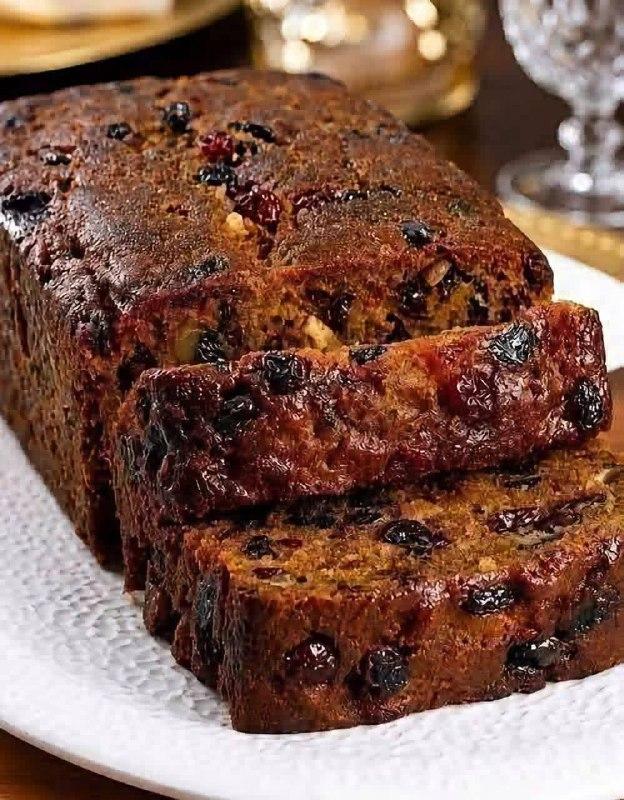
The spirit of Christmas truly comes alive in every slice of a rich, aromatic fruit cake. There’s something undeniably nostalgic and comforting about this classic holiday treat, a tradition passed down through generations. Imagine a beautifully baked loaf, its deep, inviting color hinting at the warmth of spices and the sweetness of dried fruits. This isn’t just any fruit cake; it’s a moist, dense, and wonderfully fruit-laden masterpiece, perfect for sharing with loved ones during the festive season. Its appearance alone, studded with jewel-toned cranberries, plump raisins, and crunchy nuts, promises a delightful sensory experience.
Our Christmas Fruit Cake recipe is designed to bring that magical holiday feeling right into your kitchen. What makes this particular recipe special is its balance of tradition and approachability. We’ve crafted it to be easy to follow, ensuring even novice bakers can achieve a show-stopping result, while still honoring the rich, complex flavors expected from a classic fruit cake. It’s also incredibly customizable, allowing you to tailor the fruits, nuts, and spirits to your personal preference, making it uniquely yours. This cake isn’t just a dessert; it’s a centerpiece, a gift, and a delicious symbol of holiday cheer.
So, gather your ingredients, put on your favorite holiday tunes, and prepare to embark on a delightful baking journey. There’s immense satisfaction in creating something so beautiful and delicious from scratch. This Christmas, bypass the store-bought options and make your own festive treat that will fill your home with an irresistible aroma and your heart with holiday joy. Let’s bake a fruit cake that will be remembered long after the last crumb is savored.
Nutritional Information
Per serving (approximate values, based on 12 servings per loaf):
- Calories: 380
- Protein: 5g
- Carbohydrates: 60g
- Fat: 15g
- Fiber: 4g
- Sodium: 200mg
Ingredients
- 1 cup (170g) mixed dried fruit (currants, raisins, cranberries, chopped dates)
- 1/2 cup (75g) glacé cherries, halved
- 1/4 cup (30g) candied citrus peel, chopped
- 1/2 cup (60g) chopped walnuts or pecans
- 1/2 cup (120ml) brandy, dark rum, or strong brewed black tea (for soaking)
- 1 1/2 cups (180g) all-purpose flour, plus 1 tablespoon for flouring fruit
- 1 teaspoon baking powder
- 1/2 teaspoon baking soda
- 1/2 teaspoon ground cinnamon
- 1/4 teaspoon ground nutmeg
- 1/4 teaspoon ground cloves
- 1/4 teaspoon ground ginger
- 1/4 teaspoon salt
- 1/2 cup (113g) unsalted butter, softened
- 3/4 cup (150g) dark brown sugar, packed
- 2 large eggs, at room temperature
- 1/4 cup (60ml) molasses or treacle
- 2 tablespoons orange juice or milk
- Additional brandy or fruit juice for feeding (optional)
Instructions
- Prepare the Fruit: In a medium bowl, combine the mixed dried fruit, glacé cherries, candied citrus peel, and chopped walnuts/pecans. Pour the brandy, rum, or strong brewed tea over the fruit mixture. Stir well, cover, and let it soak for at least 4 hours, or preferably overnight, at room temperature. This step is crucial for plump, moist fruit.
- Preheat Oven and Prepare Pan: Preheat your oven to 300°F (150°C). Grease and line a 9×5 inch (23×13 cm) loaf pan with parchment paper, allowing the paper to extend a few inches over the long sides to create a “sling.” This makes it easier to remove the cake later.
- Combine Dry Ingredients: In a medium bowl, whisk together the 1 1/2 cups all-purpose flour, baking powder, baking soda, cinnamon, nutmeg, cloves, ginger, and salt. Set aside.
- Cream Butter and Sugar: In a large mixing bowl, using an electric mixer, cream together the softened butter and dark brown sugar until light and fluffy, about 3-4 minutes.
- Add Eggs and Molasses: Beat in the eggs one at a time, mixing well after each addition. Scrape down the sides of the bowl as needed. Stir in the molasses until fully combined.
- Alternate Wet and Dry: Gradually add the dry ingredient mixture to the wet ingredients, alternating with the orange juice or milk, beginning and ending with the dry ingredients. Mix on low speed until just combined, being careful not to overmix.
- Flour the Fruit: Drain any excess liquid from the soaked fruit mixture. Add the remaining 1 tablespoon of flour to the fruit and nut mixture and toss to coat evenly. This helps prevent the fruit from sinking to the bottom of the cake during baking.
- Fold in Fruit and Nuts: Gently fold the floured fruit and nut mixture into the cake batter until evenly distributed.
- Fill the Pan and Bake: Spoon the batter into the prepared loaf pan and smooth the top. Bake for 1 hour and 30 minutes to 2 hours, or until a wooden skewer inserted into the center of the cake comes out clean. If the top starts to brown too quickly, you can loosely tent it with aluminum foil.
- Cool the Cake: Once baked, remove the cake from the oven and let it cool in the pan for 15-20 minutes before using the parchment paper sling to lift it out onto a wire rack. Remove the parchment paper from the sides.
- “Feed” the Cake (Optional but Recommended): While the cake is still warm, you can prick the top of the cake all over with a skewer and brush 1-2 tablespoons of brandy, rum, or fruit juice over the top. Allow it to soak in. For an even more moist and flavorful cake, repeat this process once a week for 2-3 weeks, wrapping the cake tightly in parchment paper and then foil after each feeding.
Cooking Tips and Variations
Don’t Skimp on the Fruit: The image clearly shows a very generous amount of fruit, and this is truly the hallmark of an excellent Christmas fruit cake. More fruit means more moisture, flavor, and texture in every bite. Feel free to increase the quantity of dried fruits by up to 1/2 cup if you want an even fruitier cake!
Flour the Fruit: This seemingly small step makes a huge difference. Lightly tossing your dried fruits and nuts in a tablespoon of flour (from the measured amount for the recipe) before adding them to the batter helps prevent them from sinking to the bottom during baking, ensuring an even distribution throughout the cake.
Low and Slow Baking: Fruit cakes are dense and benefit from longer baking times at a lower temperature. This ensures the cake cooks through evenly without drying out the edges or burning the top. Resist the urge to crank up the heat to speed things up.
“Feeding” is Worth It: Regularly brushing the cooled cake with a spirit like brandy or rum, or even fruit juice, over several days or weeks before serving, is a game-changer. This process dramatically enhances the cake’s moisture, deepens its flavor, and allows the spices to meld beautifully. It’s the secret to that classic, rich fruit cake experience.
Wrap Tightly for Longevity: For optimal aging and freshness, once your cake is completely cool (and after any “feedings”), wrap it first in parchment paper, then tightly in aluminum foil. Store it in an airtight container in a cool, dark place. Fruit cake truly improves with age, becoming more moist and flavorful over time.
Use Good Quality Dried Fruit: The quality of your ingredients directly impacts the final taste and texture. Opt for plump, fresh-looking dried fruits. Avoid overly dry or hard fruits, as they won’t rehydrate as well.
Customization is Key: This recipe is a fantastic base for your creativity. Experiment with different fruit and nut combinations: try chopped dried apricots, figs, dates, or even pineapple. For nuts, almonds or hazelnuts are great alternatives. Vary the alcohol used for soaking and feeding; Grand Marnier or Cointreau can add a lovely citrus note. For a non-alcoholic version, use orange juice, apple juice, or strong brewed tea. You can also add a simple glaze of powdered sugar and citrus juice for an extra touch of sweetness and shine.
Troubleshooting Dry Cake: If your cake turns out a bit dry, don’t despair! You can still “feed” it generously with brandy or fruit juice over several days. The cake will absorb the liquid and regain moisture.
Serving Suggestions: Christmas fruit cake is wonderfully versatile. Serve it simply with a cup of tea or coffee, or elevate it with a dollop of brandy butter, a scoop of vanilla ice cream, or a drizzle of crème anglaise. It also makes a delightful gift, wrapped beautifully.
Storage and Reheating
Storage: Once completely cooled, the Christmas fruit cake can be stored for an extended period, making it an ideal make-ahead holiday treat. For best results, wrap the cake tightly in parchment paper, then in aluminum foil, and place it in an airtight container. Store it in a cool, dark place (like a pantry or cupboard) for up to 2-3 months. If you plan to “feed” the cake with alcohol, store it this way between feedings. For even longer storage, the cake can be frozen for up to 6 months. To freeze, wrap it as described above, then place it in a freezer-safe bag or container.
Reheating: Christmas fruit cake is traditionally served at room temperature, so reheating is usually not necessary. If you prefer a slightly warmed slice, you can gently heat individual servings in the microwave for 10-20 seconds, or in a preheated oven at 250°F (120°C) for about 5-10 minutes, just until warmed through. Be careful not to overheat, as this can dry out the cake. If frozen, thaw the cake overnight in the refrigerator, then bring it to room temperature before serving.
Frequently Asked Questions
Can I make this fruit cake without alcohol?
Absolutely! For a non-alcoholic version, you can substitute the brandy or rum used for soaking the fruits with strong brewed black tea, orange juice, apple juice, or even cranberry juice. These liquids will still help plump up the dried fruits and add moisture and flavor to the cake without any alcohol content.
Why did my fruit sink to the bottom of the cake?
The most common reason for fruit sinking is not coating it in flour before adding it to the batter. The flour creates a light coating that helps the fruit suspend evenly in the batter during baking. Also, if the batter is too thin, it might not be able to hold the weight of the fruit, so ensure you follow the recipe quantities carefully.
How far in advance can I make this fruit cake?
Christmas fruit cake is one of those rare treats that truly improves with age. You can make this cake 2-3 months in advance of Christmas. In fact, making it early allows ample time for the flavors to meld and mature, especially if you plan on “feeding” it with alcohol. The longer it sits, the more moist and flavorful it becomes, embodying the true spirit of a traditional holiday fruit cake.