Follow Me On Social Media!
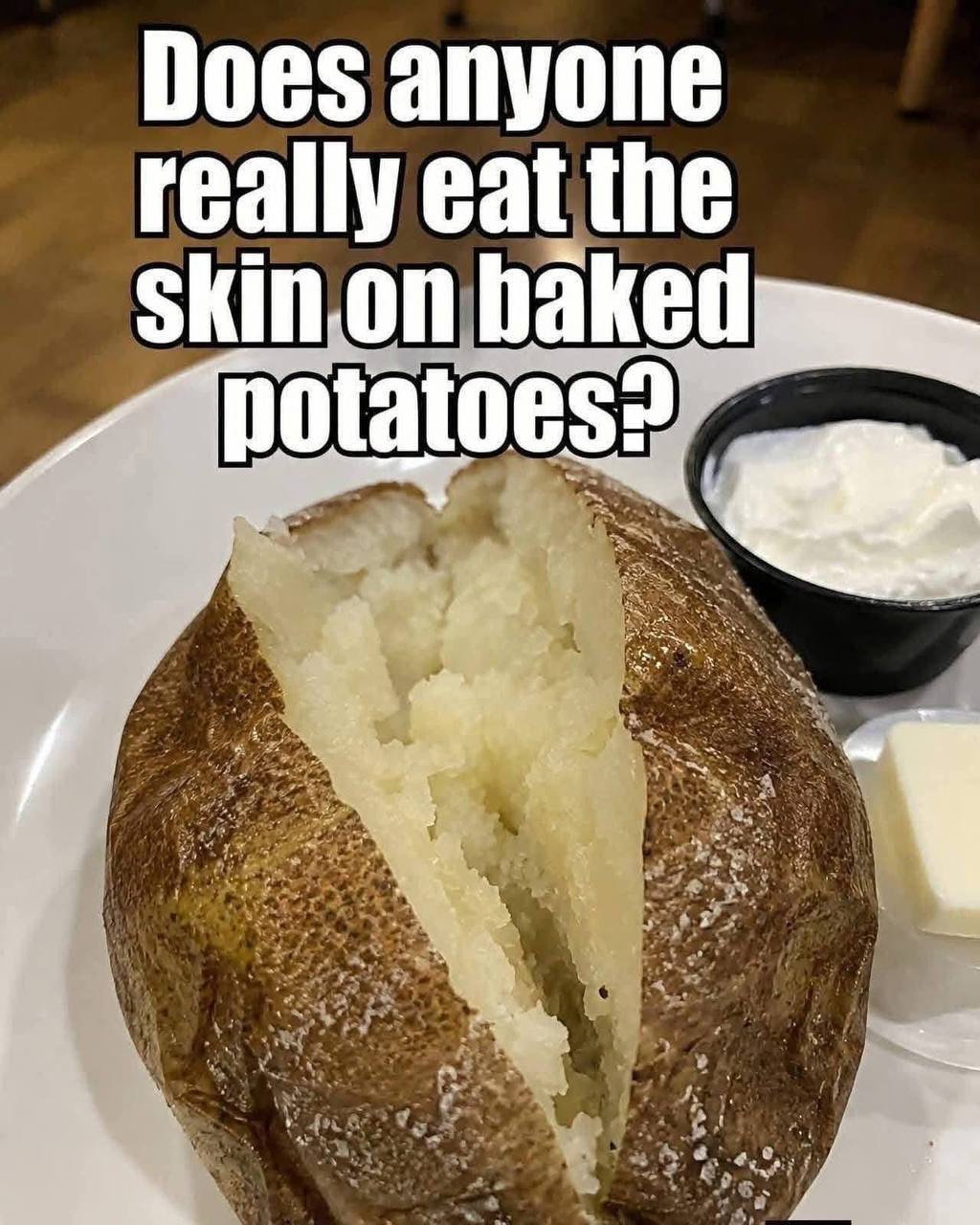
The Ultimate Baked Potato Recipe Crispy Skin Fluffy Inside and Loaded with Flavor

Introduction
Ah, the humble baked potato. It’s more than just a side dish; it’s a canvas for culinary creativity, a comforting classic, and for many, a nostalgic taste of home. There’s something inherently satisfying about a perfectly baked potato – that moment when you slice it open and steam billows out, revealing a cloud-like interior just begging for a pat of butter. It’s a dish that transcends seasons and occasions, equally at home at a backyard barbecue or as the star of a cozy winter meal.
But let’s be honest, not all baked potatoes are created equal. You’ve likely experienced the disappointment of a dry, mealy potato or one with a soggy, unappealing skin. That’s where this “Ultimate Baked Potato Recipe” comes in. We’re not just aiming for good; we’re aiming for perfection. Imagine a potato with an impossibly crispy, savory skin that crackles with every bite, contrasting beautifully with an interior so fluffy and airy it practically melts in your mouth. And then, of course, there’s the “loaded with flavor” promise – because a truly ultimate baked potato is one that’s generously adorned with your favorite toppings, transforming a simple spud into a hearty, satisfying meal.
Beyond the sheer deliciousness, there’s also the often-debated topic of the potato skin itself. Is it good for you? Should you eat it? Absolutely! The skin is packed with fiber, vitamins, and minerals, making it a nutritional powerhouse that contributes significantly to the overall goodness of this dish. So, get ready to embrace the entire potato experience, from that glorious crispy exterior to the pillowy soft inside, all while customizing it to your heart’s content. Let’s embark on this journey to baked potato nirvana!
Nutritional Information
Per serving (approximate values, for one medium baked Russet potato without toppings):
- Calories: 160 kcal
- Protein: 4g
- Carbohydrates: 37g
- Fat: 0.2g
- Fiber: 4g
- Sodium: 10mg
Ingredients
- 4 medium to large Russet potatoes (about 8-10 ounces each)
- 2 tablespoons olive oil (or avocado oil)
- 1 tablespoon coarse sea salt (or kosher salt)
- For Classic Toppings:
- 4 tablespoons unsalted butter, softened
- 1 cup sour cream
- 1/2 cup shredded cheddar cheese
- 4 slices bacon, cooked crispy and crumbled
- 2 tablespoons fresh chives, finely chopped
- Freshly ground black pepper, to taste
Instructions
- Preheat your oven to 400°F (200°C). If you have a baking stone or a heavy baking sheet, place it in the oven while it preheats to get it nice and hot. This helps achieve an even crispier skin.
- Prepare the Potatoes: Thoroughly scrub the Russet potatoes under cold running water to remove any dirt. Pat them completely dry with a paper towel. This step is crucial for crispy skin; any moisture will steam the skin rather than crisp it.
- Pierce and Oil: Using a fork, prick each potato 4-5 times all over. This allows steam to escape during baking, preventing the potato from bursting and ensuring a fluffy interior. Drizzle the olive oil over each potato and rub it in evenly with your hands, coating the entire surface.
- Salt the Skin: Generously sprinkle the coarse sea salt all over the oiled potatoes, ensuring an even coating. The salt not only adds flavor but also helps draw out moisture, contributing to that irresistible crispy skin.
- Bake for Perfection: Place the prepared potatoes directly on the hot oven rack (or on your preheated baking stone/sheet). Bake for 50-70 minutes, depending on the size of your potatoes. Smaller potatoes will cook faster, larger ones will take longer.
- Check for Doneness: The potatoes are done when the skin is deeply golden brown and crispy, and the interior is fork-tender. You can test for doneness by gently squeezing the potato; it should yield easily to pressure. Alternatively, insert a thin metal skewer or knife into the center; it should slide in with no resistance.
- The Fluffing Technique: As soon as the potatoes are out of the oven, use a sharp knife to slice each potato lengthwise, but don’t cut all the way through the bottom skin. Hold the potato by the ends and gently squeeze it towards the center, causing the fluffy interior to burst open. Use a fork to gently fluff the potato flesh, creating an airy, cloud-like texture.
- Load ‘Em Up: Immediately place a pat of softened butter into the hot, fluffed potato. The butter will melt beautifully into the warm flesh. Then, dollop with sour cream, sprinkle with shredded cheddar cheese, crumbled bacon bits, and a generous amount of fresh chives. Season with freshly ground black pepper to taste.
- Serve Immediately: The ultimate baked potato is best enjoyed fresh out of the oven when the skin is at its crispiest and the interior is at its fluffiest.
Cooking Tips and Variations
Choosing the Right Potato: Always opt for Russet potatoes (also known as Idaho potatoes). Their high starch content and thick skin make them ideal for baking, resulting in a super fluffy interior and a sturdy, crispy skin. Waxy potatoes like Yukon Golds or red potatoes will yield a denser, moister texture, which isn’t what we’re going for here.
Don’t Wrap in Foil: Resist the urge to wrap your potatoes in aluminum foil. While it might seem like it helps them cook faster or stay moist, foil actually steams the potato, resulting in a soft, soggy skin rather than the desired crispy one. Direct heat is key!
High Heat for Crispy Skin: Baking at a higher temperature (like 400°F/200°C) is essential for achieving that beautifully crispy skin. If your oven has a convection setting, using it can further enhance crispiness.
Preheating is Your Friend: A hot oven and, ideally, a preheated baking sheet or stone, helps create an initial blast of heat that kickstarts the crisping process on the skin.
The “Fluffing” Magic: Don’t skip the step of splitting and fluffing the potato immediately after baking. This releases steam and aerates the potato flesh, making it incredibly light and fluffy.
Creative Topping Ideas:
- Savory & Hearty:
- Chili con carne with extra cheese and a dollop of sour cream.
- Pulled pork or shredded chicken with BBQ sauce and coleslaw.
- Steamed broccoli florets and a rich cheese sauce.
- Sautéed mushrooms and onions with a sprinkle of fresh thyme.
- Ground beef or turkey taco meat with salsa, guacamole, and jalapeños.
- Fried egg and hot sauce for a breakfast-for-dinner twist.
- Healthy & Fresh:
- Greek yogurt instead of sour cream, topped with fresh salsa and avocado slices.
- Steamed mixed vegetables (carrots, peas, corn) with a light herb dressing.
- Black beans, corn, and diced bell peppers with a squeeze of lime.
- A spoonful of pesto with cherry tomatoes and fresh mozzarella.
- Gourmet & Indulgent:
- Crab meat or shrimp scampi with a lemon-garlic butter sauce.
- Smoked salmon, cream cheese, and dill.
- Caramelized onions and goat cheese.
Balancing Flavors and Textures: When choosing toppings, think about a good balance of flavors (savory, tangy, spicy) and textures (creamy, crunchy, soft). This creates a more interesting and satisfying eating experience.
Storage and Reheating
Storing Leftover Baked Potatoes: If you have any leftover plain baked potatoes (without toppings), allow them to cool completely at room temperature. Once cooled, wrap each potato tightly in aluminum foil or place them in an airtight container. Store in the refrigerator for up to 3-4 days. It’s best to store them plain, as toppings can make the potato soggy and affect its texture upon reheating.
Reheating in the Oven (Recommended for Crispy Skin): This method is best for restoring that desirable crispy skin. Preheat your oven to 350°F (175°C). Remove the potato from any wrapping and place it directly on the oven rack. Bake for 15-20 minutes, or until heated through and the skin has re-crisped. If the skin isn’t as crispy as you’d like, you can increase the temperature to 400°F (200°C) for the last 5 minutes.
Reheating in the Air Fryer: For a quick and easy way to get crispy skin, an air fryer works wonders. Preheat your air fryer to 350°F (175°C). Place the potato in the air fryer basket and cook for 10-15 minutes, flipping halfway through, until heated through and crispy. Cooking time may vary depending on the size of the potato and your air fryer model.
Reheating in the Microwave (Least Recommended for Skin): While the quickest method, reheating in the microwave will result in a soft, non-crispy skin. If you only care about heating the interior, place the potato on a microwave-safe plate and microwave on high for 2-4 minutes, flipping halfway, until hot. You can then add fresh toppings.
Reheating Loaded Potatoes: If your potato is already loaded with toppings, reheating can be a bit trickier. For best results, scrape off any cold toppings (like sour cream or fresh chives) and reheat the potato in the oven or air fryer until hot. Then, add fresh toppings. This prevents the fresh ingredients from getting overcooked or watery.
Frequently Asked Questions
Why do I need to poke holes in the potato?
Poking holes in the potato skin allows steam to escape during the baking process. Without these holes, the steam builds up inside the potato, which can cause it to burst open in your oven. It also helps the potato cook more evenly, ensuring a fluffy interior.
Can I use a different type of potato?
While you can bake other potato varieties, Russet potatoes are highly recommended for this recipe. Their high starch content and thick skin are specifically suited for achieving a fluffy interior and a crispy skin. Other varieties like Yukon Golds or red potatoes have a lower starch content and thinner skins, which will result in a denser, moister texture that isn’t quite the “ultimate” baked potato experience we’re aiming for.
Is it really safe and healthy to eat the potato skin?
Absolutely! Eating the potato skin is not only safe but also highly recommended for its nutritional benefits. The skin is packed with dietary fiber, which aids digestion, and contains a significant amount of vitamins and minerals, including potassium, vitamin C, and B vitamins. Just make sure to scrub the potato thoroughly before baking to remove any dirt or residue.
My baked potato skin isn’t crispy. What went wrong?
There are a few common culprits for a soggy skin: not drying the potato completely before oiling, not oiling the skin sufficiently, baking at too low a temperature, or wrapping the potato in foil. Ensure you pat the potatoes bone dry, coat them well with oil and salt, and bake them directly on the oven rack (or a preheated baking stone/sheet) at a high temperature (400°F/200°C) for the entire baking time.