Follow Me On Social Media!
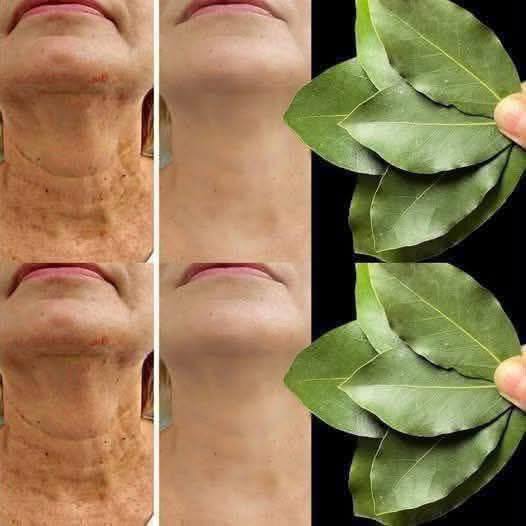
Bay Leaf The Natural Wrinkle Eraser for Ageless Beauty

Introduction
Bay leaf, that unassuming aromatic hero often found simmering quietly in our stews and sauces, is stepping out of the culinary shadows and into an unexpected spotlight. For centuries, this humble herb has been a staple in kitchens worldwide, prized for its subtle, woody, and slightly floral notes that deepen the flavor profile of countless dishes. From comforting soups to rich braises, the bay leaf has consistently proven its worth as a culinary workhorse, adding a layer of sophisticated aroma that’s both distinctive and essential to many traditional recipes.
However, recent buzz suggests this versatile leaf might possess secrets far beyond the realm of gastronomy. Whispers in the beauty world are touting bay leaf as a “natural wrinkle eraser,” promising ageless beauty and a youthful glow. This intriguing claim pivots our beloved kitchen staple into a new, fascinating, and somewhat surprising role in skincare. It’s a bold assertion that challenges our traditional understanding of bay leaf’s purpose, inviting us to explore whether this culinary star truly holds the key to defying the signs of aging.
In this article, we’ll peel back the layers of these compelling beauty claims. We’ll delve into the bay leaf’s established culinary prowess, celebrating its invaluable contribution to our favorite dishes. Then, we’ll pivot to critically examine the burgeoning beauty narrative, sifting through anecdotal evidence and scrutinizing the scientific basis (or lack thereof) for its purported anti-aging effects. Our journey will reveal whether the bay leaf is truly a dual-purpose marvel, or if some claims are best taken with a grain of salt – or perhaps, best left in the soup pot.
Nutritional Information
Per serving (approximate values, based on a hypothetical bay leaf infused facial toner or oil, which would contribute negligible nutritional value when applied topically):
- Calories: 0
- Protein: 0g
- Carbohydrates: 0g
- Fat: 0g
- Fiber: 0g
- Sodium: 0mg
Ingredients
For a Bay Leaf Infused Facial Toner (for experimental purposes only):
- 5-6 fresh bay leaves (Laurus nobilis) or 8-10 dried bay leaves
- 1 cup distilled water
- 1 tablespoon witch hazel (alcohol-free, optional, for astringent properties)
- 5 drops pure lavender essential oil (optional, for scent and calming properties)
For a Bay Leaf Infused Oil (for experimental purposes only):
- 10-12 fresh bay leaves (Laurus nobilis), bruised
- 1 cup carrier oil (e.g., sweet almond oil, jojoba oil, or olive oil)
- Glass jar with a tight-fitting lid
Instructions
For Bay Leaf Infused Facial Toner:
- Prepare the Bay Leaves: If using fresh bay leaves, gently rinse them. If using dried, ensure they are clean. You can lightly crush them with your hands to help release their oils and aroma.
- Boil the Water: In a small saucepan, bring 1 cup of distilled water to a rolling boil.
- Infuse the Bay Leaves: Remove the saucepan from the heat. Add the prepared bay leaves to the hot water.
- Steep: Cover the saucepan immediately to trap the steam and allow the bay leaves to steep for at least 30 minutes, or until the water has cooled completely. For a stronger infusion, you can let it steep for several hours or even overnight.
- Strain: Once cooled, strain the liquid through a fine-mesh sieve or cheesecloth into a clean, sterilized bottle or jar. Discard the bay leaves.
- Add Optional Ingredients: If desired, add 1 tablespoon of alcohol-free witch hazel and 5 drops of lavender essential oil to the strained bay leaf infusion.
- Mix and Store: Shake gently to combine. Store the toner in the refrigerator for up to one week.
- Patch Test: Before applying to your face, perform a patch test on a small, inconspicuous area of your skin (e.g., behind your ear or on your inner forearm) to check for any adverse reactions.
- Apply (with caution): If no irritation occurs, apply the toner to a clean face using a cotton pad, avoiding the eye area. Use once daily.
For Bay Leaf Infused Oil:
- Prepare Bay Leaves: Gently bruise the fresh bay leaves by rolling them between your hands or lightly crushing them. This helps to release their essential oils.
- Combine Ingredients: Place the bruised bay leaves into a clean, sterilized glass jar. Pour the carrier oil over the leaves, ensuring they are fully submerged.
- Seal and Infuse: Seal the jar tightly with a lid. Place the jar in a cool, dark place for 2-4 weeks, shaking it gently every day or two to encourage infusion. Alternatively, for a quicker infusion, you can use a double boiler: gently heat the oil and bay leaf mixture over low heat for 2-4 hours, ensuring the oil never gets too hot.
- Strain the Oil: After the infusion period, strain the oil through a fine-mesh sieve lined with cheesecloth into a clean, sterilized bottle. Squeeze the leaves gently to extract all the oil.
- Store: Store the infused oil in a cool, dark place. It should last as long as the shelf life of your chosen carrier oil, typically several months to a year.
- Patch Test: As with the toner, always perform a patch test before applying the infused oil to your face or body, especially if you have sensitive skin.
- Apply (with caution): If no irritation occurs, a small amount can be massaged onto the skin.
Cooking Tips and Variations
Culinary Tips for Bay Leaf:
- Always Remove: Remember to remove whole bay leaves from your dishes before serving. They are tough, can be sharp, and are difficult to digest.
- Dried vs. Fresh: Dried bay leaves have a more concentrated, sometimes slightly minty, flavor. Fresh bay leaves offer a brighter, more subtle, and somewhat floral aroma. Adjust quantities accordingly: use fewer dried leaves than fresh.
- Bruise for Flavor: For dried bay leaves, lightly crushing or tearing them slightly before adding them to a dish can help release more of their essential oils and flavor.
- Longer Cooking Times: Bay leaves shine in dishes that simmer for an extended period, allowing their flavor to slowly infuse into the liquid. Think soups, stews, braises, and sauces.
- Pairing: Bay leaf pairs wonderfully with tomatoes, red meats, poultry, fish, and legumes. It’s a classic in French bouillabaisse, Indian curries, and Mediterranean stews.
Variations (for Beauty Applications – use with extreme caution and prior patch testing):
- Bay Leaf Steam: Add a few bay leaves to a bowl of hot water and lean over it with a towel draped over your head for a facial steam. This is thought to open pores and allow the aromatic compounds to reach the skin.
- Bay Leaf Mask: Some anecdotal recipes suggest crushing dried bay leaves into a fine powder and mixing it with a binding agent like honey or yogurt to create a face mask. However, this carries a higher risk of irritation due to direct contact with concentrated leaf particles.
- Bay Leaf Hair Rinse: An infusion similar to the toner can be used as a hair rinse, believed by some to promote hair health and shine.
Storage and Reheating
For Culinary Bay Leaves:
- Dried Bay Leaves: Store dried bay leaves in an airtight container in a cool, dark place, away from direct sunlight and moisture. Properly stored, they can retain their potency for up to a year. Beyond that, they won’t spoil but will lose their aromatic strength.
- Fresh Bay Leaves: Wrap fresh bay leaves in a damp paper towel and place them in a sealed plastic bag in the refrigerator. They will last for about 1-2 weeks. You can also freeze fresh bay leaves in a freezer bag for longer storage, though their texture will soften upon thawing.
For Bay Leaf Infused Beauty Products (Toners/Oils):
- Bay Leaf Toner: Due to its water base and lack of preservatives, the bay leaf toner must be stored in the refrigerator. It is highly perishable and should be used within 5-7 days. Discard immediately if you notice any cloudiness, odor, or mold.
- Bay Leaf Infused Oil: Store the infused oil in a cool, dark place, ideally in an amber glass bottle to protect it from light degradation. It will typically last as long as the shelf life of the carrier oil used, usually 6-12 months. Always check for any signs of rancidity (an off smell) before use.
- Reheating (Not Applicable): These beauty preparations are not meant for reheating. Applying warm or hot infusions directly to the skin can cause burns or irritation.
Frequently Asked Questions
Does bay leaf actually remove wrinkles?
While the title “Bay Leaf The Natural Wrinkle Eraser for Ageless Beauty” is certainly captivating, there is currently no robust, peer-reviewed scientific evidence to support the claim that bay leaf can directly “erase” wrinkles. Most claims are anecdotal and based on traditional uses or the presence of antioxidants. While bay leaves do contain compounds with antioxidant and anti-inflammatory properties, which are beneficial for overall skin health, their ability to reverse or erase established wrinkles through topical application is unproven by modern dermatological science. Skincare is complex, and effective wrinkle reduction typically involves a combination of ingredients, lifestyle changes, and sometimes professional treatments.
Are there any risks to applying bay leaf to my skin?
Yes, there are potential risks. While bay leaves are generally safe for culinary use (when removed before eating), topical application is a different matter. Bay leaf essential oil, in particular, can be quite potent and may cause skin irritation, redness, or allergic reactions in sensitive individuals. Even diluted infusions or oils should always be patch-tested on a small area of skin before widespread use. Direct contact with crushed leaf particles can also be abrasive. It’s crucial to distinguish between anecdotal beauty claims and scientifically validated skincare practices. If you have sensitive skin or any pre-existing skin conditions, it’s best to consult a dermatologist before trying any new natural topical remedies.
What are the actual scientifically recognized benefits of bay leaf?
Scientifically, bay leaf (Laurus nobilis) is primarily recognized for its culinary value and its chemical composition. It contains essential oils like eucalyptol, pinene, and linalool, which contribute to its distinctive aroma and some of its traditional medicinal properties. Research suggests bay leaf extracts may possess antioxidant, anti-inflammatory, and antimicrobial properties. Historically, it has been used in some traditional medicine systems for digestive issues, pain relief, and as an antiseptic. However, these benefits are often studied in concentrated extract forms or through ingestion, not necessarily through topical application for wrinkle reduction. Its strongest and most universally accepted benefit remains its ability to enhance the flavor of food.