
Follow Me On Social Media!
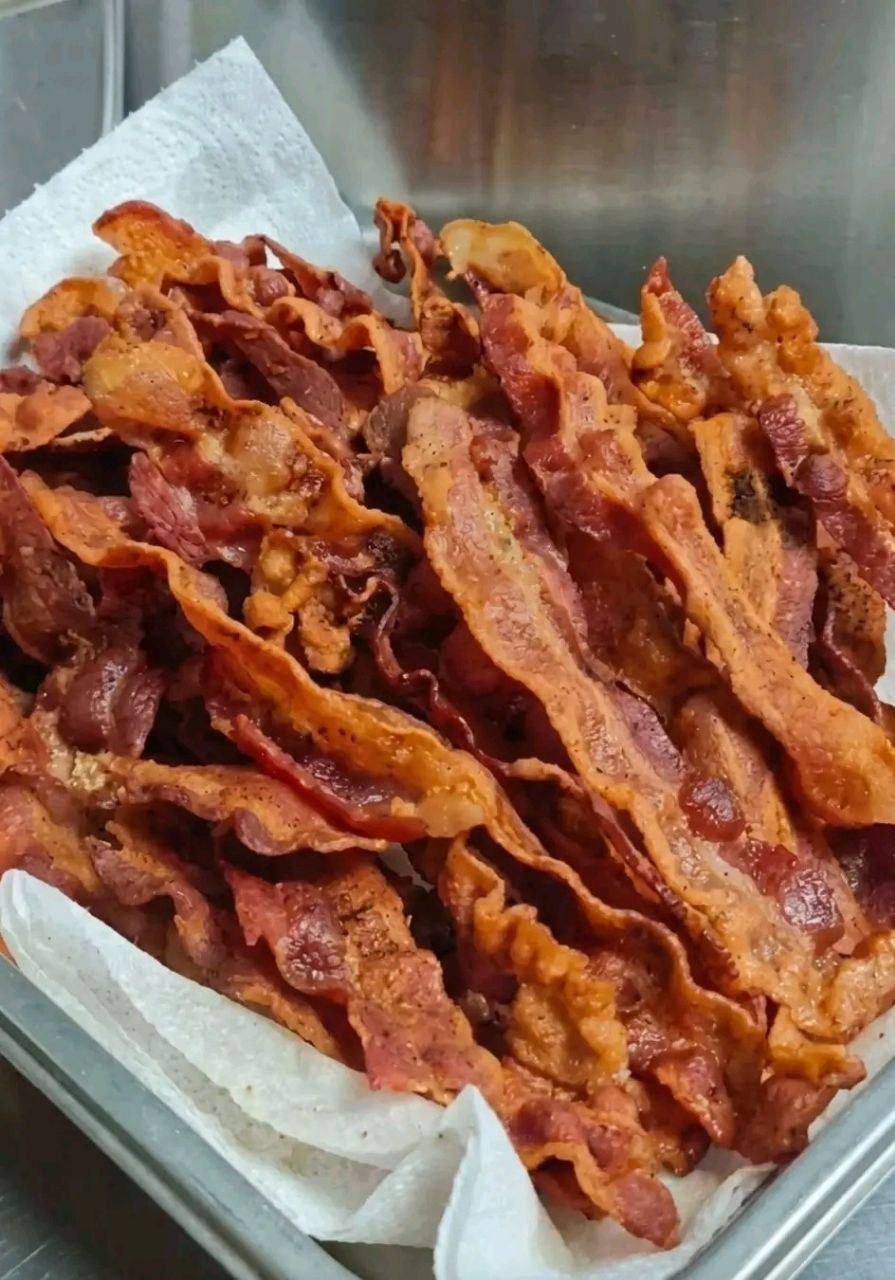
Bacon in the Oven

Introduction
Forget the splattering stovetop, the unevenly cooked strips, and the constant babysitting. We’re about to unveil the secret to perfectly crispy, gloriously golden bacon every single time: the oven. That’s right, your trusty oven isn’t just for roasting chickens or baking cookies; it’s a hidden gem for achieving bacon perfection with minimal fuss and maximum deliciousness. This method transforms a breakfast staple into a hands-off culinary triumph, freeing you up to prepare the rest of your meal or simply savor the irresistible aroma wafting from your kitchen.
Bacon, in its simplest form, is cured pork belly, often smoked, sliced, and ready to be transformed into a crispy, savory delight. There are various cuts, from thin and delicate to thick-cut, which offers a meatier bite, and even peppered or maple-cured varieties for an extra flavor kick. While pan-frying might be the traditional approach, it often leads to uneven cooking, grease splatters that seem to reach every corner of the kitchen, and the need to constantly monitor and flip each strip. The oven method, however, eliminates these headaches, delivering consistently cooked bacon that’s ready to elevate any meal.
This simple yet revolutionary technique guarantees bacon that’s uniformly crisp, beautifully rendered, and bursting with flavor. Whether you’re making a big breakfast for the family, prepping for a week of delicious additions to salads and sandwiches, or simply craving that unmistakable savory crunch, cooking bacon in the oven is the ultimate game-changer. Get ready to say goodbye to greasy stovetops and hello to effortless bacon brilliance!
Nutritional Information
Per serving (approximate values, based on 3 slices of standard-cut bacon):
- Calories: 160
- Protein: 12g
- Carbohydrates: 0g
- Fat: 12g
- Fiber: 0g
- Sodium: 450mg
Ingredients
- 1 pound (approximately 12-16 slices) standard or thick-cut bacon
- Optional: Freshly ground black pepper
Instructions
- Preheat Your Oven: Position an oven rack in the middle of your oven. Preheat the oven to 400°F (200°C).
- Prepare Your Baking Sheet: Line a large rimmed baking sheet with aluminum foil or parchment paper. This is crucial for easy cleanup! If you have a wire rack that fits inside your baking sheet, place it on top of the foil/parchment. This allows air to circulate around the bacon, resulting in even crispier strips.
- Arrange the Bacon: Lay the bacon strips in a single layer on the prepared baking sheet or wire rack. Ensure that the strips do not overlap. If cooking a large amount, you may need to use two baking sheets or cook in batches.
- Season (Optional): If desired, sprinkle the bacon lightly with freshly ground black pepper or any other preferred seasonings at this stage.
- Bake the Bacon: Place the baking sheet in the preheated oven. Bake for 15-25 minutes, depending on the thickness of your bacon and your desired level of crispness.
- Monitor for Doneness: Begin checking the bacon around the 15-minute mark. Thinner bacon will cook faster, while thick-cut bacon will require more time. The bacon should be golden brown and crispy, but watch it carefully as it can go from perfectly cooked to burnt very quickly.
- Flip (Optional but Recommended for Evenness): For extremely even cooking and crispness, you can carefully flip the bacon strips halfway through the cooking time (e.g., after 10-12 minutes). However, this is not strictly necessary for good results.
- Drain Excess Grease: Once the bacon reaches your preferred crispness, carefully remove the baking sheet from the oven. Using tongs, transfer the cooked bacon strips to a plate lined with several layers of paper towels. This will absorb any excess grease, making the bacon even crispier.
- Serve Immediately: Serve your perfectly oven-baked bacon hot and enjoy!
- Save the Grease (Optional): If you wish to save the bacon fat for future cooking, carefully pour the hot grease from the baking sheet (after removing the bacon) into a heat-proof jar or container. Let it cool completely before covering and refrigerating.
Cooking Tips and Variations
To truly master the art of oven-baked bacon, consider these tips and explore exciting variations.
Tips for Best Results:
- Start Cold (Optional but Effective): Some chefs swear by starting bacon in a cold oven. Place the bacon on the baking sheet, then put it into a cold oven and set the temperature to 400°F (200°C). As the oven heats up, the fat renders slowly, resulting in exceptionally flat and crispy bacon. The cooking time will be slightly longer, typically 20-30 minutes.
- Avoid Overcrowding: Giving each bacon strip its space on the baking sheet is crucial. Overlapping strips will steam rather than crisp, leading to soggy, chewy bacon. If you’re cooking a large quantity, use multiple baking sheets or cook in batches.
- The Wire Rack Advantage: While not strictly necessary, using a wire rack set inside your rimmed baking sheet is the secret weapon for ultimate crispness. It elevates the bacon, allowing hot air to circulate all around each strip and preventing it from sitting in its rendered fat.
- Watch Carefully: Bacon can go from perfectly crisp to burnt in a matter of minutes, especially towards the end of the cooking time. Keep a close eye on it, particularly if you’re trying the recipe for the first time or using a new type of bacon.
- Don’t Forget the Foil/Parchment: This simple step makes cleanup a breeze. Without it, you’ll be scrubbing baked-on bacon grease, which is no fun.
- Adjust for Thickness: Thin-cut bacon will cook much faster (sometimes as little as 12-15 minutes), while thick-cut bacon can take up to 25-30 minutes. Adjust your cooking time accordingly.
Recipe Variations:
- Candied Bacon (Sweet & Savory): For a truly decadent treat, sprinkle the bacon generously with brown sugar or drizzle with maple syrup before baking. You can also add a pinch of cayenne pepper for a sweet and spicy kick. This creates a caramelized, sticky-sweet bacon that’s incredible on its own, crumbled over salads, or as a garnish for desserts.
- Spicy Bacon: Before baking, sprinkle the bacon with a dash of cayenne pepper, smoked paprika, or a blend of your favorite chili powders. This adds a delightful warmth and depth of flavor.
- Herbed Bacon: For a more aromatic twist, sprinkle finely chopped fresh rosemary or thyme over the bacon before it goes into the oven. The herbs will infuse the bacon with their fragrant notes as it cooks.
- Garlic or Onion Powder: A light dusting of garlic powder or onion powder can add an extra layer of savory flavor that pairs wonderfully with the smoky bacon.
- Different Bacon Types: Don’t be afraid to experiment with different types of bacon! Try peppered bacon for an extra bite, applewood smoked bacon for a deeper smoky flavor, or even turkey bacon (though cooking times and crispness will vary).
- Bacon Weave: For a dramatic presentation or as a base for a burger, weave several strips of bacon together before baking. This creates a solid, crispy bacon “patty” that’s incredibly satisfying.
Storage and Reheating
Proper storage and reheating ensure your delicious oven-baked bacon remains enjoyable long after it’s cooked.
Storage:
- Cool Completely: Before storing, allow the cooked bacon to cool completely to room temperature on the paper towel-lined plate. This prevents condensation from forming in the storage container, which can make the bacon soggy.
- Refrigeration: Once cooled, transfer the bacon to an airtight container or a resealable plastic bag. Store it in the refrigerator for up to 4-5 days.
- Freezing: For longer storage, cooked bacon can be frozen. Arrange the cooled bacon in a single layer on a baking sheet and freeze until solid (about 1-2 hours). Once frozen, transfer the bacon to a freezer-safe bag or container, separating layers with parchment paper to prevent sticking. Frozen bacon will keep for up to 1-2 months.
Reheating:
- Oven: This is the best method for reheating bacon, as it helps restore crispness. Preheat your oven to 350°F (175°C). Place the bacon on a wire rack set over a rimmed baking sheet (or directly on a foil-lined sheet). Reheat for 5-10 minutes, or until warmed through and crispy. Watch closely to prevent burning.
- Air Fryer: An air fryer is another excellent option for quick reheating and crisping. Place the bacon in a single layer in the air fryer basket. Cook at 350°F (175°C) for 3-5 minutes, shaking the basket halfway through, until hot and crispy.
- Microwave (Not Recommended for Crispness): While convenient, reheating bacon in the microwave will likely result in chewy rather than crispy strips. If you must use a microwave, place the bacon on a paper towel-lined plate and heat in 15-second intervals until warmed through.
- Skillet: Reheat bacon in a dry skillet over medium heat for a few minutes, flipping occasionally, until it’s hot and crisp again.
Frequently Asked Questions
What kind of bacon is best for oven baking?
While any type of bacon can be baked in the oven, thick-cut bacon often yields the best results. Its thicker slices render more slowly, resulting in a chewier, meatier texture with crispy edges. Standard-cut bacon also bakes beautifully and gets wonderfully crispy, but it cooks faster, so you’ll need to adjust your baking time accordingly.
Can I cook bacon from frozen in the oven?
Yes, you can cook bacon from frozen in the oven, though it will take slightly longer. Lay the frozen bacon strips on your prepared baking sheet (they might stick together a bit at first, but will separate as they cook). Place in a cold oven and set to 400°F (200°C), or place in a preheated oven. Expect the cooking time to increase by about 5-10 minutes compared to thawed bacon. Keep a close eye on it to ensure even cooking and desired crispness.
How do I prevent my bacon from curling?
Placing a wire rack on top of your baking sheet is the most effective way to prevent bacon from curling, as it allows even heat distribution around the strips. Alternatively, you can place a second baking sheet directly on top of the bacon for the first half of the cooking time to weigh it down. Some people also find that starting the bacon in a cold oven helps it cook more evenly and lie flatter.