Follow Me On Social Media!
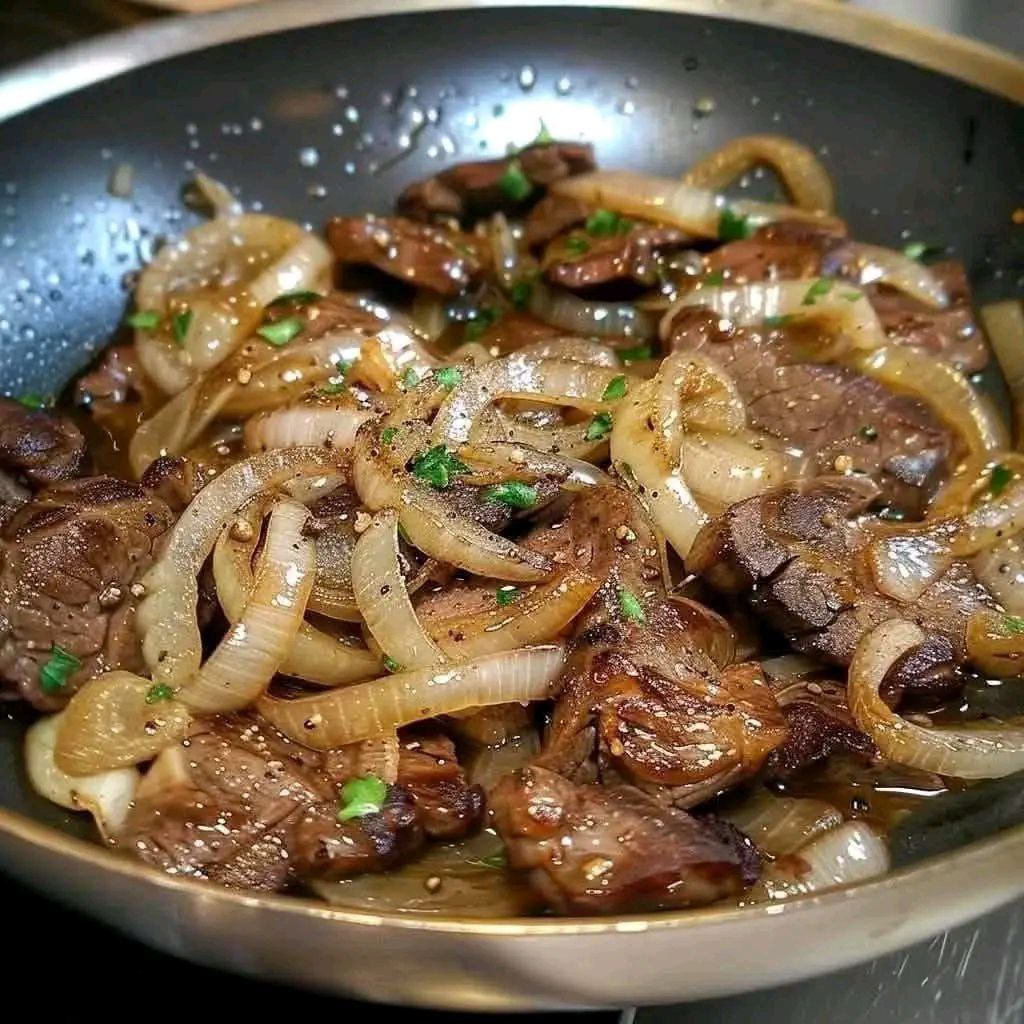
Beef Liver and Onions

Introduction
Step into a world of timeless comfort with a dish that whispers tales of home-cooked meals and cherished family recipes: Beef Liver and Onions. This classic, often overlooked culinary gem is a testament to simple ingredients coming together to create something truly extraordinary. It’s a dish that embodies rustic elegance, offering a savory depth from the perfectly cooked beef liver, beautifully complemented by the sweet, tender embrace of caramelized onions. Far from being just a meal, it’s an experience – a warm, hearty hug on a plate that satisfies both body and soul, harkening back to a time when wholesome, flavorful food was the cornerstone of every dinner table.
What makes Beef Liver and Onions so special isn’t just its nostalgic appeal; it’s also its incredible balance of flavors and textures. The robust, earthy notes of the liver are masterfully mellowed and elevated by the onions, which transform from pungent to lusciously sweet and jammy through slow cooking. This recipe promises a tender, melt-in-your-mouth liver, never tough or rubbery, paired with onions that have achieved that perfect golden-brown caramelization. Expect a straightforward preparation that yields impressive results, proving that some of the most delicious dishes are often the least complicated, and offering a comforting meal that’s both nourishing and deeply satisfying.
Nutritional Information
Per serving (approximate values):
- Calories: 450-550
- Protein: 45-55g
- Carbohydrates: 25-35g
- Fat: 15-25g
- Fiber: 3-5g
- Sodium: 400-600mg
Ingredients
- 1.5 lbs fresh beef liver, sliced into 1/4 to 1/2-inch thick pieces
- 2 cups milk or buttermilk (for soaking, optional but recommended)
- 2 large yellow onions, thinly sliced
- 2 tablespoons olive oil or butter, divided
- 1/4 cup all-purpose flour (optional, for dredging)
- 1 teaspoon salt, or to taste
- 1/2 teaspoon black pepper, freshly ground, or to taste
- 1/2 cup beef broth or water (for deglazing)
- 2 tablespoons fresh parsley or chives, chopped, for garnish
Instructions
- Prepare the Liver (Optional Soaking Step): If desired, place the sliced beef liver in a shallow bowl and cover with milk or buttermilk. Let it soak for 30 minutes to 1 hour in the refrigerator. This step helps to tenderize the liver and reduce any strong, gamey flavor. After soaking, drain the milk and pat the liver slices thoroughly dry with paper towels. This is crucial for proper browning.
- Caramelize the Onions: Heat 1 tablespoon of olive oil or butter in a large, heavy-bottomed skillet or cast-iron pan over medium-low heat. Add the thinly sliced onions and a pinch of salt. Cook slowly, stirring occasionally, for 20-30 minutes, or until the onions are deeply golden brown, soft, and sweet. Patience is key here; don’t rush this step, as proper caramelization develops their rich flavor. Once caramelized, remove the onions from the skillet and set aside.
- Prepare the Liver for Cooking: If using the flour dredging method, place the 1/4 cup of all-purpose flour on a shallow plate. Season the flour with 1/2 teaspoon of salt and 1/4 teaspoon of black pepper, mixing well. Lightly dredge each piece of dried liver in the seasoned flour, shaking off any excess. This creates a light, crispy crust. If not dredging, simply season the liver slices directly with salt and pepper.
- Cook the Liver: Add the remaining 1 tablespoon of olive oil or butter to the same skillet over medium-high heat. Once the oil is shimmering, carefully add the liver slices in a single layer, making sure not to overcrowd the pan. You may need to cook the liver in batches.
- Sear and Flip: Cook the liver for 2-3 minutes per side, depending on thickness, until a nice brown crust forms and the interior is still slightly pink (medium-rare to medium). Be careful not to overcook, as liver can quickly become tough. The total cooking time for each piece should be no more than 4-6 minutes.
- Deglaze the Pan: Once the liver is cooked, remove it from the skillet and place it on a warm plate with the caramelized onions. If there are brown bits (fond) stuck to the bottom of the pan, add the 1/2 cup of beef broth or water to the hot skillet. Scrape the bottom of the pan with a wooden spoon, stirring constantly, to loosen all the flavorful bits. Let it simmer for 1-2 minutes until slightly reduced, creating a savory pan sauce.
- Combine and Serve: Return the cooked liver and caramelized onions to the skillet with the pan sauce, tossing gently to combine and coat. Taste and adjust seasoning with additional salt and pepper if needed.
- Garnish and Enjoy: Transfer the Beef Liver and Onions to serving plates. Garnish generously with fresh chopped parsley or chives for a pop of color and fresh flavor. Serve immediately.
Cooking Tips and Variations
Soaking the Liver: While optional, soaking the liver in milk or buttermilk is highly recommended. Not only does it help to tenderize the meat, but it also draws out any residual blood, resulting in a milder, less “gamey” flavor. If you’re new to liver or have had bad experiences with it being too strong, this step is a game-changer. Ensure the liver is thoroughly patted dry after soaking to achieve a good sear.
Don’t Overcook the Liver: This is arguably the most crucial tip for delicious Beef Liver and Onions. Liver cooks incredibly quickly. Overcooking is the primary reason liver becomes tough, rubbery, and unappetizing. Aim for a medium-rare to medium doneness, where the inside is still slightly pink. Use a meat thermometer if unsure; aim for an internal temperature of around 160°F (71°C). Remember, it will continue to cook slightly after being removed from the heat.
Patience with Onions: True caramelized onions take time. Resist the urge to crank up the heat, as this will only burn them rather than sweeten them. Cooking them slowly over medium-low heat allows their natural sugars to develop, creating that irresistible sweet, jammy texture and deep golden-brown color that perfectly balances the savory liver.
Seasoning is Key: Don’t be shy with seasoning the liver and flour (if dredging). Salt and freshly ground black pepper are essential. A well-seasoned dish enhances all the flavors. You can also experiment with a pinch of garlic powder or paprika for added depth.
Flour Dredging for Texture: Lightly dredging the liver in seasoned flour before pan-frying provides a lovely, slightly crispy crust that locks in moisture. This also helps to create a thicker pan sauce when deglazing. If you prefer a gluten-free option, you can use a gluten-free flour blend or skip the dredging entirely.
Adding Extra Flavor: For an additional layer of umami, try adding a splash of Worcestershire sauce or a teaspoon of balsamic vinegar to the pan sauce when deglazing. A pinch of dried thyme or a bay leaf can also be added to the onions as they caramelize for an aromatic touch. For a richer sauce, replace some of the beef broth with a dry red wine.
Choosing Quality Ingredients: Start with fresh, good-quality beef liver from a reputable butcher. Look for liver that is a uniform reddish-brown color with a smooth, moist surface. For onions, yellow or Vidalia onions are excellent choices for their sweetness when caramelized.
Serving Suggestions: Classic pairings for Beef Liver and Onions include creamy mashed potatoes, fluffy white rice, or crusty bread to soak up all the delicious pan juices. For vegetable sides, consider steamed green beans with a knob of butter, roasted asparagus, or a simple side salad with a vinaigrette to cut through the richness.
Storage and Reheating
Storage: Leftover Beef Liver and Onions should be stored in an airtight container in the refrigerator within two hours of cooking. It will keep well for up to 2-3 days. While technically edible beyond this, the texture of liver can degrade quickly, becoming tougher.
Reheating: To reheat, the best method is gently on the stovetop. Place the leftovers in a skillet over low to medium-low heat, adding a splash of beef broth or water to prevent drying out. Cover the pan and heat gently, stirring occasionally, until warmed through. Be careful not to overheat, as this can make the liver tough. Microwaving is an option for convenience, but it’s more likely to result in a tougher texture. If using a microwave, heat in short bursts, stirring in between, until just warmed.
Frequently Asked Questions
Why do people soak liver in milk?
Soaking liver in milk or buttermilk is a traditional method used to reduce its strong, sometimes gamey flavor and to tenderize the meat. The lactic acid in milk works to break down some of the muscle fibers, resulting in a more palatable and tender final product. It also helps to draw out any remaining blood, contributing to a milder taste.
How do I prevent the liver from becoming tough?
The key to preventing tough liver is to avoid overcooking it. Liver cooks very quickly, and even a minute too long can turn it rubbery. Cook it over medium-high heat for just 2-3 minutes per side, aiming for a medium-rare to medium doneness where the inside is still slightly pink. Slicing it uniformly thin also helps ensure even and quick cooking.
Can I use frozen liver for this recipe?
While fresh liver is always preferred for the best texture and flavor, you can use frozen liver. Ensure it is completely thawed in the refrigerator before preparing. Pat it very dry before cooking, as excess moisture can hinder proper browning. Be aware that previously frozen liver might have a slightly softer texture than fresh.
What’s the best way to get perfectly caramelized onions?
The secret to perfectly caramelized onions is patience and low heat. Cook them slowly over medium-low heat with a little fat (oil or butter) and a pinch of salt. Stir them occasionally to prevent sticking and ensure even browning. This process can take 20-30 minutes, allowing the natural sugars in the onions to develop and create that deep, sweet, golden-brown color and jammy texture.