Follow Me On Social Media!
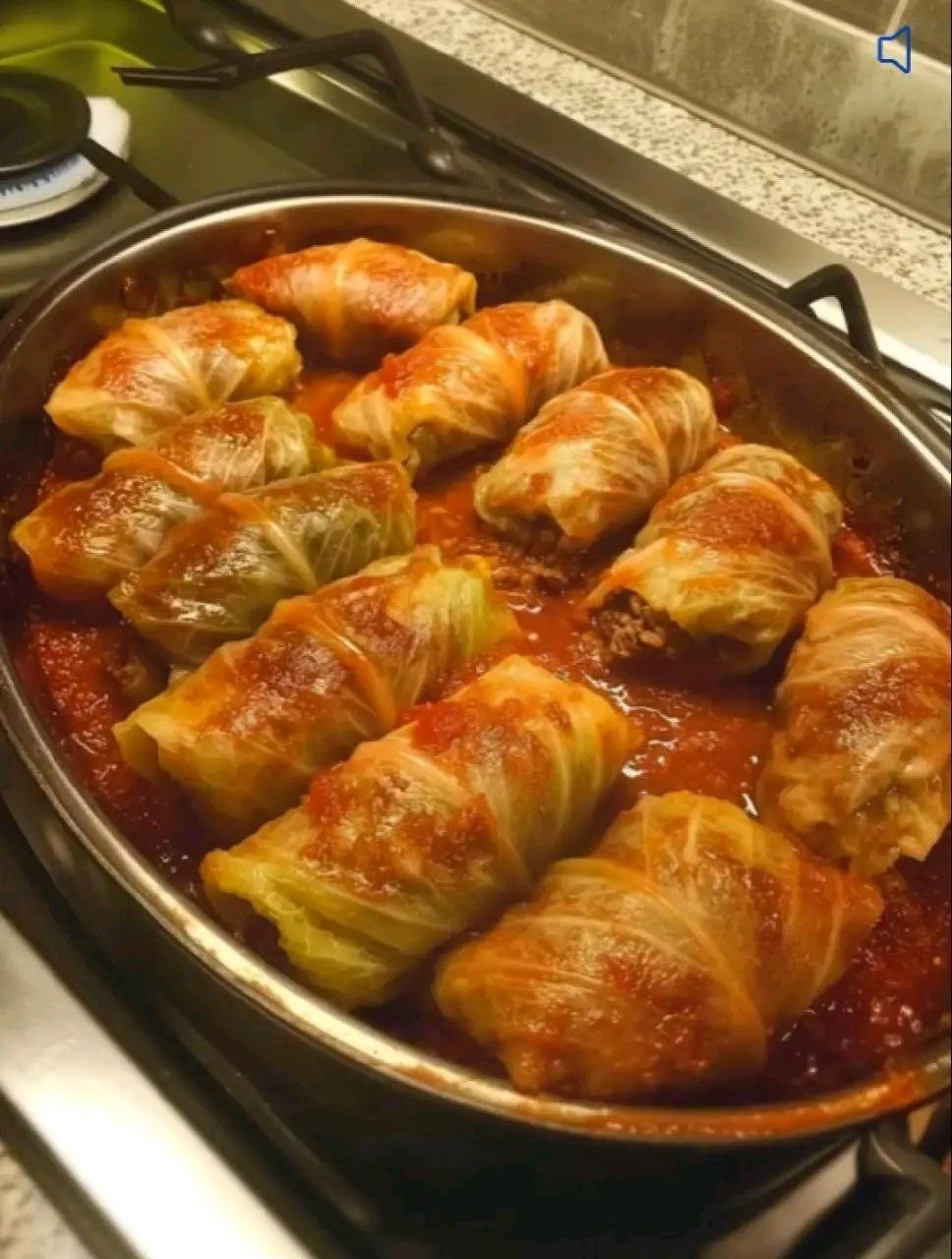
Cabbage Rolls A Classic Comfort Food

Introduction
There are some dishes that simply whisper “home” and “comfort” with every delicious bite, and cabbage rolls are undoubtedly one of them. This hearty, soul-satisfying meal, known by various names across Eastern Europe like Golabki, Sarma, or Holishkes, transcends cultural boundaries to deliver a universally beloved experience. Imagine tender cabbage leaves, gently embracing a savory filling of seasoned ground meat and rice, all slow-cooked to perfection in a rich, tangy tomato sauce. It’s a dish that embodies the warmth of family gatherings, the wisdom of generations-old recipes, and the sheer joy of simple, wholesome ingredients transformed into something extraordinary.
What makes cabbage rolls such an enduring classic? Perhaps it’s the comforting blend of textures – the yielding softness of the cabbage against the substantial, flavorful filling. Or maybe it’s the depth of flavor that develops from hours of slow simmering, allowing the ingredients to meld into a harmonious symphony. This isn’t just food; it’s a culinary hug, a dish that nourishes both body and spirit. Whether you grew up with a grandmother who perfected her recipe or you’re discovering this gem for the first time, preparing and enjoying cabbage rolls is an invitation to slow down, savor, and appreciate the timeless art of homestyle cooking. Get ready to create a masterpiece that will fill your kitchen with irresistible aromas and your table with happy faces.
Nutritional Information
Per serving (approximate values):
- Calories: 450
- Protein: 30g
- Carbohydrates: 40g
- Fat: 20g
- Fiber: 8g
- Sodium: 850mg
Ingredients
- 1 large head green cabbage (about 3-4 pounds)
- 1.5 pounds ground beef (80/20 lean recommended)
- 0.5 pound ground pork (or additional ground beef for a beef-only version)
- 1 cup uncooked long-grain white rice, rinsed
- 1 large onion, finely chopped
- 2 cloves garlic, minced
- 1 (28-ounce) can crushed tomatoes
- 1 (15-ounce) can tomato sauce
- 1 (6-ounce) can tomato paste
- 1/2 cup water or beef broth
- 2 tablespoons brown sugar (optional, to balance acidity)
- 1 tablespoon apple cider vinegar (optional, for tang)
- 1 teaspoon dried dill (optional, but highly recommended)
- 1 teaspoon paprika
- 1 teaspoon salt, plus more for blanching cabbage
- 1/2 teaspoon black pepper
- 2 tablespoons olive oil
- Fresh parsley, chopped, for garnish (optional)
- Sour cream, for serving (optional)
Instructions
- Prepare the Cabbage: Carefully remove the core from the cabbage head using a sharp knife. Bring a large pot of salted water to a rolling boil. Submerge the cored cabbage head into the boiling water, core-side down. Cook for 5-7 minutes, or until the outer leaves begin to soften and peel off easily. Using tongs, carefully remove the softened leaves one by one as they become pliable. Place them in a colander to drain and cool. Once all usable leaves are removed, you may need to re-submerge the remaining cabbage to soften more inner leaves. Trim the thick, tough central rib from each cabbage leaf, creating a V-shape, so the leaves can be rolled easily. Reserve any small or torn leaves for lining the pot.
- Prepare the Filling: In a large bowl, combine the ground beef, ground pork (if using), rinsed uncooked rice, finely chopped onion, minced garlic, 1 teaspoon salt, 1/2 teaspoon black pepper, paprika, and dried dill. Mix thoroughly with your hands until all ingredients are well combined. Do not overmix, as this can make the meat tough.
- Assemble the Cabbage Rolls: Lay a prepared cabbage leaf flat on a clean surface. Place about 2-3 tablespoons of the meat and rice filling near the stem end of the leaf. Fold the sides of the cabbage leaf over the filling, then starting from the stem end, tightly roll the leaf upwards to form a compact cylindrical roll. Repeat with the remaining cabbage leaves and filling. If you run out of large leaves, smaller rolls can be made with smaller leaves.
- Prepare the Sauce: In a medium bowl, whisk together the crushed tomatoes, tomato sauce, tomato paste, water or beef broth, brown sugar (if using), apple cider vinegar (if using), and an additional 1/2 teaspoon of salt and 1/4 teaspoon of pepper. Taste and adjust seasoning as needed.
- Layer and Simmer: Drizzle 2 tablespoons of olive oil in the bottom of a large, heavy-bottomed pot or Dutch oven (at least 6-quart capacity). Place any reserved small or torn cabbage leaves on the bottom of the pot to create a protective layer and prevent sticking. Arrange the cabbage rolls snugly in the pot, seam-side down, in layers. Pour the prepared tomato sauce evenly over the cabbage rolls, ensuring they are mostly submerged. If needed, add a little more water or broth to just barely cover the rolls.
- Cook: Bring the sauce to a gentle simmer over medium heat. Once simmering, reduce the heat to low, cover the pot tightly, and let the cabbage rolls braise for 2.5 to 3 hours, or until the cabbage is very tender and the rice is fully cooked. Check periodically to ensure there’s enough liquid and the rolls aren’t sticking.
- Rest and Serve: Once cooked, remove the pot from the heat and let the cabbage rolls rest, covered, for 10-15 minutes before serving. This allows the flavors to meld further and the rolls to firm up slightly. Serve hot, garnished with fresh chopped parsley and a dollop of sour cream, if desired.
Cooking Tips and Variations
For the most pliable cabbage leaves, consider freezing the whole cored cabbage head overnight, then thawing it completely in the refrigerator. This process breaks down the cell walls, making the leaves incredibly easy to separate and roll without the need for extensive blanching. If you prefer a richer, deeper flavor, slightly brown the ground meat before mixing it with the other filling ingredients. This step adds an extra layer of umami that truly elevates the dish. Don’t be afraid to customize the sauce; sautéing some extra chopped onions and garlic in olive oil before adding the canned tomatoes can provide a more complex base. A bay leaf or two added to the simmering sauce can also introduce subtle aromatic notes. For those who enjoy a bit of heat, a pinch of red pepper flakes in the sauce or filling can add a delightful kick. If you’re looking for a vegetarian option, swap the ground meat for a mixture of finely chopped mushrooms, lentils, and extra rice, ensuring to season generously. For a different flavor profile, consider adding a tablespoon of caraway seeds to the filling, which pairs wonderfully with cabbage. Experiment with different types of rice too; brown rice can be used, though it will require a longer cooking time.
Storage and Reheating
Cooked cabbage rolls are fantastic for meal prepping and often taste even better the next day as the flavors have more time to meld. To store, allow the rolls to cool completely, then transfer them along with their sauce to an airtight container. They will keep beautifully in the refrigerator for up to 4-5 days. For longer storage, cabbage rolls freeze exceptionally well. Arrange cooled rolls and sauce in freezer-safe containers or heavy-duty freezer bags, leaving some headspace for expansion. They can be frozen for up to 3 months. To reheat from the refrigerator, simply place the desired number of rolls and sauce in a saucepan over medium-low heat, stirring occasionally, until heated through. Alternatively, microwave individual servings in 1-2 minute intervals. From frozen, thaw the rolls overnight in the refrigerator if possible. If reheating from frozen, it’s best to do so in a covered oven-safe dish at 350°F (175°C) for 30-45 minutes, or until heated through, adding a splash of water or broth if the sauce seems too thick.
Frequently Asked Questions
What kind of cabbage is best for cabbage rolls?
Green cabbage is the traditional and most recommended choice for cabbage rolls. Its leaves are large, sturdy enough to hold the filling, and become wonderfully tender when cooked slowly. Savoy cabbage can also be used for a slightly more delicate texture, but its leaves are a bit more fragile.
Can I make cabbage rolls ahead of time?
Absolutely! Cabbage rolls are an excellent make-ahead meal. You can assemble them a day in advance and store them in the refrigerator, covered, in their cooking pot before adding the sauce and cooking. Alternatively, cook them completely, then refrigerate or freeze as described in the storage section. The flavors often deepen overnight, making them even more delicious the next day.
Why are my cabbage rolls falling apart?
Cabbage rolls typically fall apart if the cabbage leaves weren’t adequately softened (making them prone to tearing) or if they weren’t rolled tightly enough. Ensure you trim the thick rib from each leaf to allow for better folding, and roll them as snugly as possible. Placing them seam-side down in the pot and arranging them closely together also helps them hold their shape during cooking.
Can I use a slow cooker for cabbage rolls?
Yes, cabbage rolls can be successfully cooked in a slow cooker. After assembling and layering the rolls with sauce in the slow cooker, cook on low for 6-8 hours or on high for 3-4 hours, until the cabbage is tender and the filling is cooked through. This method is fantastic for hands-off cooking and ensuring tender results.