Follow Me On Social Media!
Cream Mashed Potatoes: The Kind That Make Everyone Go Back for Seconds

Introduction
There are some dishes that transcend mere sustenance and become synonymous with comfort, celebration, and pure, unadulterated joy. Cream mashed potatoes are undeniably one of them. For many, the very mention conjures images of holiday feasts, cozy family dinners, and the kind of soul-satisfying warmth that only a truly exceptional side dish can provide. It’s the ultimate crowd-pleaser, the universal sidekick to everything from a perfectly roasted turkey to a humble weeknight steak. But not all mashed potatoes are created equal. We’re not talking about those dry, lumpy, or bland versions that barely pass muster. We’re talking about the kind of cream mashed potatoes that stop conversations, elicit sighs of contentment, and, as our title boldly promises, make everyone at the table eagerly go back for seconds. And then maybe even thirds.
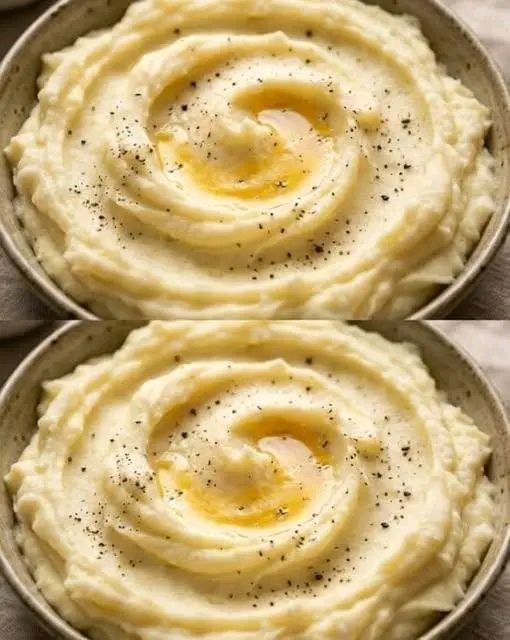
What makes these cream mashed potatoes so utterly irresistible? It’s a symphony of simple, high-quality ingredients transformed through careful technique into a velvety, cloud-like creation. Imagine potatoes so smooth they melt in your mouth, infused with the rich, luxurious embrace of butter and cream, seasoned perfectly to highlight their natural earthy sweetness. There are no stubborn lumps here, no watery consistency, just pure, unadulterated creamy perfection. This recipe isn’t just about mashing potatoes; it’s about crafting an experience, a side dish so decadent and comforting it steals the spotlight from the main course. Get ready to elevate your mashed potato game from good to legendary, because once you taste these, you’ll never go back.
The secret to achieving this ethereal texture and unforgettable flavor lies in a few crucial steps and the unwavering commitment to quality. We’ll guide you through selecting the ideal potatoes, the precise cooking methods that prevent waterlogged results, and the art of incorporating dairy and fat to create that signature creaminess. Forget everything you thought you knew about mediocre mashed potatoes; this recipe is designed to deliver a consistently perfect batch every single time. Prepare yourself for a chorus of compliments and empty serving bowls, because these cream mashed potatoes are destined to become your new go-to, your secret weapon, and the dish that defines your gatherings.
Nutritional Information
Per serving (approximate values):
- Calories: 320
- Protein: 5g
- Carbohydrates: 35g
- Fat: 18g
- Fiber: 3g
- Sodium: 400mg
Ingredients
- 2 pounds starchy potatoes, such as Russet or Yukon Gold
- 1 cup heavy cream
- 1/2 cup unsalted butter, cut into 1-inch pieces
- 1 teaspoon sea salt, plus more to taste
- 1/2 teaspoon freshly ground black pepper, plus more for garnish
- Optional: 2 tablespoons fresh chives, finely chopped, for garnish
Instructions
- Prepare the Potatoes: Wash and peel the potatoes thoroughly. Cut them into roughly 1-inch uniform cubes. This ensures even cooking.
- Boil the Potatoes: Place the cubed potatoes in a large pot. Cover them with cold water by about an inch. Add 1 teaspoon of sea salt to the water. Bring the water to a rolling boil over high heat, then reduce the heat to medium and simmer until the potatoes are fork-tender. This typically takes 15-20 minutes, depending on the size of your potato cubes. You should be able to easily pierce a potato cube with a fork without resistance.
- Drain Thoroughly: Once tender, immediately drain the potatoes completely using a colander. This step is crucial to prevent watery mashed potatoes. For an even drier result, return the drained potatoes to the empty hot pot over low heat for 1-2 minutes, shaking the pot occasionally, to allow any remaining surface moisture to evaporate.
- Heat the Dairy and Butter: While the potatoes are draining, combine the heavy cream and butter in a small saucepan. Heat over low heat until the butter is completely melted and the cream is warm (do not boil). This ensures the dairy incorporates smoothly and doesn’t cool down your potatoes.
- Mash the Potatoes: Transfer the hot, drained potatoes to a large mixing bowl. Using a potato ricer, a potato masher, or a food mill, mash the potatoes until they are smooth and free of lumps. If using a masher, ensure you mash thoroughly to break down all the potato pieces. For the silkiest results, a ricer is highly recommended.
- Incorporate Dairy and Seasoning: Gradually pour the warm cream and butter mixture into the mashed potatoes while gently stirring or folding with a sturdy spatula or wooden spoon. Do not overmix; mix just until the cream and butter are fully incorporated and the potatoes are creamy and smooth.
- Season to Perfection: Taste the mashed potatoes. Add more salt and freshly ground black pepper as needed. Mashed potatoes require a generous amount of seasoning to truly shine. Continue to taste and adjust until the flavor is perfectly balanced.
- Serve Immediately: Transfer the creamy mashed potatoes to a warm serving bowl. Create a small well in the center and add an extra pat of butter, allowing it to melt into a luscious pool. Garnish with additional freshly ground black pepper and, if desired, a sprinkle of fresh chives. Serve hot and watch them disappear!
Cooking Tips and Variations
For the ultimate creamy mashed potatoes, the choice of potatoes is paramount. Always opt for starchy varieties like Russet or Yukon Gold. Russets are known for their fluffy texture when mashed, while Yukon Golds offer a naturally buttery flavor and a slightly creamier consistency. Avoid waxy potatoes like red bliss or new potatoes, as their high moisture content and low starch can lead to a gummy, unappetizing texture when mashed. When boiling, always start your potatoes in cold, salted water. This allows the potatoes to cook more evenly from the outside in, preventing the exterior from becoming mushy while the interior remains firm. Once tender, draining them exceptionally well is non-negotiable. Excess water is the enemy of creamy mashed potatoes; a quick return to the hot, empty pot helps evaporate any lingering moisture, concentrating the potato flavor and ensuring a drier base for your rich additions.
The temperature of your dairy ingredients also plays a critical role. Always warm your heavy cream and melt your butter before adding them to the hot potatoes. Introducing cold liquids can instantly cool down the potatoes, making them harder to incorporate smoothly and potentially impacting the final texture. Warm dairy blends seamlessly, maintaining the potatoes’ heat and facilitating a velvety consistency. When it comes to mashing, a potato ricer is your best friend for achieving restaurant-quality smoothness, as it separates the starch cells without breaking them down excessively. If you don’t have a ricer, a sturdy hand masher will work, but be diligent about eliminating lumps. Whichever tool you use, resist the urge to overmix once the dairy is added. Overmixing can cause the potato starches to break down too much, resulting in a gluey or pasty texture, a common pitfall that can ruin an otherwise perfect batch.
Seasoning is key to unlocking the full potential of your mashed potatoes. Don’t be shy with salt; potatoes absorb a significant amount of it. Taste as you go and adjust until the flavor truly pops. Freshly ground black pepper adds a wonderful aromatic warmth. For variations, consider infusing your cream with aromatics: gently simmer a smashed garlic clove, a sprig of fresh rosemary, or a bay leaf in the cream before adding it to the potatoes. Just remember to strain out the solids before mixing. For garlic mashed potatoes, roast a head of garlic until soft, then squeeze the pulp into the potatoes before mashing. Cheesy mashed potatoes are always a hit; stir in about 1/2 cup of shredded sharp cheddar, Gruyère, or Parmesan cheese at the end until melted. For a herb-infused version, fold in finely chopped fresh chives, parsley, or dill just before serving. A touch of sour cream or cream cheese can add a tangy richness and extra creaminess if desired, but start with small amounts to avoid overpowering the delicate potato flavor.
Storage and Reheating
Cream mashed potatoes are best enjoyed immediately after preparation, when they are at their peak of warmth and creaminess. However, leftovers can be stored and reheated successfully with a few simple techniques. To store, allow the mashed potatoes to cool completely at room temperature (this usually takes about 30-45 minutes, but never leave them out for more than two hours). Once cooled, transfer them to an airtight container and refrigerate for up to 3-4 days. Proper sealing is important to prevent them from drying out or absorbing refrigerator odors.
When it comes to reheating, the goal is to restore their creamy texture without making them watery or gummy. The stovetop method is generally the best for small to medium quantities. Transfer the cold mashed potatoes to a saucepan or pot over low to medium-low heat. Add a splash of milk, cream, or even chicken broth (about 1-2 tablespoons per cup of potatoes) to help rehydrate them. Stir frequently and gently, breaking up any clumps, until the potatoes are heated through and regain their smooth, creamy consistency. If they seem too thick, add a little more liquid, one tablespoon at a time, until the desired texture is achieved. You can also stir in a small pat of butter for added richness. Be careful not to overheat or stir too vigorously, as this can lead to a gluey texture.
For larger batches, the oven can be a good option. Preheat your oven to 325°F (160°C). Transfer the cold mashed potatoes to an oven-safe dish, adding a few splashes of milk or cream and dotting the top with small pieces of butter. Cover the dish tightly with aluminum foil to trap moisture. Bake for 20-30 minutes, or until heated through, stirring gently halfway through. The microwave can be used for individual servings, but it’s often the trickiest method to get right without drying out the potatoes. Place a serving in a microwave-safe bowl, add a tablespoon of milk or cream, and cover with a microwave-safe lid or damp paper towel. Heat on medium power in 1-minute intervals, stirring well after each interval, until hot. Always taste and adjust seasoning after reheating, as flavors can sometimes mellow in the refrigerator.
Frequently Asked Questions
What kind of potatoes are best for creamy mashed potatoes?
For the ultimate creamy and fluffy mashed potatoes, starchy varieties like Russet or Yukon Gold potatoes are highly recommended. Russets yield a very light and fluffy texture, while Yukon Golds offer a naturally buttery flavor and a slightly denser, creamier consistency. Avoid waxy potatoes, as they tend to become gummy when mashed.
How can I prevent my mashed potatoes from becoming gummy?
Gummy mashed potatoes are usually caused by overworking the starch. To prevent this, avoid using a food processor or immersion blender, which can over-process the potatoes. Instead, use a potato ricer for the smoothest results, or a hand masher. Only mash until the lumps are gone and the dairy is just incorporated. Also, ensure your potatoes are thoroughly drained of water before adding any liquids.
Can I make these mashed potatoes ahead of time?
Yes, you can make these cream mashed potatoes ahead of time. Prepare them as directed, then allow them to cool completely before transferring to an airtight container and refrigerating for up to 3-4 days. When ready to serve, reheat gently on the stovetop over low heat with an added splash of milk or cream, stirring frequently until warmed through and creamy again.
What’s the secret to getting really smooth, lump-free mashed potatoes?
The secret to truly smooth, lump-free mashed potatoes lies in two key steps: first, ensure your potatoes are cooked until very tender, easily pierced with a fork. Second, use a potato ricer. A ricer pushes the cooked potato through small holes, breaking it down into fine, separate strands without activating too much starch, resulting in an incredibly silky texture. If you don’t have a ricer, a sturdy hand masher used diligently can also achieve good results, but a ricer is superior for smoothness.