Follow Me On Social Media!
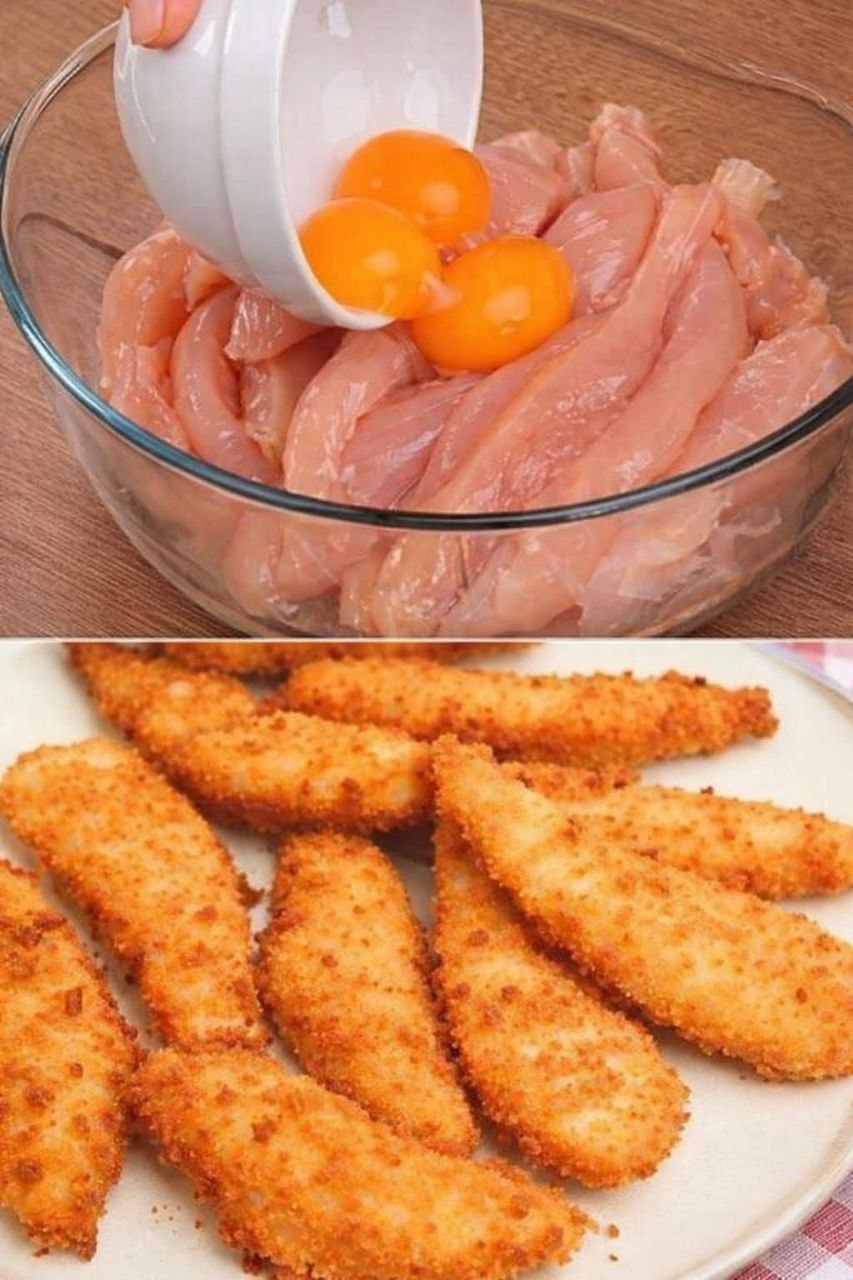
CRISPY CHICKEN STRIPS

Introduction
There’s something undeniably magical about a perfectly crispy chicken strip. That satisfying crunch, followed by a burst of tender, juicy chicken – it’s a culinary experience that transcends age, appealing to picky eaters and gourmet enthusiasts alike. Whether you’re planning a casual family dinner, a fun game day appetizer, or simply craving a comforting snack, these homemade crispy chicken strips are guaranteed to hit the spot. Forget those bland, often soggy, frozen versions; this recipe elevates the humble chicken strip to an art form, promising a flavor and texture sensation that will make them a staple in your kitchen.
What makes our crispy chicken strips stand out from the rest? It’s all about the perfect marriage of a super-crispy exterior and an incredibly moist interior. We’ve honed the breading technique to ensure maximum crunch with every bite, utilizing the power of Panko breadcrumbs for that irresistible shatter. But crispiness isn’t our only goal; the chicken itself remains remarkably tender and flavorful, thanks to a thoughtful preparation process. This isn’t just another chicken strip recipe; it’s *the* recipe you’ll come back to again and again, delivering restaurant-quality results right in your own home.
Beyond their incredible taste, these crispy chicken strips are surprisingly easy to make and come together quicker than you might think. With straightforward steps and readily available ingredients, even novice cooks can achieve crispy perfection. They’re incredibly versatile, pairing beautifully with a myriad of dipping sauces and sides, making them ideal for any meal occasion. Get ready to impress your family and friends with a batch of homemade crispy chicken strips that are so good, they’ll disappear almost as fast as you can make them!
Nutritional Information
Per serving (approximate values):
- Calories: 350
- Protein: 30g
- Carbohydrates: 25g
- Fat: 15g
- Fiber: 1g
- Sodium: 650mg
Ingredients
- 1.5 pounds boneless, skinless chicken breasts or tenderloins, cut into 1-inch wide strips
- 1 cup all-purpose flour
- 1 teaspoon salt, divided
- 1/2 teaspoon black pepper, divided
- 1/2 teaspoon garlic powder
- 1/2 teaspoon onion powder
- 1/4 teaspoon paprika
- 2 large eggs
- 1/4 cup milk (any type)
- 2 cups Panko breadcrumbs
- 4 cups vegetable oil, canola oil, or peanut oil for frying
Instructions
- Begin by preparing your chicken. Pat the chicken strips thoroughly dry with paper towels. This step is crucial for ensuring the breading adheres properly and achieves maximum crispiness.
- Set up your breading station. You will need three shallow dishes or bowls.
- In the first dish, combine the all-purpose flour, 1/2 teaspoon of salt, 1/4 teaspoon of black pepper, garlic powder, onion powder, and paprika. Whisk these dry ingredients together until well combined.
- In the second dish, whisk together the two large eggs and 1/4 cup of milk until smooth. This creates your wet dredge.
- In the third dish, place the Panko breadcrumbs along with the remaining 1/2 teaspoon of salt and 1/4 teaspoon of black pepper. Stir to combine the seasonings with the breadcrumbs.
- Now, it’s time to bread the chicken. Take one chicken strip at a time and first dredge it completely in the seasoned flour mixture, ensuring it’s fully coated. Shake off any excess flour.
- Next, dip the flour-coated chicken strip into the egg wash, allowing any excess to drip off.
- Finally, transfer the chicken strip to the Panko breadcrumbs, pressing gently to ensure the crumbs adhere well to all sides. Make sure the strip is completely covered in Panko. Place the breaded chicken strip on a clean plate or baking sheet. Repeat this process for all remaining chicken strips.
- If you have time, refrigerate the breaded chicken for at least 15-30 minutes. This helps the breading to set, preventing it from falling off during frying and contributing to an even crispier result.
- Heat the frying oil in a large, heavy-bottomed pot or Dutch oven over medium-high heat. The oil should be about 2-3 inches deep. Use a kitchen thermometer to monitor the oil temperature; you’re aiming for a consistent 350-375°F (175-190°C). Maintaining the correct oil temperature is vital for crispy, non-greasy chicken.
- Once the oil is at the ideal temperature, carefully add the breaded chicken strips to the hot oil, being careful not to overcrowd the pot. Fry in batches to ensure the oil temperature doesn’t drop too much. Overcrowding will result in soggy chicken.
- Fry the chicken strips for 4-6 minutes per batch, turning occasionally, until they are golden brown, crispy, and cooked through. The internal temperature of the chicken should reach 165°F (74°C) when checked with an instant-read thermometer.
- Using a slotted spoon or tongs, carefully remove the cooked chicken strips from the oil and transfer them to a wire rack set over a baking sheet lined with paper towels. This allows any excess oil to drain off, keeping the strips extra crispy.
- Season the freshly fried chicken strips lightly with a pinch more salt immediately after removing them from the oil, if desired.
- Serve hot with your favorite dipping sauces and enjoy!
Cooking Tips and Variations
Achieving truly exceptional crispy chicken strips involves a few key techniques and offers endless possibilities for customization. For maximum crispiness, always use Panko breadcrumbs. Their larger, flakier texture provides a much lighter and crunchier crust compared to regular breadcrumbs. Another critical factor is oil temperature; an oil thermometer is your best friend here. If the oil is too cool, the chicken will absorb too much oil and become greasy and soggy. If it’s too hot, the exterior will burn before the interior is cooked through. Aim for that sweet spot between 350-375°F (175-190°C) and fry in batches to maintain temperature. Don’t overcrowd the pan, as this will drastically lower the oil temperature and lead to less crispy results. After frying, draining the chicken on a wire rack allows air to circulate, preventing the bottoms from becoming soggy. For an extra boost of flavor and tenderness, consider soaking your chicken strips in buttermilk for at least 30 minutes, or even overnight, before breading. The lactic acid in the buttermilk helps to tenderize the meat, resulting in incredibly moist chicken.
The beauty of crispy chicken strips lies in their versatility. You can easily customize the flavor profile to suit your taste. For a spicy kick, add a pinch of cayenne pepper or chili powder to your flour mixture or breadcrumbs. Smoked paprika can impart a deeper, more robust flavor. Experiment with different dried herbs like oregano, thyme, or rosemary in your breading for an aromatic twist. You can even add a tablespoon of grated Parmesan cheese to the Panko for a cheesy, savory crust. If you prefer a lighter option or want to avoid deep-frying, these strips can also be successfully baked or air-fried. To bake, preheat your oven to 400°F (200°C), lightly spray the breaded strips with cooking oil, and bake for 20-25 minutes, flipping halfway through, until golden brown and cooked through. For air frying, preheat your air fryer to 375°F (190°C), lightly spray the strips, and cook for 12-15 minutes, shaking the basket halfway, until crispy and golden. While these methods won’t replicate the deep-fried texture exactly, they offer a delicious and healthier alternative. When serving, the possibilities are endless. Classic pairings include honey mustard, BBQ sauce, ranch, or ketchup. But don’t stop there! Try a creamy sriracha aioli, a tangy lemon herb dip, or even a sweet and sour sauce. For sides, crispy fries, creamy coleslaw, sweet corn on the cob, or a fresh green salad make perfect accompaniments. You can also turn these strips into delicious wraps or sandwiches for a quick meal.
Storage and Reheating
Proper storage and reheating are key to enjoying your crispy chicken strips long after they’re first made. Once cooked and cooled to room temperature, store any leftover chicken strips in an airtight container in the refrigerator for up to 3-4 days. It’s important to cool them completely before sealing, as trapping steam can lead to sogginess. For longer storage, you can freeze cooked chicken strips for up to 2-3 months. Arrange them in a single layer on a baking sheet and freeze until solid, then transfer them to a freezer-safe bag or container, separating layers with parchment paper to prevent sticking. This flash-freezing method helps maintain individual strip quality.
When it comes to reheating, the goal is always to revive that glorious crispiness. Microwaving is generally not recommended, as it tends to make the breading soft and chewy. The best methods involve dry heat. To reheat in an oven, preheat to 375°F (190°C). Place the chicken strips on a wire rack set over a baking sheet and bake for 10-15 minutes, or until heated through and crispy. If reheating from frozen, you may need to add an additional 5-10 minutes to the baking time. The air fryer is another excellent option for reheating. Preheat your air fryer to 350°F (175°C) and cook for 5-8 minutes, shaking the basket halfway, until hot and crisp. If reheating from frozen, add a few extra minutes. For stovetop reheating, a small amount of oil in a skillet over medium heat can also work, allowing you to pan-fry the strips for a few minutes per side until heated and re-crisped. Always ensure the chicken reaches an internal temperature of 165°F (74°C) when reheating.
Frequently Asked Questions
What kind of chicken is best for strips?
Boneless, skinless chicken breasts or tenderloins are ideal for making chicken strips. Chicken breasts can be easily cut into uniform strips, while tenderloins are naturally strip-shaped and require minimal preparation. Both options cook quickly and remain tender when properly prepared.
Can I make these gluten-free?
Absolutely! To make these crispy chicken strips gluten-free, substitute the all-purpose flour with a gluten-free all-purpose flour blend (ensure it contains xanthan gum) and use gluten-free Panko breadcrumbs. The rest of the ingredients are naturally gluten-free.
How can I prevent the breading from falling off?
Several tips ensure your breading stays put. First, pat the chicken very dry before breading. Second, ensure you coat the chicken thoroughly in each stage of the breading process (flour, egg, Panko). Third, and most importantly, refrigerate the breaded chicken for at least 15-30 minutes before frying. This chilling period helps the breading adhere firmly to the chicken, preventing it from separating during cooking.
What is the best oil for frying chicken strips?
For deep-frying, oils with a high smoke point and neutral flavor are best. Vegetable oil, canola oil, and peanut oil are all excellent choices. Avoid olive oil or butter, as they have lower smoke points and can burn easily, imparting an undesirable flavor to your chicken.