Follow Me On Social Media!
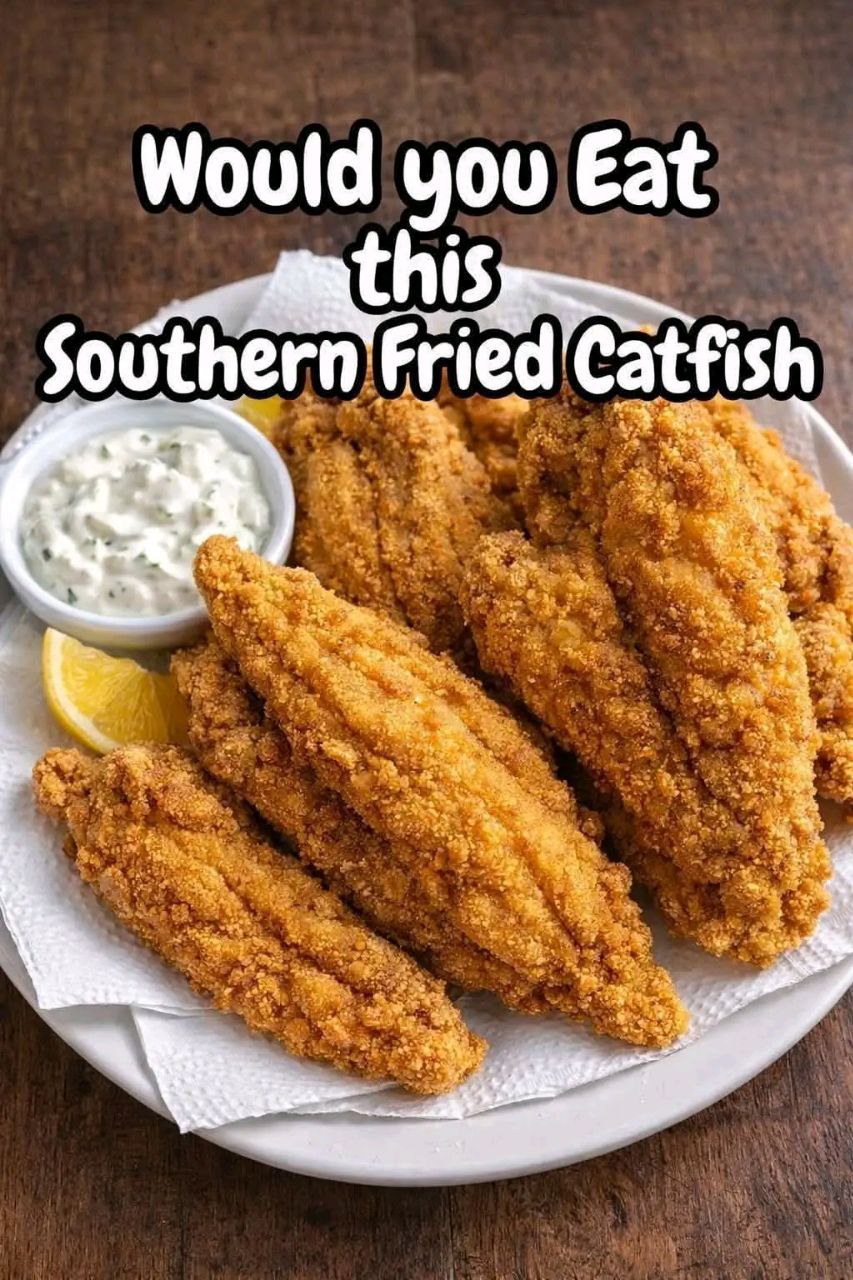
Crispy Southern Fried Catfish Recipe

Introduction
There are few culinary comforts quite as satisfying and universally loved as a plate of perfectly fried catfish. Imagine: a golden-brown fillet, so incredibly crispy on the outside that each bite delivers an audible crunch, giving way to tender, flaky, and moist fish within. This isn’t just a meal; it’s a celebration of Southern heritage, a staple of family gatherings, church potlucks, and backyard fish fries that have brought communities together for generations. The simple yet profound joy of perfectly fried catfish transcends mere sustenance, offering a taste of tradition and pure, unadulterated deliciousness that sticks to your ribs and warms your soul.
What makes our Crispy Southern Fried Catfish recipe stand out from the rest? It’s all about achieving that unparalleled crispiness, a texture that many aspire to but few truly master. We’ve honed the techniques, from the crucial buttermilk soak that tenderizes the fish and helps the breading adhere, to the perfectly seasoned cornmeal mixture that forms that irresistible crust. This isn’t just about frying fish; it’s about creating an experience, a symphony of textures and flavors that will transport you straight to a sun-drenched Southern porch. Get ready to discover the “secret” to achieving that golden, crunchy exterior and succulent interior that will have everyone asking for your recipe.
Our recipe pays homage to the classic Southern approach, ensuring every fillet is imbued with a rich, savory flavor profile that complements the natural sweetness of the catfish. We’ll guide you through every step, demystifying the art of frying so you can confidently create restaurant-quality fried catfish right in your own kitchen. From selecting the freshest fillets to mastering the oil temperature, we’ve got you covered. Prepare to make a dish that will become a beloved tradition in your home, a true testament to the simple yet profound magic of Southern cooking.
Nutritional Information
Per serving (approximate values):
- Calories: 450-550
- Protein: 30-40g
- Carbohydrates: 30-40g
- Fat: 25-35g
- Fiber: 2-4g
- Sodium: 800-1200mg
Ingredients
- 4 (6-8 ounce) catfish fillets, fresh or thawed
- 2 cups buttermilk
- 1 cup all-purpose flour
- 1 cup fine-ground yellow cornmeal
- 1/2 cup self-rising cornmeal mix (optional, for extra crispiness)
- 2 tablespoons Old Bay seasoning
- 1 tablespoon garlic powder
- 1 tablespoon onion powder
- 1 teaspoon smoked paprika
- 1 teaspoon cayenne pepper (adjust to taste for heat)
- 1 teaspoon dried oregano
- 1 teaspoon black pepper
- 1 teaspoon salt (or to taste)
- 4-6 cups peanut oil, canola oil, or vegetable oil, for frying
- Lemon wedges, for serving
- Fresh parsley, chopped, for garnish (optional)
For the Homemade Tartar Sauce:
- 1 cup mayonnaise
- 1/4 cup finely chopped dill pickles or sweet pickle relish
- 2 tablespoons fresh lemon juice
- 1 tablespoon finely chopped fresh dill (or 1 teaspoon dried)
- 1 tablespoon finely chopped fresh parsley
- 1 teaspoon Dijon mustard
- 1/2 teaspoon Worcestershire sauce
- Salt and black pepper to taste
Instructions
- Prepare the Catfish: If using frozen fillets, ensure they are fully thawed. Pat the catfish fillets thoroughly dry with paper towels. This is a crucial step for crispy results! Cut larger fillets into 2-3 inch pieces if desired, or leave whole.
- Buttermilk Soak: Place the dried catfish pieces in a shallow dish or a resealable bag. Pour the buttermilk over the fish, ensuring all pieces are submerged. Cover and refrigerate for at least 30 minutes, or up to 2 hours. This tenderizes the fish and helps the breading adhere.
- Prepare the Breading Mixture: In a large, shallow dish or pie plate, combine the all-purpose flour, fine-ground yellow cornmeal, self-rising cornmeal mix (if using), Old Bay seasoning, garlic powder, onion powder, smoked paprika, cayenne pepper, dried oregano, black pepper, and salt. Whisk everything together until well combined.
- Set Up Your Frying Station: Line a baking sheet with several layers of paper towels and place a wire rack on top. This will be for draining the fried fish. Have your frying oil ready.
- Heat the Oil: Pour the peanut, canola, or vegetable oil into a large, heavy-bottomed skillet, Dutch oven, or deep fryer. You’ll need enough oil to submerge the fish halfway or fully (about 2-3 inches deep). Heat the oil over medium-high heat to 350-375°F (175-190°C). Use a candy thermometer or deep-fry thermometer to monitor the temperature. Maintaining the correct temperature is key to crispiness and preventing greasy fish.
- Bread the Catfish: Remove the catfish fillets from the buttermilk, allowing any excess to drip off. Do not rinse. Place 1-2 pieces of fish into the breading mixture, pressing firmly to ensure the coating adheres completely to all sides. Gently shake off any excess breading. Repeat with the remaining fish. You can double dredge for extra crispiness: after the first coating, dip it back into the buttermilk (just a quick dip) and then back into the breading for a thicker crust.
- Fry the Catfish: Carefully place 2-3 pieces of breaded catfish into the hot oil, ensuring you do not overcrowd the pan. Overcrowding will lower the oil temperature and result in soggy fish. Fry for 4-6 minutes, flipping once halfway through, until the fish is golden brown and cooked through. The internal temperature of the fish should reach 145°F (63°C).
- Drain and Repeat: Using a slotted spoon or tongs, carefully remove the fried catfish from the oil and place it on the prepared wire rack over paper towels to drain excess oil. Immediately sprinkle lightly with a pinch of salt if desired. Repeat the frying process with the remaining catfish, allowing the oil to come back to temperature between batches.
- Make the Tartar Sauce (while fish is frying or beforehand): In a small bowl, combine mayonnaise, chopped dill pickles/relish, lemon juice, fresh dill, fresh parsley, Dijon mustard, and Worcestershire sauce. Stir until well mixed. Season with salt and black pepper to taste.
- Serve: Serve the Crispy Southern Fried Catfish immediately, garnished with fresh parsley and plenty of lemon wedges for squeezing. Don’t forget the homemade tartar sauce for dipping!
Cooking Tips and Variations
Pat Dry, Pat Dry, Pat Dry: We cannot stress this enough. Moisture is the enemy of crispiness. Even after the buttermilk soak, give the fish a final pat with paper towels before breading to ensure maximum adhesion and a truly crunchy crust.
Oil Temperature is King: Invest in a good thermometer. If the oil is too cool, the fish will absorb too much oil and become greasy. If it’s too hot, the outside will burn before the inside cooks. Aim for a consistent 350-375°F (175-190°C).
Don’t Overcrowd the Pan: Frying in batches is essential. Overcrowding drops the oil temperature significantly, leading to soggy, poorly cooked fish. Give each piece space to sizzle and crisp up beautifully.
The Double Dredge for Extra Crunch: For an even thicker, crispier coating, after the first breading, quickly dip the fish back into the buttermilk and then back into the breading mixture. This creates a more substantial crust.
Chill Your Breaded Fish: After breading, if you have time, place the breaded fish on a wire rack on a baking sheet in the refrigerator for 15-30 minutes. This helps the breading adhere even better and reduces the chances of it falling off during frying.
Quality Cornmeal Matters: Use a good quality, fine or medium-ground yellow cornmeal for the best texture. Avoid coarse-ground cornmeal unless you prefer a very rustic, chunky crust.
Season the Breading Generously: The breading is where most of the flavor comes from. Don’t be shy with your seasonings! Taste the dry breading mixture (before adding fish) to ensure it’s flavorful enough.
Flavor Variations:
- Spicy Kick: Increase the cayenne pepper in the breading, or add a pinch of chili powder. A dash of hot sauce in the buttermilk soak also works wonders.
- Herbaceous: Add dried thyme, rosemary, or sage to the breading mixture for a more aromatic profile.
- Lemon-Pepper: Incorporate 1-2 teaspoons of lemon-pepper seasoning into the breading for a bright, zesty flavor.
- Cajun/Creole: Swap out some of the individual spices for a pre-made Cajun or Creole seasoning blend (adjust salt accordingly).
Accompaniments: While our homemade tartar sauce is a must, consider serving with classic Southern sides like creamy coleslaw, savory hushpuppies, crispy French fries, a comforting mac and cheese, or braised collard greens for a complete meal.
Serve Immediately: Fried catfish is at its absolute best when served hot and fresh, straight from the fryer. The crispiness diminishes over time.
Storage and Reheating
Storage: Fried catfish is best enjoyed fresh, as the crispiness will soften over time. If you have leftovers, allow them to cool completely at room temperature (no more than 2 hours) before transferring them to an airtight container. Store in the refrigerator for up to 2-3 days.
Reheating: To best restore some of the crispiness, avoid the microwave if possible.
- Oven/Toaster Oven: Preheat your oven or toaster oven to 350°F (175°C). Place the catfish fillets on a wire rack set over a baking sheet (this allows air to circulate and helps re-crisp the bottom). Heat for 10-15 minutes, or until heated through and the coating feels crispy again.
- Air Fryer: This is an excellent method for reheating! Preheat your air fryer to 350°F (175°C). Place the catfish in a single layer in the air fryer basket. Cook for 5-8 minutes, flipping halfway through, until hot and crispy.
- Skillet: Heat a small amount of oil (about 1 tablespoon) in a non-stick skillet over medium heat. Once hot, add the catfish fillets and gently pan-fry for 2-3 minutes per side, or until heated through and re-crisped.
Frequently Asked Questions
Why is my fried catfish not crispy?
There are a few common culprits: insufficient oil temperature (too low), overcrowding the pan (which lowers the oil temp), not patting the fish dry enough before breading, or not using a good cornmeal-based breading. Ensure your oil is hot enough (350-375°F), fry in small batches, and always thoroughly dry the fish.
Can I use frozen catfish?
Yes, absolutely! Just make sure the frozen catfish fillets are completely thawed before you begin. Pat them very dry with paper towels to remove any excess moisture from thawing, which can make the coating soggy.
What kind of oil is best for frying catfish?
Peanut oil, canola oil, and vegetable oil are all excellent choices for frying catfish. They have high smoke points, which means they can withstand the high temperatures needed for frying without burning, and they impart a neutral flavor that won’t overpower the fish.
Can I bake or air fry this recipe instead of deep frying?
While the true “crispy Southern fried” experience comes from frying, you can adapt this recipe for baking or air frying for a lighter option. For baking, spray the breaded fish lightly with cooking spray and bake at 400°F (200°C) for 15-20 minutes, flipping halfway. For air frying, spray the basket and fish lightly with oil, and air fry at 375°F (190°C) for 12-15 minutes, flipping halfway, until golden and cooked through. The texture will be different but still delicious!