Follow Me On Social Media!
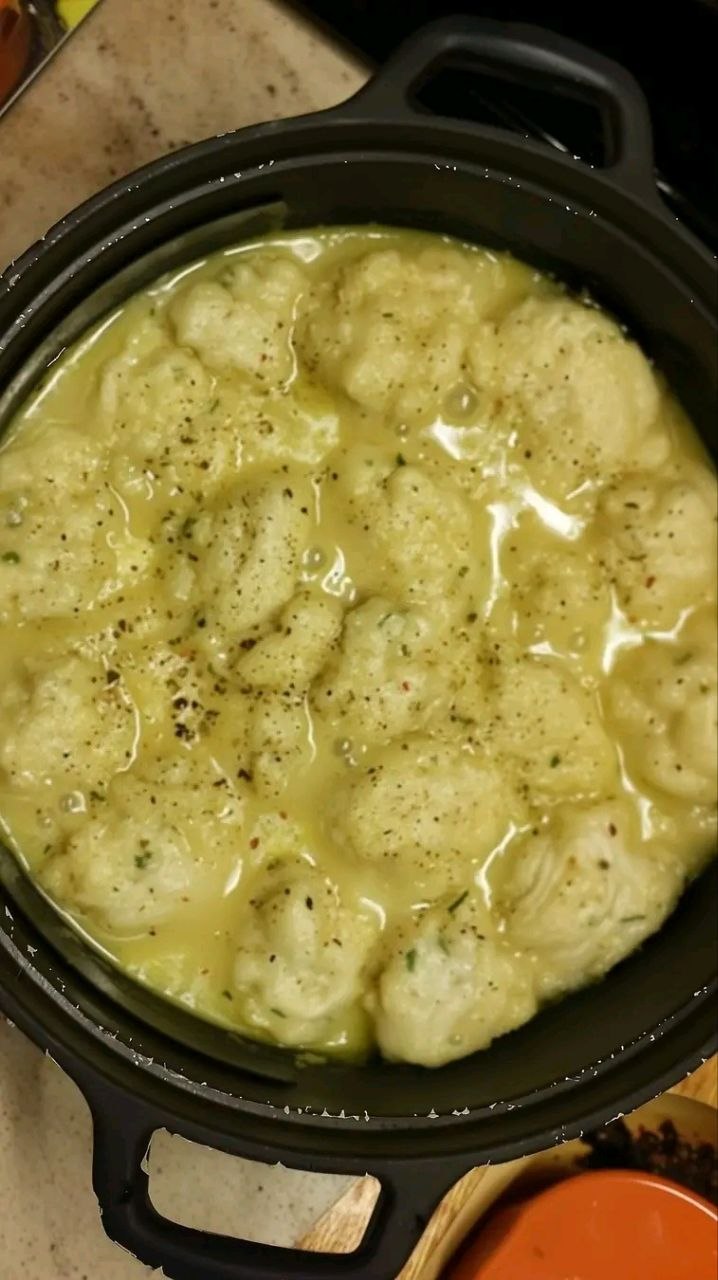
Fеathеr Dumplings Chickеn and Dumplings

Introduction
There are few dishes that evoke the same warmth, comfort, and nostalgia as a hearty bowl of Chicken and Dumplings. It’s a culinary hug, a taste of home that transcends generations and brings smiles to faces around the dinner table. This classic American comfort food, with its tender chicken swimming in a rich, savory broth and topped with fluffy, cloud-like dumplings, is the ultimate antidote to a chilly evening or a long day. While many variations exist, from thick, noodle-like dumplings to dense, biscuit-style drops, our recipe today elevates this beloved dish to new heights with what we affectionately call “Feather Dumplings.”
What makes our Feather Dumplings Chicken and Dumplings truly special isn’t just the robust flavor of the chicken and the perfectly seasoned, creamy broth; it’s the ethereal texture of the dumplings themselves. These aren’t your grandmother’s leaden blobs, but rather light-as-air creations that practically melt in your mouth. They’re designed to be incredibly tender and absorbent, soaking up all the delicious flavors of the stew without ever becoming gummy or heavy. It’s a delicate balance achieved through careful ingredient selection and a gentle hand, transforming a simple flour-and-liquid mixture into something truly magical.
This recipe has been refined over countless family gatherings, a testament to the enduring appeal of comfort food done right. We’ve honed the technique to ensure that even a novice cook can achieve these wonderfully light dumplings, making this a dish you’ll want to add to your regular rotation. Get ready to experience chicken and dumplings like never before, where every spoonful is a promise of pure, unadulterated comfort.
Nutritional Information
Per serving (approximate values):
- Calories: 580
- Protein: 45g
- Carbohydrates: 40g
- Fat: 28g
- Fiber: 4g
- Sodium: 950mg
Ingredients
For the Chicken Base:
- 2 tablespoons olive oil
- 1.5 pounds boneless, skinless chicken thighs or breasts, cut into 1-inch pieces
- 1 large yellow onion, chopped
- 2 carrots, peeled and diced
- 2 celery stalks, diced
- 2 cloves garlic, minced
- 8 cups chicken broth, low sodium
- 1 cup milk (whole or 2%)
- 1/2 cup heavy cream (optional, for extra richness)
- 1/2 cup all-purpose flour (for thickening)
- 1 teaspoon dried thyme
- 1/2 teaspoon dried rosemary
- Salt and freshly ground black pepper to taste
- 1/4 cup fresh parsley, chopped (for garnish)
For the Feather Dumplings:
- 1.5 cups all-purpose flour
- 2 teaspoons baking powder
- 1/2 teaspoon salt
- 1/4 teaspoon black pepper
- 1/2 cup milk (whole or 2%)
- 1/4 cup unsalted butter, melted and cooled slightly
Instructions
- Prepare the Chicken: Heat olive oil in a large Dutch oven or heavy-bottomed pot over medium-high heat. Season the chicken pieces with salt and pepper. Add chicken to the pot and cook until lightly browned on all sides, about 5-7 minutes. Remove chicken from the pot and set aside. It doesn’t need to be fully cooked through at this stage.
- Sauté Aromatics: Reduce heat to medium. Add chopped onion, carrots, and celery to the pot. Cook, stirring occasionally, until softened, about 8-10 minutes. Add minced garlic and cook for another minute until fragrant.
- Build the Broth: Sprinkle the 1/2 cup of flour over the vegetables and stir constantly for 1-2 minutes to cook out the raw flour taste, creating a roux. Slowly whisk in the chicken broth, making sure to scrape up any browned bits from the bottom of the pot. Bring the mixture to a simmer, stirring occasionally.
- Add Dairy and Seasonings: Stir in the milk, heavy cream (if using), dried thyme, and dried rosemary. Return the browned chicken to the pot. Season with additional salt and pepper to taste. Reduce heat to low, cover, and simmer for 15-20 minutes to allow the flavors to meld and the chicken to cook through.
- Prepare the Feather Dumplings: While the chicken is simmering, prepare the dumplings. In a medium bowl, whisk together the 1.5 cups all-purpose flour, baking powder, 1/2 teaspoon salt, and 1/4 teaspoon black pepper.
- Combine Wet and Dry Ingredients for Dumplings: In a separate small bowl, whisk together the 1/2 cup milk and melted butter. Pour the wet ingredients into the dry ingredients. Stir gently with a spoon or spatula just until combined and no dry streaks of flour remain. Be careful not to overmix, as this will lead to tough dumplings. The dough will be soft and sticky.
- Cook the Dumplings: Uncover the simmering chicken stew. Drop spoonfuls (about 1 tablespoon each) of the dumpling dough directly into the hot, simmering broth. Try to drop them onto the chicken or vegetables rather than directly into the liquid to prevent them from sinking too quickly. Don’t crowd the pot; cook in batches if necessary.
- Simmer the Dumplings: Once all the dumplings are in the pot, cover tightly and continue to simmer for 15-20 minutes, or until the dumplings are puffed up, light, and cooked through. Do not lift the lid during this time, as the steam is crucial for cooking the dumplings properly.
- Finish and Serve: Once the dumplings are cooked, remove the pot from the heat. Stir in the fresh chopped parsley. Taste and adjust seasonings if necessary. Ladle generously into bowls and serve hot.
Cooking Tips and Variations
Achieving those perfectly light and fluffy “Feather Dumplings” is all about technique, particularly when it comes to the dough. The most crucial tip is to avoid overmixing the dumpling dough. Once the wet and dry ingredients are just combined, stop stirring. Overworking the gluten in the flour will result in dense, chewy dumplings instead of the tender, cloud-like texture we’re aiming for. A few lumps in the dough are perfectly fine and often preferred. Another tip for light dumplings is to ensure your baking powder is fresh; it’s the leavening agent that gives them their airy lift. If your baking powder has been sitting in the pantry for ages, it might be time for a fresh container.
For the broth, if you find it’s not as thick as you’d like after simmering, you can easily adjust the consistency. In a small bowl, whisk together 1 tablespoon of cornstarch with 2 tablespoons of cold water to create a slurry. Stir this slurry into the simmering broth a little at a time, allowing it to thicken for a minute or two before adding more. This allows you to control the thickness precisely. Alternatively, you can mash a few of the cooked carrots or potatoes (if you added any) against the side of the pot to naturally thicken the broth.
Don’t have time to cook chicken from scratch? A fantastic shortcut is to use a store-bought rotisserie chicken. Simply shred the meat and add it to the broth during the last 10-15 minutes of simmering, after the vegetables have softened and the broth has been built. This significantly cuts down on preparation time without sacrificing flavor. You can also vary the vegetables; feel free to add diced potatoes, frozen peas, green beans, or corn for extra color and nutrients. If you prefer a more herbaceous flavor, consider adding a bay leaf to the broth while it simmers, remembering to remove it before serving.
For a richer, more savory chicken flavor, you can brown the chicken pieces more aggressively in the first step, creating more fond (the browned bits at the bottom of the pot) which will then be deglazed by the broth. Some people prefer to cook their chicken whole in the broth and then shred it, but cutting it into pieces first allows it to cook faster and absorb more flavor from the aromatics. If you’re feeling adventurous, a pinch of poultry seasoning can enhance the overall taste profile. For a subtle kick, a tiny dash of cayenne pepper or a sprinkle of red pepper flakes can be added to the broth.
Lastly, ensure your broth is at a gentle, rolling simmer when you drop the dumplings. If it’s boiling too vigorously, the dumplings might break apart. If it’s not simmering enough, they won’t cook through properly and will remain doughy. A steady, gentle simmer is key to their perfect texture.
Storage and Reheating
Chicken and dumplings, especially with these tender feather dumplings, is a dish that often tastes even better the next day as the flavors have more time to meld. To store leftovers, allow the dish to cool completely at room temperature for no more than two hours. Transfer the chicken and dumplings to an airtight container. It will keep well in the refrigerator for up to 3-4 days. It is not recommended to freeze chicken and dumplings with these specific feather dumplings, as the texture of the dumplings can become mushy or disintegrate upon thawing and reheating. If you anticipate having a lot of leftovers and wish to freeze, it’s best to freeze the chicken stew portion without the dumplings, and then make a fresh batch of dumplings when you’re ready to serve.
When reheating, the best method is gently on the stovetop. Transfer the desired portion of chicken and dumplings to a saucepan or small pot. Add a splash of chicken broth or milk (about 1/4 to 1/2 cup per serving) to help rehydrate the dish and prevent it from drying out, as the dumplings will have absorbed a lot of the liquid. Heat over low to medium-low heat, stirring occasionally, until it is heated through. Avoid high heat, as this can cause the dumplings to break down or the sauce to scorch. If reheating a single serving, you can use a microwave, but be aware that the dumplings might not retain their exact original texture. Heat in 1-minute intervals, stirring in between, until hot. The goal is to bring it back to a comforting warmth without overcooking the chicken or making the dumplings tough.
Frequently Asked Questions
What makes these “Feather Dumplings” different from other dumplings?
Our “Feather Dumplings” are designed to be exceptionally light, airy, and tender, almost melting in your mouth. Unlike denser, chewier biscuit-style dumplings or flat, noodle-like dumplings, these are characterized by their soft, fluffy texture achieved through a specific ratio of leavening agents and careful, minimal mixing of the dough. They absorb the rich broth without becoming gummy, offering a delicate contrast to the hearty chicken stew.
Can I use self-rising flour for the dumplings?
Yes, you can use self-rising flour for the dumplings. If you do, omit the baking powder and reduce the salt to about 1/4 teaspoon, as self-rising flour already contains leavening and salt. The proportions for the liquid (milk and melted butter) should remain the same. Always check the ingredients list on your self-rising flour package to adjust accordingly.
My broth isn’t as thick as I’d like. How can I fix it?
If your broth isn’t thick enough, you can easily adjust it. The easiest way is to create a cornstarch slurry: whisk 1 tablespoon of cornstarch with 2 tablespoons of cold water until smooth. Slowly stir this mixture into the simmering broth. Let it simmer for 1-2 minutes to allow it to thicken. You can add more slurry if needed, a little at a time, until you reach your desired consistency. Alternatively, if you’ve added potatoes, you can mash a few against the side of the pot to release their starches and naturally thicken the stew.
Can I add other vegetables to the chicken and dumplings?
Absolutely! This recipe is very versatile for adding other vegetables. Peas, corn, green beans, or even diced potatoes are excellent additions. If using frozen vegetables like peas or corn, add them during the last 5-10 minutes of simmering the stew before dropping the dumplings, just enough time for them to heat through. For root vegetables like potatoes, add them with the carrots and celery so they have ample time to cook until tender.