
Follow Me On Social Media!
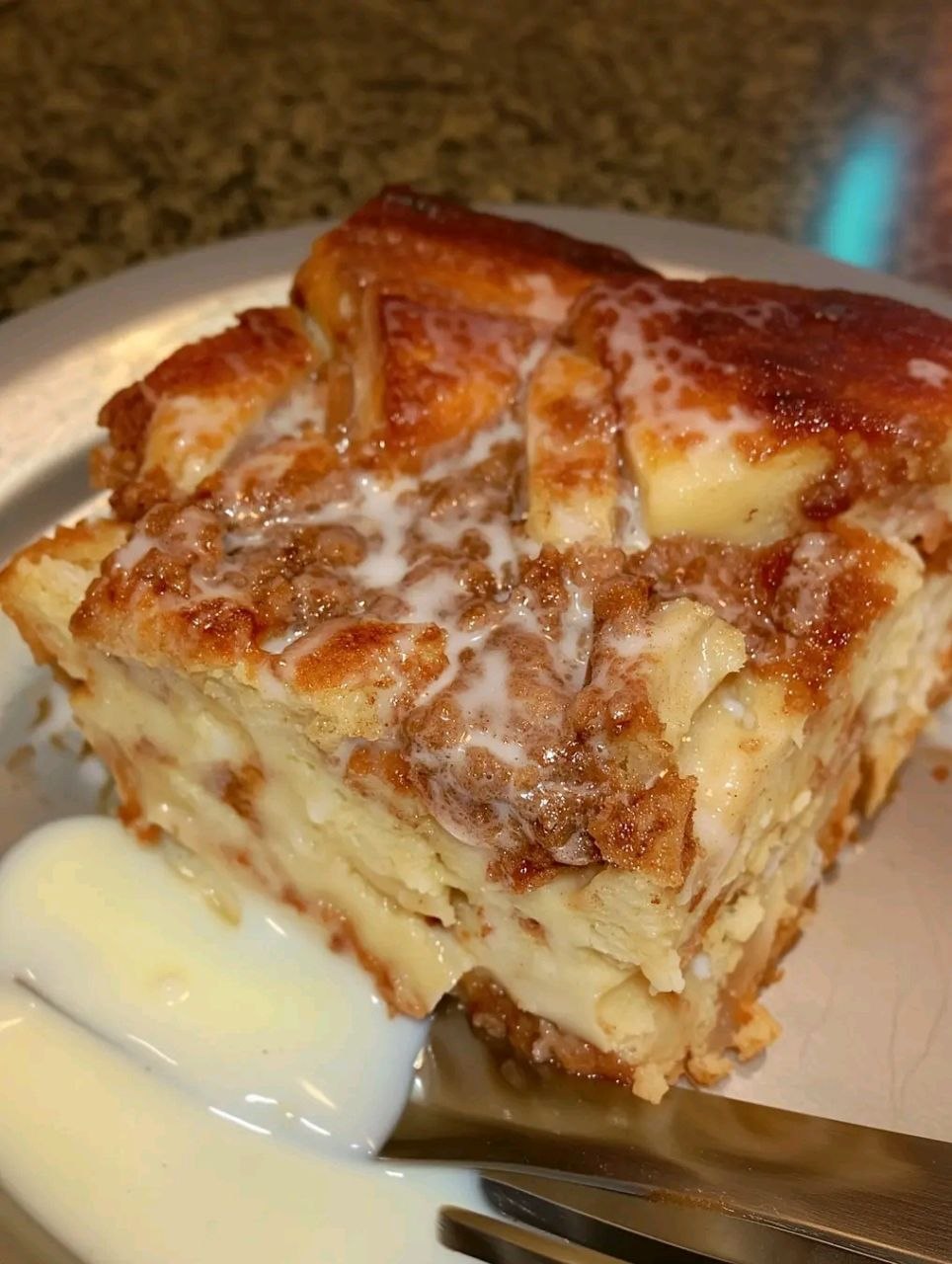
Frеnch Toast

Introduction
There are few breakfast or brunch dishes as universally beloved as French Toast. This comforting classic, known around the world by various names like “pain perdu,” transforms simple bread into a decadent feast. Our recipe takes this beloved dish to the next level by preparing it as a baked casserole, making it incredibly easy to feed a crowd and perfect for those leisurely weekend mornings where you want minimal fuss but maximum flavor.
Forget standing over a hot griddle flipping slices one by one. This baked French Toast casserole offers all the custardy goodness and cinnamon-vanilla aroma you crave, but with the convenience of an oven-baked dish. It’s a true make-ahead marvel, allowing you to assemble it the night before and simply pop it in the oven when you wake up. The result is a golden-brown, tender, and incredibly satisfying French Toast that’s crispy on the edges and wonderfully soft and custardy in the middle, all finished with a delicate powdered sugar glaze.
What makes this particular French Toast recipe truly special is its perfect balance of textures and flavors. We use a rich, enriched bread like challah or brioche, which soaks up the sweet, spiced custard beautifully without becoming soggy. Baking ensures that each piece is cooked through evenly, developing a delightful chewiness. It’s an elevated take on a breakfast staple that’s sure to become a go-to for brunches, holidays, or any time you’re craving something truly extraordinary.
Nutritional Information
Per serving (approximate values):
- Calories: 450
- Protein: 15g
- Carbohydrates: 55g
- Fat: 18g
- Fiber: 3g
- Sodium: 350mg
Ingredients
- 1 loaf (1 pound) Challah or Brioche bread, day-old preferred, cut into 1-inch cubes
- 8 large eggs
- 2 cups whole milk
- 1/2 cup heavy cream
- 1/2 cup granulated sugar
- 2 tablespoons light brown sugar, packed
- 1 tablespoon pure vanilla extract
- 1 teaspoon ground cinnamon
- 1/2 teaspoon ground nutmeg
- 1/4 teaspoon salt
- 2 tablespoons unsalted butter, melted (for greasing the pan)
- For the Glaze:
- 1 cup powdered sugar
- 2-3 tablespoons milk or water
- 1/2 teaspoon vanilla extract (optional)
Instructions
- Prepare the Bread: If your bread is fresh, you can lightly toast the cubes in a 300°F (150°C) oven for 10-15 minutes to dry them out slightly. This helps prevent sogginess. Arrange the bread cubes evenly in a greased 9×13 inch baking dish.
- Whisk the Custard: In a large bowl, whisk together the eggs, whole milk, heavy cream, granulated sugar, brown sugar, vanilla extract, cinnamon, nutmeg, and salt until well combined and smooth. Ensure no lumps of sugar remain.
- Pour Over Bread: Carefully pour the egg mixture evenly over the bread cubes in the baking dish. Gently press down on the bread with a spatula to ensure all the cubes are fully submerged and absorb the custard.
- Chill (Optional, but Recommended): Cover the baking dish tightly with plastic wrap and refrigerate for at least 2 hours, or preferably overnight. This allows the bread to thoroughly soak up the custard, resulting in a more flavorful and custardy French Toast.
- Preheat Oven: When ready to bake, preheat your oven to 375°F (190°C).
- Bake the French Toast: Remove the baking dish from the refrigerator and let it sit at room temperature for about 15-20 minutes while the oven preheats. Remove the plastic wrap. Bake for 45-55 minutes, or until the French Toast is golden brown on top, puffed up, and the center is set (a knife inserted into the center should come out clean).
- Prepare the Glaze: While the French Toast is baking, prepare the glaze. In a small bowl, whisk together the powdered sugar, 2 tablespoons of milk or water, and optional vanilla extract until smooth. Add more milk or water a teaspoon at a time if needed, to reach your desired drizzling consistency.
- Cool and Serve: Once baked, remove the French Toast casserole from the oven and let it cool for 10-15 minutes before serving. This allows it to set up properly. Drizzle generously with the prepared powdered sugar glaze just before serving.
Cooking Tips and Variations
For the best French Toast casserole, the type of bread you use is paramount. Challah or brioche are ideal because their rich, eggy texture and slight sweetness complement the custard beautifully, and they hold their shape well without falling apart. If you can’t find these, a good quality white sandwich bread that’s a day or two old will also work, but avoid very soft, fresh bread as it can become mushy. Drying out your bread cubes slightly in the oven before adding the custard is a game-changer for preventing a soggy bottom and ensuring a perfectly custardy texture throughout.
Don’t skimp on the soaking time! Letting the bread soak in the custard for at least two hours, or even better, overnight in the refrigerator, is crucial. This extended soak allows the bread to fully absorb the liquid, resulting in a French Toast that’s incredibly moist and flavorful from the inside out. When baking, keep an eye on the top; if it’s browning too quickly, you can loosely tent the dish with aluminum foil for the last 15-20 minutes of baking to prevent over-browning while the center finishes cooking.
To elevate this dish even further, consider adding a streusel topping. A simple mix of 1/2 cup flour, 1/4 cup brown sugar, 1/4 teaspoon cinnamon, and 4 tablespoons cold butter cut into small pieces, crumbled over the top before baking, adds a delightful crunchy texture. For fruit variations, you can scatter fresh berries (blueberries, raspberries, or sliced strawberries) over the bread cubes before pouring the custard, or serve them on the side. A touch of orange or lemon zest in the custard can also brighten the flavors.
If you prefer a less sweet glaze, you can omit the powdered sugar drizzle entirely and serve with maple syrup, honey, or a dollop of whipped cream. For a richer flavor, you can substitute some of the milk with half-and-half or even more heavy cream in the custard mixture. This recipe is also wonderfully adaptable for individual servings; simply bake in oven-safe ramekins or a muffin tin for charming mini French Toast casseroles.
Storage and Reheating
This baked French Toast casserole is fantastic for meal prepping or enjoying leftovers. Once cooled, cover the baking dish tightly with plastic wrap or transfer individual portions to airtight containers. It will keep well in the refrigerator for up to 3-4 days. For longer storage, you can freeze individual slices or the entire casserole (if you plan to reheat the whole thing) for up to 1 month. Wrap tightly in plastic wrap and then in aluminum foil to prevent freezer burn.
To reheat individual portions from the refrigerator, you can use a microwave for a quick warm-up, but for the best texture, an oven or toaster oven is recommended. Place slices on a baking sheet and reheat at 300°F (150°C) for 10-15 minutes, or until heated through. If reheating from frozen, allow it to thaw in the refrigerator overnight before reheating in the oven, or reheat directly from frozen at a lower temperature (around 275°F / 135°C) for a longer period (20-30 minutes), covered with foil to prevent drying out, then uncovered for the last few minutes to crisp up.
Avoid over-reheating, especially in the microwave, as this can make the French Toast rubbery. The goal is to warm it through gently, allowing the custardy interior to become tender again without losing its moisture. A fresh drizzle of glaze or a splash of maple syrup can revive any reheated leftovers beautifully.
Frequently Asked Questions
What kind of bread is best for French Toast casserole?
Enriched breads like Challah or Brioche are highly recommended due to their rich flavor, slightly dense texture, and ability to absorb the custard without becoming soggy. A day-old loaf is even better, as slightly stale bread absorbs liquid more effectively than fresh bread.
Can I make this French Toast casserole ahead of time?
Absolutely! This recipe is perfect for making ahead. You can assemble the entire casserole the night before, cover it, and refrigerate it. In the morning, simply take it out of the fridge while your oven preheats, and then bake as directed. This makes it an ideal option for stress-free brunches or holiday breakfasts.
How do I prevent my French Toast casserole from being soggy?
Several factors help prevent sogginess. First, use slightly stale bread or lightly toast fresh bread cubes to dry them out. Second, ensure you allow adequate soaking time (at least 2 hours, or overnight) for the bread to fully absorb the custard. Finally, don’t overcrowd your baking dish, and make sure to bake until the center is set and the top is golden brown.
What are some good toppings for French Toast casserole?
Beyond the powdered sugar glaze, this casserole is delicious with a variety of toppings. Classic choices include maple syrup, fresh berries (strawberries, blueberries, raspberries), sliced bananas, whipped cream, a dusting of cinnamon sugar, or even a dollop of fruit compote. For a nutty crunch, toasted pecans or walnuts can be added.