Follow Me On Social Media!
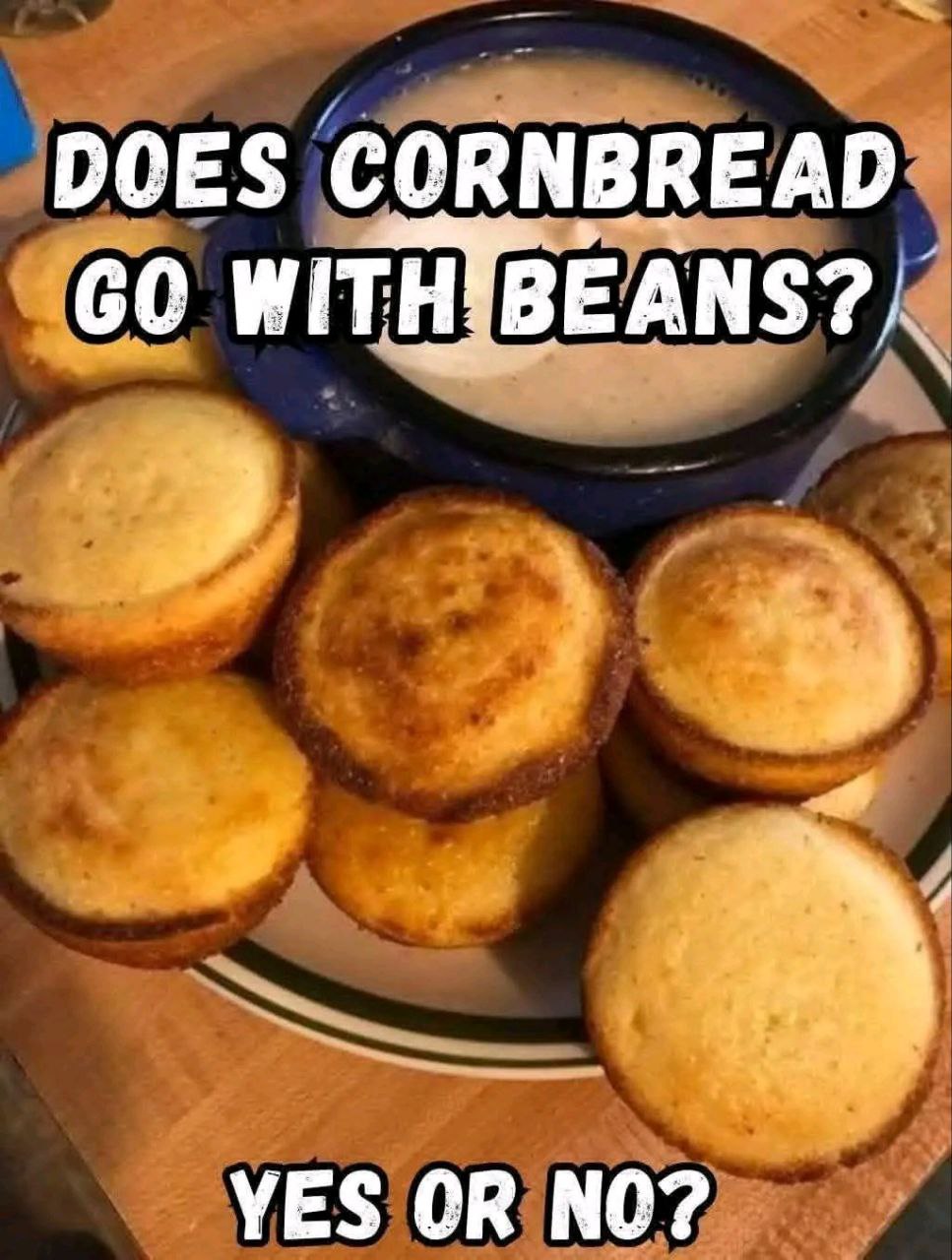
Fried Cornbread

Introduction
Does cornbread go with beans? The age-old question that sparks lively debate around many dinner tables often gets a resounding “YES!” from those who appreciate true comfort food. And when that cornbread is fried to a golden, crispy perfection, the answer becomes an enthusiastic, undeniable “Absolutely!” Fried cornbread takes a beloved Southern staple and elevates it to new heights, offering a delightful twist on a classic that will have you rethinking your cornbread game.
Imagine a cornbread that boasts an incredibly crispy exterior, a rich, savory crust developed from a hot skillet, giving way to a tender, moist interior. That’s the magic of fried cornbread. Unlike its baked counterpart, which offers a uniform softness, fried cornbread provides a textural symphony with every bite. It’s a dish that speaks to tradition, harkening back to simpler times when resourceful cooks transformed humble ingredients into something truly extraordinary.
This isn’t just a side dish; it’s an experience. Perfect for sopping up the last delicious drops of a hearty bean soup, chili, or even a classic Southern plate of collard greens, fried cornbread is versatile, satisfying, and deeply comforting. It’s easy to make, incredibly flavorful, and guaranteed to become a new favorite in your culinary repertoire. Get ready to embrace the crispy, golden goodness!
Nutritional Information
Per serving (approximate values):
- Calories: 280
- Protein: 6g
- Carbohydrates: 35g
- Fat: 13g
- Fiber: 3g
- Sodium: 450mg
Ingredients
- 1 cup yellow cornmeal (medium grind preferred)
- 1/2 cup all-purpose flour
- 2 tablespoons granulated sugar (optional, for a slightly sweeter cornbread)
- 1 teaspoon baking powder
- 1/2 teaspoon baking soda
- 1/2 teaspoon salt
- 1 large egg, lightly beaten
- 1 cup buttermilk
- 1/4 cup whole milk (or more, as needed for consistency)
- 1/4 cup unsalted butter, melted, plus 2 tablespoons for frying
- Vegetable oil or lard, for frying (about 1/2 to 1 cup, depending on skillet size)
Instructions
- In a large mixing bowl, whisk together the cornmeal, all-purpose flour, granulated sugar (if using), baking powder, baking soda, and salt. Make sure there are no lumps.
- In a separate medium bowl, whisk together the lightly beaten egg, buttermilk, and 1/4 cup melted butter until well combined.
- Pour the wet ingredients into the dry ingredients. Stir gently with a spoon or spatula until just combined. Be careful not to overmix; a few small lumps are perfectly fine. The batter should be thick but pourable. If it seems too thick, add the additional 1/4 cup whole milk, one tablespoon at a time, until the desired consistency is reached. It should be thick enough to hold its shape when scooped, but not stiff.
- Heat a large, heavy-bottomed skillet, preferably cast iron, over medium-high heat. Add enough vegetable oil or lard to come about 1/2 inch up the sides of the pan. If using individual molds or portions, add about 2 tablespoons of butter to the hot oil for extra flavor. The oil should be hot enough that a drop of batter sizzles immediately upon contact. A good temperature is around 350-375°F (175-190°C).
- Carefully drop spoonfuls of the cornbread batter into the hot oil. For individual, round portions like those pictured, use a 1/4 cup measuring cup or a large scoop. Leave enough space between each piece to allow for even cooking and easy flipping – do not overcrowd the pan. Work in batches if necessary.
- Fry the cornbread for 3-5 minutes per side, or until deeply golden brown and crispy. The exact time will depend on the heat of your oil and the thickness of your cornbread. Use a sturdy spatula to carefully flip each piece.
- Once golden brown and cooked through (a toothpick inserted into the center should come out clean), remove the fried cornbread from the skillet using a slotted spoon or tongs.
- Transfer the fried cornbread to a plate lined with paper towels to drain any excess oil.
- Serve immediately while hot and crispy.
Cooking Tips and Variations
Oil Temperature is Key: This cannot be stressed enough. If your oil isn’t hot enough, the cornbread will absorb too much oil and become greasy and soggy. If it’s too hot, the outside will burn before the inside cooks through. Aim for 350-375°F (175-190°C). A thermometer is your best friend here. You can test the oil by dropping a tiny bit of batter in; it should sizzle immediately but not aggressively.
Don’t Overcrowd the Pan: Frying in batches is essential. Overcrowding the pan will drop the oil temperature, leading to greasy cornbread. It also makes flipping difficult and prevents even browning.
The Right Kind of Cornmeal: Medium-grind yellow cornmeal is generally preferred for fried cornbread as it offers a good balance of texture and flavor. Fine-grind can result in a denser texture, while coarse-grind might be too gritty for some. Experiment to find your personal preference.
Cast Iron Skillet for the Win: A well-seasoned cast iron skillet is ideal for frying. It distributes heat evenly and retains it well, which is crucial for achieving that perfect, consistent golden crust. If you don’t have one, a heavy-bottomed stainless steel skillet will also work.
Sweet vs. Savory: The recipe includes optional sugar. For a more traditional, savory Southern cornbread, omit the sugar entirely. For a slightly sweeter profile, increase the sugar to 3-4 tablespoons. For a true sweet treat, you can even drizzle with honey or maple syrup after frying.
Flavor Twists: Get creative with your batter! For a spicy kick, fold in 1/4 cup of finely diced pickled or fresh jalapeños. For a cheesy delight, add 1/2 cup shredded cheddar or Monterey Jack cheese. Fresh herbs like chives or chopped green onions can also add a wonderful aromatic touch.
Buttermilk is Best: Buttermilk reacts with the baking soda to create a light and tender crumb. If you don’t have buttermilk, you can make a substitute by adding 1 tablespoon of white vinegar or lemon juice to a measuring cup and filling the rest with regular milk to make 1 cup. Let it sit for 5 minutes before using.
Consistency is Key: The batter should be thick enough to hold its shape when scooped but still easily drop from a spoon. Adjust with a little extra milk if it’s too thick, or a tablespoon of cornmeal if it’s too thin.
Serving Warm: Fried cornbread is truly at its best when served immediately. The crispy exterior softens over time, so enjoy it fresh from the skillet.
Storage and Reheating
Fried cornbread is best enjoyed fresh, as its signature crispiness diminishes over time. However, if you have leftovers, they can be stored and reheated.
Storage: Allow the fried cornbread to cool completely to room temperature. Store it in an airtight container at room temperature for up to 2 days, or in the refrigerator for up to 4 days. Placing a paper towel in the bottom of the container can help absorb any residual moisture.
Reheating:
- Oven/Toaster Oven: This is the best method for restoring some crispness. Preheat your oven or toaster oven to 350°F (175°C). Place the cornbread directly on a baking sheet or on the rack. Heat for 5-10 minutes, or until warmed through and the edges begin to crisp up again.
- Air Fryer: An air fryer also works wonderfully for reheating. Place the cornbread in a single layer in the air fryer basket. Cook at 350°F (175°C) for 3-5 minutes, flipping halfway, until heated through and crispy.
- Skillet: You can briefly reheat in a dry skillet over medium heat for a few minutes per side, which will help crisp up the exterior. Avoid adding more oil, as it can make them greasy.
- Microwave: While convenient, the microwave is not recommended for reheating fried cornbread as it will make it soft and potentially chewy, losing all of its crispy charm.
Frequently Asked Questions
What is the difference between baked and fried cornbread?
The primary difference lies in the cooking method and resulting texture. Baked cornbread, typically made in a pan or muffin tin, has a softer, more uniform crumb with a tender crust. Fried cornbread, on the other hand, is cooked in hot oil, developing a distinctively crispy, golden-brown exterior while maintaining a moist and tender interior. The frying process also imparts a richer, more savory flavor.
Can I use fine-ground cornmeal for this recipe?
Yes, you can use fine-ground cornmeal, but it will result in a slightly different texture. Fine-ground cornmeal tends to produce a denser, less crumbly cornbread. Medium-ground cornmeal is often preferred for fried cornbread as it provides a better balance of texture, offering a bit more bite and a satisfyingly rustic feel. Feel free to experiment to find what you prefer!
What kind of oil is best for frying cornbread?
For frying cornbread, you want an oil with a high smoke point and a neutral flavor. Vegetable oil, canola oil, and peanut oil are all excellent choices. Many traditional Southern recipes also call for lard, which imparts a wonderful, rich flavor and a very crispy crust. Avoid olive oil, as its smoke point is too low for effective frying.
Can I make the batter ahead of time?
It’s generally best to mix the batter just before frying. The leavening agents (baking powder and baking soda) begin to react once they come into contact with the liquid ingredients. If the batter sits for too long, these agents can lose their potency, resulting in less fluffy and tender cornbread. If you must prepare it slightly ahead, try to fry it within 15-30 minutes of mixing for the best results.