Follow Me On Social Media!
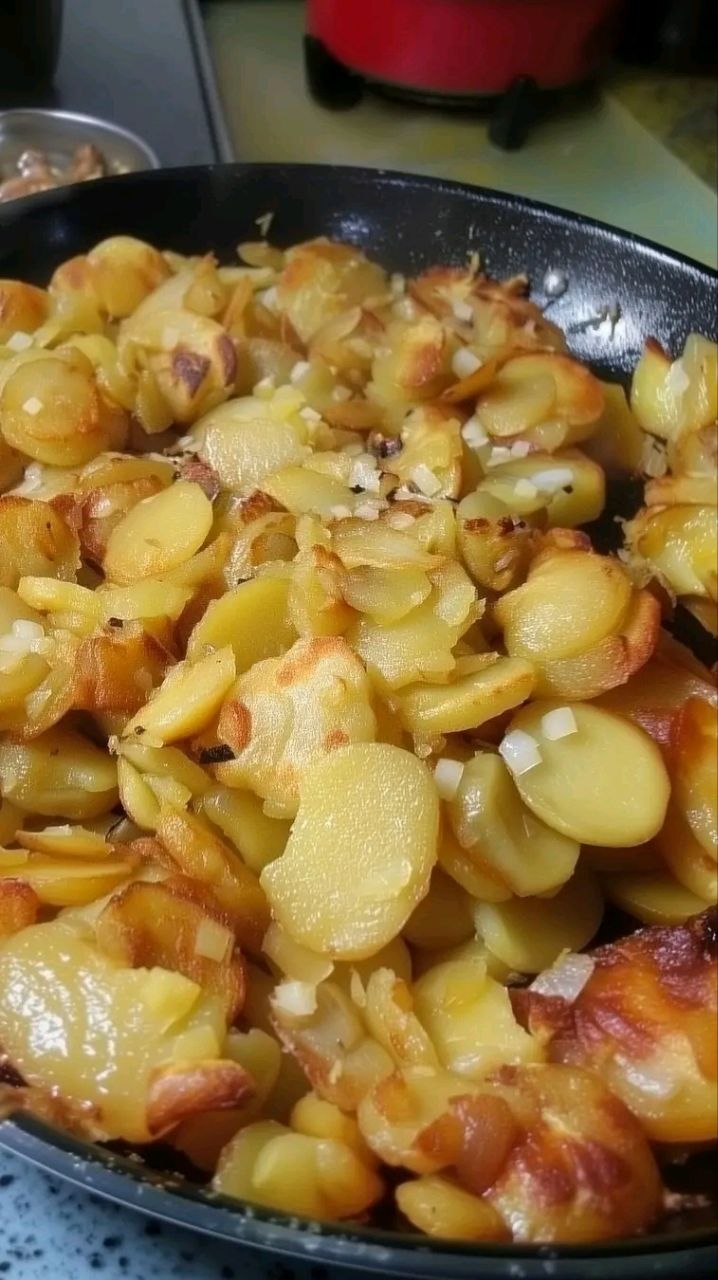
Fried Potatoes and Onions

Introduction
There are few dishes that evoke such a profound sense of comfort and home as a simple plate of fried potatoes and onions. This culinary classic, often overlooked in favor of more elaborate fare, is a testament to the power of humble ingredients. It’s a dish that transcends cultures and generations, finding a place on breakfast tables, as a hearty side to dinner, or even as a satisfying meal all on its own. The magic lies in the transformation of everyday potatoes and onions into something truly special: tender on the inside, gloriously crispy on the outside, and infused with the sweet, caramelized essence of sautéed onions.
What makes fried potatoes and onions so universally beloved? Firstly, its simplicity is a huge draw. With just a handful of pantry staples, you can create a dish that feels both indulgent and wholesome. Secondly, it’s incredibly versatile. Whether you’re pairing it with a juicy steak, a stack of fluffy pancakes, or simply enjoying it with a sprinkle of fresh herbs, it always fits right in. Finally, it’s a budget-friendly superstar. Potatoes and onions are among the most economical ingredients, making this a perfect go-to for deliciousness without breaking the bank. For me, the smell of potatoes and onions sizzling in a pan instantly transports me back to my grandmother’s kitchen, where this dish was a constant, comforting presence, always made with love and a generous hand.
Nutritional Information
Per serving (approximate values):
- Calories: 320
- Protein: 5g
- Carbohydrates: 45g
- Fat: 15g
- Fiber: 5g
- Sodium: 350mg
Ingredients
- 2 lbs (about 4-5 medium) Yukon Gold or Russet potatoes, peeled and diced into 1/2-inch cubes
- 1 large yellow onion, diced
- 4 tablespoons olive oil or vegetable oil (divided)
- 1 tablespoon unsalted butter (optional, for extra flavor)
- 1 teaspoon salt, or to taste
- 1/2 teaspoon black pepper, or to taste
- 1/4 cup fresh parsley, chopped (for garnish, optional)
- 1/2 teaspoon paprika (optional, for color and mild spice)
- 1/4 teaspoon garlic powder (optional, for added flavor)
Instructions
- Prepare the Potatoes: Peel the potatoes and cut them into roughly 1/2-inch cubes. Place the diced potatoes in a large bowl and cover them with cold water. Let them soak for at least 20-30 minutes. This step helps remove excess starch, which contributes to crispier potatoes.
- Dry the Potatoes Thoroughly: After soaking, drain the potatoes completely. Spread them out in a single layer on several layers of paper towels or a clean kitchen towel. Pat them as dry as possible. This is a crucial step for achieving a crispy exterior, as any residual moisture will steam the potatoes instead of frying them.
- Sauté the Onions: Heat 2 tablespoons of olive oil (or vegetable oil) in a large, heavy-bottomed skillet or cast-iron pan over medium heat. Add the diced onions to the hot oil. Sauté for 5-7 minutes, stirring occasionally, until the onions are softened and translucent. You want them to be fragrant and slightly caramelized, but not burnt. Remove the sautéed onions from the skillet and set them aside in a bowl.
- Begin Frying the Potatoes: Add the remaining 2 tablespoons of olive oil (and the butter, if using) to the same skillet. Increase the heat to medium-high. Once the oil is shimmering, carefully add the dried potato cubes to the skillet in a single layer. Do not overcrowd the pan; if necessary, cook the potatoes in two batches to ensure even browning and crispiness.
- Initial Browning: Let the potatoes cook undisturbed for 5-7 minutes to allow a crust to form on the bottom. Resist the urge to stir them too soon. This initial browning is key to developing that desirable crispy texture.
- Flip and Continue Frying: After the initial browning, use a spatula to flip the potatoes and break them apart. Continue to cook for another 10-15 minutes, flipping and stirring every 3-4 minutes, until the potatoes are golden brown and tender when pierced with a fork. If you’re cooking in batches, transfer the first batch to a plate while you cook the second.
- Combine and Season: Once all the potatoes are cooked and nicely browned, return the sautéed onions to the skillet with the potatoes (if you cooked in batches, combine them all now). Add the salt, black pepper, and any optional seasonings like paprika or garlic powder. Stir everything together gently to combine and distribute the seasonings evenly.
- Final Browning (Optional): For extra crispiness, you can spread the potato and onion mixture back into an even layer and cook for another 2-3 minutes without stirring, allowing another crispy layer to form.
- Serve Immediately: Taste and adjust seasonings as needed. Garnish with fresh chopped parsley, if desired, and serve hot.
Cooking Tips and Variations
Achieving perfectly crispy, tender fried potatoes and onions is an art, but one that’s easily mastered with a few key techniques. First and foremost, **don’t overcrowd the pan**. This is perhaps the most critical tip. When too many potatoes are crammed into a skillet, they release steam instead of frying, resulting in soft, soggy potatoes rather than delightfully crispy ones. Cook in batches if your pan isn’t large enough to hold all the potatoes in a single layer. Another vital step is to **thoroughly dry your potatoes** after soaking them. Any residual moisture will cause the oil to spatter and prevent proper browning. Lay them out on paper towels and pat them until they are as dry as possible. For the best flavor and texture, use a **heavy-bottomed skillet or cast-iron pan**. These pans distribute heat more evenly and retain heat better, leading to superior browning and less sticking.
When it comes to the cooking process, **patience is a virtue**. Resist the urge to constantly stir the potatoes. Allow them to cook undisturbed for several minutes on each side to develop a beautiful golden crust. Only flip them when a good brown layer has formed. For even cooking, try to cut your potatoes into **uniform 1/2-inch cubes**. This ensures that all pieces cook at roughly the same rate, preventing some from being undercooked while others are burnt. Proper **seasoning throughout the cooking process** is also crucial. Don’t just add salt and pepper at the end; season the potatoes lightly once they hit the pan, and then again when you add the onions. Taste and adjust before serving.
This classic dish is also incredibly adaptable, making it easy to introduce exciting **variations**. For a smoky depth, add a pinch of smoked paprika along with your other seasonings. A dash of cayenne pepper can introduce a subtle kick, while a sprinkle of red pepper flakes will turn up the heat. Fresh herbs are a fantastic addition; rosemary or thyme added during the last few minutes of cooking will infuse the potatoes with an earthy aroma, while fresh chives or parsley as a garnish add brightness. For an extra layer of flavor, consider adding a couple of minced garlic cloves to the pan with the onions during the last minute of their cooking. If you enjoy a touch of sweetness, a teaspoon of brown sugar added to the onions as they caramelize can be a delightful twist. For a heartier meal, you can stir in cooked crumbled bacon or sausage during the last few minutes of cooking. A sprinkle of shredded cheese (like cheddar or Monterey Jack) melted over the top just before serving also makes for a decadent treat. Don’t be afraid to experiment and make this dish your own!
Storage and Reheating
Fried potatoes and onions are always best enjoyed fresh off the skillet, when their crispiness is at its peak. However, leftovers can be stored and reheated, though they may lose some of their initial crisp texture. To store, allow the dish to cool completely to room temperature. Transfer the cooled potatoes and onions to an airtight container. They can be stored in the refrigerator for up to 3-4 days. For reheating, the best method to regain some crispiness is to use a skillet. Heat a small amount of oil in a non-stick skillet over medium heat. Add the leftover potatoes and onions, spreading them out in a single layer. Cook, stirring occasionally, for 5-8 minutes, or until heated through and some of the crispiness returns. You can also reheat them in an oven or toaster oven at 350°F (175°C) for 10-15 minutes, spreading them on a baking sheet, until hot and slightly crisped. Reheating in a microwave is possible, but it will result in softer potatoes without any crisp texture.
Frequently Asked Questions
What kind of potatoes are best for frying?
For fried potatoes and onions, Yukon Gold or Russet potatoes are generally recommended. Yukon Golds offer a good balance of starch and moisture, resulting in a creamy interior and a golden-crisp exterior. Russets are starchier, which can lead to a very fluffy interior and a super crispy crust, but they can sometimes break apart more easily. Waxy potatoes like red or new potatoes hold their shape well but won’t get as crispy.
Why are my fried potatoes not getting crispy?
There are a few common culprits. The most frequent reason is overcrowding the pan, which lowers the temperature and causes the potatoes to steam instead of fry. Another key factor is moisture; if your potatoes aren’t thoroughly dried after washing or soaking, they won’t crisp up. Lastly, not enough oil or not allowing enough undisturbed cooking time for a crust to form can also lead to soggy results.
Can I prepare the potatoes ahead of time?
Yes, you can prepare the potatoes ahead to save time. After dicing, you can soak them in cold water for up to 24 hours in the refrigerator. Just be sure to drain them and pat them extremely dry right before you’re ready to fry them. You can also dice the onions a few hours in advance and store them in an airtight container in the fridge.
What can I serve with fried potatoes and onions?
Fried potatoes and onions are incredibly versatile! They make an excellent side dish for almost any meal. For breakfast, pair them with scrambled or fried eggs, bacon, or sausage. For lunch or dinner, they’re fantastic alongside grilled steak, roasted chicken, pork chops, or even a simple burger. They can also be a standalone vegetarian meal with a fried egg on top, or mixed into a hearty breakfast skillet.