Follow Me On Social Media!
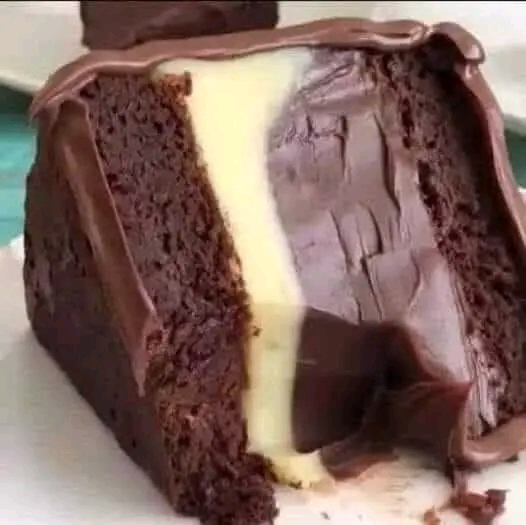
How to Make Old Fashioned Swiss Chocolate Cake Recipe

Introduction
An old‑fashioned Swiss chocolate cake evokes nostalgia: a moist, tender crumb, a smooth and rich chocolate frosting (or ganache), and a balance of chocolate intensity and sweetness. This cake leans on quality Swiss chocolate (or good chocolate), classic techniques, and timeless flavor. It’s a showpiece dessert that can be made for birthdays, holidays, special occasions—or simply when you crave a deeply satisfying chocolate cake.
In this guide you’ll learn:
- The background and what “Swiss chocolate” implies
- Ingredients and how to select them
- Equipment you need
- Detailed, step‑by‑step instructions for cake and frosting
- Tips to get the texture, richness, and consistency right
- Variations (gluten‑free, layered, with ganache, nut additions)
- Troubleshooting common issues
- Serving, storage, and presentation ideas
Let’s dive in.
Understanding “Swiss Chocolate” & Cake Philosophy
“Swiss chocolate” often refers to chocolate made in Switzerland or in that tradition—characterized by smoothness, fine conching, high milk solids or premium cocoa blends. Using Swiss chocolate (or a high quality chocolate) in your cake or frosting can elevate the flavor beyond using ordinary cocoa powder.
Some Swiss or European chocolate cake recipes (like Lindt’s “Swiss Classic Chocolate Cake”) involve melting chocolate (with butter and cream) and combining eggs, sugar, and minimal flour to create a dense, elegant cake. Others adapt classic chocolate layer cake frameworks but emphasize Swiss chocolate in frosting.
The “old fashioned” aspect means relying on timeless methods: creaming butter & sugar, melting chocolate gently, alternating dry & wet ingredients, and careful baking rather than relying heavily on chemical shortcuts or modern emulsifiers.
In many vintage chocolate cake recipes, the frosting or filling is just as important as the cake layers—glossy, chocolatey, with minimal fluff but maximum depth. For instance, Marcel Desaulniers’s “Old‑Fashioned Chocolate Layer Cake” uses melted chocolate, whipped egg yolks and whites, careful folding, and a rich frosting.
The goal: texture that is moist but not soggy; chocolate flavor that is full and smooth, not bitter or grainy.
Ingredients & Selection Guide
Below is a standard recipe outline. Quantities can be scaled, but follow the proportions carefully.
Cake Ingredients
- All‑purpose flour (or cake flour for lighter crumb)
- Granulated sugar
- Unsweetened cocoa powder (optional) or melted Swiss chocolate
- Baking powder and/or baking soda
- Salt
- Eggs (whole eggs, or yolks + whites separated depending on recipe)
- Milk or buttermilk
- Vegetable oil or unsalted butter (or a combination)
- Vanilla extract
- Boiling water or hot coffee (optional, to deepen chocolate flavor)
- Sour cream (optional, to add moistness)
For example, one version of “Old‑Fashioned Swiss Chocolate Cake” calls for 2 cups all‑purpose flour, 1½ cups sugar, ½ cup cocoa powder, 1 teaspoon baking powder, 1 teaspoon baking soda, ½ teaspoon salt, 2 large eggs, 1 cup milk, ½ cup vegetable oil, 2 tsp vanilla, 1 cup boiling water, and optional sour cream.
Frosting / Swiss Chocolate Frosting Ingredients
- High quality Swiss chocolate (chopped)
- Heavy cream
- Unsalted butter, softened
- Powdered sugar (sifted)
- Vanilla extract
- Pinch of salt
In the recipe from iamrecipes, for instance, the frosting uses 8 oz Swiss chocolate, ½ cup cream, ¼ cup butter, 1 tsp vanilla, plus powdered sugar and salt.
In other Swiss chocolate cake variants like Lindt’s, they melt chocolate, butter, cream together, then add sugar and eggs.
Notes on Ingredient Quality
- Use top‑quality chocolate for melting; lower grade chocolate may seize or taste flat.
- Use unsalted butter so you control the salt level.
- Fresh eggs at room temperature help with emulsification.
- Sift dry ingredients (flour, cocoa, baking powder/soda, salt) to remove lumps.
- If using cocoa powder and melted chocolate, be mindful of total chocolate mass vs dry cocoa.
Equipment & Prep
You’ll need:
- Two (or more) round cake pans (e.g. 8‑ or 9‑inch)
- Parchment paper to line bottoms of pans
- Mixing bowls
- Electric mixer (hand or stand)
- Whisk
- Rubber spatula
- Saucepan or double boiler (for melting chocolate)
- Measuring cups & spoons
- Sifter
- Cooling racks
- Offset spatula or butter knife (for frosting)
Before starting, preheat your oven, grease and line pans, sift dry ingredients, chop chocolate, and have all ingredients at ready.
Step‑by‑Step Instructions
Here is a detailed, classic approach combining best practices and wisdom from vintage recipes.
1. Preheat Oven & Prepare Pans
- Preheat oven to 350 °F (175 °C) or as the recipe directs.
- Grease the cake pans and line the bottoms with parchment paper for easier removal.
- Lightly flour the sides, tapping out excess.
2. Mix Dry Ingredients
- In a bowl, sift together flour, cocoa powder (if using), baking powder, baking soda, and salt.
- Set aside.
3. Melt Chocolate (if applicable)
- In a double boiler or heatproof bowl over simmering water, gently melt chopped Swiss chocolate with some butter or a portion of cream until smooth.
- Remove from heat and allow to cool slightly (not boiling).
Alternatively, if your recipe uses cocoa powder instead of melted chocolate, skip this step or just keep melted chocolate ready for frosting.
4. Cream Butter & Sugar (if using butter)
- In a mixing bowl, cream unsalted butter (or butter + oil) with granulated sugar until light and fluffy—about 2–3 minutes.
- Scrape down sides occasionally.
5. Add Eggs & Vanilla
- Add eggs one at a time, mixing well after each.
- Stir in vanilla extract.
- If using some sour cream or milk, incorporate here.
6. Alternate Dry Ingredients & Liquids
- Add dry ingredients in parts, alternating with milk (or buttermilk) or other wet ingredients.
- Mix on low speed, just until combined. Avoid overmixing.
- If your recipe includes boiling water or hot coffee, add it at the end. The batter will be thin; that’s okay. The hot liquid helps intensify chocolate flavor and gives a moist crumb.
7. Divide Batter & Bake
- Pour batter evenly into the prepared pans.
- Tap lightly to release air bubbles.
- Bake for 30–35 minutes (or as specified) until a toothpick or cake tester inserted in the center comes out clean or with a few moist crumbs.
In one version of the Swiss classic cake by Lindt, they suggest 35–40 minutes in a springform pan.
- Cool in pans for ~10 minutes, then invert onto cooling racks to cool fully.
8. Prepare the Swiss Chocolate Frosting
- Melt chopped chocolate with the cream (using double boiler or microwave bursts), stirring until smooth. Let cool to lukewarm.
- In another bowl, beat butter until creamy.
- Gradually beat in powdered sugar, a little at a time, alternating with the cooled chocolate mixture, until frosting is smooth and spreadable.
- Add vanilla and salt; adjust consistency with a bit of cream if too thick.
9. Assemble & Frost
- If needed, level cake tops with a serrated knife so layers sit flat.
- Place first layer on cake board or plate. Spread a layer of frosting.
- Place second layer, then frost top and sides with remaining frosting.
- Smooth frosting edges or use decorative swirls.
- Optionally, chill briefly to set frosting before slicing.
10. Serve & Enjoy
- Allow frosting to set a bit (15–30 min) before slicing.
- Use a clean, sharp knife and wipe between cuts.
- Serve at room temperature.
Full Example Recipe (Quantities)
Here is a sample recipe adapted from the iamrecipes version.
Ingredients
Cake
- 2 cups (240 g) all‑purpose flour
- 1½ cups (300 g) granulated sugar
- ½ cup (50 g) unsweetened cocoa powder
- 1 teaspoon baking powder
- 1 teaspoon baking soda
- ½ teaspoon salt
- 2 large eggs
- 1 cup (240 ml) whole milk
- ½ cup (120 ml) vegetable oil
- 2 tsp vanilla extract
- 1 cup (240 ml) boiling water
- (Optional) ½ cup sour cream
Swiss Chocolate Frosting
- 8 oz (225 g) Swiss chocolate, chopped
- ½ cup (120 ml) heavy cream
- ¼ cup (56 g) unsalted butter, softened
- 1 teaspoon vanilla extract
- 1 cup (120 g) powdered sugar (you may adjust for consistency)
- Pinch of salt
Directions
- Preheat oven to 350 °F (175 °C). Grease and line two 9‑inch round cake pans.
- In a medium bowl, sift flour, cocoa, baking powder, baking soda, and salt. Set aside.
- Melt chocolate with cream in a double boiler or microwave until smooth; allow to cool somewhat.
- In a large bowl, whisk eggs, milk, oil, and vanilla.
- Add dry ingredients gradually to wet ingredients, mixing until combined.
- Slowly pour in the melted chocolate (cooled) while stirring.
- Pour in boiling water gradually (batter will be thin), mix until uniform.
- Divide batter into the pans and bake 30–35 minutes, or until a toothpick comes out clean.
- Cool 10 minutes in pans, then invert to rack and cool completely.
- To make frosting: beat butter, then add melted chocolate mixture, then powdered sugar, vanilla, salt, adjust consistency.
- Frost and assemble layers, then slice and serve.
This gives a classic, reliable Swiss chocolate cake.
Tips, Tricks & Troubleshooting
Texture & Moistness
- The addition of hot water or coffee helps yield a moist crumb.
- Sour cream or buttermilk can improve tenderness.
- Do not overmix once combining dry and wet ingredients; that can produce a tough texture.
- Bake just until done—not a minute more—so the cake does not dry out.
Chocolate Flavor
- Use high quality Swiss chocolate (or European chocolate) for melting.
- If using cocoa powder + chocolate, balance quantities so the cake is deeply chocolatey but not dry.
- Use a touch of espresso or coffee (1 teaspoon) if you want to deepen the chocolate flavor—just a small amount won’t make the cake taste like coffee.
Frosting Consistency
- If the frosting is too thick, add a little more cream (a teaspoon at a time).
- If too thin, add a bit more powdered sugar, or chill it slightly to firm.
- Ensure melted chocolate is cooled somewhat before beating with butter/sugar, or it may melt the butter and become greasy.
Even Layers
- If cake domes (rises in the center), level them with a serrated knife before stacking.
- Tap pans gently before baking to release large air bubbles.
Oven Variability
- Check a few minutes before the end of baking time, since ovens vary.
- Use an oven thermometer if possible to ensure accurate temperature.
Crumbling & Clean Slices
- Chill the cake briefly (10 minutes) before cutting to reduce crumbling.
- Use a clean knife and wipe between slices.
- A warm knife (dipped in hot water and wiped dry) can help for cleaner cuts in richer frostings.
Storage
- Store cake in a cool place, covered or boxed to prevent drying.
- If stored in fridge, bring to room temperature before serving to let flavors open.
- This cake can be made a day ahead—the flavor often improves as layers rest and meld.
Variations & Enhancements
Here are many ways to adapt or elevate this old‑fashioned Swiss chocolate cake.
Layering & Filling
- Use a thin layer of chocolate ganache or melted chocolate between layers before frosting.
- Add fruit jam (e.g. cherry, raspberry) between layers for contrast.
- Use whipped cream + berries as a filling to lighten richness.
Ganache Drip or Glaze
- Make a ganache (chocolate + heavy cream) and pour over top or drip over edges before frosting fully.
- You can partially frost the sides and leave some of the ganache visible as decoration.
Nuts & Add‑Ins
- Fold in chopped toasted walnuts, hazelnuts, or pecans (careful not to disturb structure).
- Sprinkle chopped nuts or chocolate shavings on the top or sides.
Decoration
- Use chocolate curls, shavings, or curls of Swiss chocolate on top.
- Dust with cocoa or powdered sugar.
- Use edible gold leaf or cocoa dust patterns via stencil.
- For a vintage look, pipe simple rosettes or border swirls with a star tip.
Gluten-Free or Alternative Flours
- Substitute gluten‑free flour blends (be sure they include xanthan or other binder).
- Use almond flour for portions but reduce wetness accordingly.
Lighter or Lower-Sugar Version
- Use slightly reduced sugar (but be cautious, as sugar contributes structure and moisture).
- Use lighter cream or half cream + milk in frosting (though this can soften it).
- Use chocolate with slightly lower sweetness, and adjust sugar accordingly.
One‑Pan or Bundt Variation
- You can adapt the batter to bake in a bundt pan or single pan (adjust bake time).
- Use glaze instead of full frosting for easier finish.
Historical & Contextual Notes
While “Swiss chocolate cake” as a named style is not extremely common historically, Swiss chocolate (from makers like Lindt, Villars, Toblerone) has influenced many European chocolate dessert recipes. The Lindt “Swiss Classic Chocolate Cake” is a straightforward recipe that emphasizes melting chocolate, egg, sugar, and cream with minimal flour—typical of European chocolate tortes.
In Swiss chocolate cake variants, the chocolate and cream melt first, then eggs and sugar are added, creating a dense, fudgy interior. That method is reminiscent of classic European torte techniques, which rely less on flour and more on chocolate/egg interplay.
Also, Swiss culinary tradition places emphasis on quality ingredients (fine chocolate, good milk/fat, careful technique) rather than overcomplicated recipes. A well made, “old fashioned” approach fits that ethos.
Serving, Presentation & Pairings
- Serve slices with whipped cream, fresh berries, or a dusting of cocoa.
- Pair with strong coffee, espresso, or a dessert wine such as port or a rich red.
- For a contrast in texture, serve with a scoop of vanilla or coffee ice cream.
- Present on a cake stand; garnish with chocolate shavings or curls for drama.
When slicing, rotate cake so each guest gets even frosting and chocolate. Chill briefly to help neat cuts.