
Follow Me On Social Media!
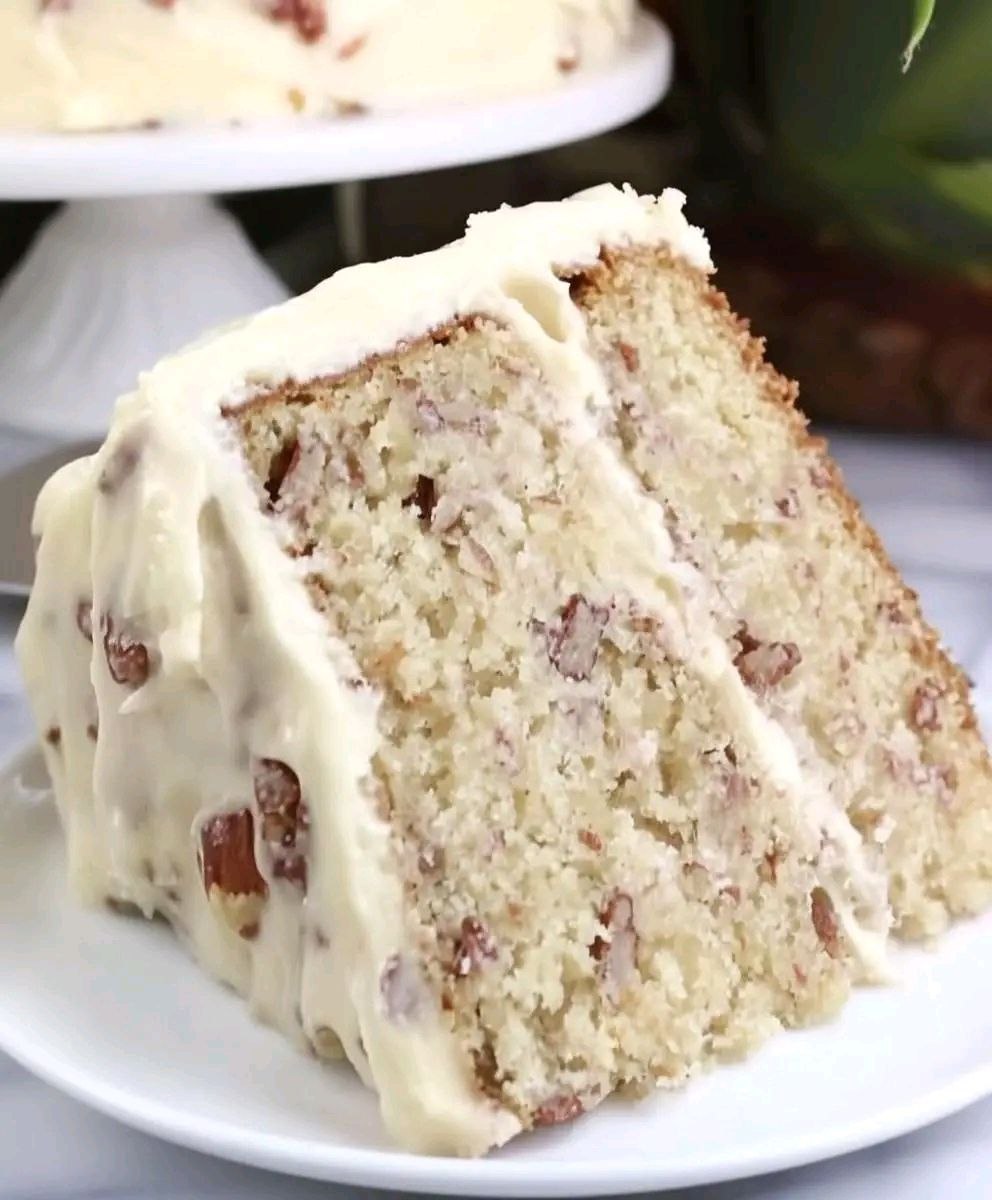
Italian Cream Cake

Introduction
Prepare to be enchanted by a dessert that is as rich in flavor as it is in history (or perhaps, delightful mystery!) – the magnificent Italian Cream Cake. This isn’t just any cake; it’s a celebration in every slice, a symphony of textures and tastes that will leave you yearning for more. Imagine a moist, tender crumb infused with the delicate sweetness of coconut and the earthy crunch of pecans, all enveloped in a cloud of tangy, luxurious cream cheese frosting. It’s a cake that commands attention, making it the perfect centerpiece for any special occasion, from birthdays to holiday gatherings, or simply when you desire an extraordinary treat.
Despite its evocative name, the Italian Cream Cake is a beloved Southern American classic, a testament to culinary creativity rather than direct Italian lineage. Its popularity stems from this unique combination of ingredients that come together to create a dessert that is both comforting and sophisticated. Each bite offers a delightful contrast: the airy lightness of the cake, the chewy texture of shredded coconut, the toasted depth of pecans, and the smooth, creamy embrace of the frosting. This cake isn’t just a recipe; it’s an experience, a moment of pure indulgence that promises to impress even the most discerning palates.
What truly sets the Italian Cream Cake apart is its harmonious blend of simple yet impactful flavors. The buttermilk in the batter contributes to an incredibly moist and tender crumb, while the inclusion of both coconut and pecans adds layers of texture and nutty sweetness that are utterly irresistible. The pièce de résistance, of course, is the decadent cream cheese frosting – a perfect foil to the cake’s richness, offering a slight tang that cuts through the sweetness and elevates the entire dessert. Get ready to bake a masterpiece that will undoubtedly become a treasured recipe in your own kitchen.
Nutritional Information
Per serving (approximate values):
- Calories: 550
- Protein: 7g
- Carbohydrates: 65g
- Fat: 30g
- Fiber: 2g
- Sodium: 350mg
Ingredients
For the Cake:
- 2 ½ cups all-purpose flour
- 1 teaspoon baking soda
- ½ teaspoon salt
- 1 cup (2 sticks) unsalted butter, softened
- 2 cups granulated sugar
- 5 large eggs, separated
- 1 cup buttermilk
- 1 teaspoon vanilla extract
- 1 cup shredded sweetened coconut
- 1 cup chopped pecans, toasted
For the Cream Cheese Frosting:
- 16 ounces (2 blocks) cream cheese, softened
- 1 cup (2 sticks) unsalted butter, softened
- 4 cups powdered sugar, sifted
- 1 teaspoon vanilla extract
- Pinch of salt
- ½ cup chopped pecans, toasted (for garnish, optional)
Instructions
For the Cake:
- Preheat your oven to 350°F (175°C). Grease and flour three 8-inch round cake pans, or line the bottoms with parchment paper and grease the sides.
- In a medium bowl, whisk together the all-purpose flour, baking soda, and salt. Set aside.
- In a large bowl, using an electric mixer, cream together the softened butter and granulated sugar until light and fluffy, about 3-5 minutes.
- Add the egg yolks one at a time, beating well after each addition until fully incorporated. Stir in the vanilla extract.
- Gradually add the dry ingredients to the wet ingredients, alternating with the buttermilk, starting and ending with the dry ingredients. Mix on low speed until just combined. Do not overmix.
- Fold in the shredded coconut and 1 cup of toasted chopped pecans.
- In a separate clean bowl, beat the egg whites with clean beaters until stiff peaks form. Gently fold the beaten egg whites into the cake batter until no streaks remain, being careful not to deflate the mixture.
- Divide the batter evenly among the prepared cake pans.
- Bake for 25-30 minutes, or until a wooden skewer inserted into the center of the cakes comes out clean.
- Remove the cakes from the oven and let them cool in the pans for 10-15 minutes before inverting them onto a wire rack to cool completely. Ensure cakes are entirely cool before frosting.
For the Cream Cheese Frosting:
- In a large bowl, using an electric mixer, beat the softened cream cheese and softened butter together until smooth and creamy, about 2-3 minutes.
- Gradually add the sifted powdered sugar, one cup at a time, mixing on low speed until combined, then increasing to medium speed until light and fluffy.
- Beat in the vanilla extract and a pinch of salt. Mix until the frosting is smooth and spreadable. If the frosting is too thick, you can add a tiny splash of milk or cream (1 teaspoon at a time). If it’s too thin, add a bit more sifted powdered sugar.
Assembling the Cake:
- Once the cake layers are completely cool, place one cake layer on your serving plate or cake stand. Spread about a third of the frosting evenly over the top.
- Place the second cake layer on top and spread another third of the frosting.
- Top with the third cake layer and spread the remaining frosting over the top and sides of the cake.
- If desired, gently press the remaining ½ cup of toasted chopped pecans onto the sides and/or top of the frosted cake for garnish.
- Refrigerate the cake for at least 30 minutes before slicing to allow the frosting to set.
Cooking Tips and Variations
Achieving the perfect Italian Cream Cake is all about attention to detail and understanding the role each ingredient plays. One of the most crucial tips for both the cake and the frosting is to ensure all your cold ingredients, especially the butter, eggs, and cream cheese, are at room temperature. This allows them to cream together smoothly and incorporate air effectively, leading to a much lighter cake batter and a lump-free, silky frosting. Cold butter and cream cheese will result in a clumpy texture that is difficult to work with and can affect the final consistency of your dessert. Plan ahead by taking these ingredients out of the refrigerator at least an hour or two before you begin baking.
When it comes to the cake layers, the biggest enemy is overbaking. An overbaked cake will be dry and crumbly, losing the signature moistness that defines a great Italian Cream Cake. Start checking for doneness a few minutes before the recommended baking time. A wooden skewer or toothpick inserted into the center should come out clean, perhaps with a few moist crumbs attached, but not wet batter. If you see wet batter, continue baking for a few more minutes and check again. Each oven bakes differently, so trust your instincts and your skewer over the clock alone. Cooling the cakes completely on a wire rack before frosting is also non-negotiable. Attempting to frost warm cakes will cause the frosting to melt and slide right off, creating a messy and unappealing result.
For the cream cheese frosting, sifting your powdered sugar is a small but mighty step that prevents lumps and ensures a super smooth, professional-looking finish. When beating the cream cheese and butter, make sure they are thoroughly combined and creamy before adding the sugar. If your frosting seems too thick, add a tiny bit of milk or heavy cream, just a teaspoon at a time, until you reach your desired consistency. Conversely, if it’s too thin, gradually beat in a little more sifted powdered sugar. Don’t be afraid to taste and adjust the sweetness; some prefer a tangier frosting, while others like it sweeter.
Toasting the pecans, both for the cake batter and for garnish, is a simple step that significantly enhances their flavor. Toasting brings out their nutty aroma and deepens their taste, adding another layer of complexity to the cake. You can do this quickly in a dry skillet over medium heat, stirring frequently until fragrant, or spread them on a baking sheet and toast them in the oven for a few minutes. Just be careful not to burn them!
Variations:
- Nut Alternatives: While pecans are traditional, walnuts can be a delicious substitute, offering a slightly different earthy flavor. For those with nut allergies, you can omit them entirely or replace them with toasted sunflower seeds or pumpkin seeds for a subtle crunch.
- Citrus Zest: Add the zest of one lemon or orange to the cake batter or frosting for a bright, refreshing counterpoint to the richness. This can add an unexpected and delightful lift to the overall flavor profile.
- Spiced Cake: Incorporate a teaspoon of ground cinnamon or a half teaspoon of nutmeg into the dry ingredients for a warmer, spicier cake, especially lovely during cooler months.
- Alcoholic Boost: For an adult twist, a tablespoon or two of rum, brandy, or a coffee liqueur can be added to the cake batter or brushed onto the cooled cake layers before frosting for added depth of flavor.
- Less Sweet Frosting: If you prefer a less sweet frosting, you can reduce the amount of powdered sugar by half a cup or even a full cup. Just taste as you go to ensure it’s still balanced with the tang of the cream cheese.
- Coconut Flakes: Instead of shredded coconut, you can use toasted coconut flakes for a more prominent coconut texture and flavor, especially as a garnish.
Storage and Reheating
Proper storage is key to maintaining the exquisite taste and moist texture of your Italian Cream Cake. Because it contains cream cheese frosting, which is dairy-based, the cake must be refrigerated. Once frosted, cover the cake loosely with plastic wrap or place it in an airtight cake carrier. Stored in the refrigerator, Italian Cream Cake will stay fresh and delicious for 3-5 days. The flavors actually tend to meld and deepen over time, often tasting even better the day after it’s made.
When you’re ready to serve, it’s generally recommended to bring the cake out of the refrigerator about 30 minutes to an hour before serving. This allows the cake layers to soften slightly and the frosting to reach a more palatable, creamy consistency, making it easier to slice and enhancing the overall eating experience. Serving it too cold can make the cake feel dense and the frosting stiff. However, some people prefer a firmer, chilled slice, so it ultimately comes down to personal preference.
If you have any unfrosted cake layers, they can be wrapped tightly in plastic wrap and then aluminum foil and frozen for up to 2-3 months. Thaw them in the refrigerator overnight before frosting. Frosted cake can also be frozen, though it’s best to freeze individual slices for easier portioning. Place slices on a baking sheet and freeze until firm, then wrap each slice tightly in plastic wrap and then foil. Frozen frosted slices can be stored for up to 1 month. To enjoy, simply unwrap and thaw in the refrigerator, then let them come to room temperature for about 15-30 minutes before serving.
Frequently Asked Questions
What is the difference between Italian Cream Cake and other coconut cakes?
The primary difference lies in the combination of key ingredients and the specific texture. While many coconut cakes simply feature coconut, Italian Cream Cake uniquely incorporates both shredded coconut and pecans into the batter, giving it a distinctive nutty and chewy texture alongside the coconut. Furthermore, the use of buttermilk in Italian Cream Cake contributes to an exceptionally moist and tender crumb that sets it apart from many standard coconut cakes. The classic pairing with a tangy cream cheese frosting is also a defining characteristic, whereas other coconut cakes might use a buttercream or a simpler glaze.
Can I make Italian Cream Cake ahead of time?
Absolutely! Italian Cream Cake is an excellent make-ahead dessert. In fact, many believe its flavors deepen and improve after a day or two in the refrigerator. You can bake the cake layers up to two days in advance, wrap them tightly, and store them at room temperature or in the refrigerator. The cream cheese frosting can also be made a day or two in advance and stored in an airtight container in the refrigerator; just let it come to room temperature and re-whip it briefly before frosting. Once assembled and frosted, the cake will keep beautifully in the refrigerator for 3-5 days, making it perfect for entertaining.
Why did my Italian Cream Cake turn out dry?
A dry Italian Cream Cake is most often a result of overbaking. Baking for too long at too high a temperature causes too much moisture to evaporate from the cake batter. To prevent this, always preheat your oven properly, use a reliable oven thermometer if you suspect your oven runs hot, and start checking for doneness a few minutes before the recipe’s minimum suggested baking time. A wooden skewer inserted into the center should come out clean, or with just a few moist crumbs attached, but never wet. Using room temperature ingredients and measuring flour correctly (spooning it into the measuring cup and leveling, rather than scooping directly) also contribute to a moist crumb.