Follow Me On Social Media!
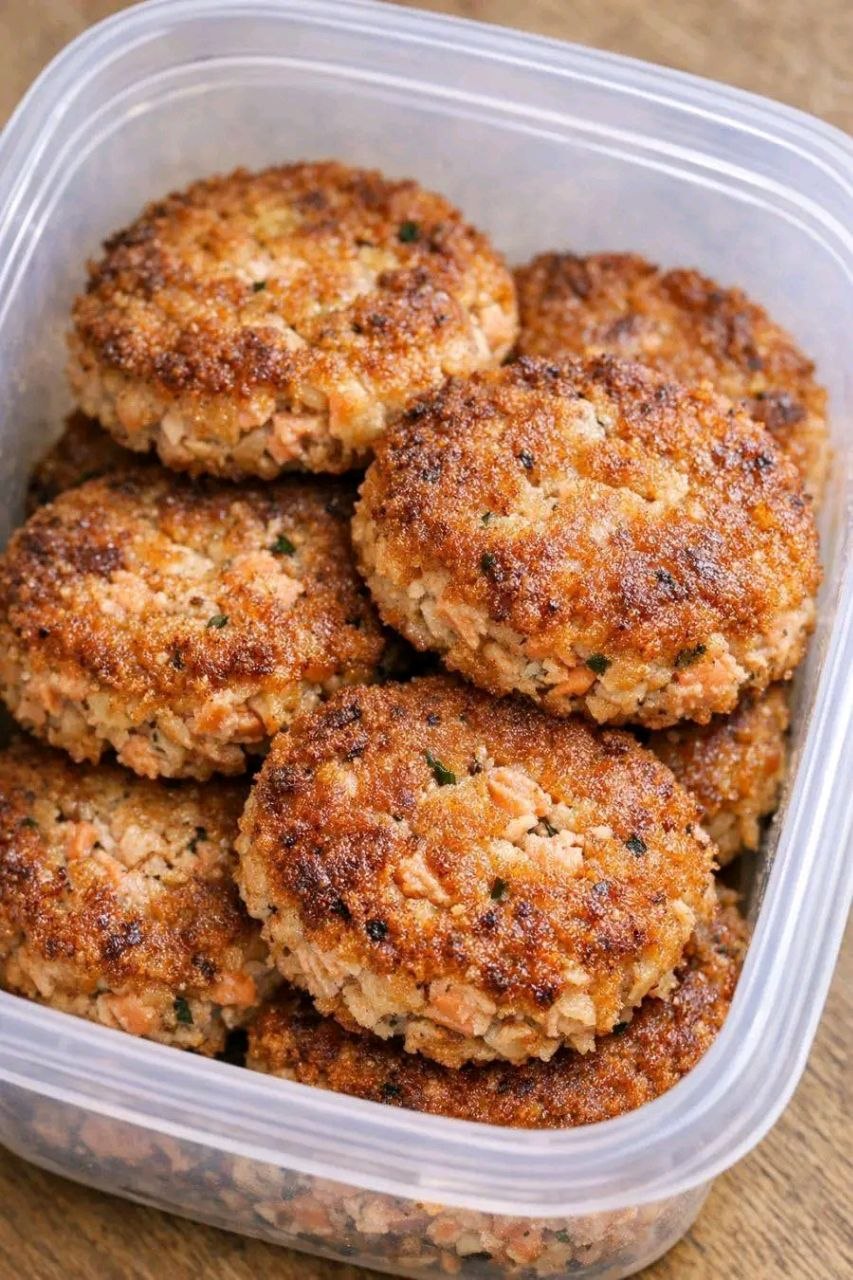
Low Carb Ingredient Salmon Patties

Introduction
Craving a quick, healthy, and incredibly satisfying meal that won’t derail your low-carb goals? Look no further than these fantastic Low Carb Ingredient Salmon Patties! These aren’t your grandma’s dry, breadcrumb-laden salmon cakes (though we love those too!). This recipe takes the classic comfort food and elevates it with smart, low-carb substitutions, making it a perfect fit for keto, gluten-free, or anyone simply looking to cut down on carbs without sacrificing flavor or satisfaction. Salmon patties, also known as salmon cakes or croquettes, have a long and storied history, often born out of necessity as a way to utilize canned salmon. They’ve been a staple in kitchens for generations, prized for their affordability, ease of preparation, and versatility. Our modern take keeps all the deliciousness while making them incredibly nutritious and diet-friendly.
What makes these salmon patties truly special is their ingenious use of low-carb ingredients to create that perfect texture and binding without relying on traditional flour or breadcrumbs. We’re talking about a rich, flaky interior packed with the goodness of omega-3 rich salmon, bound together just right, and sporting a beautifully golden, crispy exterior. They’re quick enough for a weeknight dinner, elegant enough to serve to guests, and a fantastic option for meal prepping, ensuring you have healthy, delicious protein on hand throughout the week. Forget complicated techniques or obscure ingredients; this recipe focuses on simple, wholesome components that come together to create a truly delicious and guilt-free meal.
These patties are not only incredibly easy to make, requiring minimal cooking skills and common pantry staples, but they also boast an impressive nutritional profile. Salmon, as we know, is a powerhouse of essential nutrients, and by ditching the high-carb fillers, we let its natural flavor and health benefits shine through. Whether you’re a seasoned low-carb enthusiast or just starting your journey, these salmon patties are destined to become a new favorite in your culinary repertoire. Get ready to enjoy a dish that’s bursting with flavor, packed with protein, and perfectly aligned with your healthy lifestyle!
Nutritional Information
Per serving (approximate values):
- Calories: 280
- Protein: 25g
- Carbohydrates: 4g
- Fat: 18g
- Fiber: 2g
- Sodium: 450mg
Ingredients
- 2 (6-ounce) cans wild-caught salmon, drained and flaked (ensure bones and skin are removed if desired)
- 1/2 cup almond flour
- 1 large egg, lightly beaten
- 2 tablespoons fresh parsley, finely chopped
- 1 tablespoon fresh dill, finely chopped
- 1 tablespoon Dijon mustard
- 1 teaspoon lemon juice
- 1/2 teaspoon onion powder
- 1/4 teaspoon garlic powder
- Salt and freshly ground black pepper to taste
- 2 tablespoons avocado oil or olive oil, for frying
- Lemon wedges, for serving
Instructions
- Prepare the salmon: Open the cans of salmon and drain them thoroughly. Transfer the drained salmon to a medium-sized mixing bowl. Using a fork, flake the salmon, making sure to remove any visible bones or skin if you prefer a smoother texture.
- Combine ingredients: To the flaked salmon, add the almond flour, lightly beaten egg, chopped fresh parsley, chopped fresh dill, Dijon mustard, lemon juice, onion powder, garlic powder, salt, and black pepper.
- Mix the patty mixture: Using your hands or a sturdy spoon, gently mix all the ingredients until they are well combined. Be careful not to overmix, as this can make the patties tough. The mixture should be moist enough to hold its shape but not overly wet. If the mixture seems too wet, add another tablespoon of almond flour. If it seems too dry, add an extra teaspoon of Dijon mustard or a splash of water.
- Form the patties: Divide the salmon mixture into 6 equal portions. Gently shape each portion into a patty, about 3/4-inch thick and 3-4 inches in diameter. Place the formed patties on a plate or baking sheet lined with parchment paper.
- Chill (optional but recommended): For best results and to help the patties hold their shape during cooking, cover the plate with plastic wrap and refrigerate the patties for at least 15-20 minutes. This step helps to firm them up.
- Heat the oil: Heat the avocado oil (or olive oil) in a large non-stick skillet over medium heat. Ensure the oil is hot but not smoking.
- Cook the patties: Carefully place the salmon patties into the hot skillet, making sure not to overcrowd the pan. You may need to cook them in batches.
- Fry until golden: Cook the patties for 4-6 minutes per side, or until they are beautifully golden brown and cooked through. The internal temperature should reach 145°F (63°C). Use a thin, wide spatula to carefully flip the patties to avoid breaking them.
- Drain excess oil: Once cooked, transfer the salmon patties to a plate lined with paper towels to absorb any excess oil.
- Serve immediately: Serve the Low Carb Ingredient Salmon Patties hot, garnished with fresh lemon wedges.
Cooking Tips and Variations
For achieving the perfect texture and browning, ensure your skillet is hot enough before adding the patties, but not so hot that the oil smokes. Medium heat is usually ideal. Don’t overcrowd the pan, as this can lower the oil temperature and lead to steaming rather than frying, resulting in less crispy patties. Cook in batches if necessary. When flipping, use a wide, thin spatula to support the entire patty and prevent it from breaking apart. If you find your patties are crumbling, the mixture might be too wet; try adding a little more almond flour. Conversely, if they’re too dry, a bit more egg or Dijon mustard can help.
To add a burst of fresh flavor, consider incorporating lemon zest into the patty mixture along with the lemon juice. For a touch of heat, a pinch of cayenne pepper or a dash of hot sauce can be added. Smoked paprika can lend a wonderful smoky depth. If you enjoy a bit of tang, a teaspoon of capers, finely chopped, would be an excellent addition. For an herb variation, chives or green onions can be used in place of or in addition to parsley and dill. If you don’t have fresh herbs, you can use dried, but reduce the quantity to about 1 teaspoon of each. For an extra binding boost, especially if you’re concerned about crumbling, a flax egg (1 tablespoon ground flaxseed mixed with 3 tablespoons water, allowed to sit for 5 minutes) can be used in addition to or in place of the egg, making this recipe even more plant-friendly.
These patties are incredibly versatile. While pan-frying delivers the best crispy exterior, you can also bake them for a lighter option. Preheat your oven to 375°F (190°C), lightly grease a baking sheet, and bake for 15-20 minutes, flipping halfway through, until golden and cooked through. This method might yield a slightly less crispy texture but is a great hands-off approach. Consider serving these with a simple side salad dressed with a lemon-herb vinaigrette, steamed green beans, roasted asparagus, or a dollop of low-carb tartar sauce or a spicy aioli. They also make fantastic sliders on lettuce wraps or as part of a larger low-carb bowl with cauliflower rice and avocado.
Storage and Reheating
These Low Carb Ingredient Salmon Patties are excellent for meal prepping and can be stored in the refrigerator for several days, or frozen for longer periods. To store in the refrigerator, allow the cooked patties to cool completely to room temperature. Place them in an airtight container, separating layers with parchment paper if stacking, to prevent them from sticking together. They will keep well for up to 3-4 days. They are delicious served cold, making them a great option for a quick lunch on the go.
For longer storage, these salmon patties freeze beautifully. Once completely cooled, arrange the patties in a single layer on a baking sheet and freeze until solid. Once frozen, transfer them to a freezer-safe airtight container or a heavy-duty freezer bag, again using parchment paper between layers to prevent sticking. Properly stored, they can be kept in the freezer for up to 2-3 months. Thaw frozen patties overnight in the refrigerator before reheating.
When it comes to reheating, there are several good options to maintain their delicious texture. To reheat in the oven, preheat to 350°F (175°C) and place the patties on a baking sheet. Heat for 10-15 minutes, or until warmed through and slightly crispy. If reheating in a skillet, add a little oil to a non-stick pan over medium heat and cook for 2-3 minutes per side, until hot and lightly re-crisped. The air fryer is also a fantastic option for reheating; place patties in a single layer in the air fryer basket and cook at 350°F (175°C) for 5-7 minutes, flipping halfway, until heated through and crispy. Avoid reheating in the microwave, as it can make the patties rubbery and less appealing in texture.
Frequently Asked Questions
Can I use fresh salmon instead of canned?
Absolutely! If using fresh salmon, you’ll need about 12 ounces of cooked salmon. Bake or pan-sear the salmon until cooked through, then let it cool slightly before flaking it with a fork. Ensure any skin and bones are removed. Using fresh salmon will often result in an even richer flavor and texture.
What can I use if I don’t have almond flour?
While almond flour is ideal for its low-carb and binding properties, you could potentially use a small amount of coconut flour (start with half the amount of almond flour, as it’s very absorbent) or even crushed pork rinds (pork panko) as a low-carb binder. Each will impart a slightly different flavor and texture, so adjust accordingly.
Can these be made ahead of time?
Yes, these patties are excellent for making ahead! You can prepare the mixture, form the patties, and store them uncooked in the refrigerator for up to 24 hours. Just cover them tightly with plastic wrap. When ready to cook, proceed with pan-frying as directed. This makes them perfect for busy weeknights.
How do I prevent the patties from falling apart while cooking?
The key to preventing crumbling is ensuring the mixture isn’t too wet and that you’ve used a good binding agent (like the egg and almond flour in this recipe). Chilling the formed patties for at least 15-20 minutes before cooking also helps them firm up and hold their shape better. When cooking, ensure the oil is hot enough, and use a gentle hand and a wide spatula when flipping.