Follow Me On Social Media!
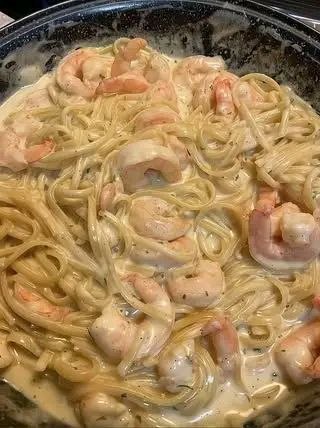
One Pan Shrimp Fettuccine Alfredo

Introduction
Imagine a dish that’s rich, creamy, utterly satisfying, and comes together in a single pan, leaving you with less cleanup and more time to savor every bite. That, my friends, is the magic of One Pan Shrimp Fettuccine Alfredo. This isn’t just another pasta dish; it’s a weeknight warrior, a comfort food champion, and a testament to how effortlessly delicious homemade meals can be. We’re talking tender, plump shrimp swimming in a velvety garlic-Parmesan sauce, all coating perfectly al dente fettuccine, and the best part? It all happens in one pot, transforming your kitchen into an Italian trattoria without the mountain of dishes.
This recipe takes the beloved classic Alfredo — known for its luxurious texture and incredible flavor — and elevates it with succulent shrimp, while dramatically simplifying the cooking process. No separate pots for pasta, no endless stirring of the sauce in another pan. Everything melds together beautifully, infusing the pasta and shrimp with deep, harmonious flavors from the very start. It’s perfect for busy families, individuals craving a gourmet meal without the fuss, or anyone who just loves the idea of a quick, satisfying seafood pasta that tastes like it took hours to prepare.
Get ready to embrace the ultimate in convenience and flavor. This One Pan Shrimp Fettuccine Alfredo is about to become your new go-to recipe, proving that sometimes, the simplest methods yield the most spectacular results. So grab your largest skillet, because dinner is about to get a whole lot easier and a whole lot more delicious!
Nutritional Information
Per serving (approximate values):
- Calories: 680-750
- Protein: 35-40g
- Carbohydrates: 60-65g
- Fat: 35-40g
- Fiber: 3-5g
- Sodium: 800-1000mg
Ingredients
- 1 tablespoon olive oil
- 1 tablespoon unsalted butter
- 1 pound large shrimp, peeled and deveined (tails on or off, your preference)
- 4 cloves garlic, minced
- 1 teaspoon dried Italian seasoning
- 1/2 teaspoon salt, plus more to taste
- 1/4 teaspoon black pepper, freshly ground, plus more to taste
- 12 ounces fettuccine pasta, uncooked
- 4 cups chicken broth (low sodium recommended)
- 1 1/2 cups heavy cream
- 1 cup freshly grated Parmesan cheese, plus more for serving
- 1/4 cup fresh parsley, chopped, for garnish
- Optional: Red pepper flakes for a touch of heat
- Optional: Lemon zest for brightness
Instructions
- Pat the shrimp dry with paper towels. Season the shrimp with 1/4 teaspoon salt and 1/8 teaspoon black pepper.
- Heat the olive oil and butter in a large, deep skillet or Dutch oven over medium-high heat. Once the butter is melted and sizzling, add the seasoned shrimp in a single layer.
- Cook the shrimp for 1-2 minutes per side, until pink and opaque. Do not overcrowd the pan; cook in batches if necessary. Remove the cooked shrimp from the pan and set aside on a plate.
- Reduce the heat to medium. Add the minced garlic to the same pan (no need to clean it) and cook for 30 seconds to 1 minute, until fragrant, being careful not to burn it.
- Stir in the dried Italian seasoning, remaining 1/4 teaspoon salt, and 1/8 teaspoon black pepper. Cook for another 30 seconds.
- Pour in the chicken broth and heavy cream. Bring the mixture to a gentle simmer, scraping up any browned bits from the bottom of the pan with a wooden spoon.
- Add the uncooked fettuccine pasta to the simmering liquid, spreading it out as much as possible. It’s okay if some of the pasta isn’t fully submerged initially; it will soften as it cooks.
- Reduce the heat to medium-low, cover the pan, and simmer for 8-10 minutes, stirring occasionally to prevent the pasta from sticking and to ensure even cooking. The pasta should be al dente. If the sauce becomes too thick before the pasta is cooked, add a splash more broth or water. If it’s too thin, remove the lid for the last few minutes of cooking to allow some liquid to evaporate.
- Once the pasta is cooked to your desired tenderness and most of the liquid has been absorbed, remove the pan from the heat.
- Stir in the 1 cup of freshly grated Parmesan cheese until it’s fully melted and the sauce is smooth and creamy.
- Return the cooked shrimp to the pan and gently toss with the pasta and sauce to combine and heat through.
- Taste and adjust seasoning as needed. If desired, stir in a pinch of red pepper flakes or a dash of lemon zest.
- Serve immediately, garnished with fresh chopped parsley and extra grated Parmesan cheese.
Cooking Tips and Variations
- Don’t Overcook the Shrimp: Shrimp cook very quickly. Overcooked shrimp become rubbery and tough. Cook just until pink and opaque, then remove them from the pan. They will finish cooking when added back to the hot pasta at the end.
- Freshly Grated Parmesan is Key: Pre-grated Parmesan often contains anti-caking agents that can make your sauce gritty or oily. Freshly grated Parmesan melts beautifully and provides the best flavor and texture.
- Adjust Sauce Consistency: If your sauce is too thick, stir in a tablespoon or two of warm water, milk, or extra chicken broth until it reaches your desired consistency. If it’s too thin, let it simmer uncovered for a few more minutes, stirring, until it thickens. The sauce will also thicken slightly as it cools.
- Pasta Doneness: Keep an eye on the pasta. The cooking time for fettuccine can vary. Stir occasionally to prevent sticking and ensure even cooking. You want it al dente – firm to the bite.
- Add a Splash of White Wine: For an extra layer of flavor, deglaze the pan with 1/4 cup of dry white wine (like Pinot Grigio or Sauvignon Blanc) after cooking the garlic and before adding the broth and cream. Let it simmer for a minute to reduce slightly before proceeding.
- Spice It Up: If you love a little heat, add a pinch of red pepper flakes along with the garlic and Italian seasoning.
- Vegetable Boost: Enhance the nutritional value and texture by adding some vegetables. Sautéed mushrooms, spinach (stir in at the very end until wilted), or sun-dried tomatoes (chopped) would be delicious additions.
- Lemon Zest for Brightness: A little lemon zest (about 1/2 teaspoon) stirred in at the end can brighten up the rich sauce beautifully.
- Different Pasta Shapes: While fettuccine is traditional for Alfredo, this recipe works with other long pastas like linguine or even shorter, sturdy shapes like penne or rigatoni. Adjust cooking time as needed.
- Herb Alternatives: If you don’t have Italian seasoning, a mix of dried oregano, basil, and thyme will work. Fresh herbs like basil or chives can also be used as a garnish.
Storage and Reheating
Leftover One Pan Shrimp Fettuccine Alfredo can be stored in an airtight container in the refrigerator for up to 2-3 days. Due to the cream and shrimp, it’s best consumed fresh, but it reheats well with a few tips.
To reheat, the best method is gently on the stovetop. Add the leftovers to a skillet with a splash of milk, cream, or chicken broth (about 1-2 tablespoons per serving). Heat over medium-low heat, stirring frequently, until warmed through and the sauce is creamy again. Avoid high heat, as it can cause the sauce to separate or the shrimp to become tough. You can also microwave individual portions, heating in 30-second intervals and stirring in between, adding a splash of liquid if needed, until hot. Be mindful that shrimp can become a bit chewier upon reheating.
Frequently Asked Questions
What kind of shrimp should I use?
We recommend using large (21/25 count) or jumbo (16/20 count) shrimp, peeled and deveined. You can choose shrimp with tails on or off; tails on often look nicer for presentation, but tails off are easier to eat. Fresh or frozen shrimp both work great, just ensure frozen shrimp are fully thawed before cooking.
Can I make this recipe ahead of time?
While you can prep ingredients ahead (mince garlic, grate cheese, thaw shrimp), this dish is truly best enjoyed immediately after cooking. The pasta will continue to absorb sauce and swell as it sits, and the shrimp can become tougher upon reheating. For the freshest taste and texture, cook and serve right away.
My sauce is too thin/too thick. What should I do?
If your sauce is too thin, remove the lid during the last few minutes of cooking and allow it to simmer gently to reduce and thicken. If it’s too thick, simply stir in a tablespoon or two of warm water, milk, or chicken broth until you reach your desired consistency. Remember, the sauce will thicken slightly as it cools.
Can I substitute the heavy cream?
Heavy cream provides the richest and most stable Alfredo sauce. While you can try substituting with half-and-half or whole milk for a lighter version, the sauce may not be as thick or creamy and might be more prone to separating. We do not recommend using low-fat milk varieties as they will result in a very thin sauce.