
Follow Me On Social Media!
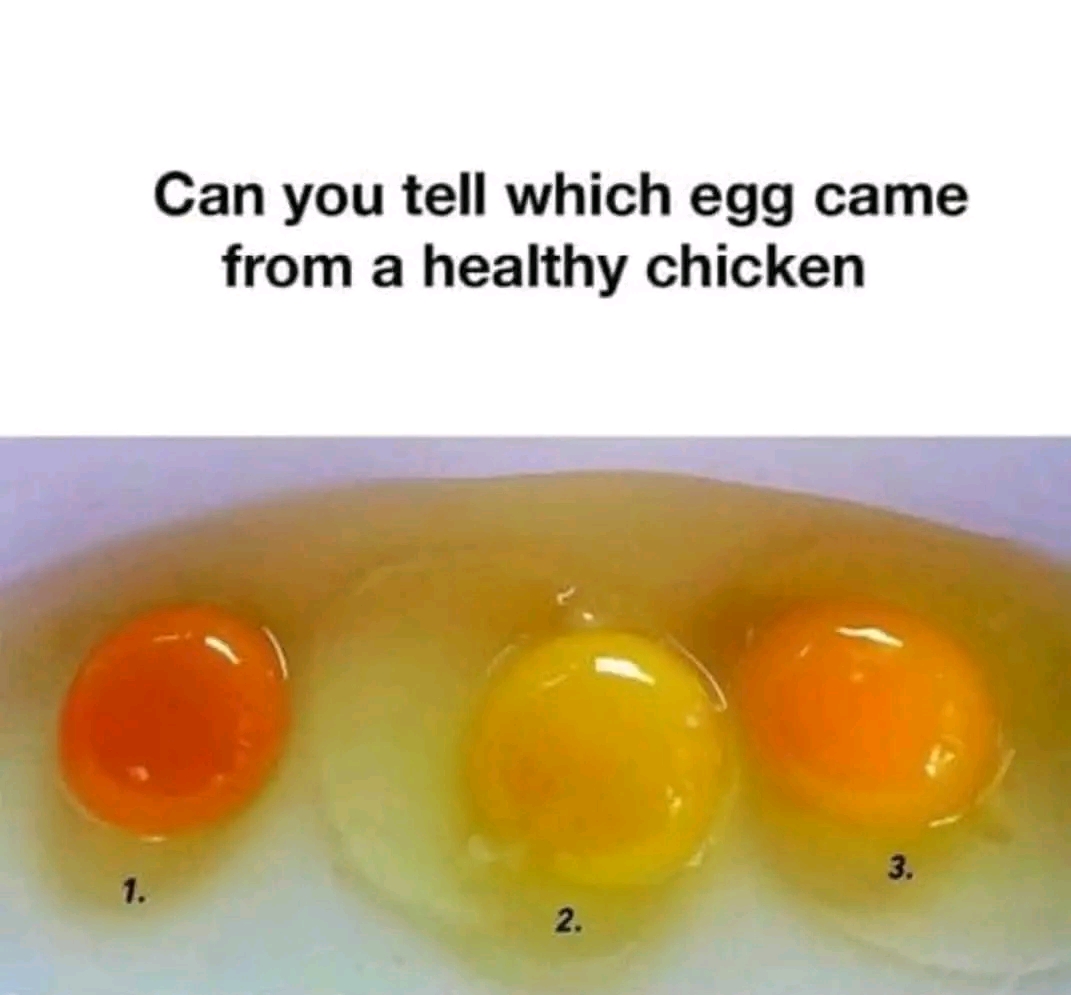
Which Egg Came from a Healthy Chicken

Introduction
Selecting the right eggs means more than just picking a carton off the shelf—it means understanding whether the egg indeed came from a healthy chicken. A hen that is well‑nourished, well‑cared for, and raised in appropriate conditions will often lay eggs that are higher in quality, better in taste, and potentially richer in beneficial nutrients. In this long‑form article we will explore what it means for an egg to come from a healthy chicken, the key signs you can look for, how farming systems influence egg quality, what labels actually tell you (and what they don’t), how to inspect and test eggs at home, what nutrition differences may exist, and how to make informed choices when buying eggs. By the end you’ll have a clearer idea of “which egg came from a healthy chicken” and how to identify better‑quality eggs at home or in the store.
Why it matters: Healthy hens, better eggs
The condition of the laying hen plays a significant role in the quality of the egg produced. Hens that are stressed, poorly fed, under‑housed, or diseased can lay eggs with weaker shells, thinner whites, pale yolks, or sub‑optimal nutrition. Conversely, hens that have balanced diets, access to appropriate housing or pasturing, good health and minimal stress tend to lay eggs with robust shells, firm albumen (egg white), richer yolks, and potentially more nutrients. For example, one feed company notes that when hens are given an omega‑3 fortified feed, the eggs laid show significantly higher omega‑3 fatty acids compared to conventional eggs. Research into different farming systems (intensive vs extensive) show measurable differences in shell weight, egg weight, and other quality traits. Beyond mere taste, choosing eggs from healthier chickens also supports better animal welfare, reduces food‑safety risk (hens in better health are less likely to transmit illness), and potentially gives higher nutritional value. But it is not straightforward: not all labels mean what consumers think, and some visual cues can be misleading. Understanding the indicators is key.
Farming systems, hen welfare, and egg quality
When we talk about “healthy chicken” we must consider the hen’s environment, diet, health status, housing and husbandry. Large‑scale studies show that eggs from organic or free‑range systems may have some superior qualities, though the differences are not always dramatic or consistent. For example a comparative assessment found that eggs from extensive systems (more outdoor access, less intensive housing) had greater shell weight and slightly better physical quality vs intensive systems. Meanwhile, safety‑assurance programs such as Canada’s Start Clean – Stay Clean® ensure that eggs are produced under strict on‑farm food‑safety and care protocols, raising the baseline of “healthy eggs”.
Housing labels matter: “cage‑free”, “free‑range”, “pasture‑raised” all attempt to reflect some level of welfare—but consumer interpretation often exceeds what the label guarantees. For instance, in the U.S., “free‑range” requires the hen have access to the outdoors, but the definition of “access” is minimal and not always verified.
Diet matters: Hens that have access to diverse forage, insects, healthy grains, and proper mineral intake will lay eggs with better shell quality and internal structure. For example, one feed supplier states that hens fed an omega‑3 rich feed laid eggs with “at least 250 mg of omega‑3 fatty acids” compared to conventional eggs with ~50 mg.
Thus when you look for signs of eggs from a healthy chicken, you are indirectly looking at the outcome of housing + diet + health + harvest handling.
Key visual and sensory indicators that may suggest an egg came from a healthy chicken
Here are several practical signs you can look for when evaluating eggs—bearing in mind none are 100% foolproof but together they build confidence that the hen was well‑treated and well‑fed. Based on expert and consumer‑oriented guides.
1. Strong, intact shell that feels firm
A shell that is thick, resistant to easy cracking or crushing, indicates the hen had sufficient calcium and mineral nutrition, and that her bone and eggshell production systems are working well. A brittle shell or one that cracks easily may suggest the hen was under nutritional stress or housed poorly.
In addition, a good shell helps preserve freshness and protect from microbial intrusion. One study links shell weight and quality with the hen’s environment and age.
2. Yolk color that is rich (but not the only indicator)
Many buyers look for deep orange yolks, which often suggest a diet rich in carotenoids (from greens, bugs, foraged plants) and more varied feed. Consumer guides list “deep orange yolk” as a sign of superior quality.
However, a caution: orange yolk does not always mean the hen was free‑ranging or that the egg is from a healthy chicken—feed additives for color can affect yolk color. One review says: “The color of egg yolks … often leads to assumptions about the quality … but the color primarily reflects the chicken’s diet … not necessarily pasture access or welfare”.
Therefore, yolk color is one clue—but must be considered with others.
3. Thick, firm albumen (egg white) and a well‑supported yolk when cracked
A fresh, quality egg from a healthy hen will show a thick, somewhat opaque (or cloudy) albumen and a yolk that stands up (doesn’t flatten quickly) when cracked into a dish. If the white is watery, very runny, or the yolk collapses, it may indicate older egg or a hen under stress/poor diet. Guides say firm & cloudy egg white is one sign.
Cloudiness results from CO₂ and other gases in very fresh eggs; as eggs age, whites thin out. While age matters, the original condition of the hen and how the egg was handled also matter.
4. Clean, uncracked shell with natural bloom and minimal blemishes
A shell that is clean, free from heavy soiling, and shows a slight sheen (the natural “bloom” or cuticle) suggests good coop hygiene and minimal damage/contamination risk. A dirty or heavily soiled shell might indicate the hen lived in crowded or unsanitary conditions. Consumer guides highlight “glossy, clean shell appearance” as a sign.
While external cleanliness doesn’t guarantee health of the hen, it is part of the overall picture.
5. Float test / freshness check
While this is more about freshness than hen health, freshness ties into how recently the egg was laid and how well it was handled, which in turn can reflect competence of the farm. The float test: if the egg sinks and lies flat on its side in a bowl of water, it’s very fresh; if it stands upright or floats, it is older.
Eggs laid by healthy hens and handled properly tend to be fresher when you buy them—which enhances many of the other visual/sensory cues.
6. Taste and texture differences
People who compare eggs from well‑raised hens with standard eggs often note the better eggs taste creamier, less sulfurous, more “egg‑forward” rather than “metallic” or flat. One guide mentions “rich, creamy taste” as a hallmark of eggs from healthy hens.
While taste is subjective and influenced by cooking method, if you can do side-by-side comparisons you may perceive a difference.
What labels and claims actually tell you (and what they don’t)
When purchasing eggs from a store or market, you’ll see labels such as “organic”, “free‑range”, “pasture raised”, “cage‑free”, “omega‑3 enriched”, “vegetarian fed”, etc. These labels attempt to inform—but they vary in meaning, regulation, and value. Understanding them helps you evaluate how likely it is your egg came from a healthy chicken.
Organic
Organic eggs mean the hens were fed certified organic feed, not given synthetic pesticides or GMOs (depending on region), and certain practices must be followed. However organic does not always guarantee outdoor access, pasture time, or superior welfare. There can still be large‑scale indoor operations under “organic”. Nutritional differences are modest. One report found eggs from organic farms had “slightly better” physical quality vs caged systems.
Free‑range / Pasture raised
Free‑range typically means the hens have some access to outdoor areas, while pasture raised implies more extensive outdoor access and foraging behaviour. The reality is variable: definitions differ by country, enforcement varies, and “pasture” may be minimal in some operations. Academically, there is evidence that more extensive systems yield somewhat better egg quality (shell weight, etc) but the differences are not huge or consistent across all nutritional metrics.
Thus free‑range/pasture raised + transparent farm practices increase the probability of a healthy hen—but are not guarantees.
Omega‑3 enriched / Enhanced nutrition
Some eggs are marketed as enriched with omega‑3 fatty acids, vitamin D, or other nutrients. This is achieved by adjusting the hen’s feed (e.g., flaxseed, kelp). For example, Rosemary Farm’s “free‑range healthy” eggs claim 5× more vitamin D and 2× more choline, achieved via special feed ingredients. While nice, this speaks more to diet than to entire welfare environment of the hen.
Humane / Animal‑welfare certification
Third‑party certifications (Certified Humane, Global Animal Partnership, Animal Welfare Approved) indicate the hen’s welfare and housing meet specified standards beyond standard industry. So eggs with such certifications raise the likelihood the hen was healthier and better‑treated. The major takeaway: check labels, but don’t assume that a specific label ensures everything—look for transparency and credible certification.
Date, grading, handling labels
Look for “Grade A”, “Grade AA”, etc (depending on region). Proper handling, labelling, storage and transport all affect freshness and quality. Even an egg from a healthy chicken can deteriorate in handling, reducing quality. For example, the Cleveland Clinic article suggests labels matter for processing and quality, but nutritional differences between welfare‑based labels and conventional eggs may be small.
In short: labels help but don’t replace observation of physical and sensory signs.
How to inspect eggs at home and test for quality
Once you bring eggs home, you can apply several simple checks to assess whether you likely have a higher‑quality egg (i.e., from a healthy hen) and also maintain its freshness.
A. Inspect the carton and shell
Look for clean, intact shells with minimal cracks or chips. Carton should have date/packaging information, and ideally note “farm fresh”, “pasture raised”, or similar trusted sourcing info. Check whether the eggs are stored properly in the store (refrigerated where required).
If you have access to local farm‑eggs or eggs direct from a coop, check for cleanliness and how the hens are housed/foraging.
B. Do the float or water test
Fill a bowl with cool water. Gently place the egg into the water:
- If it sinks and lies flat => very fresh.
- If it sinks but stands upright => still good but older.
- If it floats => likely old and air cell in the egg has enlarged (not necessarily from unhealthy hen but from age/poor storage).
While this test doesn’t tell about the hen’s health, it helps remove eggs that have lost quality and thus mask other indicators.
C. Crack the egg into a clear dish
When cracked:
- Observe the yolk: does it sit up dome‑like and have good height or is it flat?
- Observe the white (albumen): is there a thick “firm” portion decently around the yolk or is it very runny and spreading?
- Observe the shell interior (if you saved the shell): how distinct is the membrane and how intact is the shell after cracking?
A fresh egg from a healthy hen tends to have a yolk that is fairly well‑supported and a white that has a firmer portion. If the egg is very old, the white will be thin and runny. If the hen was under stress or poorly fed, shell membranes may be weaker, etc.
D. Cook and taste test
If you cook the egg (fried or boiled), notice how the yolk looks: richer colour may suggest better diet, although as noted earlier colour alone is not definitive. Notice if the white and yolk texture seem firm and rich or watery and weak. While subjective, you may note flavour differences between high‑quality eggs and conventional ones.
E. Storage and freshness matter
Even a high‑quality egg will degrade if handled poorly. Store eggs in the refrigerator (or according to local guidelines). Use them sooner rather than later. An egg from a good hen is only as good as how it’s handled from farm to table.
Common misconceptions and caveats
When trying to pick eggs from healthy chickens, some common myths can mislead you.
1. Deep orange yolk = guarantee of better egg
As referenced earlier, while deeper yolk colour often correlates with better diet (greens, foraging), feed manufacturers often add pigments (marigold, alfalfa, etc) to chicken feed to produce orange yolks even in indoor systems. So colour alone does not guarantee outdoor access or better welfare.
2. Brown shell = higher nutrition
Shell colour is determined by hen breed genetics and does not indicate better nutrition or diet. Whether brown or white, an egg’s nutritional value depends on diet, environment and handling—not shell colour.
3. “Cage‑free” always means pasture access
Cage‑free may simply mean no cages indoors, but hens may still have minimal space. Pasture access and foraging are much stronger welfare indicators. The label alone may not mean what the consumer envisions.
4. Older eggs = from unhealthy hens
Not necessarily. Age and storage conditions will degrade quality regardless of hen health. A very fresh egg from a healthy hen gives the best indicators. Always combine freshness with hen‑health indicators.
5. Nutritional differences are massive
While diet and hen welfare can affect some nutrient levels (omega‑3s, vitamin D, etc), many studies show only modest differences between commercial eggs and “premium” eggs in some nutritional metrics. So don’t assume “premium label” = dramatic nutrients, but the value may be in other factors (taste, welfare, freshness).
Putting it all together: Checklist for “which egg came from a healthy chicken”
Here’s a combined checklist you can mentally run through (or even physically) to evaluate an egg or carton:
- Is the carton labelled with meaningful welfare or environmental information (pasture‑raised, certified humane, farm name)?
- Is the shell clean, intact, reasonably firm/thick?
- On cracking: is the yolk full, well‑shaped, firm? Is the white reasonably thick (not ultra‑runny)?
- Does the yolk colour appear rich (though colour alone is not definitive)?
- Does the egg smell fresh and look unspoiled?
- Was the egg handled and stored properly (refrigeration if required, proper date on carton)?
- Does the supplier or farm provide transparency (e.g., hen diet, foraging access, outdoor access)?
- If you cook it, does the flavour/texture compare favourably with more standard eggs?
- How fresh is the egg (use date, float test, inspection)?
If you get “yes” to most of these, the egg is highly likely to have come from a healthier‑treated chicken than an average commercial egg.
Why some eggs from healthy hens may cost more
Raising hens under more welfare‑friendly conditions (pasture access, varied diet, lower stocking density) and managing feed more carefully (to yield omega‑3 enriched eggs etc) raises costs. Many producers charge a premium for these eggs. When you pay more, you are paying for the farming system, diet, transparency and maybe freshness—part of which contributes to the “healthy chicken” scenario.
Additionally, transporting fresher eggs, smaller farms, and local sourcing can add cost. When you understand the link between hen health and egg quality, you may view the extra cost as paying for improved welfare and likely better product.
How to make more informed purchases and questions to ask
Whether at a farmers’ market or grocery store, asking the right questions or reading labels critically helps.
Questions to ask the farmer or supplier:
- What is the diet of your hens (grain only, supplemented with forage/insects)?
- Do the hens have access to outdoor pastures? If yes, how much and how often?
- What is the housing density and coop environment?
- How soon after laying are the eggs collected and sold?
- Are there any added feed supplements (omega‑3, kelp, etc)?
- How are the eggs stored and handled before sale?
These questions help you gauge how likely it is that the egg came from a healthy chicken.
What to look for on labels/cartons:
- Certification logos (e.g., Certified Humane, Animal Welfare Approved)
- “Pasture‑raised” or clearly described outdoor access
- “Omega‑3 enriched” or “vitamin D enhanced” (if diet manipulated)
- Farm name or transparency (smaller farms often show more detail)
- Use/pack date or code so you can estimate freshness
- Clean shell appearance and proper carton storage
Buying strategy:
- When possible buy from local farms where you can inspect hen environment.
- Rotate eggs so older cartons are used sooner.
- Prioritize freshness—eggs from healthy hens will degrade like any egg if old.
- Don’t rely on shell colour or single label claims—use multiple indicators.
Nutritional and health benefits of eggs from healthier‑raised hens
While many nutrients are present in all eggs (protein, B‑vitamins, choline, vitamin D, etc) there can be small but meaningful differences when hens have a better diet or more natural environment. Some documented benefits:
- Eggs from hens fed omega‑3 enriched diets show elevated omega‑3 fatty acid content vs conventional eggs.
- Access to sunlight and good diet may increase vitamin D levels in eggs (studies found hens with sun exposure had eggs with up to 4× higher vitamin D than those indoors).
- Improved shell quality and internal egg structure (better albumen height, stronger yolk membrane) may relate to better hen health and well‑balanced diet.
- Eggs from healthier systems may reduce risk of contamination (e.g., salmonella) although good processing and hygiene are also essential. According to egg‑farm safety programs such as Start Clean‑Stay Clean®, egg farmers follow protocols to produce safe eggs.
Thus, while the “healthier hen” egg is not a guaranteed super‑food, you are likely getting incremental benefits in freshness, structure, taste, and possibly nutrient profile.
Limitations and things to keep in mind
- Even eggs from very healthy hens will degrade over time if wrongly stored.
- Some claims are marketing‑led: e.g., yolk colour can be manipulated by feed additives rather than foraging.
- Studies on nutritional differences often show modest magnitude—so don’t expect dramatic leaps in nutrition simply because an egg is pasture‑raised.
- Housing system alone is not the full picture—diet, health, handling, breed, age of hen all matter.
- Certifications and labels vary by country and oversight may differ. Always use judgment.
- The best indicator is a combination of sourcing transparency + visual/sensory checks + freshness.
Summary
“Which egg came from a healthy chicken?” is a question consumers increasingly ask—and rightfully so. A healthy hen is more likely to produce an egg with a robust shell, firm white, well‑shaped yolk, and better taste and possibly higher nutrient content. To evaluate this, you can rely on a combination of signs such as shell strength, yolk colour (with caution), albumen texture, and freshness. You should also examine labels, ask questions about diet and housing, and buy from trusted sources when possible. While no single sign will guarantee perfection, the more of the checklist you can satisfy the greater the likelihood you’re selecting an egg from a healthier, more well‑treated hen. In doing so you support better animal welfare, fresher quality and potentially better nutrition. The next time you crack an egg, you’ll have insight into what lies behind the shell—and whether it likely came from a healthy chicken making a quality contribution to your breakfast or your cooking.
If you like, I can provide you with a printable infographic summarizing the key signs of eggs from healthy hens, or a comparison table of various labels (free‑range, organic, pasture‑raised, etc) and what they actually guarantee. Would you like that?