Follow Me On Social Media!
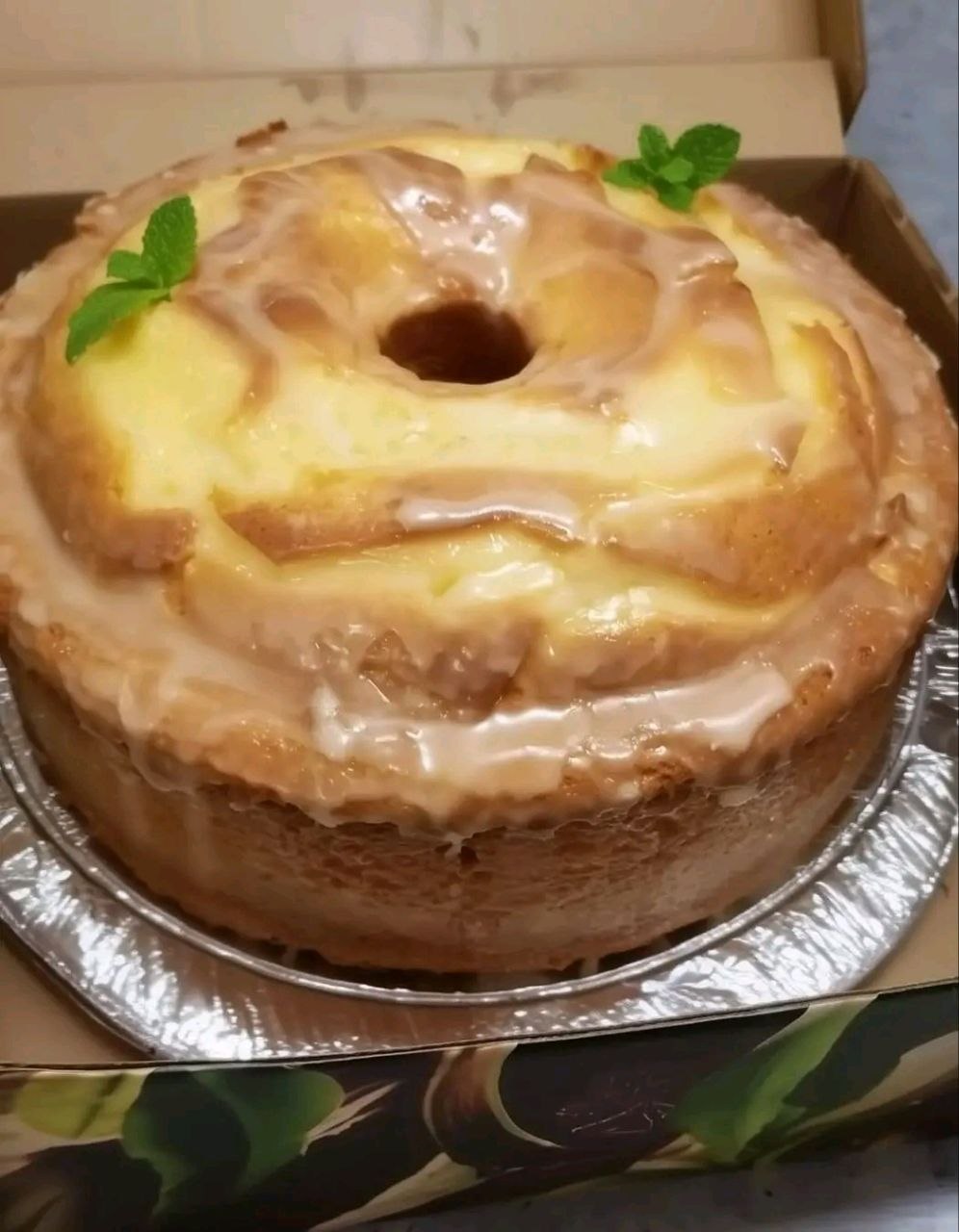
Aunt Fayes Pound Cake

Introduction
There are some culinary creations that transcend mere recipes and become woven into the fabric of family memories. Aunt Faye’s Pound Cake is precisely one of those treasures. For generations, the mention of Aunt Faye’s name has conjured images of a golden-crusted, impossibly moist cake, its sweet aroma filling the kitchen and drawing everyone closer. This isn’t just any pound cake; it’s a legacy, a comforting hug in edible form, and the undisputed star of every family gathering, holiday, and even the quietest Sunday afternoon. Its popularity stems from its timeless appeal: a rich, dense crumb, a delicate sweetness, and a simplicity that belies its profound deliciousness.
What makes Aunt Faye’s recipe so special? It’s more than just the perfect balance of ingredients; it’s the love and tradition baked into every slice. While many pound cakes can be dry or crumbly, Aunt Faye’s boasts an unparalleled moistness that melts in your mouth, leaving a lingering, buttery sweetness. The secret lies in her meticulous technique and a few understated touches that elevate it from good to absolutely legendary. This is a cake that satisfies the deepest cravings for classic comfort food, a dessert that feels both familiar and extraordinary all at once. Whether you’re a seasoned baker or just starting out, preparing this cake is an act of love, a connection to a simpler time, and a guaranteed crowd-pleaser.
The beauty of a classic pound cake, and Aunt Faye’s in particular, lies in its versatility and pure, unadulterated flavor. Traditionally, pound cakes earned their name from the equal “pound” of each main ingredient: butter, sugar, eggs, and flour. While modern recipes often adjust these ratios slightly for optimal texture, the essence remains the same. It’s a dense, rich cake that holds up beautifully, making it perfect for slicing, serving, and even transporting. Aunt Faye’s version takes this classic foundation and imbues it with a unique depth of flavor and a tender crumb that sets it apart. The simple, elegant glaze adds just the right touch of sweetness without overpowering the cake’s inherent richness, making it a truly unforgettable dessert experience.
Nutritional Information
Per serving (approximate values):
- Calories: 420
- Protein: 5g
- Carbohydrates: 55g
- Fat: 20g
- Fiber: 1g
- Sodium: 200mg
Ingredients
- 3 cups (6 sticks) unsalted butter, softened
- 3 cups granulated sugar
- 6 large eggs, at room temperature
- 4 cups all-purpose flour, sifted
- 1 teaspoon baking powder
- 1/2 teaspoon salt
- 1 cup whole milk, at room temperature
- 2 teaspoons vanilla extract
- 1/2 teaspoon almond extract (optional, but highly recommended)
- For the Glaze:
- 2 cups powdered sugar, sifted
- 4-6 tablespoons whole milk or heavy cream
- 1 teaspoon vanilla extract
Instructions
- Preheat your oven to 325°F (160°C). Grease and flour a 10-inch Bundt pan thoroughly, ensuring every crevice is coated to prevent sticking. Alternatively, use a high-quality baking spray with flour.
- In a large mixing bowl, cream together the softened butter and granulated sugar using an electric mixer on medium-high speed until the mixture is light, fluffy, and pale yellow. This step is crucial for incorporating air and creating a tender crumb, so don’t rush it; it should take 5-7 minutes.
- Add the eggs one at a time, beating well after each addition. Make sure each egg is fully incorporated into the butter and sugar mixture before adding the next. Scrape down the sides of the bowl as needed to ensure everything is evenly mixed.
- In a separate medium bowl, whisk together the sifted flour, baking powder, and salt. Sifting the flour helps to prevent lumps and ensures a lighter cake texture.
- With the mixer on low speed, gradually add the dry ingredients to the wet ingredients, alternating with the room temperature milk. Begin and end with the flour mixture. Add about one-third of the flour mixture, mix until just combined, then add half of the milk, mix, then another third of the flour, the remaining milk, and finally the last third of the flour. Be careful not to overmix the batter once the flour is added, as this can develop the gluten and result in a tough cake. Mix only until just combined.
- Stir in the vanilla extract and almond extract (if using) until evenly distributed.
- Pour the batter evenly into the prepared Bundt pan. Gently tap the pan on the counter a few times to release any air bubbles and help the batter settle evenly.
- Bake for 70-90 minutes, or until a wooden skewer or toothpick inserted into the center of the cake comes out clean. Baking times can vary depending on your oven, so start checking around the 70-minute mark. The cake should be golden brown on top and firm to the touch.
- Once baked, remove the cake from the oven and let it cool in the pan on a wire rack for 15-20 minutes. This allows the cake to set and prevents it from breaking when inverted.
- After cooling slightly in the pan, carefully invert the cake onto a wire rack to cool completely. Allowing it to cool completely before glazing is essential to prevent the glaze from melting and running off.
- While the cake cools, prepare the glaze. In a small bowl, whisk together the sifted powdered sugar, 4 tablespoons of milk or cream, and vanilla extract until smooth. If the glaze is too thick, add more milk or cream one teaspoon at a time until you reach your desired drizzling consistency. If it’s too thin, add a little more powdered sugar.
- Once the cake is completely cool, drizzle the glaze evenly over the top, allowing it to cascade down the sides. For a thicker coating, you can allow the first layer to set slightly and then apply a second layer.
- Let the glaze set for about 15-30 minutes before slicing and serving.
Cooking Tips and Variations
For the absolute best Aunt Faye’s Pound Cake, pay close attention to the temperature of your ingredients. Room temperature butter and eggs emulsify better with the sugar, creating a smoother batter and a more uniform, tender crumb. If your ingredients aren’t at room temperature, you can quickly soften butter by cutting it into cubes and letting it sit for 15-20 minutes, or by microwaving it on low power for very short bursts (5-10 seconds). To warm eggs, place them in a bowl of warm water for 5-10 minutes. When creaming the butter and sugar, resist the urge to shorten this step; it’s where much of the cake’s texture is developed as air is incorporated, leading to a lighter, less dense result. The mixture should be noticeably lighter in color and fluffy. When adding dry ingredients and milk, mix only until just combined. Overmixing develops gluten, which can make the cake tough and dry. A few small lumps of flour are better than a perfectly smooth, overmixed batter.
To ensure your Bundt cake releases cleanly, proper pan preparation is paramount. After greasing the pan thoroughly with shortening or butter, dust it with flour, rotating and tapping the pan to coat every surface, then tapping out any excess. For extra insurance, especially with intricate Bundt pans, consider using a baking spray that contains flour. Once the cake is out of the oven, allowing it to cool in the pan for 15-20 minutes is crucial. This helps the cake firm up and pull away from the sides, making inversion much easier. If you try to remove it too soon, it might tear or stick. If your cake seems stuck, gently run a thin knife along the edges (if accessible) before inverting. For a perfectly even glaze, ensure the cake is completely cool before drizzling. A warm cake will cause the glaze to melt and become transparent or run off entirely.
Aunt Faye’s Pound Cake is wonderful on its own, but it also serves as a fantastic canvas for variations. For a citrusy twist, add 2 tablespoons of lemon or orange zest to the batter along with the vanilla. You can also replace some of the milk in the glaze with fresh lemon juice for a bright, tangy counterpoint. For chocolate lovers, gently fold 1 cup of mini chocolate chips into the batter just before pouring it into the pan. Another delightful variation is to swirl in 1/2 cup of fruit preserves (like raspberry or apricot) into the batter after pouring it into the pan, creating a beautiful marbled effect. For an extra rich and decadent cake, replace half of the milk with sour cream or buttermilk; the acidity will also contribute to a tender crumb. A touch of grated nutmeg or cardamom in the dry ingredients can add a subtle, warm spice note that complements the buttery flavor beautifully. Serve slices with fresh berries and a dollop of whipped cream, a scoop of vanilla ice cream, or a drizzle of chocolate sauce for an elevated dessert experience.
Storage and Reheating
Storing Aunt Faye’s Pound Cake properly is key to maintaining its incredible moistness and flavor. Once the glaze has set, the cake should be stored at room temperature in an airtight container. A cake dome, a large plastic container, or even wrapping individual slices tightly in plastic wrap and then placing them in a container works well. Stored this way, the pound cake will remain fresh and delicious for 3-5 days. Avoid refrigerating the cake unless absolutely necessary, as the cold air can dry it out and alter its texture. If you must refrigerate it due to high humidity or to extend its shelf life, ensure it’s wrapped very tightly to protect it from moisture loss and absorption of other odors, then bring it back to room temperature before serving for the best flavor and texture.
For longer storage, Aunt Faye’s Pound Cake freezes beautifully. To freeze, ensure the cake is completely cooled and the glaze is fully set. You can freeze it whole, in halves, or in individual slices. For a whole cake, wrap it tightly in several layers of plastic wrap, then an additional layer of aluminum foil. For slices, wrap each slice individually in plastic wrap, then place them in a freezer-safe bag or airtight container. Properly wrapped, the pound cake can be stored in the freezer for up to 3 months. When you’re ready to enjoy it, simply transfer the frozen cake or slices to the refrigerator overnight to thaw slowly, or let individual slices thaw at room temperature for a few hours. Once thawed, it will be almost as delicious as freshly baked, retaining its moistness and rich flavor. Avoid reheating in the microwave, as this can make the cake rubbery; if you prefer a warm slice, a brief stint in a toaster oven or conventional oven at a low temperature (around 250°F/120°C) for 5-10 minutes can gently warm it through without drying it out.
Frequently Asked Questions
Why is my pound cake dry?
A dry pound cake is often the result of overmixing the batter, which develops the gluten in the flour and makes the cake tough, or overbaking. Ensure you only mix until the ingredients are just combined after adding the flour. Also, use an oven thermometer to verify your oven’s temperature and start checking for doneness at the earliest recommended time, using the toothpick test.
Can I make this pound cake ahead of time?
Absolutely! Pound cake is an excellent make-ahead dessert. It actually tastes even better the day after it’s baked, as the flavors have time to meld and the cake becomes even moister. Store it at room temperature in an airtight container for up to 3-5 days, or freeze it for up to 3 months.
What if I don’t have a Bundt pan?
While a Bundt pan gives the classic shape, you can certainly bake Aunt Faye’s Pound Cake in other pans. A 10-inch tube pan (angel food cake pan with a removable bottom) works well, or you can divide the batter between two 9×5-inch loaf pans. Adjust baking times accordingly; loaf pans might bake a bit faster, typically around 60-75 minutes, so keep an eye on them and use the toothpick test.
My glaze is too thin/thick. How do I fix it?
Achieving the perfect glaze consistency is easy to adjust. If your glaze is too thin and runny, gradually whisk in more sifted powdered sugar, one tablespoon at a time, until it reaches your desired thickness. If it’s too thick and doesn’t drizzle easily, add more milk or cream, one teaspoon at a time, until you get a smooth, flowing consistency. Remember to add liquids or solids slowly, as a little goes a long way.