Follow Me On Social Media!
Carrot Walnut Cake Recipe Moist Flavorful and Perfectly Spiced

Introduction
There’s something undeniably comforting and utterly delicious about a classic carrot cake. It’s a dessert that transcends seasons, equally at home on a holiday table as it is at a casual Sunday brunch. But not all carrot cakes are created equal. We’ve all encountered dry, crumbly versions that leave much to be desired. This recipe, however, is a game-changer. Prepare yourself for a Carrot Walnut Cake that is not just moist and flavorful, but perfectly spiced, promising a tender crumb and a symphony of tastes with every single bite.
What makes this particular carrot cake stand out? It’s the meticulous balance of ingredients and techniques designed to deliver an unparalleled experience. We’re talking about a cake so incredibly moist it practically melts in your mouth, thanks to the perfect ratio of oil and other liquid ingredients. The warmth of cinnamon, nutmeg, and a hint of ginger dances on your palate, complementing the natural sweetness of the carrots without overpowering them. And, of course, the star of the show (besides the carrots themselves) are the walnuts, adding a delightful crunch and nutty depth that elevates the entire cake to new heights.
Whether you’re a seasoned baker or just starting your culinary journey, this recipe is designed to be straightforward and rewarding. We’ll guide you through each step to ensure your success, resulting in a show-stopping dessert that will impress everyone who tries it. Get ready to bake the best Carrot Walnut Cake you’ve ever tasted – a true masterpiece of texture, aroma, and flavor, perfect for any occasion or simply as a well-deserved treat.
Nutritional Information
Per serving (approximate values):
- Calories: 450
- Protein: 5g
- Carbohydrates: 55g
- Fat: 25g
- Fiber: 3g
- Sodium: 290mg
Ingredients
- 2 cups All-purpose flour
- 2 teaspoons Baking soda
- 1 teaspoon Ground cinnamon
- ½ teaspoon Ground nutmeg
- ¼ teaspoon Ground ginger
- ¼ teaspoon Salt
- 1½ cups Granulated sugar
- ½ cup Packed light brown sugar
- ¾ cup Vegetable oil (or other neutral oil like canola)
- 4 large Eggs
- 1 teaspoon Vanilla extract
- 3 cups Finely grated carrots (about 4-5 medium carrots)
- 1 cup Chopped walnuts, lightly toasted (plus extra for garnish, optional)
- 2 tablespoons Powdered sugar, for dusting
Instructions
- Preheat your oven to 350°F (175°C). Grease and flour a 12-cup Bundt pan thoroughly, ensuring all crevices are coated to prevent sticking.
- In a large bowl, whisk together the all-purpose flour, baking soda, ground cinnamon, ground nutmeg, ground ginger, and salt until well combined. Set aside.
- In a separate, even larger bowl, combine the granulated sugar and light brown sugar. Pour in the vegetable oil and whisk vigorously until the sugars are fully incorporated and the mixture is smooth.
- Add the eggs one at a time to the wet mixture, whisking well after each addition until fully combined. Stir in the vanilla extract.
- Gradually add the dry ingredients to the wet ingredients, mixing on low speed or by hand with a spatula until just combined. Be careful not to overmix; a few lumps are okay. Overmixing can lead to a tough cake.
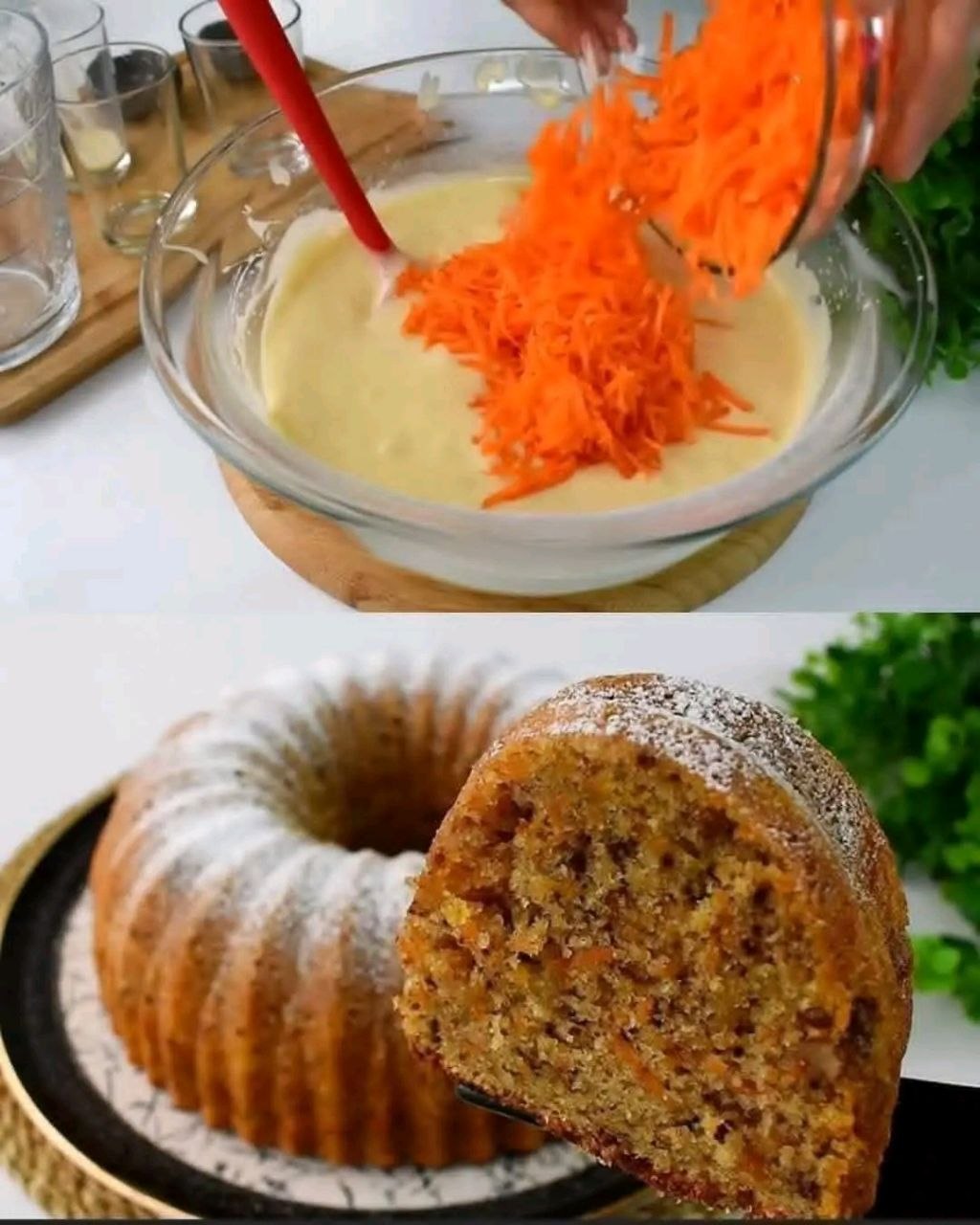
- Gently fold in the finely grated carrots and the chopped walnuts until evenly distributed throughout the batter.
- Pour the batter into the prepared Bundt pan, spreading it evenly. Tap the pan gently on the counter a few times to release any air bubbles.
- Bake for 50-60 minutes, or until a wooden skewer or toothpick inserted into the center of the cake comes out clean or with a few moist crumbs attached.
- Once baked, remove the Bundt pan from the oven and let it cool on a wire rack for 15-20 minutes. This allows the cake to set and prevents it from breaking when inverted.
- After the cooling period, carefully invert the Bundt cake onto the wire rack. If it doesn’t release easily, gently tap the bottom and sides of the pan. Allow the cake to cool completely on the wire rack before dusting with powdered sugar and serving.
Cooking Tips and Variations
To ensure your carrot cake is as moist and flavorful as possible, pay attention to a few key details. Firstly, the quality of your carrots matters. Use fresh, firm carrots and grate them finely. If your carrots are particularly juicy, you can gently squeeze out a little excess moisture with a paper towel, but don’t overdo it, as some moisture is essential for a tender crumb. For the walnuts, toasting them lightly in a dry skillet for a few minutes before adding them to the batter will significantly enhance their nutty flavor and aroma. Be careful not to burn them!
Preventing a dry cake often comes down to not overmixing the batter. Once you add the dry ingredients to the wet, mix only until just combined. Overmixing develops the gluten in the flour, leading to a tougher texture. Also, ensure your oven temperature is accurate; an oven thermometer can be a great investment. Overbaking is a common culprit for dry cakes, so keep a close eye on it during the last 10-15 minutes of baking and rely on the toothpick test.
While this cake is delightful on its own, a classic cream cheese frosting is an iconic pairing. To make it, beat together 8 ounces softened cream cheese, ½ cup softened unsalted butter, 4 cups powdered sugar, and 1 teaspoon vanilla extract until smooth and creamy. You can also add a pinch of salt to balance the sweetness. For variations, consider adding ½ cup of raisins or chopped pineapple (well-drained) to the batter along with the carrots and walnuts for extra sweetness and moisture. If you prefer pecans, they can be substituted for walnuts.
Storage and Reheating
To store your Carrot Walnut Cake, ensure it is completely cooled. If unfrosted, wrap it tightly in plastic wrap or aluminum foil. It can be kept at room temperature for up to 2-3 days. For longer storage, or if the cake is frosted with cream cheese frosting, it should be refrigerated. Place it in an airtight container or cover it well with plastic wrap and foil. It will last for up to a week in the refrigerator.
For even longer storage, this cake freezes beautifully. Once completely cooled (and unfrosted, if possible), wrap individual slices or the entire cake tightly in plastic wrap, then an additional layer of aluminum foil. It can be frozen for up to 2-3 months. Thaw frozen cake overnight in the refrigerator or at room temperature for a few hours before serving.
Reheating is generally not necessary for this cake as it is best served at room temperature or slightly chilled. If you prefer a warmer slice (perhaps without frosting), you can gently warm it in the microwave for 10-15 seconds, but be careful not to overheat it, as this can dry it out.
Frequently Asked Questions
Can I use pre-shredded carrots from the store?
While convenient, pre-shredded carrots are often thicker and drier than freshly grated ones, which can affect the cake’s moisture and texture. For the best results, we highly recommend grating your own carrots finely. This ensures they soften beautifully into the cake and contribute maximum moisture.
What if I don’t have a Bundt pan?
No problem! This recipe can also be baked in a 9×13 inch rectangular baking pan or two 9-inch round cake pans. If using a rectangular pan, the baking time will be similar, around 45-55 minutes. For round pans, reduce the baking time to approximately 30-40 minutes. Always use the toothpick test to confirm doneness.
Can I reduce the amount of sugar in the recipe?
You can slightly reduce the sugar by ¼ to ½ cup without significantly impacting the cake’s structure, but it will result in a less sweet cake. Keep in mind that sugar not only provides sweetness but also contributes to moisture and browning. Experimenting with smaller reductions first is recommended to find your preferred balance.
How do I prevent the cake from sticking to the Bundt pan?
Thorough greasing and flouring are key! Use a baking spray with flour, or generously coat the pan with softened butter or shortening, making sure to get into all the nooks and crannies. Then, dust with flour, rotating the pan to coat evenly, and tap out any excess. This creates a non-stick barrier that helps the cake release cleanly.