Follow Me On Social Media!
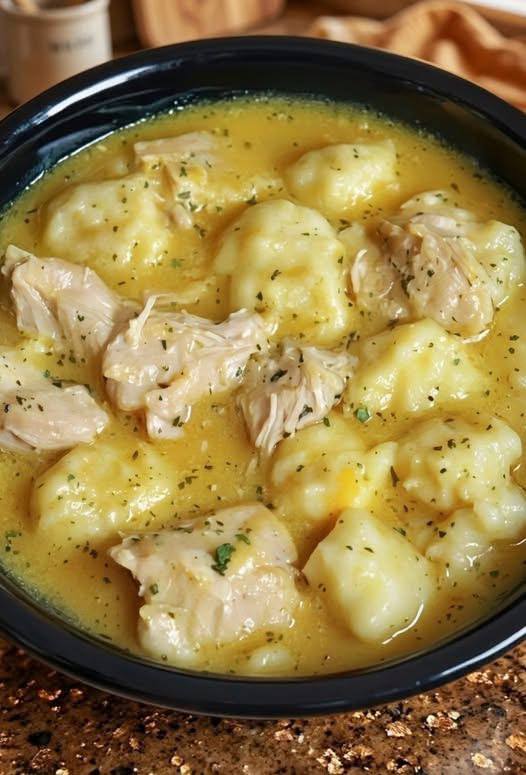
Chicken and Dumplings: A Classic Bowl of Comfort

Introduction
There are some dishes that transcend mere sustenance, reaching deep into our memories and stirring feelings of warmth, nostalgia, and pure, unadulterated comfort. Chicken and Dumplings is unequivocally one of them. This isn’t just a meal; it’s a hug in a bowl, a culinary embrace that whispers of home, hearth, and simpler times. From the moment the aroma of simmering chicken and savory herbs fills your kitchen, you know you’re in for something truly special. It’s the quintessential comfort food, beloved across generations for its hearty nature and soul-satisfying taste, especially on those days when a chill is in the air or you simply crave a taste of home-cooked goodness.
What makes a classic bowl of Chicken and Dumplings so utterly irresistible? It’s the harmonious marriage of rich, deeply flavored chicken broth, tender shredded chicken, and those impossibly light, fluffy dumplings that soak up all the savory goodness. This dish is designed to satisfy, to nourish, and to bring a smile to your face with every spoonful. While it might seem like a complex endeavor, we’re here to show you that crafting this masterpiece at home is not only achievable but incredibly rewarding. Prepare to impress your taste buds and those of your loved ones with a recipe that promises a deeply flavorful broth and perfectly ethereal dumplings.
Our recipe focuses on creating a robust foundation – a savory broth brimming with chicken flavor – and pairing it with dumplings that are anything but dense. We’ll guide you through each step, ensuring your chicken is tender, your broth is rich, and your dumplings are light as air, providing that perfect textural contrast. Whether you’re a seasoned home cook or just starting your culinary journey, this straightforward guide will help you create a classic bowl of Chicken and Dumplings that will become a cherished staple in your recipe collection, bringing warmth and comfort to your table time and time again.
Nutritional Information
Per serving (approximate values):
- Calories: 580
- Protein: 45g
- Carbohydrates: 50g
- Fat: 25g
- Fiber: 4g
- Sodium: 950mg
Ingredients
- For the Chicken and Broth:
- 2 tablespoons unsalted butter
- 1 tablespoon olive oil
- 1 large yellow onion, chopped
- 2 carrots, peeled and diced
- 2 celery stalks, diced
- 2 cloves garlic, minced
- 1.5 lbs boneless, skinless chicken thighs or breasts, cut into 2-inch pieces
- 8 cups (2 quarts) good quality chicken broth
- 1 cup water (or more broth)
- 1 teaspoon dried thyme
- 1/2 teaspoon dried rosemary, crushed
- 1 bay leaf
- Salt and freshly ground black pepper to taste
- 1/4 cup all-purpose flour (for thickening)
- 1/2 cup heavy cream (optional, for extra richness)
- 1/4 cup fresh parsley, chopped (for garnish)
- For the Dumplings:
- 2 cups all-purpose flour
- 2 teaspoons baking powder
- 1 teaspoon salt
- 1/2 teaspoon black pepper
- 1/2 cup cold unsalted butter, cut into small pieces
- 3/4 cup milk (whole milk recommended)
- 1 tablespoon fresh parsley, finely chopped (optional, for color and flavor)
Instructions
- Prepare the Chicken and Broth Base:
- In a large Dutch oven or heavy-bottomed pot, melt the butter with the olive oil over medium heat.
- Add the chopped onion, carrots, and celery. Sauté for 8-10 minutes, stirring occasionally, until the vegetables begin to soften and the onion is translucent.
- Add the minced garlic and cook for another minute until fragrant.
- Sprinkle 1/4 cup of flour over the vegetables and stir constantly for 1-2 minutes to cook out the raw flour taste, creating a roux.
- Gradually whisk in the chicken broth and water (or additional broth), ensuring no lumps form.
- Add the chicken pieces, dried thyme, crushed rosemary, and bay leaf. Season generously with salt and black pepper.
- Bring the mixture to a gentle simmer, then reduce the heat to low, cover, and cook for 20-25 minutes, or until the chicken is cooked through and very tender.
- Carefully remove the cooked chicken from the pot using a slotted spoon and transfer it to a cutting board.
- Shred the chicken into bite-sized pieces using two forks. Set aside.
- Discard the bay leaf from the broth. Taste the broth and adjust seasoning as needed. If using, stir in the heavy cream now for a richer broth. Keep the broth at a very gentle simmer while you prepare the dumplings.
- Craft the Perfect Dumplings:
- In a medium-sized mixing bowl, whisk together the 2 cups of flour, baking powder, 1 teaspoon salt, and 1/2 teaspoon black pepper. If using, stir in the chopped fresh parsley.
- Add the cold butter pieces to the flour mixture. Using a pastry blender, your fingertips, or a fork, cut the butter into the flour until the mixture resembles coarse crumbs with some pea-sized pieces of butter remaining.
- Gradually add the milk, stirring with a fork until a shaggy dough forms. Be careful not to overmix; the less you handle the dough, the more tender your dumplings will be.
- Cook the Dumplings and Bring It All Together:
- Increase the heat of the chicken stew to a gentle simmer (not a rolling boil).
- Using two spoons, or your hands, drop spoonfuls of the dumpling dough directly into the simmering stew. The dumplings should be roughly 1 to 1.5 inches in diameter. Don’t overcrowd the pot; cook them in batches if necessary. Leave some space between them as they will expand.
- Once all the dumplings are in the pot, gently stir in the shredded chicken.
- Cover the pot tightly and cook for 15-20 minutes, or until the dumplings are puffed up and cooked through. Avoid lifting the lid during this time, as the steam is crucial for cooking the dumplings evenly.
- To check for doneness, carefully remove one dumpling and cut it in half; there should be no raw dough in the center.
- Once the dumplings are cooked, remove the pot from the heat.
- Ladle the hot chicken and dumplings into bowls. Garnish with fresh chopped parsley before serving.
Cooking Tips and Variations
Pro Tips for the Perfect Bowl:
- Don’t Overmix Dumpling Dough: This is the golden rule for tender dumplings. Overmixing develops the gluten, leading to tough, chewy dumplings. Mix just until combined.
- Cold Butter is Key: For the flakiest, lightest dumplings, use very cold butter. This creates pockets of steam as the butter melts during cooking, resulting in a tender texture.
- Gentle Simmer for Dumplings: Drop dumplings into a gently simmering (not vigorously boiling) stew. Too much agitation can cause them to break apart. Ensure the stew is hot enough to cook them through but not so aggressive that it destroys their structure.
- Cover and Don’t Peek: Once the dumplings are in, cover the pot tightly and resist the urge to lift the lid. The steam trapped inside is essential for cooking the dumplings evenly and making them light and fluffy.
- Adjust Broth Thickness: If you prefer a thicker stew, you can create a slurry with 1-2 tablespoons of cornstarch mixed with an equal amount of cold water. Stir it into the simmering broth before adding the chicken and dumplings, and cook for a few minutes until thickened. Alternatively, simply allow the stew to simmer uncovered for a longer period to reduce and thicken naturally.
- Rotisserie Chicken Shortcut: For an even quicker meal, use a pre-cooked rotisserie chicken. Shred the meat and add it to the broth during the last 5-10 minutes of simmering, just before adding the dumplings, to ensure it’s heated through.
- Taste and Adjust Seasoning: Always taste your broth before adding the chicken and again before serving. Broths can vary greatly in sodium content, so adjust salt and pepper as needed. A pinch of nutmeg can also enhance the savory flavors.
Delicious Variations to Try:
- Add More Vegetables: Enhance the nutritional value and flavor by adding other vegetables. Peas (fresh or frozen, added during the last 5 minutes of cooking), corn, or even diced potatoes (add with the carrots and celery to ensure they cook through) are excellent additions.
- Herb Variations: While thyme and rosemary are classic, experiment with other herbs. A touch of sage, bay leaf (which we’ve included), or marjoram can add different layers of flavor. Fresh dill or chives can be stirred in at the very end for a bright, fresh finish.
- Spicy Kick: For those who enjoy a bit of heat, add a pinch of red pepper flakes with the aromatics.
- Creamier Broth: For an even richer, creamier stew, increase the amount of heavy cream or stir in a block of cream cheese (cut into cubes) until melted and smooth.
- Gluten-Free Dumplings: You can adapt this recipe for gluten-free diets. Use a 1:1 gluten-free all-purpose flour blend (ensure it contains xanthan gum) for both the roux and the dumplings. You might need slightly less milk for the dumplings, so add it gradually until the right consistency is reached.
- Buttermilk Dumplings: For a slight tang and extra tenderness, substitute buttermilk for regular milk in the dumpling recipe.
Storage and Reheating
Storage:
Chicken and Dumplings make fantastic leftovers! Allow the dish to cool completely before transferring it to an airtight container. Store in the refrigerator for up to 3-4 days. The dumplings will soak up more of the broth over time, becoming even more tender and flavorful, though they may lose some of their initial fluffiness.
Freezing:
While the stew base freezes well, the dumplings can become a bit mushy or crumbly after thawing and reheating. If you plan to freeze, it’s best to freeze the chicken stew separately (without the dumplings). When ready to serve, thaw the stew, bring it to a simmer, and then make and cook fresh dumplings directly in the thawed stew. If you must freeze with dumplings, know that their texture will change.
Reheating:
- Stovetop: The best way to reheat Chicken and Dumplings is on the stovetop. Transfer the desired portion to a saucepan and heat over medium-low heat, stirring occasionally, until warmed through. You may need to add a splash of extra chicken broth or water to thin out the gravy, as it will likely have thickened considerably in the refrigerator.
- Microwave: For individual servings, the microwave is a quick option. Place the desired amount in a microwave-safe bowl, cover loosely, and heat in 1-2 minute intervals, stirring between each, until hot. Again, you might want to add a little liquid to loosen the consistency.
Frequently Asked Questions
Why are my dumplings tough or dense?
The most common reason for tough or dense dumplings is overmixing the dough. When you overmix, you develop the gluten in the flour too much, leading to a chewy texture. Mix just until the ingredients are combined and a shaggy dough forms. Also, ensure your butter is cold and cut into the flour properly, as this creates pockets of steam for a lighter dumpling.
Can I use pre-cooked chicken for this recipe?
Absolutely! Using pre-cooked chicken, such as a rotisserie chicken or leftover roasted chicken, is a fantastic time-saver. Simply shred the cooked chicken and add it to the simmering broth during the last 5-10 minutes of cooking, just before you drop in the dumplings, to ensure it’s heated through. If using raw chicken, cooking it directly in the broth, as outlined in our recipe, adds more flavor to your stew base.
How do I prevent my dumplings from falling apart in the stew?
Several factors can cause dumplings to fall apart. First, ensure your dough isn’t too wet; it should be shaggy but hold together. Second, make sure the stew is at a gentle simmer, not a rapid boil, when you add the dumplings. A vigorous boil can agitate them too much. Third, once the dumplings are in, cover the pot and avoid disturbing them. The steam is crucial for cooking them uniformly without breakage.
My stew isn’t thick enough. How can I fix it?
If your stew is too thin, you have a few options. You can continue to simmer it uncovered for a longer period to allow some of the liquid to evaporate and concentrate. Alternatively, you can create a cornstarch slurry: mix 1-2 tablespoons of cornstarch with an equal amount of cold water until smooth. Slowly whisk this slurry into the simmering stew and cook for another 2-3 minutes, stirring constantly, until it reaches your desired thickness. The flour used to coat the vegetables at the beginning also contributes to thickening, so ensure you cook it down properly.