Follow Me On Social Media!
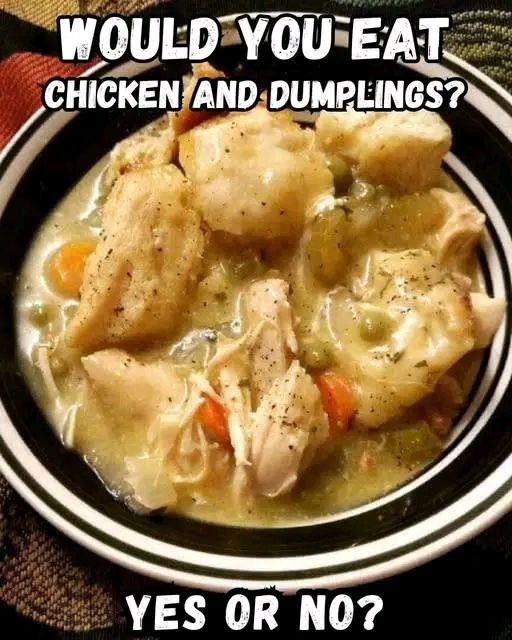
Chicken and Dumplings

Introduction
There’s a reason certain dishes stand the test of time, becoming synonymous with warmth, family, and pure comfort. Chicken and dumplings is undoubtedly one of them. This isn’t just a meal; it’s a hug in a bowl, a culinary journey back to simpler times, and a promise of cozy satisfaction. Imagine a rich, savory broth brimming with tender pieces of chicken and soft, sweet vegetables, all crowned with fluffy, pillowy dumplings that melt in your mouth. It’s the kind of dish that chases away the chill of a winter evening, soothes a weary soul, and brings everyone to the table with eager anticipation. Its enduring popularity lies in this perfect blend of hearty nourishment and comforting nostalgia.
What makes a classic chicken and dumplings so special? It’s the harmonious interplay of textures and flavors. The succulent chicken, whether it’s slow-cooked dark meat or lean breast, provides a robust foundation. The medley of humble vegetables like carrots, celery, and onions infuse the broth with natural sweetness and aromatic depth. But the true stars, often, are those delightful dumplings. Irregularly shaped, yet perfectly cooked, they absorb the savory goodness of the stew while retaining their own unique, pillowy softness. This dish is versatile enough for a casual weeknight dinner but feels special enough for a Sunday supper, making it a beloved staple in homes across generations.
Our recipe aims to capture the essence of this timeless classic, focusing on achieving that deeply satisfying flavor profile and those wonderfully tender, fluffy dumplings. We’ll guide you through each step to create a thick, creamy broth that coats every ingredient, ensuring a truly comforting experience. Whether you’re a seasoned cook looking for a reliable recipe or a beginner eager to master a classic, this chicken and dumplings recipe is designed to deliver a bowl of pure, unadulterated comfort that feels both traditional and incredibly delicious. Get ready to fill your home with an aroma that will make everyone’s mouth water!
Nutritional Information
Per serving (approximate values):
- Calories: 550
- Protein: 45g
- Carbohydrates: 40g
- Fat: 25g
- Fiber: 5g
- Sodium: 850mg
Ingredients
For the Chicken and Stew:
- 2 tablespoons olive oil
- 2 pounds boneless, skinless chicken thighs, cut into 1-inch pieces
- 1 large yellow onion, diced
- 2 carrots, peeled and diced
- 2 celery stalks, diced
- 2 cloves garlic, minced
- 1/2 cup all-purpose flour (for thickening)
- 6 cups low-sodium chicken broth
- 1 cup whole milk or half-and-half
- 1 teaspoon dried thyme
- 1 bay leaf
- 1 cup frozen peas
- 1/2 cup fresh parsley, chopped (for garnish and stew)
- Salt and freshly ground black pepper to taste
For the Dumplings:
- 2 cups all-purpose flour
- 1 tablespoon baking powder
- 1/2 teaspoon salt
- 1/2 cup cold unsalted butter, cut into small pieces (or 1/2 cup vegetable shortening)
- 3/4 cup buttermilk (or regular milk with 1 teaspoon lemon juice/vinegar, let sit for 5 minutes)
Instructions
- Prepare the Chicken: Heat olive oil in a large Dutch oven or heavy-bottomed pot over medium-high heat. Season the chicken pieces with salt and pepper. Add chicken to the pot and cook until browned on all sides, about 5-7 minutes. Remove chicken with a slotted spoon and set aside, leaving any drippings in the pot.
- Sauté the Aromatics: Reduce heat to medium. Add diced onion, carrots, and celery to the pot. Cook, stirring occasionally, until vegetables are softened, about 8-10 minutes. Add minced garlic and cook for another minute until fragrant.
- Build the Stew Base: Sprinkle 1/2 cup all-purpose flour over the cooked vegetables. Stir constantly for 1-2 minutes to cook out the raw flour taste, creating a roux.
- Add Liquids and Seasonings: Gradually whisk in the chicken broth, making sure to scrape up any browned bits from the bottom of the pot. Stir in the whole milk or half-and-half, dried thyme, and bay leaf. Bring the mixture to a gentle simmer, stirring occasionally.
- Return Chicken to Pot: Add the browned chicken back into the pot. Reduce heat to low, cover, and let the stew simmer gently for 15-20 minutes, allowing the flavors to meld and the chicken to finish cooking through.
- Prepare the Dumpling Dough: While the stew simmers, prepare the dumplings. In a medium bowl, whisk together 2 cups all-purpose flour, baking powder, and 1/2 teaspoon salt.
- Cut in Butter: Add the cold butter pieces (or shortening) to the flour mixture. Using a pastry blender, two knives, or your fingertips, cut the butter into the flour until the mixture resembles coarse crumbs with some pea-sized pieces of butter remaining.
- Add Buttermilk: Pour in the buttermilk and mix with a fork until just combined. Be careful not to overmix; the dough should be shaggy and slightly sticky.
- Cook the Dumplings: Increase the heat under the stew to a gentle, rolling simmer. Drop spoonfuls (about 1-2 tablespoons each) of the dumpling dough directly into the simmering stew. Don’t crowd them too much.
- Cover and Cook: Cover the pot tightly and cook the dumplings for 15-20 minutes without lifting the lid. This allows the dumplings to steam and cook through, becoming light and fluffy.
- Finishing Touches: Once the dumplings are cooked, remove the bay leaf. Stir in the frozen peas and about half of the fresh chopped parsley. Cook for another 2-3 minutes until the peas are heated through. Taste and adjust seasoning with salt and freshly ground black pepper as needed.
- Serve: Ladle the chicken and dumplings into bowls, garnished with the remaining fresh parsley. Serve hot.
Cooking Tips and Variations
For truly exceptional chicken and dumplings, attention to a few key details can make all the difference. When selecting your chicken, boneless, skinless chicken thighs are often preferred for their rich flavor and tendency to remain tender even with longer cooking times. If you opt for chicken breasts, be mindful not to overcook them to avoid dryness. A great way to enhance the broth’s depth is to use high-quality, low-sodium chicken broth, or even better, homemade stock. If you’re feeling ambitious, starting with bone-in chicken parts and simmering them to make your own broth before deboning and shredding the meat will yield an incredibly rich and flavorful base.
When it comes to the dumplings, the golden rule is “do not overmix.” Overworking the dough will develop the gluten too much, resulting in tough, dense dumplings instead of the desired light, pillowy texture. Mix just until the ingredients are combined. Another crucial tip for perfect dumplings is to ensure your stew is at a consistent, gentle simmer before dropping them in, and then to cover the pot tightly and resist the urge to peek during the cooking process. The steam trapped inside is what helps them cook evenly and become wonderfully fluffy. If you lift the lid, the steam escapes, and your dumplings might not cook through properly.
For variations, consider adding other vegetables like diced potatoes, corn kernels, or green beans along with the peas for added color and nutrition. A touch of fresh rosemary or sage can complement the thyme beautifully, especially if you’re using darker chicken meat. If you prefer a thinner broth, simply add a bit more chicken broth or water to reach your desired consistency. Conversely, if you like it thicker, you can make a slurry of 1 tablespoon of cornstarch mixed with 2 tablespoons of cold water, and whisk it into the simmering stew a few minutes before serving, allowing it to thicken. For a delightful shortcut, if you’re short on time, a pre-cooked rotisserie chicken can be shredded and added to the stew near the end of the cooking process, and canned biscuit dough can be cut into pieces and dropped into the stew as a quick dumpling alternative, though the texture will be different from homemade.
Storage and Reheating
Chicken and dumplings make for fantastic leftovers, often tasting even better the next day as the flavors have more time to meld. To store, allow the dish to cool completely to room temperature within two hours of cooking. Transfer the chicken and dumplings to an airtight container and refrigerate for up to 3-4 days. The dumplings will absorb more of the broth over time and may become softer, but they will still be delicious.
For reheating, the best method is to gently warm the leftovers on the stovetop. Transfer the desired portion to a saucepan or pot and heat over medium-low heat, stirring occasionally, until heated through. You may find that the stew has thickened considerably in the refrigerator. If it’s too thick for your liking, add a splash of chicken broth or water to thin it out to your preferred consistency while reheating. Avoid reheating on high heat, which can cause the stew to scorch or the chicken to dry out. While microwave reheating is an option for individual portions, it can sometimes make the dumplings a bit chewier. If using a microwave, heat in short intervals, stirring between each, until thoroughly warmed.
Frequently Asked Questions
What kind of chicken is best for chicken and dumplings?
Boneless, skinless chicken thighs are often recommended because they stay moist and tender, and their rich flavor contributes significantly to the stew. However, boneless, skinless chicken breasts can also be used for a leaner option, just be careful not to overcook them. For the most flavorful broth, some recipes even start with bone-in chicken pieces.
Can I make chicken and dumplings ahead of time?
Yes, chicken and dumplings can be made ahead of time. The stew portion can be prepared a day or two in advance and stored in the refrigerator. When you’re ready to serve, reheat the stew gently on the stovetop, bring it to a simmer, and then drop in the freshly made dumpling dough. This ensures the dumplings are light and fluffy, as they are best cooked fresh.
Why are my dumplings tough or gummy?
Tough or gummy dumplings are usually a result of overmixing the dough. When making the dumpling dough, mix only until the ingredients are just combined and no dry streaks of flour remain. Overworking the dough develops the gluten, leading to a chewy texture. Another common reason is not cooking them long enough or lifting the lid too often during cooking, which releases the steam needed for proper cooking.
How can I make the broth thicker or thinner?
If your broth is too thin, you can create a cornstarch slurry by mixing 1 tablespoon of cornstarch with 2 tablespoons of cold water until smooth. Whisk this into the simmering stew and cook for a few minutes until it thickens. For a thicker, richer broth from the start, ensure you’ve cooked the flour with the vegetables (the roux step) for at least 1-2 minutes. If your broth is too thick, simply stir in additional chicken broth or water, a quarter cup at a time, until you reach your desired consistency.