Follow Me On Social Media!
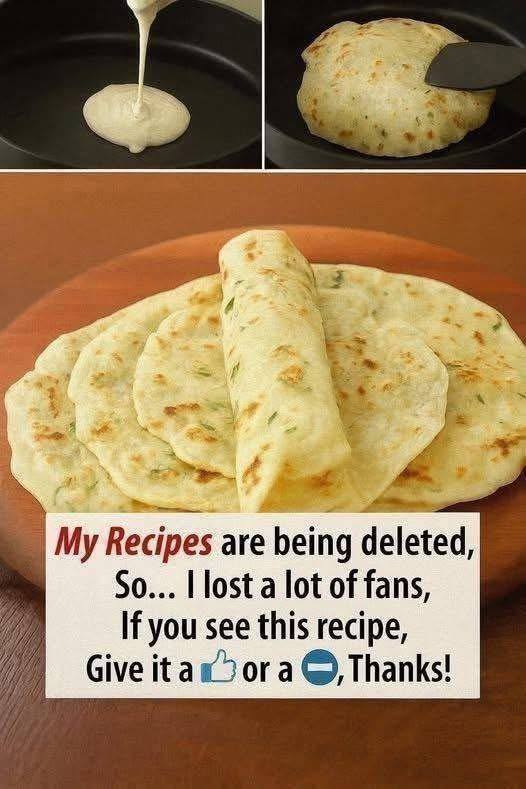
Easy Homemade Scallion Flatbread (Green Onion Flatbread)

Introduction
Imagine a warm, savory bread, kissed with the fresh zest of green onions, perfectly golden and slightly crispy on the edges, yet wonderfully soft and chewy within. That’s exactly what you get with this Easy Homemade Scallion Flatbread! Forget complicated doughs and long proofing times; this recipe brings you the irresistible charm of a pan-fried flatbread with minimal effort. It’s a delightful culinary experience that transforms simple pantry staples into a flavorful centerpiece, perfect for any meal or as a satisfying snack. The aroma alone as it cooks is enough to draw everyone into the kitchen, promising a treat that’s both comforting and exciting.
Scallion flatbread, often known by its more famous cousin, the Chinese scallion pancake (Cong You Bing), holds a special place in various Asian cuisines. While our version here is simplified for everyday ease, it captures the essence of that beloved savory, oniony goodness. It’s a testament to how humble ingredients can create something truly spectacular. This recipe is designed to be quick and foolproof, making it accessible even for novice bakers or those short on time. Whether you’re looking for a unique side dish, a sturdy base for wraps, or just a delicious bread to tear and share, this homemade scallion flatbread is about to become your new kitchen hero.
What makes this recipe stand out is its incredible “easy homemade” factor. We’re talking about a batter-based approach, which means no kneading, no waiting for yeast to rise, and no complex folding techniques. Just a simple whisk, a hot pan, and a few minutes later, you’ll be enjoying warm, fresh flatbreads that far surpass anything you could buy. It’s a versatile canvas for flavors, a delightful textural experience, and a surprisingly quick way to elevate your home cooking. Get ready to fall in love with the simplicity and sensational taste of these homemade scallion flatbreads!
Nutritional Information
Per serving (approximate values):
- Calories: 210
- Protein: 6g
- Carbohydrates: 35g
- Fat: 5g
- Fiber: 2g
- Sodium: 280mg
Ingredients
- 2 cups (240g) All-Purpose Flour
- 1 teaspoon Baking Powder
- 1/2 teaspoon Salt
- 1 1/2 cups Water (warm, about 100-110°F or 38-43°C)
- 1/4 cup finely chopped Scallions (Green Onions), about 3-4 stalks
- 2 tablespoons Vegetable Oil (plus more for cooking)
- Optional: 1 teaspoon Toasted Sesame Oil (for extra flavor)
- Optional: Pinch of black pepper or chili flakes
Instructions
- In a large mixing bowl, whisk together the all-purpose flour, baking powder, and salt. Ensure there are no lumps and the dry ingredients are well combined.
- Gradually pour the warm water into the dry ingredients while continuously whisking. Start by adding about 1 cup of water, mixing until smooth, then slowly add the remaining 1/2 cup until you achieve a smooth, pourable batter consistency, similar to a thick pancake batter. It should be thick enough to coat the back of a spoon but still flow easily.
- Stir in the finely chopped scallions, 2 tablespoons of vegetable oil, and the optional toasted sesame oil (if using). Mix until the scallions are evenly distributed throughout the batter. If using, add a pinch of black pepper or chili flakes now.
- Heat a large non-stick skillet or griddle over medium heat. Add about 1 teaspoon of vegetable oil to the pan and swirl to coat the bottom evenly.
- Once the pan is hot, pour approximately 1/4 to 1/3 cup of batter into the center of the pan, depending on your desired flatbread size. Immediately tilt and swirl the pan, or use the back of a ladle, to spread the batter into a thin, even circle, about 6-8 inches in diameter.
- Cook for 2-3 minutes on the first side, or until the edges begin to look set, small bubbles appear on the surface, and the underside is golden brown and releases easily from the pan.
- Carefully flip the flatbread using a spatula. Cook for another 1-2 minutes on the second side, until golden brown and cooked through. The flatbread should feel firm to the touch when gently pressed.
- Remove the cooked flatbread from the pan and place it on a plate. You can cover it with a clean kitchen towel to keep it warm and soft while you cook the remaining flatbreads.
- Repeat the process with the remaining batter, adding a small amount of oil to the pan before cooking each new flatbread as needed. Adjust the heat as necessary to prevent burning.
- Serve the warm scallion flatbreads immediately, either plain, with a dipping sauce, or as a side to your favorite meals.
Cooking Tips and Variations
Achieving the perfect scallion flatbread is all about paying attention to a few key details. The consistency of your batter is paramount; it should be pourable like a thick pancake batter, but not watery. If it’s too thin, your flatbreads will be fragile and hard to flip. If it’s too thick, they won’t spread evenly and might be dense. Adjust with a tablespoon of flour or water at a time until you reach the ideal consistency. Another critical factor is your pan temperature. Medium heat is your best friend here. If the pan is too hot, the outside will burn before the inside cooks through, resulting in a raw center. If it’s too cool, the flatbreads will soak up too much oil and become greasy, never achieving that beautiful golden-brown crust. Test the heat by dropping a tiny bit of batter in; it should sizzle gently.
Don’t overcrowd the pan. Cook one or two flatbreads at a time, depending on the size of your skillet, to ensure even cooking and easier flipping. A good non-stick pan is highly recommended for this recipe, as it makes flipping a breeze and requires less oil. When flipping, be decisive but gentle. Once you see bubbles forming on the surface and the edges are set, it’s usually ready for its turn. After cooking, stack the flatbreads and cover them with a clean kitchen towel. This traps the steam, keeping them warm and wonderfully soft as you finish cooking the rest.
For variations, the possibilities are endless! To add a nutty crunch, sprinkle some toasted sesame seeds directly onto the wet batter in the pan before flipping. If you like a little heat, a pinch of red chili flakes or a dash of sriracha powder mixed into the batter will give it a pleasant kick. For an even richer flavor, you can swap out some of the water for milk or a non-dairy alternative, which will result in a slightly more tender flatbread. Experiment with other finely chopped herbs like cilantro or chives for different aromatic profiles. A touch of garlic powder or onion powder in the dry mix can also deepen the savory notes. For a slightly different texture, you could even mix in a tablespoon of cornstarch with the flour for an extra crispy exterior.
Storage and Reheating
These homemade scallion flatbreads are always best enjoyed fresh and warm straight from the pan, but they also store surprisingly well, making them excellent for meal prep or enjoying later. To store any leftover flatbreads, allow them to cool completely to room temperature. Stacking them while still warm can cause them to become soggy due to condensation. Once cooled, place them in an airtight container or a resealable plastic bag. They will keep well in the refrigerator for up to 3-4 days. For longer storage, you can freeze them. Arrange cooled flatbreads in a single layer on a baking sheet and freeze until firm, then transfer them to a freezer-safe bag or container, separating layers with parchment paper to prevent sticking. They can be frozen for up to 2-3 months.
Reheating is simple and brings them back to life beautifully. From the refrigerator, you can reheat them in a dry non-stick skillet over medium heat for 1-2 minutes per side, until warmed through and slightly crispy again. This method is ideal for restoring their texture. Alternatively, you can pop them into a toaster oven or even a regular oven preheated to 350°F (175°C) for about 3-5 minutes, or until heated through. If reheating from frozen, there’s no need to thaw them first. You can place them directly into a preheated dry skillet or oven. In a skillet, heat over medium-low, covered, for about 3-5 minutes per side, or until pliable and hot. In the oven, bake at 375°F (190°C) for 5-8 minutes. Avoid reheating in the microwave if possible, as it tends to make them soft and chewy rather than maintaining their desired crisp edges.
Frequently Asked Questions
Can I make the batter ahead of time?
Yes, you absolutely can! The batter for these scallion flatbreads can be made ahead of time and stored in the refrigerator. Prepare the batter as directed, then cover the bowl tightly with plastic wrap or transfer it to an airtight container. It will keep well in the refrigerator for up to 24 hours. Give it a good whisk before cooking, as the flour might settle at the bottom, and you might need to add a tiny splash of water if it has thickened too much.
What kind of flour is best for this recipe?
All-purpose flour works perfectly for this recipe, providing a good balance of chewiness and tenderness. While you could experiment with other flours, using whole wheat flour might result in a denser, chewier flatbread, and gluten-free flour blends would likely require adjustments to the liquid content and might alter the texture significantly. For your first attempt, sticking to all-purpose flour will give you the best and most consistent results.
Why are my flatbreads not getting crispy?
There are a few common reasons why your flatbreads might not be getting crispy. The most likely culprit is insufficient heat or not enough oil in the pan. Ensure your skillet is properly preheated to medium heat before adding the batter; if it’s too cool, the flatbread will steam rather than crisp. Also, make sure you’re adding a small amount of oil to the pan before cooking each flatbread. The oil helps with browning and creating that desirable crispy exterior. Don’t overcrowd the pan, as this can lower the temperature and lead to steaming. Finally, make sure you’re cooking them long enough on each side for the moisture to evaporate and for the surface to develop a golden crust.
Can I use other types of onions instead of scallions?
While scallions (green onions) are traditional and provide a delicate, fresh onion flavor, you can certainly experiment with other types of onions. For a milder flavor, chives would be a good substitute, though you might need to use a larger quantity. For a stronger, more pungent flavor, you could try finely minced shallots or even a very small amount of finely minced yellow or red onion. However, keep in mind that other onions might have a higher water content or stronger flavor, so adjust the quantity to your preference and ensure they are very finely chopped to cook evenly within the flatbread.